
The Lone Star State is a land steeped in history, a place where rugged individualism and bold spirit are woven into the very fabric of its identity. While many might associate Texas with vast ranches, oil fields, and a distinct cultural heritage, few entities embody its pioneering spirit quite like the Texas Rangers. Far from being mere lawmen of the past, the modern Texas Rangers are an integral part of the state’s law enforcement landscape, a storied organization with a legacy that continues to captivate and inform. This article delves into the multifaceted nature of the Texas Rangers, exploring their historical significance, their contemporary role, and how their legacy intertwines with the very essence of Texas itself, offering a unique lens through which to appreciate the state’s rich tapestry of travel, tourism, and lifestyle.
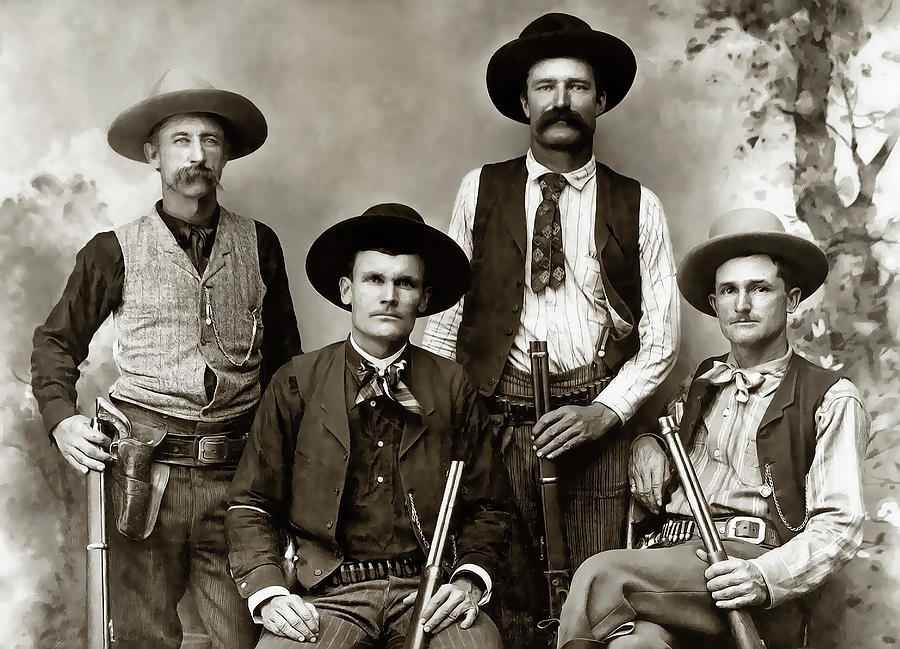
The Genesis of a Legend: From Frontier Lawmen to Iconic Symbols
The story of the Texas Rangers begins in the tumultuous era of the Republic of Texas. Established in 1823 by Stephen F. Austin, the original “Rangers” were a small, independent force tasked with protecting the early settlers from the dangers of the frontier – hostile Native American tribes, outlaws, and the general lawlessness that pervaded a nascent nation. These were not the polished, uniformed officers of today; they were frontiersmen, intimately familiar with the land, skilled in horsemanship and marksmanship, and driven by a fierce loyalty to Texas. Their reputation for bravery, resourcefulness, and unwavering dedication quickly spread, laying the foundation for the legend that persists to this day.
Frontier Guardians and the Fight for Survival
The early Texas Rangers operated in a landscape vastly different from the bustling metropolises of modern Texas. Their territory was immense, their challenges formidable. They patrolled vast stretches of land, often for months at a time, facing down threats with little more than their wits and their firearms. Their duties were varied, encompassing scouting, reconnaissance, and acting as a mobile militia. They were the first responders to crises, the enforcers of order in a land that desperately needed it. Their effectiveness lay in their intimate knowledge of the terrain, their ability to live off the land, and their unwavering courage in the face of overwhelming odds.
The very name “Ranger” evokes images of independence and self-reliance. These men were not bound by the rigid structures of larger military units. They operated in small, agile groups, able to move quickly and adapt to the ever-changing challenges of the frontier. Their legends are filled with tales of daring rescues, fierce battles, and the relentless pursuit of justice. These narratives have been immortalized in countless books, films, and historical accounts, cementing the Texas Rangers as a quintessential symbol of Texas grit and determination. From dusty saloons in towns like Fort Worth to remote ranches across the Texas Hill Country, their presence was a constant reminder that Texas was a land that demanded respect and was fiercely protected by its own.
Evolution Through Eras: Adapting to a Changing Texas
As Texas evolved from a republic to a state within the United States, so too did the Texas Rangers. The organization transitioned from a primarily militia-based force to a more formal law enforcement agency. While the romanticized image of the lone ranger on horseback persisted, the reality became increasingly sophisticated. The Texas Rangers were instrumental in policing the vast state, dealing with everything from cattle rustling and bank robberies to more complex criminal investigations. They became known for their investigative prowess, their ability to track down fugitives across state lines, and their commitment to upholding the law, regardless of personal danger.
This adaptability is a key reason for their enduring relevance. The Texas Rangers didn’t become relics of the past; they evolved. They embraced new technologies and methodologies, while retaining the core values of integrity, courage, and a deep-seated commitment to justice that defined their predecessors. This historical evolution is a fascinating aspect for anyone interested in Texas history and the development of law enforcement in the American West, offering a rich vein of information for those exploring landmarks and the historical narratives that shape the state.
The Modern Texas Ranger: Guardians of Justice in the 21st Century
While the iconic imagery of the 19th-century Ranger remains powerful, the contemporary Texas Ranger is a highly trained and professional law enforcement officer. Today, the Texas Rangers are a division of the Texas Department of Public Safety and are considered the state’s premier investigative agency. Their duties are diverse and demanding, often involving complex criminal investigations that require specialized skills and extensive experience.
Elite Investigations and Specialized Roles
The modern Texas Ranger is a master of investigation. They are often called upon to handle cases that are too complex, politically sensitive, or resource-intensive for local law enforcement agencies. This can include investigating major crimes such as homicides, serial offenses, public corruption, and organized crime. They also play a crucial role in providing specialized assistance to local law enforcement, offering expertise in areas like crime scene analysis, witness interviews, and surveillance. The organization’s commitment to excellence is reflected in their rigorous training and their dedication to solving the toughest cases.

Beyond their investigative duties, Texas Rangers also serve in critical support roles. They are often involved in providing security for dignitaries, assisting in the apprehension of dangerous fugitives, and contributing to the state’s emergency response efforts. Their presence is a reassuring constant, a symbol of Texas‘s unwavering commitment to safety and security. For those interested in the operational aspects of law enforcement, understanding the Texas Rangers provides insight into the sophisticated strategies employed to maintain order in a large and diverse state, a perspective that can enrich any travel or lifestyle exploration of Texas.
The Enduring Legacy and Its Impact on Texas Identity
The legacy of the Texas Rangers extends far beyond their law enforcement functions. They have become a powerful symbol of Texas identity, embodying the state’s independent spirit, its resilience, and its commitment to justice. This enduring legacy influences how Texas is perceived both within and outside its borders, shaping narratives of heroism, determination, and the pursuit of ideals.
For tourists and visitors, understanding the Texas Rangers offers a deeper appreciation for the state’s history and culture. Exploring historical sites where Rangers once operated, visiting museums dedicated to their exploits, or even encountering them in contemporary contexts can provide a unique experience. Their story is interwoven with the very fabric of Texas, from the iconic Alamo to the sprawling ranches of the Texas Hill Country. The image of the Ranger is a constant presence, a reminder of the state’s foundational values.
This historical and cultural significance also translates into various travel and tourism opportunities. Many Texas cities and towns have historical markers or museums dedicated to the Rangers, offering visitors a chance to connect with this storied past. Events that commemorate Texas history often feature elements related to the Rangers, providing immersive experiences for those interested in local culture. This historical depth adds a unique dimension to any exploration of Texas, enriching travel plans with layers of narrative and meaning.
Experiencing the Legacy: Texas Ranger History and Tourism
For those captivated by the allure of the Texas Rangers, the state offers a wealth of opportunities to delve into their history and experience their enduring legacy firsthand. These experiences range from educational museum visits to exploring significant historical landmarks that played a pivotal role in their storied past. Engaging with this history provides a deeper understanding of Texas‘s unique cultural identity and the forces that shaped it.
Museums and Historical Sites: Stepping Back in Time
Texas is home to numerous museums and historical sites that meticulously preserve the heritage of the Texas Rangers. The Texas Ranger Hall of Fame and Museum in Waco stands as a paramount destination, offering an extensive collection of artifacts, firearms, and exhibits that chronicle the Rangers’ evolution from their inception to the present day. Here, visitors can trace the chronological development of this iconic law enforcement agency, gaining insights into the challenges they faced and the triumphs they achieved.
Beyond dedicated museums, many historical landmarks across Texas bear the imprint of the Rangers’ activities. Visiting the Alamo in San Antonio, for instance, allows one to stand on ground where Texas independence was fought for, a period heavily influenced by Ranger involvement. Exploring historic forts, such as Fort Richardson in Jacksboro, offers a glimpse into the frontier life that the Rangers were sworn to protect. These sites provide a tangible connection to the past, allowing visitors to visualize the environments in which the Rangers operated and understand the context of their bravery and service.
Furthermore, many smaller towns and communities throughout Texas have local historical societies and museums that often feature exhibits on Texas Rangers. These often overlooked gems can provide intimate stories and local lore, offering a more personal perspective on the Rangers’ impact on specific regions. Researching these local institutions can lead to unique travel discoveries and authentic tourism experiences, revealing how the Rangers’ influence permeated the everyday lives of Texans throughout history.

Modern Encounters and Educational Programs
While the romanticized image of the frontier Ranger might be rooted in the past, contemporary Texas Rangers remain active and visible figures in Texas. While direct interaction with active Rangers in their investigative roles is rare due to the sensitive nature of their work, opportunities to learn about their modern operations exist. The Texas Department of Public Safety sometimes hosts public awareness events or offers educational materials that shed light on the current responsibilities and sophisticated methods employed by the Texas Rangers.
For those interested in the educational aspect, universities and historical societies across Texas frequently organize lectures, symposia, and guided tours focused on Texas history, often with a significant emphasis on the Texas Rangers. These programs provide in-depth analysis and expert perspectives, appealing to a wide range of interests, from lifestyle readers seeking enriching cultural experiences to history buffs eager to deepen their knowledge.
Moreover, understanding the Texas Rangers‘ role can enrich the travel experience in Texas by adding a layer of historical context to nearly any destination. Whether exploring the vibrant city of Austin, the historic streets of Galveston, or the rugged beauty of West Texas, knowledge of the Rangers’ historical presence and ongoing legacy can transform a typical visit into a more profound journey. It allows travelers to see the state not just as a collection of attractions, but as a living testament to a rich and dynamic past, shaped by the courage and dedication of these legendary figures. The Texas Rangers are more than just a historical footnote; they are a living, breathing part of Texas identity, a story that continues to unfold and inspire.