
Texas, the Lone Star State, is a vast and diverse landscape, home to bustling metropolises, charming small towns, and breathtaking natural wonders. When planning a trip or simply trying to connect with someone in this expansive region, understanding its area codes is a fundamental step. Much like navigating the sprawling highways or exploring the unique cultural tapestry, deciphering Texas’s telecommunications map adds another layer to the adventure of experiencing the state.
The need for multiple area codes in Texas stems from its sheer size and population growth. As cities expand and new communities emerge, the original numbering plans can become exhausted, necessitating the introduction of overlay area codes. This process ensures that there are enough unique phone numbers to serve the ever-increasing demand. For travelers, this means a little bit of forethought might be required, especially if you’re coordinating with local businesses, hotels, or guides across different regions.
Navigating the Texas Numbering Plan: An Overview
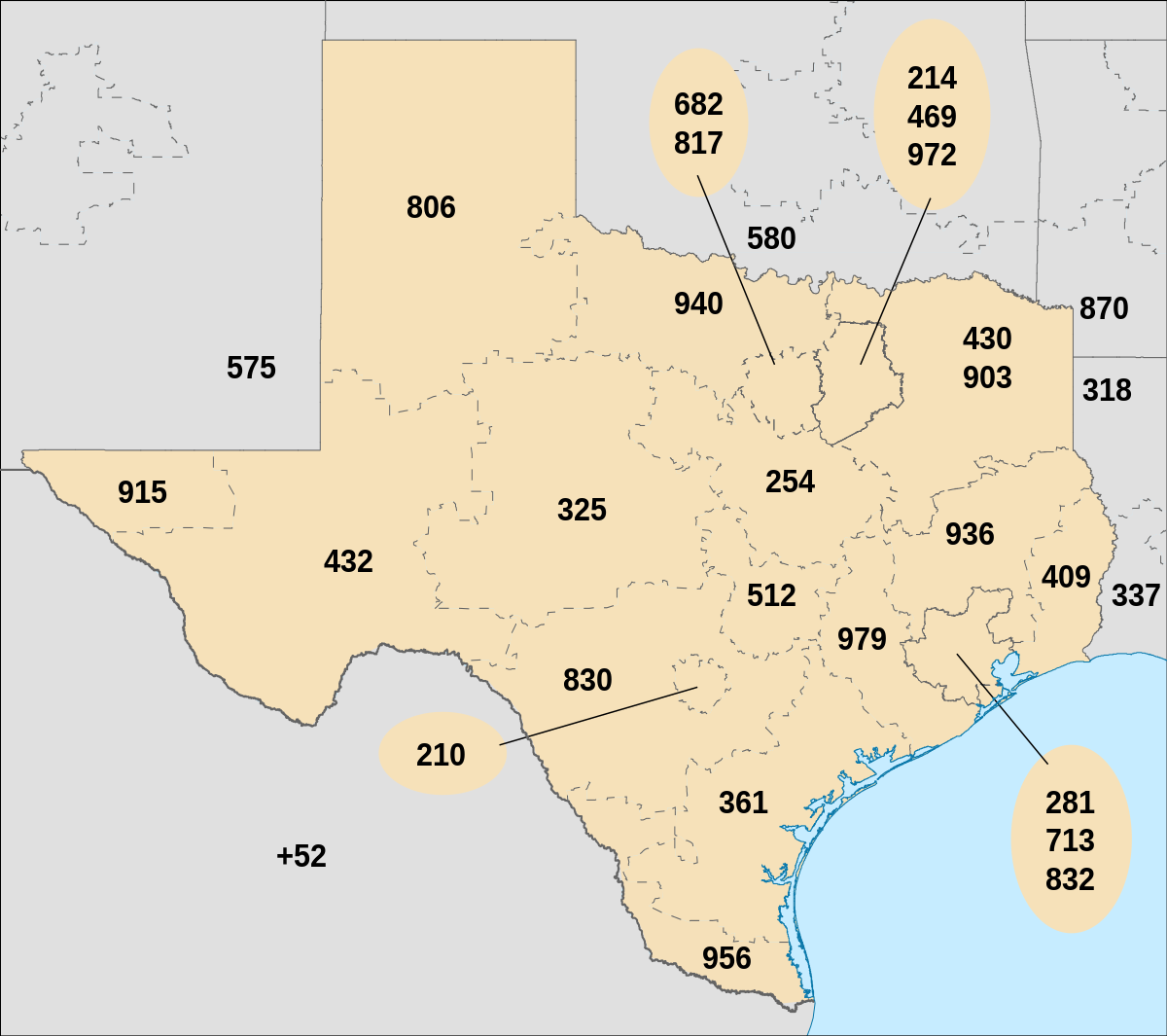
Texas’s telecommunications landscape is a complex but navigable one, characterized by a significant number of area codes serving its diverse geographical and demographic makeup. Unlike some states with a single, overarching code, the sheer scale of Texas necessitates a layered approach to ensure sufficient phone number availability. This includes a combination of geographically assigned codes and overlay codes, which cover the same geographic areas but are assigned to new phone numbers.
The introduction of overlay codes is a common practice in telecommunications to alleviate number exhaustion within a given geographic region. When the pool of available numbers for a particular area code begins to dwindle, a new area code is superimposed over the existing one. This allows for the creation of millions of new phone numbers without requiring existing users to change their numbers. However, it also means that residents and businesses within the overlay region will need to start using ten-digit dialing – the area code plus the seven-digit local number – for all calls, even local ones. This transition, while initially requiring an adjustment, becomes second nature for those living and working in these areas.
For visitors, this means a crucial reminder: always dial the full ten digits when making a call within Texas, even if you believe you are calling locally. This practice helps avoid misdialed numbers and ensures your connection reaches its intended destination. Understanding the basic structure of these codes can demystify the process and make your communication efforts smoother, whether you’re booking a room at the Hilton Dallas Park Cities or calling to confirm a tour of the Alamo in San Antonio.
The Major Metropolitan Hubs: A Tale of Multiple Codes
Texas’s most populous areas are often the ones with the most intricate area code systems. These urban centers, magnets for business, tourism, and residential growth, have seen the introduction of multiple area codes to accommodate their expanding populations.
The Dallas-Fort Worth Metroplex
The Dallas-Fort Worth Metroplex, a sprawling economic powerhouse, is served by a multitude of area codes. The original code for the region, 214, still covers much of the core city of Dallas. However, as the Metroplex grew, overlay codes were introduced to ensure a steady supply of phone numbers.
The 469 area code was overlaid onto the 214 region, covering many of the same suburban and urban areas of Dallas. This means that residents and businesses in parts of Dallas and its surrounding communities might have numbers with either 214 or 469.
Further expanding the reach of the Metroplex, the 972 area code was introduced to cover many of the outer suburbs of Dallas, extending into areas like Plano and Frisco. This code also serves some parts of Fort Worth.
The city of Fort Worth itself, along with its western and northern suburbs, primarily uses the 817 area code. However, to address number growth in this dynamic area, the 682 area code was introduced as an overlay to 817. Therefore, if you’re looking for accommodation in Fort Worth, you might encounter hotels or rental properties with either 817 or 682 prefixes.
Most recently, to further alleviate number strain in the rapidly expanding northeastern quadrant of the Metroplex, the 945 area code was introduced as an overlay for the 469 and 972 regions. This indicates the continuous evolution of the numbering plan to keep pace with growth. For travelers exploring attractions like Six Flags Over Texas or planning a stay at a luxury resort like The Ritz-Carlton, Dallas, keeping these codes in mind can be helpful for making local arrangements.
Houston and Surrounding Areas
Houston, the largest city in Texas, and its vast surrounding metropolitan area are also covered by several area codes. The original area code for Houston was 713. As the city and its suburbs continued to expand, new area codes were introduced to meet demand.
The 281 area code was introduced as an overlay for the 713 region, covering many of the suburban areas around Houston. This code is widely used throughout the Greater Houston area, encompassing cities like Sugar Land and The Woodlands.
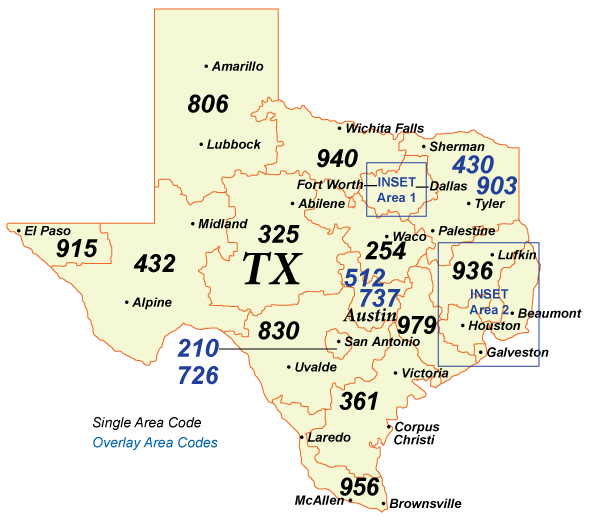
To further enhance numbering capacity, the 346 area code was introduced as another overlay for the 713 and 281 regions. This ensures a robust supply of numbers for the continued growth of this dynamic urban center.
Further north and west of Houston, the 936 area code serves a broader region that includes areas like Conroe and extends towards East Texas. This code serves a more rural and semi-urban character compared to the immediate Houston core.
For those planning to explore Houston’s vibrant food scene, visit the Space Center Houston, or seek out unique accommodations like boutique apartments, understanding these area codes can facilitate seamless communication with local providers.
San Antonio and Central Texas
San Antonio, a city steeped in history and culture, is primarily served by the 210 area code. This code covers the city of San Antonio and some of its immediate surrounding areas.
As the population in and around San Antonio continued to grow, the 726 area code was introduced as an overlay to the 210 region. This ensures a sufficient number of phone lines for the expanding population and businesses.
Central Texas, a region encompassing cities like Austin and Waco, has its own distinct set of area codes. The vibrant capital city of Austin is predominantly served by the 512 area code. However, due to significant population growth, the 737 area code was introduced as an overlay for the 512 region, covering Austin and its surrounding communities.
To the north of Austin, the 254 area code serves a large portion of Central Texas, including cities like Waco and Temple. This area has a mix of urban centers and more rural landscapes.
For travelers interested in the historical missions of San Antonio, the live music scene in Austin, or the natural beauty of the Texas Hill Country, being aware of these area codes can be beneficial when booking tours or making inquiries.
Beyond the Major Cities: Exploring the Rest of Texas
While the major metropolitan areas often capture the spotlight, Texas is a state rich in diversity, with many other cities and regions each having their own designated area codes. These codes serve a wide range of communities, from growing suburban towns to smaller cities with unique cultural identities and vast stretches of rural countryside.
West Texas and the Panhandle
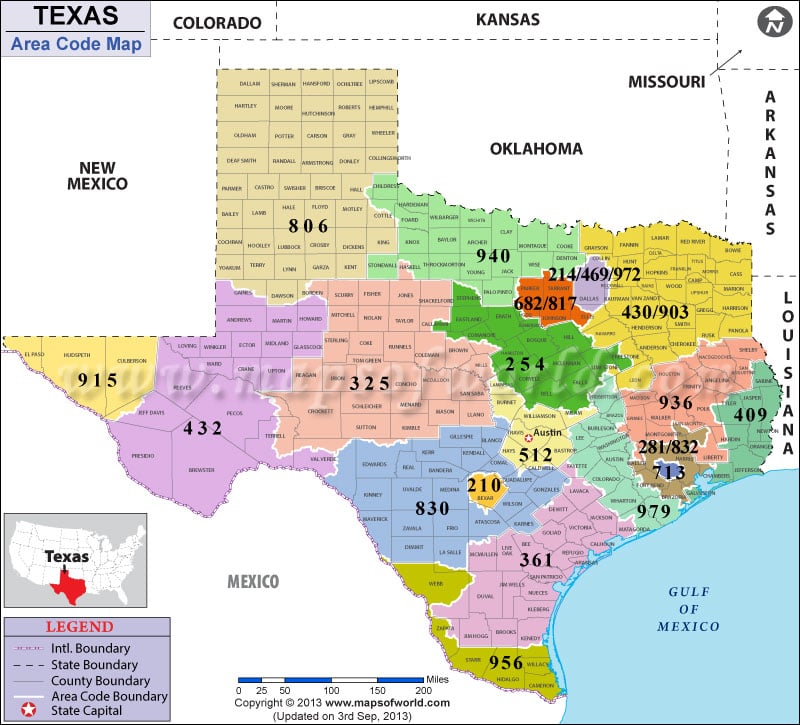
In the sprawling landscapes of West Texas, the 432 area code serves a vast geographical area. This region includes cities like Midland, Odessa, and El Paso, though El Paso also has its own distinct code. The 915 area code is exclusively for El Paso and its immediate vicinity, a unique cultural and economic hub bordering Mexico.
The Texas Panhandle, known for its flat terrain and agricultural importance, is primarily served by the 806 area code. This code covers cities like Amarillo and Lubbock, each offering unique experiences for travelers, from the Palo Duro Canyon State Park to the vibrant arts scene in Lubbock.
East Texas and the Gulf Coast
East Texas, with its piney woods and southern charm, is covered by several area codes. The 903 area code serves a large portion of East Texas, including cities like Tyler and Sherman. Further south and east, the 409 area code covers the Texas Gulf Coast region, including cities like Beaumont and extending towards Galveston. This area is popular for its coastal attractions and seafood.
North Texas and Beyond
North Texas, outside of the immediate Dallas-Fort Worth Metroplex, also has its own designated codes. The 940 area code serves a large portion of North Texas, including cities like Wichita Falls and extends into areas that are more rural.
Understanding these various area codes is not just about making phone calls; it’s about connecting with the diverse fabric of Texas. Whether you’re booking a stay at a charming bed and breakfast in the Hill Country, planning an adventure to Big Bend National Park, or seeking out local recommendations for the best Tex-Mex in Corpus Christi, knowing the area code of the region you’re contacting can be an invaluable piece of information. It’s a small detail that contributes to a smoother and more informed travel experience, allowing you to fully immerse yourself in the Lone Star State.