
Texas is a land of superlatives: vast, diverse, and undeniably captivating. From the bustling metropolitan skylines of Dallas and Houston to the serene, rolling hills of the Texas Hill Country and the rugged wilderness of Big Bend National Park, the Lone Star State offers an unparalleled array of experiences for every type of traveler. Whether you’re planning a luxurious urban escape, a family adventure exploring historical landmarks, a solo journey into nature, or a business trip requiring seamless connectivity, understanding the state’s geography and infrastructure is key.
Amidst the grandeur and hospitality, a seemingly small detail like area codes plays a surprisingly significant role in navigating your Texas journey. More than just three-digit prefixes, these codes are geographical identifiers that subtly delineate regions, hinting at their unique character, local culture, and the types of attractions and accommodations you might find. For a visitor, knowing which area code corresponds to a particular destination can streamline everything from booking a charming boutique hotel in Austin to reserving a table at a renowned San Antonio River Walk restaurant or contacting local tour operators for a desert excursion. This comprehensive guide delves into the intricate tapestry of Texas area codes, revealing how they connect you to the heart of its most cherished destinations and local lifestyles, ensuring your travel and accommodation planning is as smooth as a Texas sunset.
A Historical Tapestry of Texas Telecommunications
The telecommunications landscape of Texas has evolved dramatically over the decades, mirroring the state’s explosive population growth and economic development. What began with just a handful of area codes to cover the vast expanses of the state has transformed into a complex network of splits and overlays, designed to keep pace with demand for phone lines and cellular services. Understanding this evolution not only provides context for the current system but also offers insights into how different regions of Texas grew and developed, attracting both residents and an ever-increasing stream of tourists.
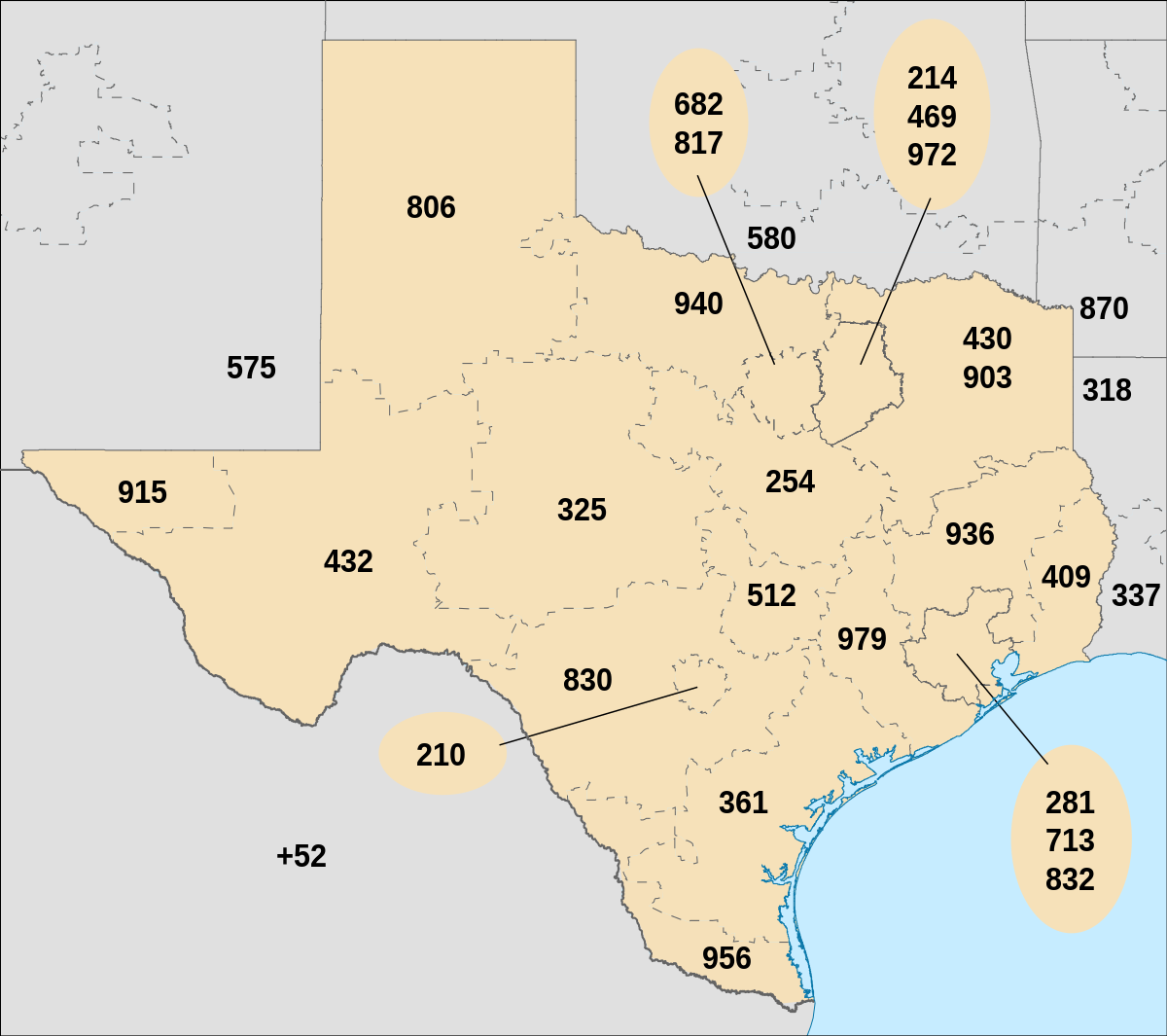
In the mid-20th century, when area codes were first introduced, Texas was initially divided into just five primary codes: 214 for Dallas and North Texas, 713 for Houston and Southeast Texas, 512 for Austin and Central Texas, 806 for the Panhandle, and 915 for West Texas including El Paso. These early divisions reflected the state’s major population centers and geographical clusters. As cities like Dallas, Houston, Austin, and San Antonio boomed, becoming magnets for business, culture, and tourism, the demand for phone numbers skyrocketed. This led to a series of “splits,” where existing area codes were divided, and new ones were introduced to cover newly designated territories. For instance, 210 was carved out of 512 to serve San Antonio, and 281 emerged from 713 to accommodate Houston’s expanding suburbs.
More recently, the advent of “overlay” area codes has become common. Unlike splits, overlays introduce a new area code into the same geographic region as an existing one, requiring 10-digit dialing even for local calls. This strategy prevents the need for residents and businesses to change their phone numbers, a convenience for established hotels, attractions, and local services. For travelers, this means that dialing a local number in a major metropolitan area like Dallas or Houston will always require the area code, even if it’s the same one you’re currently in. This system underscores the sheer volume of telecommunications activity and the vibrant, growing lifestyle of Texas’s urban centers, which continue to attract millions of visitors seeking diverse experiences and top-tier accommodation.
Decoding Texas: Area Codes by Region and Experience
Exploring Texas is an adventure in itself, with each region offering distinct attractions, culinary delights, and accommodation options. Linking these experiences to their respective area codes provides a useful framework for trip planning, ensuring you’re always connected to the local pulse.
The Urban Heartlands: Dallas-Fort Worth Metroplex (214, 469, 972, 945)
The Dallas-Fort Worth Metroplex, a sprawling hub of commerce, culture, and entertainment, is primarily served by an intricate overlay system involving area codes 214, 469, 972, and the newer 945. This region is a lifestyle destination, perfect for those seeking luxury travel, vibrant nightlife, and world-class attractions.
- Dallas: The core of Dallas falls under these codes, offering magnificent landmarks like the Dallas Arts District, home to stunning architecture and museums. Visitors can find luxury hotels and sophisticated suites in areas like Uptown Dallas, catering to both business and leisure travelers. The city’s thriving food scene, from upscale dining to trendy boutique cafes, is a testament to its vibrant tourism.
- Fort Worth: Just a short drive west, Fort Worth maintains its distinct “Cowboy Culture” while embracing modernity. The Fort Worth Stockyards National Historic District offers a glimpse into the Old West, while Sundance Square provides contemporary entertainment and boutique stays. The surrounding areas, including Arlington, home to AT&T Stadium, share these area codes, making it seamless for visitors to connect.
Greater Houston and the Gulf Coast (713, 281, 832, 346)
The dynamic metropolis of Houston and its coastal neighbors are served by another dense overlay system: 713, 281, 832, and the newer 346. This region is a melting pot of cultures, offering diverse experiences from space exploration to beach relaxation.
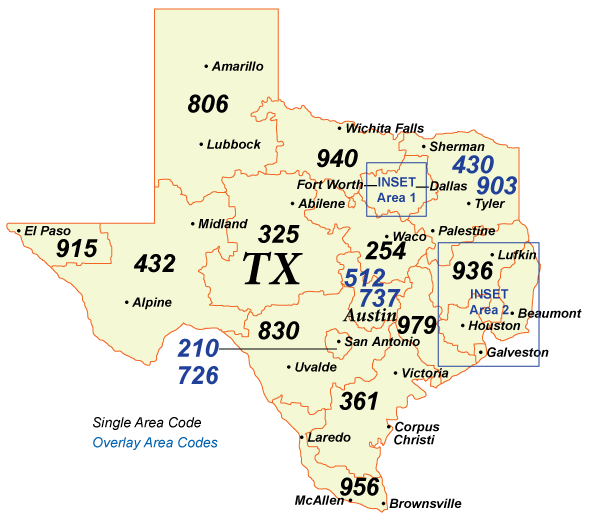
- Houston: As the energy capital of the world, Houston boasts incredible attractions like Space Center Houston and the renowned Museum District. Accommodation ranges from towering luxury hotels in the downtown area, popular with business travelers, to more budget-friendly options throughout the city. The city’s diverse food scene, reflecting its international population, is a major draw for tourism.
- Galveston Island: Southeast of Houston, Galveston Island (also covered by 409) offers historic charm and beautiful beaches. Family resorts, charming bed and breakfasts, and vacation rentals provide ample accommodation choices for those seeking a coastal getaway.
The Capital and Hill Country Charm: Austin and San Antonio (512, 737, 210, 830, 726)
Central and South-Central Texas showcase the state’s vibrant cultural heritage and natural beauty. This region is a hotbed for tourism, offering a blend of historical landmarks, live music, and outdoor adventures.
- Austin: The state capital, known as the “Live Music Capital of the World,” is covered by 512 and its overlay, 737. Austin is famous for its eclectic lifestyle, landmarks like the Texas State Capitol, and the energetic Sixth Street. Boutique hotels and trendy apartments cater to its artistic and tech-savvy visitors.
- San Antonio: Rich in history and culture, San Antonio uses 210 and its new overlay 726. Home to iconic landmarks such as The Alamo and the picturesque San Antonio River Walk, the city offers historic hotels and family-friendly accommodation along the river. Its unique blend of Texan and Mexican cultures makes it a top destination.
- Texas Hill Country: Spanning a beautiful region west of Austin and San Antonio, the Hill Country is primarily 830. This area is renowned for its wineries, charming small towns like Fredericksburg (known for its B&Bs and German heritage), and natural attractions like New Braunfels with its rivers and waterparks. It’s ideal for nature lovers, budget travelers, and those seeking serene getaways.
West Texas Wonders: El Paso and Big Bend (915, 432)
Venturing west, Texas transforms into vast, rugged landscapes, distinct border culture, and awe-inspiring national parks.
- El Paso: Situated at the westernmost tip, El Paso exclusively uses 915. This vibrant border city offers a unique blend of American and Mexican cultures, with landmarks like Franklin Mountains State Park providing stunning desert views. Accommodation ranges from modern city hotels to more traditional stays.
- Midland, Odessa & Big Bend: The sprawling area of West Texas, including the oil-rich cities of Midland and Odessa, and the majestic Big Bend National Park and Guadalupe Mountains National Park, is served by 432. This region caters to adventurers and nature enthusiasts, with accommodation options including park lodges, budget-friendly motels for road trippers, and extended-stay options for business visitors in the Permian Basin.
Practical Implications for Travelers and Residents
For anyone traveling through or relocating to Texas, a clear understanding of its area code system offers significant practical advantages. It simplifies communication, aids in planning, and contributes to a smoother overall experience.
- 10-Digit Dialing is Standard: In most of Texas’s populous regions, particularly those with overlay area codes (like Dallas, Houston, and Austin), 10-digit dialing (area code + 7-digit number) is mandatory even for local calls. This is a critical piece of information for visitors, whether they’re calling a local taxi, making a reservation at a restaurant, or contacting their hotel’s front desk. Always assume you need to dial the area code.
- Forward Planning for Destinations: When researching accommodations, attractions, or services in different Texas cities, take note of their area codes. This small detail can prevent confusion when you arrive and need to make local calls. Tour guides, rental car agencies, and local businesses will all operate within their specific area code or overlay.
- Accommodation and Business Connectivity: Hotels, resorts, and vacation rentals often highlight their local phone numbers. For those planning an extended stay or business trip, knowing the area code of their lodging location helps them integrate quickly with local services, from food delivery to ride-sharing. The presence of multiple area codes in a region also signifies robust business and tourism infrastructure, often indicating a wider range of accommodation types, from luxurious resorts to apartments and villas.
- Emergency Services: While 911 remains the universal emergency number, understanding the local context of an area code can sometimes be helpful, particularly in rural regions where cell service might be spotty and local knowledge paramount.
- Lifestyle and Local Immersion: Area codes are more than just numbers; they are ingrained in local identity. For many Texans, their area code is a point of pride, signifying their connection to a specific city or region. For travelers seeking to immerse themselves in local culture, understanding these subtle geographical markers adds another layer to their experience.
Navigating Texas: A Comprehensive List of Area Codes
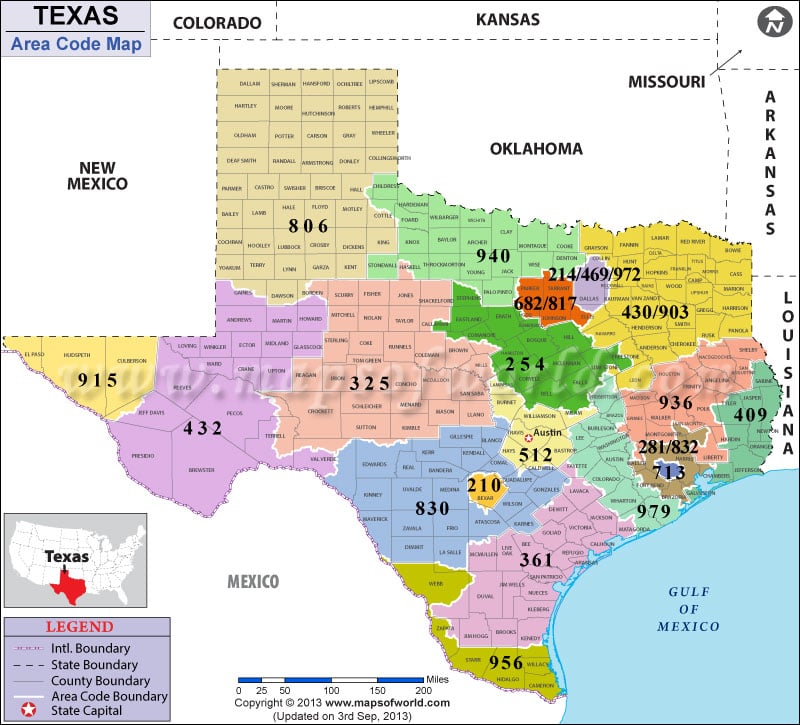
To aid in your Texas travels and planning, here is a comprehensive list of the current area codes, along with their primary service regions. Remember, many urban areas utilize overlay codes, meaning multiple codes serve the same geographic region, requiring 10-digit dialing.
- 210: San Antonio and surrounding areas
- 214: Dallas and surrounding areas (overlay with 469, 972, 945)
- 254: Central Texas, including Waco, Killeen, and Temple
- 281: Houston and surrounding areas (overlay with 713, 832, 346)
- 325: West-Central Texas, including Abilene and San Angelo
- 346: Houston and surrounding areas (overlay with 713, 281, 832)
- 361: South Texas coast, including Corpus Christi and Victoria
- 409: Southeast Texas, including Beaumont, Galveston, and Port Arthur
- 430: East Texas (overlay with 903)
- 432: West Texas, including Midland, Odessa, and the Big Bend region
- 469: Dallas and surrounding areas (overlay with 214, 972, 945)
- 512: Austin and surrounding areas (overlay with 737)
- 682: Fort Worth and surrounding areas (overlay with 817)
- 726: San Antonio and surrounding areas (overlay with 210)
- 737: Austin and surrounding areas (overlay with 512)
- 806: Texas Panhandle, including Amarillo and Lubbock
- 817: Fort Worth and surrounding areas (overlay with 682)
- 830: Texas Hill Country, including New Braunfels, Fredericksburg, and Uvalde
- 832: Houston and surrounding areas (overlay with 713, 281, 346)
- 903: East Texas, including Tyler, Longview, and Texarkana (overlay with 430)
- 915: El Paso
- 936: East-Central Texas, including Conroe and Huntsville
- 940: North Texas, including Denton and Wichita Falls
- 945: Dallas and surrounding areas (overlay with 214, 469, 972)
- 956: Rio Grande Valley, including Laredo, Brownsville, and South Padre Island
- 972: Dallas and surrounding areas (overlay with 214, 469, 945)
- 979: Brazos Valley, including Bryan and College Station
In conclusion, understanding the area codes in Texas is more than just a technicality; it’s a helpful tool for unlocking a richer, more connected travel experience. These three-digit identifiers serve as silent guides, directing you through the state’s diverse regions, from bustling urban centers offering luxury travel and business stays to tranquil hill country retreats ideal for family trips or budget travel. As you plan your next adventure, whether it involves exploring historic landmarks, indulging in local cuisine, booking exceptional accommodation, or immersing yourself in the unique lifestyle of the Lone Star State, keep this guide handy. It’s a small detail that can make a big difference, ensuring you’re always just a phone call away from Texas’s incredible hospitality and unforgettable attractions.