
Montana, often hailed as “Big Sky Country,” conjures images of vast, untamed wilderness, towering mountains, and crystal-clear rivers. While its natural beauty is undeniable and a massive draw for travelers seeking adventure and respite, the state also boasts vibrant urban centers that serve as hubs for commerce, culture, and community. For those planning a trip to Montana, understanding its largest cities can provide valuable insights into where to stay, what to explore, and how to experience the diverse tapestry of this Western state. These urban oases offer a blend of modern amenities and a distinct Montana flavor, often acting as gateways to the state’s renowned natural wonders.

The definition of “biggest” can be multifaceted, encompassing population size, economic influence, and cultural significance. When we speak of the biggest cities in Montana, we are primarily referring to those with the largest populations, as this metric directly correlates with the availability of accommodations, dining options, and a breadth of activities. These cities are not only significant for their residents but also for tourists who seek a balance of convenience and access to the surrounding natural landscapes. They offer a comfortable base from which to launch explorations into places like Glacier National Park, the Yellowstone National Park region, and countless other breathtaking destinations.
Exploring Montana’s Urban Landscape
Montana’s urban development has been shaped by its history, from its roots in mining and agriculture to its growth as a center for tourism and technology. Unlike densely populated coastal regions, Montana’s cities offer a more spacious and relaxed urban experience, often seamlessly blending with their natural surroundings. Even the largest of Montana’s cities retain a sense of community and a connection to the outdoors that is characteristic of the state. This makes them ideal for travelers who appreciate both city comforts and immediate access to nature.
Billings: The Magic City of the Yellowstone River
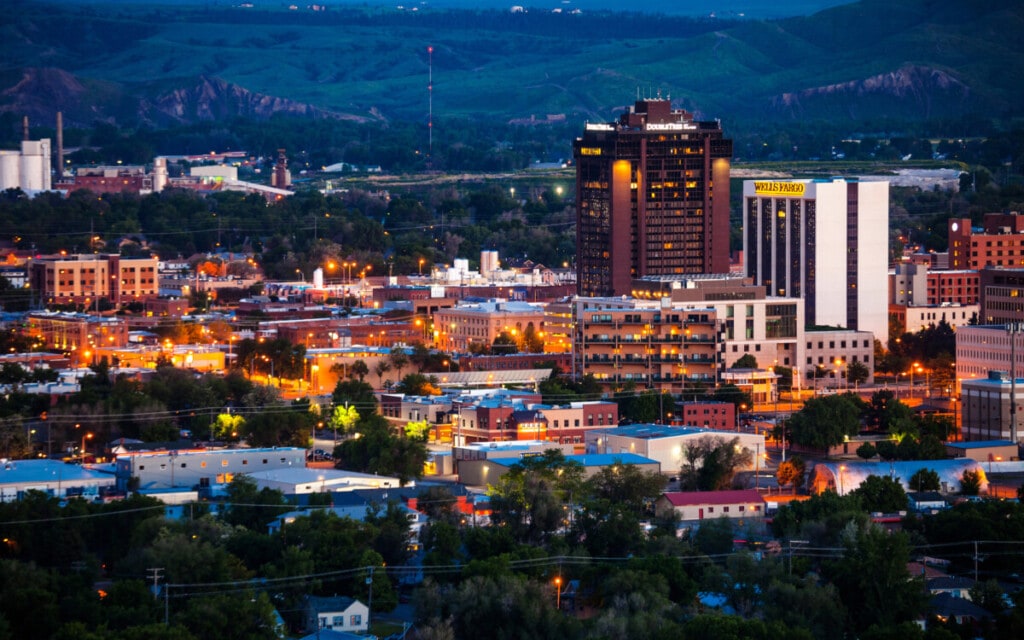
Dominating the southeastern corner of Montana, Billings stands as the state’s most populous city. Nicknamed the “Magic City,” a moniker reflecting its rapid growth following the arrival of the Chicago, Burlington and Quincy Railroad in 1907, Billings has evolved into a significant economic and cultural hub. Its strategic location along the Yellowstone River provides a picturesque backdrop and recreational opportunities, while its status as a regional medical and retail center draws people from across the state and surrounding areas.
For travelers, Billings offers a surprising array of attractions and a solid foundation for exploring southeastern Montana. The downtown area boasts a revitalized core with charming shops, art galleries, and a burgeoning culinary scene. Visitors can explore the Western Heritage Center, which delves into the region’s rich history, or enjoy a stroll along the Yellowstone River with its scenic walking paths. A short drive away, the dramatic rock formations of the Pompeys Pillar National Monument offer a glimpse into ancient history, including the only surviving physical evidence of the Lewis and Clark Expedition.
Accommodations in Billings cater to a wide range of preferences and budgets. From well-known hotel chains like the Hilton Garden Inn and Courtyard by Marriott to unique boutique options, travelers will find comfortable places to rest. For those seeking a more immersive experience, vacation rentals and apartments provide a home-away-from-home feel, perfect for longer stays or family trips. The city’s extensive dining scene ranges from casual diners serving hearty Montana fare to upscale restaurants offering contemporary cuisine. This makes Billings an excellent starting point for any Montana adventure, providing all the necessary amenities while remaining close to the stunning landscapes that define the state.
Missoula: The Winding River City of the Mountains
Nestled in the heart of western Montana’s mountainous terrain, Missoula is the state’s second-largest city and a vibrant hub for culture, education, and outdoor recreation. Situated in the picturesque Clark Fork River Valley, surrounded by five mountain ranges, Missoula is renowned for its youthful energy, largely influenced by the presence of the University of Montana. This academic institution infuses the city with a dynamic spirit, fostering a thriving arts scene, a diverse culinary landscape, and a strong commitment to environmental stewardship.
Travelers drawn to Missoula will find a city that effortlessly blends urban sophistication with rugged natural beauty. The downtown area is a delight to explore, featuring independent bookstores, eclectic boutiques, and a plethora of breweries and restaurants. The Clark Fork River itself is a central feature, offering opportunities for kayaking, rafting, and fly fishing, as well as scenic riverside trails for walking and biking. For those interested in history and culture, the Historical Museum at Fort Missoula provides insights into the region’s past, while various art galleries showcase local and regional talent.
The proximity of Missoula to some of Montana’s most iconic natural destinations makes it an ideal base for exploration. Glacier National Park is a manageable drive to the north, offering unparalleled opportunities for hiking, wildlife viewing, and scenic drives along the Going-to-the-Sun Road. To the south, the vast wilderness areas offer more opportunities for adventure.
Accommodation options in Missoula are as varied as its attractions. Travelers can choose from comfortable hotels like the Holiday Inn and Best Western, or opt for more unique stays in boutique hotels or vacation rentals. For those seeking an extended stay or a more secluded experience, cabins and lodges on the outskirts of the city offer a chance to connect with nature while still being close to urban conveniences. The culinary scene in Missoula is a highlight, with a strong emphasis on fresh, local ingredients and a diverse range of international flavors. This city truly offers a comprehensive Montana experience, blending a lively urban atmosphere with easy access to the wild heart of the state.
Great Falls: Gateway to the Missouri River Country
Located in north-central Montana, Great Falls is the state’s third-largest city and a significant center for commerce and transportation. Named for the series of waterfalls on the Missouri River, the city plays a crucial role in the region’s economy and serves as a key gateway to the stunning landscapes of northern Montana. Its history is deeply intertwined with the Lewis and Clark Expedition, which famously portaged around the series of cascades that give the city its name.

For visitors, Great Falls offers a unique blend of history, art, and outdoor adventure. The Lewis and Clark National Historic Trail Interpretive Center is a must-visit, providing an immersive experience of the expedition’s journey. Art enthusiasts will appreciate the C.M. Russell Museum Complex, dedicated to the life and work of the renowned Western artist, offering an extensive collection of his paintings and sculptures. The city also boasts several parks and recreational areas along the Missouri River, perfect for fishing, boating, and scenic walks.
Great Falls is also a strategic location for those looking to explore the vast beauty of Montana. It’s a convenient stopping point en route to the dramatic vistas of the Glacier National Park or the expansive plains that stretch towards the Canadian border. The Malmstrom Air Force Base also contributes to the city’s demographic and economic landscape.
Accommodations in Great Falls are plentiful, catering to both business and leisure travelers. You’ll find a range of hotels, from well-established brands like Fairfield Inn & Suites and Hampton Inn to more independent establishments. For longer stays or a more personal touch, apartment rentals and vacation homes are also available. The city’s dining options reflect its diverse population, offering everything from classic American diners to international cuisines. Great Falls provides a welcoming and convenient base for exploring the historical and natural wonders of north-central Montana.
Smaller, Yet Significant Cities
While Billings, Missoula, and Great Falls stand out in terms of population, Montana is dotted with other cities and towns that hold significant cultural, historical, or economic importance. These smaller urban centers often serve as vital community anchors and gateways to specific regional attractions, offering a more intimate and perhaps even more authentic Montana experience for those willing to venture beyond the largest population hubs.
Bozeman: The High-Tech Hub in the Mountains
Nestled in the picturesque Gallatin Valley at the foot of the Bridger Mountains, Bozeman has experienced remarkable growth in recent years, making it one of Montana’s fastest-growing cities and a major economic and cultural center. While its population may be slightly less than Great Falls, its influence, particularly in the tech and outdoor recreation sectors, is immense. Bozeman is a vibrant college town, home to Montana State University, which contributes to its youthful energy, innovative spirit, and diverse cultural offerings.
For travelers, Bozeman is a premier destination, particularly for those seeking world-class outdoor adventures. It’s the primary gateway to Yellowstone National Park, offering convenient access to the park’s northern and western entrances. The surrounding mountains provide unparalleled opportunities for hiking, skiing at Big Sky Resort, fishing in the Gallatin River, and exploring vast wilderness areas.
The city itself boasts a charming and bustling downtown area filled with boutiques, art galleries, craft breweries, and an impressive array of restaurants serving farm-to-table cuisine. The Museum of the Rockies at Montana State University is a significant attraction, featuring impressive dinosaur fossil collections and exhibits on regional history and geology. The blend of a sophisticated urban environment with immediate access to rugged wilderness makes Bozeman a truly unique destination.
Accommodation in Bozeman ranges from luxury resorts and boutique hotels to comfortable inns and vacation rentals. Many hotels cater specifically to outdoor enthusiasts, offering gear storage and adventure planning services. Given its popularity, booking accommodations well in advance is highly recommended, especially during peak travel seasons for visiting Yellowstone National Park. Bozeman embodies the modern Montana lifestyle, where innovation and a deep appreciation for the outdoors go hand in hand.
Helena: The Historic State Capital
As the capital of Montana, Helena holds a unique place in the state’s urban landscape. Situated in the scenic Prickly Pear Valley in the western part of the state, Helena is rich in history, with a well-preserved Victorian architecture that speaks to its prosperous past as a major gold mining center. The city’s downtown area is a living museum, with beautifully restored buildings housing government offices, unique shops, and charming cafes.
For history buffs and cultural explorers, Helena offers a wealth of attractions. The Montana State Capitol Building is an architectural marvel, offering tours that highlight its history and grandeur. The Montana Historical Society Museum provides a comprehensive overview of the state’s past, from its Native American heritage to its pioneer days. The Last Chance Gulch, Helena‘s historic main street, is perfect for a leisurely stroll, featuring a pedestrian mall lined with interesting shops and eateries.
Beyond its historical significance, Helena also offers access to the natural beauty of its surroundings. Canyon Ferry Lake, a large reservoir just east of the city, is a popular spot for boating, fishing, and other water activities. The nearby Gates of the Mountains Wilderness offers hiking and scenic boat tours, providing breathtaking views of dramatic limestone cliffs and the Missouri River.
Accommodation in Helena includes a range of hotels, motels, and bed and breakfasts, many of which are located in or near the historic downtown area, allowing for easy exploration on foot. For those seeking a quieter experience, vacation rentals in the surrounding hills offer scenic views and a sense of seclusion. Helena offers a more tranquil and historically-focused urban experience, providing a fascinating glimpse into Montana’s formative years while still offering access to outdoor recreation.
In conclusion, while Montana is celebrated for its vast natural landscapes, its cities play a crucial role in shaping the state’s identity and offering essential services and cultural experiences for residents and visitors alike. From the bustling economic hub of Billings and the vibrant college town of Missoula to the historically rich Great Falls and the rapidly growing Bozeman, each of Montana’s largest cities offers a distinct flavor and a unique set of attractions. Helena, as the state capital, provides a deep dive into Montana’s past. For any traveler, understanding these urban centers is key to unlocking a more complete and rewarding experience of the Big Sky Country.