
Understanding the demographics of a region is crucial for anyone planning a visit, whether for leisure, business, or an extended stay. For Oklahoma, a state known for its diverse landscapes and rich history, its people are as varied and interesting as its attractions. The demographic profile of the Sooner State offers valuable insights for travelers seeking authentic experiences, businesses looking to connect with local communities, and individuals considering a move or a long-term accommodation. This exploration delves into the age, ethnicity, education, and economic makeup of Oklahoma’s population, providing a comprehensive picture that can inform your travel plans, accommodation choices, and overall appreciation of the state’s lifestyle.

The People of Oklahoma: A Closer Look at the Population
The demographic landscape of Oklahoma is a tapestry woven from various threads, reflecting both its historical settlement patterns and contemporary migration trends. As of recent estimates, Oklahoma is home to a population of over 3.9 million individuals, making it the 28th most populous state in the United States. This number, while substantial, doesn’t tell the whole story. The distribution of this population across the state, the prevailing age groups, and the ethnic diversity all contribute to the unique character of Oklahoma. Understanding these foundational elements is key to grasping the state’s cultural nuances, its economic drivers, and the types of experiences available to visitors.
Age Distribution: A Balanced and Evolving Population
The age structure of Oklahoma is relatively balanced, with a mix of younger generations, working-age adults, and a significant senior population. This distribution has direct implications for the types of tourism and lifestyle opportunities available. For instance, a robust younger demographic might translate to a more vibrant nightlife scene in cities like Oklahoma City and Tulsa, while a growing senior population could fuel demand for quieter, more relaxed destinations and specific amenities.
- Children and Young Adults (0-19 years): This segment constitutes a notable portion of Oklahoma’s population, indicating a relatively young state with a continued future workforce and consumer base. This demographic is a key audience for family-friendly attractions, theme parks, and educational tourism experiences. Think of the numerous historical sites that offer engaging programs for younger visitors, or the outdoor recreation areas perfect for family outings.
- Working-Age Adults (20-64 years): This is the largest demographic group, driving the state’s economy and shaping its workforce. Businesses and travelers interested in the economic pulse of Oklahoma will find this group to be a significant factor. This segment also influences the demand for a wide range of accommodations, from budget-friendly hotels for business travelers to upscale resorts for weekend getaways.
- Seniors (65+ years): Oklahoma has a substantial and growing population of seniors. This demographic often seeks comfortable and accessible accommodations, along with attractions that offer a more relaxed pace. This includes historical sites, cultural centers, and natural landscapes that are easily navigable. The presence of this group also influences the healthcare and service industries within the state.
This age distribution influences everything from the types of festivals and events held throughout the year to the demand for specific types of restaurants and entertainment venues. Understanding who makes up the majority in different age brackets can help travelers tailor their experiences to align with their own age group or to seek out activities that cater to specific generational interests.
Ethnic and Racial Composition: A Diverse and Growing Mosaic
Oklahoma‘s ethnic and racial makeup is a fascinating blend, shaped by its history as a destination for Native American tribes, European settlers, and later waves of immigration. This diversity enriches the state’s cultural landscape, influencing its cuisine, arts, music, and traditions.
- White Population: The largest single ethnic group in Oklahoma is of White ethnicity, a common characteristic of many United States states. However, within this broad category lies a rich heritage of various European ancestries.
- Native American Population: Oklahoma has a deeply significant and thriving Native American population. Home to numerous federally recognized tribes, including the Cherokee Nation, Choctaw Nation, Chickasaw Nation, Muscogee (Creek) Nation, and Seminole Nation, this heritage is a cornerstone of Oklahoma‘s identity. Visitors can explore this rich history and vibrant culture at tribal museums, cultural centers, and through attending traditional events and festivals. Landmarks like the Trail of Tears National Historic Trail offer profound insights into this history.
- Hispanic/Latino Population: The Hispanic or Latino population in Oklahoma has been steadily growing, contributing to the state’s cultural dynamism. This influence is particularly evident in the culinary scene, with an increasing number of authentic Mexican and Latin American restaurants across the state.
- Black or African American Population: Oklahoma also has a notable Black or African American population, particularly concentrated in its larger cities. This community has played a vital role in the state’s history and culture, with contributions to music, arts, and civil rights. The Greenwood Cultural Center in Tulsa, commemorating the historic Greenwood district, is a powerful testament to this legacy.
- Asian Population: While smaller in proportion, the Asian population in Oklahoma is diverse and growing, bringing varied cultural influences to the state.
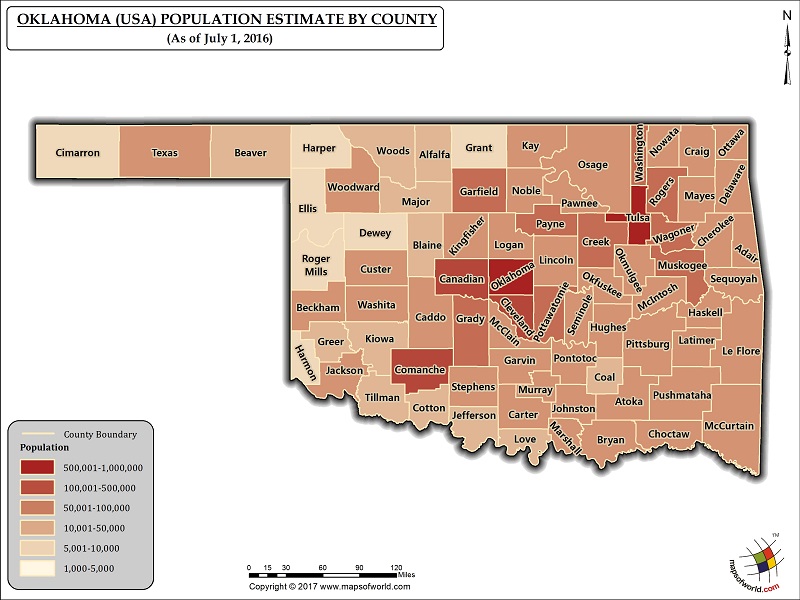
This ethnic mosaic means that Oklahoma offers a rich tapestry of cultural experiences. From exploring Native American heritage sites and museums to savoring diverse cuisines and enjoying varied cultural festivals, travelers can immerse themselves in the state’s multicultural fabric. Understanding these demographics can guide travelers towards specific cultural tours, culinary adventures, and historical explorations that offer deeper insights into the state’s people.
Socioeconomic Landscape: Education, Income, and Employment
The socioeconomic factors of a region significantly impact its development, the services it offers, and the overall lifestyle it provides. For Oklahoma, its educational attainment, income levels, and employment sectors paint a picture of a state with a strong industrial base, a growing service sector, and an increasing focus on higher education. These elements are crucial for understanding the economic opportunities available, the types of businesses that thrive, and the general standard of living, which in turn affects travel and accommodation expectations.
Educational Attainment: A Growing Focus on Knowledge
Educational attainment is a key indicator of a region’s human capital and its potential for innovation and economic growth. Oklahoma has been making strides in improving its educational landscape, with increasing numbers of residents pursuing higher education and vocational training.
- High School Graduates: A significant majority of Oklahoma‘s adult population holds a high school diploma, reflecting a foundational level of education.
- Associate’s and Bachelor’s Degrees: The percentage of residents with an associate’s or bachelor’s degree has been steadily rising, particularly in urban centers like Oklahoma City and Tulsa. This is supported by a network of universities and colleges, such as the University of Oklahoma and Oklahoma State University, which are also major tourist attractions for prospective students and their families.
- Advanced Degrees: While still a smaller segment, the number of Oklahoma residents with master’s, professional, or doctoral degrees is also growing, indicating an increasing pool of highly skilled professionals.
This focus on education influences the types of industries that are prominent in Oklahoma, such as aerospace, energy, and technology. For travelers, it means a population that is generally well-informed and often engaged in discussions about current events and broader societal trends. It also suggests a strong presence of academic institutions that may host cultural events, lectures, or sports competitions, adding to the state’s tourism offerings.

Income and Employment: Economic Drivers and Lifestyle Opportunities
The income levels and employment sectors in Oklahoma are diverse, shaped by its natural resources, industrial development, and evolving economy. Understanding these factors provides insight into the state’s economic health and the lifestyle opportunities it offers.
- Key Industries: Historically, Oklahoma has been a major player in the energy sector, particularly oil and natural gas. This continues to be a significant employer and economic driver. However, the state has diversified its economy to include strong sectors in aerospace, agriculture, manufacturing, and a growing technology and healthcare industry. This diversification means a range of employment opportunities and a stable economic environment for many residents.
- Median Household Income: The median household income in Oklahoma generally aligns with the national average, though it can vary between urban and rural areas. This figure provides a general understanding of the purchasing power of its residents and influences the demand for various goods and services, including travel and accommodation.
- Employment Trends: The employment landscape is characterized by a mix of skilled labor in manufacturing and technology, as well as a strong service sector. This leads to a varied job market that attracts professionals from different fields.
For travelers, these socioeconomic factors mean that Oklahoma offers a spectrum of experiences. In areas with higher income and more developed industries, you might find luxury accommodations, fine dining, and high-end retail. In other regions, the focus might be on budget-friendly travel, exploring the state’s natural beauty, and enjoying its rich history at more accessible price points. The economic stability of the state also supports a consistent flow of tourism, ensuring that attractions and accommodations are generally well-maintained and accessible year-round. The presence of specific industries can also create business travel opportunities, leading to a steady demand for hotels and conference facilities.
In conclusion, the demographics of Oklahoma present a compelling picture of a state with a rich cultural heritage, a diverse and evolving population, and a dynamic socioeconomic landscape. From its youthful energy to its seasoned seniors, its Native American roots to its growing Hispanic community, Oklahoma is a state of many faces. Understanding these demographic nuances is not just an academic exercise; it’s a key to unlocking a more profound and enjoyable experience, whether you are planning a short visit to a landmark like the Golden Driller, seeking out a comfortable accommodation in Tulsa, or simply looking to immerse yourself in the authentic Oklahoma lifestyle. The people, their backgrounds, and their economic realities are the foundation upon which the state’s attractions, accommodations, and unique travel experiences are built, making Oklahoma a destination that rewards curiosity and encourages exploration.