
The Hawaiian archipelago, a jewel of the Pacific Ocean, is a chain of volcanic islands renowned for its breathtaking natural beauty, rich cultural heritage, and vibrant aloha spirit. While many visitors are drawn to the allure of its famous beaches and lush landscapes, a fundamental aspect of understanding this island paradise lies in knowing its constituent parts. The state of Hawaii is comprised of a significant number of islands, islets, and atolls, but for the purposes of travel and understanding its distinct character, the focus typically falls on the eight main islands. Each of these islands possesses a unique identity, shaped by its geological formation, history, and the communities that call it home. Delving into the names and characteristics of these islands is an essential first step for any traveler seeking to fully appreciate the diversity and wonder of Hawaii.
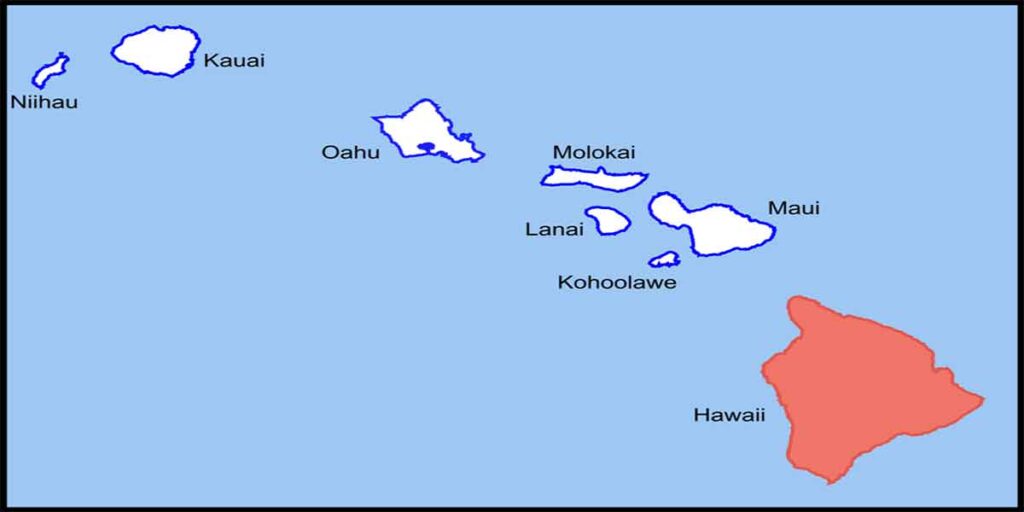
The Major Islands of Hawaii
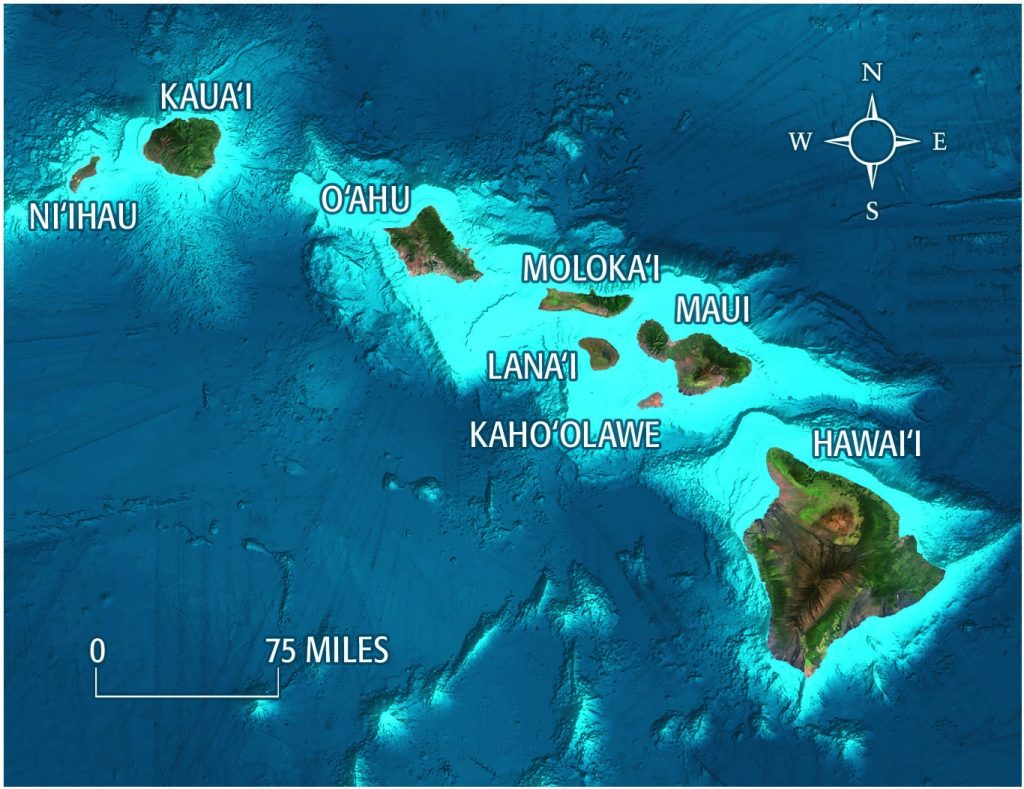
The Hawaiian Islands are broadly categorized into two main groups: the Northwestern Hawaiian Islands and the much more populated and frequently visited Main Hawaiian Islands. The latter are the ones that most travelers will encounter and are the subject of most discussions regarding Hawaiian vacations. These islands, stretching from the northwest to the southeast, were formed by volcanic activity over millions of years, with the southeastern islands being the youngest and most geologically active. Understanding these eight primary landmasses provides a comprehensive framework for exploring the archipelago.
Kaua’i: The Garden Isle
Often referred to as the “Garden Isle,” Kaua’i is the fourth-largest island in the Hawaiian Islands and the oldest geologically among the main islands. Its dramatic cliffs, emerald valleys, and pristine beaches have earned it a reputation as a haven for nature lovers and adventurers. The island’s lush interior is characterized by dense rainforests, cascading waterfalls, and the awe-inspiring Nā Pali Coast, a rugged stretch of sea cliffs that are accessible by boat, helicopter, or challenging hiking trails.
Key Attractions and Features of Kaua’i
On Kaua’i, visitors can explore the dramatic canyons of Waimea Canyon State Park, often dubbed the “Grand Canyon of the Pacific.” This park offers stunning vistas and numerous hiking opportunities. The island is also home to the Wailua River, the only navigable river in Hawaii, where visitors can take boat tours to see the Fern Grotto. The charming towns of Hanalei and Poipu offer a glimpse into local life, with boutique shops, art galleries, and a variety of dining options. For those seeking relaxation, the beaches of Kaua’i, such as Poʻipū Beach and Hanalei Bay, provide idyllic settings for sunbathing, swimming, and water sports. The island’s commitment to preserving its natural beauty is evident in its many protected natural areas and its focus on eco-tourism.
O’ahu: The Gathering Place
O’ahu is the third-largest and most populous of the Hawaiian Islands, serving as the political and economic heart of the state. Its nickname, “The Gathering Place,” aptly describes its role as a hub for culture, commerce, and tourism. O’ahu is a dynamic island that blends the bustling energy of a major city with the laid-back charm of island life. From the iconic shores of Waikīkī Beach to the historic sites of Pearl Harbor, the island offers a diverse range of experiences.
Experiencing the Diversity of O’ahu
The capital city of Honolulu is located on O’ahu, offering world-class dining, shopping, and entertainment. Visitors can explore the historic Iolani Palace, the only royal palace in the United States, or immerse themselves in the vibrant atmosphere of Chinatown. For those interested in history, Pearl Harbor is a significant memorial and museum complex. The island’s North Shore is legendary for its big wave surfing during the winter months, attracting professional surfers and spectators from around the globe. Towns like Haleiwa provide a charming contrast to the urban environment, with their surf shops, art galleries, and local eateries. Hiking opportunities abound, including the famous Diamond Head hike, which offers panoramic views of Waikīkī and the coastline. O’ahu truly embodies the spirit of Hawaii, offering something for every type of traveler.
Moloka’i: The Friendly Isle
Moloka’i, the fifth-largest island, is known as “The Friendly Isle.” It is often characterized by its strong sense of Hawaiian culture and its commitment to preserving traditional ways of life. Unlike its more developed neighbors, Moloka’i has seen limited development, making it a destination for those seeking an authentic and unhurried experience. The island is a place where time seems to slow down, allowing visitors to connect with the natural beauty and the warmth of its people.
Unspoiled Beauty and Rich Heritage on Moloka’i
The island’s dramatic north shore features some of the world’s highest sea cliffs, plunging thousands of feet into the ocean. The historic Kalaupapa National Historical Park, once a leper colony, is a place of profound historical significance and offers a unique insight into Hawaii’s past. Moloka’i is also renowned for its undeveloped beaches and its vibrant coral reefs, making it a prime spot for snorkeling and diving. The small towns of Kaunakakai and Maunaloa offer a glimpse into the island’s laid-back lifestyle, with local markets and a strong sense of community. The island’s commitment to preserving its natural and cultural heritage makes it a special destination for those who appreciate simplicity and authenticity.
Lāna’i: The Pineapple Isle
Lāna’i, the sixth-largest island, was once the world’s largest producer of pineapples, earning it the nickname “The Pineapple Isle.” Today, it is largely privately owned and offers a more secluded and luxurious escape. The island is characterized by its dramatic landscapes, including the unique Garden of the Gods (Keahiakawir), a rocky, otherworldly terrain. Lāna’i caters to a more exclusive clientele, with high-end resorts and a focus on tranquility and privacy.
Seclusion and Luxury on Lāna’i
While much of Lāna’i is covered by former pineapple plantations, the island boasts stunning natural beauty. The town of Lāna’i City is the primary settlement, offering a quiet charm. Visitors can explore the rugged interior with a 4×4 vehicle, visit the scenic overlooks, or enjoy the pristine beaches. The resort areas, such as those in Hūlōlā and Manele Bay, offer world-class amenities, championship golf courses, and opportunities for water activities like snorkeling and diving. The focus here is on relaxation and enjoying the natural splendor in a more private setting.
Maui: The Valley Isle
Maui, the second-largest island, is often called “The Valley Isle” due to the vast central valley that separates its two major volcanic mountain ranges. Maui is a hugely popular tourist destination, celebrated for its diverse landscapes, from the sun-drenched beaches of Kā’anapali and Wailea to the otherworldly volcanic crater of Haleakalā and the lush rainforests of the Road to Hāna. The island offers a perfect blend of adventure, relaxation, and cultural experiences.
Natural Wonders and Activities on Maui
The Road to Hāna is a legendary scenic drive, winding through lush rainforests, past numerous waterfalls, and offering breathtaking coastal views. Sunrise or sunset viewed from the summit of Haleakalā National Park, a dormant volcano, is an unforgettable experience. Maui is also renowned for its beautiful beaches, ideal for swimming, surfing, and snorkeling. The town of Lahaina, a historic whaling village, offers charming shops and restaurants. Whale watching is a popular activity during the winter months, as humpback whales migrate to the warm waters off Maui’s coast. The island’s diverse geography ensures a wide array of activities, from exploring volcanic landscapes to enjoying world-class beaches and experiencing vibrant local culture.
Island of Hawai’i: The Big Island
The Island of Hawaiʻi, colloquially known as “The Big Island,” is the youngest and largest of the Hawaiian Islands. Its immense size and geological youth are reflected in its incredible diversity of landscapes, from black sand beaches to snow-capped mountains and active volcanoes. It is the only island in Hawaii with continuously erupting volcanoes, making it a truly dynamic and awe-inspiring destination.
Diverse Landscapes and Volcanic Majesty on the Big Island
Hawaiʻi Volcanoes National Park is the island’s most famous attraction, home to Kīlauea and Mauna Loa, two of the world’s most active volcanoes. Visitors can witness the power of creation and destruction, explore volcanic craters, and hike through lava tubes. The island boasts diverse climate zones, from the arid Kona coast with its coffee plantations to the verdant Hilo side with its abundant rainfall and tropical gardens. The snow-capped summit of Mauna Kea offers incredible stargazing opportunities at its world-renowned observatories. Beaches on the Big Island range from black sand (Punaluʻu Black Sand Beach) to green sand (Papakōlea Beach), offering unique geological formations. The island’s diverse ecosystems and active geology make it a fascinating destination for exploration and discovery.
Kahoʻolawe: The Forbidden Isle
Kahoʻolawe is the smallest of the eight main islands and has a complex history. Once used as a bombing range by the U.S. military, it is now undergoing extensive environmental restoration and is largely uninhabited. Due to its ongoing cleanup efforts and sacred cultural significance, access to Kahoʻolawe is restricted, and it is not a tourist destination. Its story is one of resilience and dedication to returning the island to its natural and cultural sanctity.

Historical Significance and Restoration Efforts
The history of Kahoʻolawe is deeply intertwined with Hawaiian culture and its period of military use. Efforts are ongoing to clear the island of unexploded ordnance and to restore its native vegetation. While visitors cannot currently explore Kahoʻolawe, its spiritual importance to the Native Hawaiian people and its ongoing restoration underscore its unique place within the archipelago.
Understanding the names and distinct characteristics of each of the eight main islands is fundamental to planning an enriching journey through the Hawaiian Islands. From the dramatic landscapes of Kaua’i to the vibrant city life of O’ahu, the serene charm of Moloka’i, the secluded luxury of Lāna’i, the diverse beauty of Maui, the volcanic wonders of the Big Island, and the restorative journey of Kahoʻolawe, each island offers a unique facet of the Hawaiian experience. This knowledge empowers travelers to choose destinations that best align with their interests, ensuring a deeper appreciation for the magic and diversity of this unparalleled island paradise.
LifeOutOfTheBox is a participant in the Amazon Services LLC Associates Program, an affiliate advertising program designed to provide a means for sites to earn advertising fees by advertising and linking to Amazon.com. Amazon, the Amazon logo, AmazonSupply, and the AmazonSupply logo are trademarks of Amazon.com, Inc. or its affiliates. As an Amazon Associate we earn affiliate commissions from qualifying purchases.