
The Boston Marathon, a cornerstone of running history and a dream for athletes worldwide, presents a unique challenge: achieving a qualifying time. This iconic race, part of the World Marathon Major series, isn’t just about crossing the finish line; it’s about earning your place among the elite. For many runners, the journey to Boston is as significant as the race itself, involving meticulous training, strategic race planning, and, crucially, hitting the demanding qualifying standards set by the Boston Athletic Association (BAA).
Understanding these qualifying times is the first critical step for any aspiring participant. These standards are not static; they are reviewed and sometimes adjusted to ensure the integrity and competitive nature of the event. The BAA sets these benchmarks based on age and gender, recognizing that performance levels naturally shift across different life stages. For some, the quest to qualify is a multi-year endeavor, a testament to their dedication and passion for the sport.

This article will delve into the specifics of these qualifying times, providing a clear roadmap for runners aiming to compete in one of the most prestigious marathons on Earth. We’ll explore the different age groups, the historical context of these standards, and offer practical advice on how to approach the goal of achieving them. Whether you’re a seasoned marathoner or a newcomer with ambitious aspirations, this guide will equip you with the knowledge needed to understand and conquer the Boston Marathon qualifying times.
Understanding the Boston Marathon Qualifying Standards
The Boston Marathon is renowned for its challenging qualification system, a deliberate choice by the Boston Athletic Association to maintain the race’s esteemed status. Unlike many marathons that are open to any runner who registers, Boston requires participants to demonstrate a certain level of athletic prowess by achieving specific finishing times in a certified marathon. These standards are reviewed periodically, ensuring they remain relevant and reflective of competitive running capabilities.
Age and Gender-Based Time Standards
The qualifying times are segmented by age and gender, acknowledging the physiological differences that affect running performance. These standards are designed to be challenging yet attainable for dedicated runners.
For Men:
- 18-34: 3 hours 0 minutes
- 35-39: 3 hours 5 minutes
- 40-44: 3 hours 10 minutes
- 45-49: 3 hours 20 minutes
- 50-54: 3 hours 30 minutes
- 55-59: 3 hours 40 minutes
- 60-64: 3 hours 55 minutes
- 65-69: 4 hours 10 minutes
- 70-74: 4 hours 25 minutes
- 75-79: 4 hours 40 minutes
- 80+: 4 hours 55 minutes
For Women:
- 18-34: 3 hours 30 minutes
- 35-39: 3 hours 35 minutes
- 40-44: 3 hours 40 minutes
- 45-49: 3 hours 50 minutes
- 50-54: 4 hours 0 minutes
- 55-59: 4 hours 10 minutes
- 60-64: 4 hours 25 minutes
- 65-69: 4 hours 40 minutes
- 70-74: 4 hours 55 minutes
- 75-79: 5 hours 10 minutes
- 80+: 5 hours 25 minutes
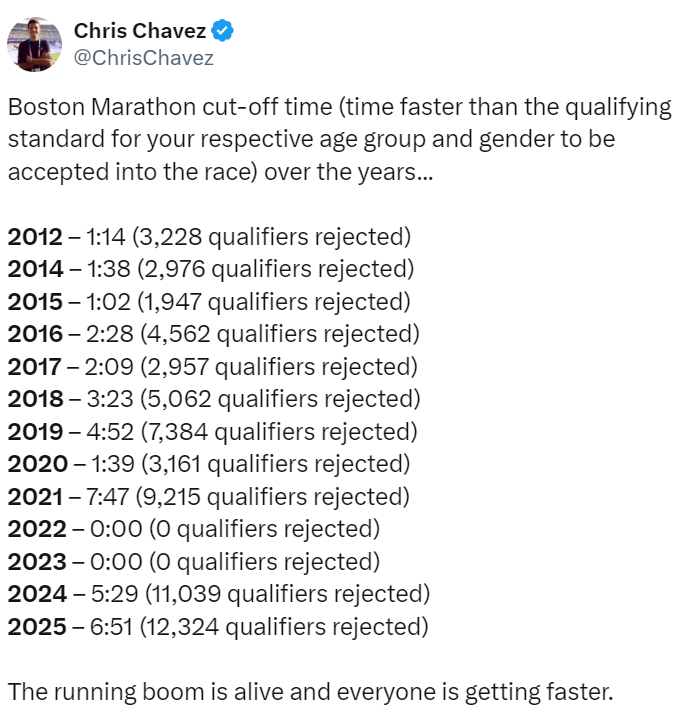
It is important to note that these are the minimum qualifying times. Achieving a time that is faster than the standard does not guarantee entry, as the BAA often closes registration once a certain number of qualified runners have registered, a process sometimes referred to as “acceptances based on Gun Time.” This means that the fastest qualifiers often get in first.
The “Run For The Ages” Initiative
In recent years, the Boston Athletic Association has introduced the “Run For The Ages” initiative. This program offers a slightly adjusted set of qualifying times for older age groups, providing an extended opportunity for seasoned runners to achieve their Boston dream. These adjusted times are generally 5 minutes slower than the standard qualifying times for the preceding age group. This demonstrates the BAA’s commitment to inclusivity and recognizing the enduring spirit of runners at all stages of life.
Qualifying Window and Certified Races
To qualify for the Boston Marathon, runners must achieve their qualifying time in a marathon that is certified by USA Track & Field (USATF) or a similar international governing body. The qualifying window typically opens approximately 16 months before the race date, allowing ample time for runners to plan their training and select a suitable race. It’s crucial to check the specific dates for the qualifying window announced by the BAA for the particular year you intend to run.
The selection of a qualifying race is a strategic decision. Runners should choose a course known for its flat profile and favorable conditions to maximize their chances of hitting their target time. Races in the fall and early spring are often popular choices, as they allow runners to peak for the Boston Marathon in April. Popular qualifying races can include events in Chicago, New York City, Philadelphia, and many others across the United States and internationally.
Strategic Approaches to Achieving Boston Qualifying Times
Earning a spot in the Boston Marathon is a significant accomplishment that requires a well-thought-out strategy. Simply running marathons and hoping for the best is rarely enough. Achieving a qualifying time necessitates a disciplined approach to training, race selection, and execution.
Crafting a Tailored Training Plan
The foundation of any successful pursuit of a Boston Qualifying (BQ) time lies in a rigorous and personalized training plan. This isn’t a one-size-fits-all endeavor. A BQ plan must consider the runner’s current fitness level, running history, available time for training, and, of course, the specific qualifying time target.
Key components of a BQ training plan typically include:

- High Mileage Weeks: Gradually building weekly mileage is essential to develop the endurance needed to sustain a faster pace for 26.2 miles. This often involves incorporating multiple long runs per week, progressively increasing their distance.
- Speed Work: To run faster, you need to train faster. Speed work, such as interval training, tempo runs, and hill repeats, helps improve your lactate threshold, running economy, and overall speed. These sessions should be strategically placed within the training cycle.
- Marathon Pace Runs: Practicing running at your goal marathon pace for extended periods is critical. This helps your body adapt to the specific physiological demands of race day and builds confidence in your ability to maintain that pace.
- Rest and Recovery: As demanding as the training is, adequate rest and recovery are equally important. This allows the body to repair and rebuild muscle tissue, preventing injury and ensuring optimal performance. Sleep, proper nutrition, and active recovery techniques are vital.
- Strength Training and Cross-Training: Incorporating strength training sessions, focusing on core strength and leg muscles, can significantly improve running form and prevent injuries. Cross-training activities like swimming or cycling can provide cardiovascular benefits without the high impact of running.
Many runners find it beneficial to work with a running coach who can design a personalized plan, monitor progress, and provide expert guidance. Online resources and running communities can also offer valuable insights and support.
The Importance of Course Selection and Race Day Strategy
Choosing the right race to attempt your BQ is as crucial as the training itself. Not all marathons are created equal when it comes to the potential for fast times.
- Course Profile: Opt for courses that are known to be flat and fast. Hilly courses or those with significant net elevation loss (which can lead to harder downhill running and increased muscle fatigue) might not be the best choice for a BQ attempt. Many major city marathons are designed with speed in mind, often featuring out-and-back or loop courses on well-maintained roads.
- Weather Conditions: Consider the typical weather patterns for the race date. Extreme heat, humidity, or strong winds can significantly impact performance. Spring and fall marathons in temperate climates are often favored.
- Pacing Strategy: On race day, sticking to your planned pace is paramount. Going out too fast is a common mistake that can lead to a significant slowdown in the later stages of the marathon. Use a GPS watch or pace bands to help you stay on target. Aim for even splits or a slight negative split (running the second half slightly faster than the first).
- Fueling and Hydration: Proper fueling and hydration during the race are critical for maintaining energy levels and preventing cramping. Experiment with different gels, chews, and hydration strategies during your long training runs to find what works best for your stomach.
Navigating the Application Process
Once you have achieved your qualifying time, the next step is to navigate the application process for the Boston Marathon. The BAA has a strict schedule for registration, and it’s essential to be aware of the key dates.
- Registration Opens: The BAA typically opens registration in phases, often prioritizing runners who achieved their qualifying times earliest in the qualifying window.
- Proof of Qualification: You will need to provide proof of your qualifying time, usually in the form of a link to the official results of your qualifying race. Ensure your qualifying race is certified and recognized by the BAA.
- Submission Deadlines: Be diligent about adhering to all submission deadlines. Missing a deadline, even by a day, can mean forfeiting your chance to enter.
The Boston Marathon application process can be competitive, especially for popular time segments. Therefore, achieving a time that is comfortably faster than the minimum qualifying standard is often advisable to increase your chances of acceptance.
Beyond the Finish Line: Experiencing Boston
Securing a spot in the Boston Marathon is an achievement that opens the door to an unforgettable experience. The city of Boston itself offers a rich tapestry of history, culture, and attractions that can enhance your race weekend and provide a well-deserved respite after the monumental effort of competing.
Exploring Boston’s Rich History and Landmarks
Boston is a city steeped in American history, and its landmarks offer a fascinating glimpse into the nation’s past. The Freedom Trail, a 2.5-mile red-lined route, winds through the heart of downtown, connecting 16 historically significant sites. Runners can walk in the footsteps of revolutionaries at places like Faneuil Hall, the Old North Church, and Paul Revere’s House.
Other notable landmarks include:
- Beacon Hill: A charming historic neighborhood with gas-lit streets and Federal-style architecture.
- Boston Common and Public Garden: The nation’s oldest public park, offering a serene escape and the iconic Swan Boats.
- USS Constitution Museum: Learn about “Old Ironsides,” the world’s oldest commissioned warship afloat.
- Museum of Fine Arts, Boston: Home to an impressive collection spanning centuries and cultures.
For those interested in academic pursuits, visiting the renowned universities of Cambridge, such as Harvard University and Massachusetts Institute of Technology (MIT), offers a glimpse into world-class educational institutions.
Culinary Delights and Local Flavors
Boston’s food scene is as diverse as its population, offering everything from traditional New England fare to innovative global cuisine. Seafood is a must-try, with iconic dishes like clam chowder and lobster rolls being local favorites. Explore the bustling Quincy Market for a variety of food stalls and local treats.
Neighborhoods like the North End offer authentic Italian dining experiences, while areas like the Seaport District showcase modern restaurants with waterfront views. Food tours can be a fantastic way to sample a range of local specialties and discover hidden culinary gems. Don’t forget to try a cannoli from one of the famous bakeries in the North End!
Accommodation Options for Every Runner
When it comes to finding a place to stay during Boston Marathon weekend, the city offers a wide array of accommodation options to suit every budget and preference. From luxurious suites to budget-friendly apartments, there’s something for every runner and their support crew.
- Luxury Hotels: For those seeking a premium experience, hotels like the Fairmont Copley Plaza or the Four Seasons Hotel Boston offer exceptional service, prime locations, and top-tier amenities. Many are conveniently located near the start or finish lines, offering easy access on race day.
- Boutique Hotels: Boston boasts numerous charming boutique hotels that provide a more intimate and personalized stay. These often feature unique designs and are situated in vibrant neighborhoods.
- Apartment Rentals and Villas: For families or groups seeking more space and the convenience of a kitchen, apartment rentals or villas through platforms like Airbnb or VRBO can be an excellent option. This allows for greater flexibility in meal preparation and a more home-like atmosphere.
- Budget-Friendly Stays: Travelers looking to manage costs can find a range of more affordable hotels and hostels on the outskirts of the city or in neighboring towns accessible by public transportation.
Booking accommodation well in advance is highly recommended, as Boston experiences a surge in visitors during the marathon period. Many hotels offer special packages for marathon participants, so it’s worth inquiring about these deals.
The Boston Marathon is more than just a race; it’s an experience that combines athletic achievement with the exploration of a historic and vibrant city. By understanding the qualifying times and planning strategically, runners can unlock the opportunity to be part of this legendary event and create lasting memories.
LifeOutOfTheBox is a participant in the Amazon Services LLC Associates Program, an affiliate advertising program designed to provide a means for sites to earn advertising fees by advertising and linking to Amazon.com. Amazon, the Amazon logo, AmazonSupply, and the AmazonSupply logo are trademarks of Amazon.com, Inc. or its affiliates. As an Amazon Associate we earn affiliate commissions from qualifying purchases.