
New York, often dubbed the Empire State, is a vibrant tapestry of iconic cities, breathtaking natural landscapes, and rich cultural experiences. From the bustling streets of New York City to the serene beauty of the Adirondacks and the majestic Niagara Falls, it’s a premier destination for travelers worldwide. Whether you’re planning a thrilling city escape, a tranquil retreat, or an enriching cultural immersion, understanding the financial landscape, particularly the sales tax, is crucial for a smooth and enjoyable trip. Sales tax can significantly impact your overall travel budget, influencing everything from the cost of your accommodation and dining experiences to your shopping sprees and the price of entry to attractions. This comprehensive guide will delve into the intricacies of sales tax in New York State, offering insights that will help you plan your finances effectively, whether you’re embarking on a luxury travel adventure, a practical budget travel excursion, a memorable family trip, or an essential business stay.
Understanding New York State Sales Tax: The Core Principles
The sales tax system in New York State is multi-layered, comprising a statewide rate augmented by local taxes that vary by county and, in some cases, by city. This means that the total sales tax you pay can differ significantly depending on your exact location within the state. For visitors and residents alike, grasping these fundamental principles is the first step towards accurate budgeting and avoiding unexpected costs.
The Basics: State and Local Rates
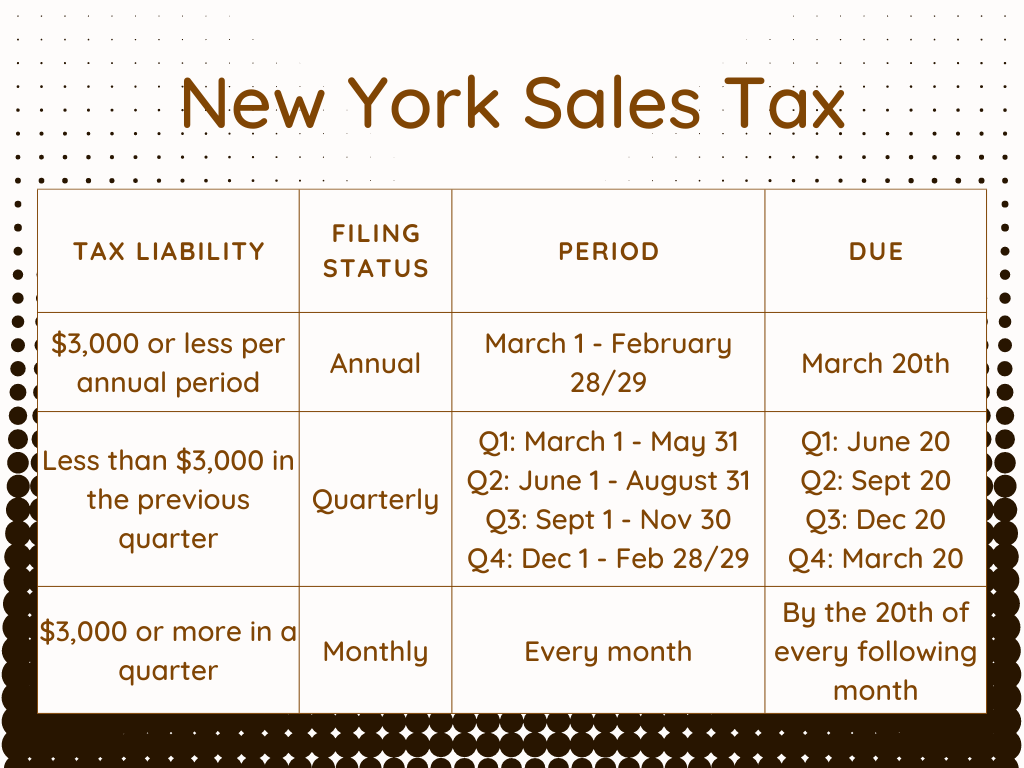
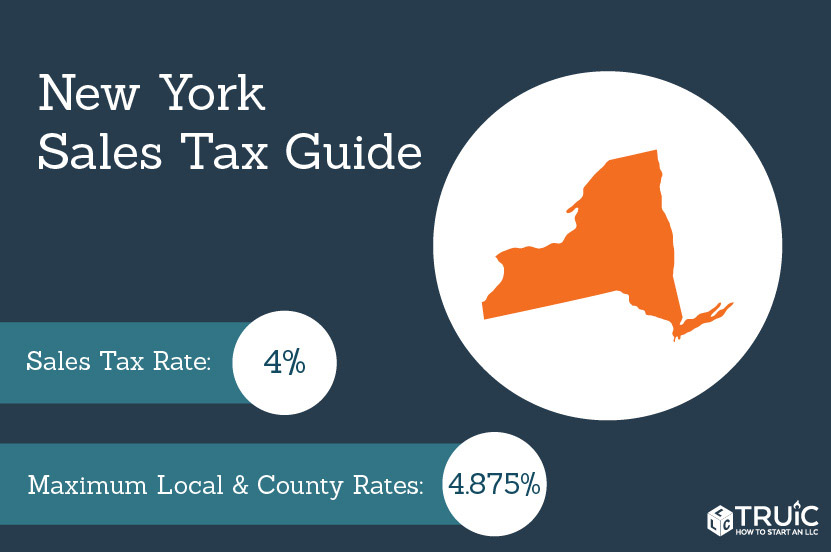
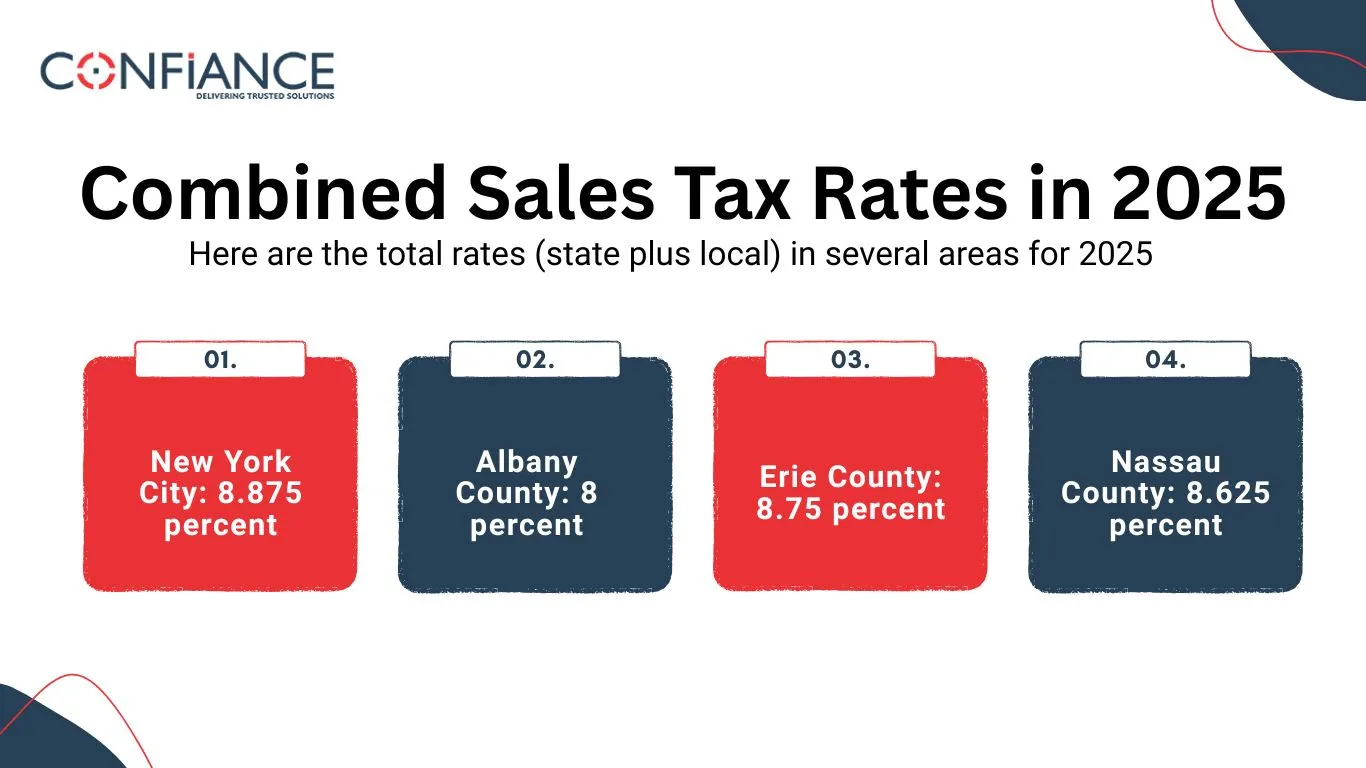
At its foundation, New York State imposes a statewide sales tax rate of 4%. However, this is rarely the final rate you’ll encounter. Most counties and many cities add their own local sales taxes on top of this state rate. For instance, New York City adds a 4.5% city sales tax and a 0.375% metropolitan commuter transportation district (MTA) surcharge. This brings the total combined sales tax rate within New York City to a substantial 8.875% (4% state + 4.5% city + 0.375% MTA surcharge).
It’s important to remember that these local rates are not uniform across the entire state. While New York City has one of the highest combined rates, other regions like Long Island or Buffalo may have different county-specific additions. For instance, a county might have a 4% state tax plus a 4% county tax, totaling 8%. This variability underscores the importance of being aware of the specific sales tax rate in any destination you plan to visit within New York State, especially when making significant purchases or budgeting for extended stays. Understanding these nuances is a key component of effective trip planning, whether you are comparing hotels for the best value or estimating the total cost of an entire holiday package.
What’s Taxable and What’s Exempt?
Generally, sales tax applies to most tangible personal property and many services sold in New York State. This includes items you might buy at a souvenir shop, electronic goods, prepared food from restaurants, and various entertainment experiences. However, there are notable exemptions that can offer some relief to your travel budget:
- Groceries: Most unprepared food items purchased at grocery stores for consumption at home are exempt from sales tax. This is particularly beneficial for travelers staying in self-catering apartments or those looking to save money on [food]https://lifeoutofthebox.com/food) costs during a long-term stay.
- Clothing and Footwear: This is a particularly interesting exemption in New York. In New York City and certain other counties, individual items of clothing and footwear costing less than $110 are exempt from local sales tax. However, the 4% statewide sales tax still applies to these items. If an item costs $110 or more, both state and local sales taxes are applied. This nuance means that while you might save on the local portion of the tax for many purchases, the state tax will almost always be present. This exemption can be a pleasant surprise for shoppers exploring the boutiques and department stores of New York City.
- Certain Services: While many services are taxable, some, like medical services or certain educational services, are exempt. For travelers, it’s generally safe to assume that most services directly related to tourism, such as guided tours or spa treatments within resorts, will be subject to sales tax.
Understanding these taxable items and exemptions allows you to make more informed purchasing decisions, helping you to manage your overall lifestyle expenses while enjoying the myriad offerings of New York.
Sales Tax and Your Travel Experience in New York
The impact of sales tax extends deeply into various aspects of your travel experience, from where you lay your head at night to how you spend your leisure hours exploring the state’s vibrant tourism sector. Being informed about these costs is essential for any traveler, whether you’re seeking cultural immersion, historical insights, or simply a relaxing getaway.
Accommodation: Hotels, Resorts, and More
One of the largest components of any travel budget is accommodation. In New York, the sales tax on hotels, resorts, apartments, and other lodging options can add a significant percentage to your bill. Beyond the standard state and local sales tax, many municipalities, particularly major tourist hubs, impose additional occupancy taxes.
In New York City, for example, you’ll encounter not only the 8.875% combined sales tax but also an additional 5.875% hotel occupancy tax, plus a flat $1.50 per room per night. This means that a $300 hotel room in New York City could easily have an additional $40-$50 in taxes and fees, dramatically increasing the actual cost of your stay. When considering booking an accommodation, it’s vital to look at the total price, including all taxes and fees, not just the nightly rate advertised. This is particularly crucial for those planning a long-term stay or for businesses arranging business stays, where these cumulative costs can truly add up. Websites offering comparison tools for lodging often include these details, but it’s always wise to double-check the final price before confirming your reservation.
Dining and Entertainment
New York’s culinary scene is world-renowned, from Michelin-starred restaurants to iconic street food vendors. When dining out, prepared [food]https://lifeoutofthebox.com/food), restaurant meals, and beverages are subject to the full combined sales tax rate of the locality. This applies whether you’re enjoying a gourmet meal near Times Square, grabbing a quick slice of pizza, or savoring local delicacies in upstate New York. Tipping, which is customary and often expected in the US, is calculated on the pre-tax amount of your bill. Factor both sales tax and tip into your dining budget, especially if you plan on experiencing New York’s diverse food scene extensively.
Beyond dining, the vast array of activities and entertainment experiences available in New York also come with sales tax attached. This includes tickets for Broadway shows, admission to world-class museums like the Metropolitan Museum of Art or the Museum of Modern Art, sightseeing tours, and even tickets to sporting events. For example, a ticket to see a show on Broadway will have the 8.875% New York City sales tax applied. When budgeting for these quintessential New York experiences, always anticipate the additional sales tax. For budget travel enthusiasts, being mindful of these cumulative costs can help in prioritizing which attractions to visit and which [food]https://lifeoutofthebox.com/food) experiences to indulge in.
Navigating Sales Tax as a Visitor
For visitors, the sales tax system can sometimes feel complex. However, with a few key pieces of information and smart planning, you can navigate these costs effectively and ensure your focus remains on enjoying your New York adventure.
Shopping and Souvenirs
Shopping is an integral part of many travel experiences, and New York offers everything from high-fashion boutiques to quirky souvenir shops. As mentioned, the sales tax on clothing and footwear is nuanced: items under $110 are exempt from local sales tax in New York City and some other counties, but the 4% state tax still applies. For items priced at $110 or more, both state and local taxes are levied. This means a new pair of designer shoes priced at $150 in New York City would incur the full 8.875% sales tax, adding over $13 to the cost.
For other merchandise, such as electronics, books, jewelry, or memorabilia purchased at landmarks like the Empire State Building or the Statue of Liberty, the full combined state and local sales tax rate will apply. When budgeting for souvenirs or significant purchases, always factor in this additional percentage. This is particularly important for those on [budget travel]https://lifeoutofthebox.com/budget-travel) who need to stretch every dollar. Keeping the sales tax in mind when comparing prices can help you make informed decisions and manage your spending more effectively.
Understanding Receipts and Refunds
In New York, sales tax is always added at the point of sale and itemized on your receipt. You will see a separate line item for “Sales Tax” or “NY Sales Tax” on most purchase receipts. This transparency helps you confirm the amount of tax paid and track your expenditures. It’s a good habit to glance at your receipts, especially for larger purchases or during your initial days in a new area, to confirm the applicable sales tax rate.
Unlike some countries, the United States, including New York State, does not offer a sales tax refund program for international visitors. Sales tax is a consumption tax paid by all consumers, regardless of residency or nationality. Therefore, there’s no mechanism to claim back sales tax paid on purchases when you leave the state or country. Understanding this prevents any misconceptions and ensures that visitors budget accurately without anticipating refunds. While there are no sales tax refunds, keeping track of your receipts can be useful for personal budgeting and reviews of your trip expenses. Our tips section on smart spending can further assist in optimizing your financial planning.
Beyond the City: Sales Tax in Upstate New York and Other Regions
While New York City often takes center stage, New York State offers an incredibly diverse range of destinations, each with its own charm and, importantly, its own sales tax rate. Exploring areas beyond the metropolis means encountering different local tax structures, which can impact the cost of your adventures.
For instance, if your travel plans include the serene beauty of the Finger Lakes region, known for its wineries and natural splendor, or a winter sports trip to Lake Placid in the Adirondacks, the combined sales tax rate will likely be lower than in New York City. Counties like Erie County (home to Buffalo) or Monroe County (where Rochester is located) have their own county sales tax rates, which, when combined with the state’s 4%, result in a total rate that typically falls between 7% and 8%. Similarly, a visit to Albany, the state capital, or the picturesque Hudson Valley and Catskill Mountains will involve different local sales tax calculations.
These regional variations are vital for travelers engaging in different types of lifestyle experiences. A nature-focused retreat in a cabin in the Adirondacks might have lower overall sales tax expenses on lodging and local purchases compared to a bustling urban experience. Conversely, a luxury travel escape to The Hamptons on Long Island, while outside New York City, might still feature higher local taxes and service charges that contribute to an elevated overall cost.
Understanding these geographical distinctions is essential for thorough planning, especially for those venturing beyond the popular urban centers. It enables you to adjust your spending estimates for hotels, dining, shopping, and local activities based on your specific itinerary. Consulting a reliable guide or the New York State Department of Taxation and Finance website for current local rates in your chosen destination is always a smart move. This diligence ensures that whether you’re admiring the architecture of Syracuse, delving into the history of Albany, or simply enjoying the local culture in any part of the state, your financial planning is as robust as your travel dreams.
Conclusion
Navigating the sales tax in New York State doesn’t have to be a daunting task. By understanding the combination of state and local rates, recognizing taxable and exempt items, and anticipating additional charges like hotel occupancy taxes, you can effectively manage your travel budget. Whether your journey takes you to the iconic landmarks of New York City, the serene landscapes of upstate New York, or a vibrant mix of both, being informed about sales tax is a crucial step towards a seamless and enjoyable experience.
From booking your accommodation and planning your dining experiences to budgeting for shopping and attractions, incorporating sales tax into your financial calculations will prevent unexpected costs. This allows you to truly immerse yourself in the rich local culture, explore the diverse destinations, and create unforgettable memories, confident that your financial planning is as solid as your itinerary. Happy travels in the Empire State!
LifeOutOfTheBox is a participant in the Amazon Services LLC Associates Program, an affiliate advertising program designed to provide a means for sites to earn advertising fees by advertising and linking to Amazon.com. Amazon, the Amazon logo, AmazonSupply, and the AmazonSupply logo are trademarks of Amazon.com, Inc. or its affiliates. As an Amazon Associate we earn affiliate commissions from qualifying purchases.