
California, the Golden State, beckons millions of travelers each year with its stunning coastlines, vibrant cities, iconic landmarks, and diverse natural beauty. From the bustling streets of Los Angeles and the picturesque hills of San Francisco to the sun-drenched beaches of San Diego and the serene vineyards of Napa Valley, there’s an experience for every type of adventurer. However, beyond the allure of its famous attractions like Disneyland Resort, the majestic Golden Gate Bridge, or the breathtaking vistas of Yosemite National Park, visitors and potential residents alike must consider another significant aspect of planning their trip or stay: taxes.
Understanding the tax landscape in California is paramount for effective budgeting, whether you’re embarking on a luxurious getaway, a family-friendly adventure, or exploring options for a longer-term stay. The state is renowned for having a higher cost of living compared to many other parts of the United States, and its tax structure plays a substantial role in this. For tourists, this primarily translates to higher costs for accommodation, dining, shopping, and fuel. For those considering a more permanent lifestyle change, or even a protracted stay, the broader tax implications, including income and property taxes, become crucial factors in their financial planning.
This comprehensive guide will delve into the various taxes that visitors and residents might encounter in California. Our aim is to provide clarity and practical insights, helping you to better prepare for your journey or your new chapter in the Golden State. We’ll explore how these taxes directly impact your travel budget, accommodation choices, and overall lifestyle considerations, ensuring that your focus remains on enjoying the unparalleled experiences California has to offer, rather than being surprised by hidden costs.
Understanding Consumer-Facing Taxes for Travelers
For most travelers visiting California, the most immediately noticeable taxes will be those applied directly to goods, services, and accommodation. These are the taxes that can quickly add up and impact your daily spending and overall trip budget. Being aware of these will allow you to plan your itinerary more effectively, from booking the perfect hotel suite to savoring local cuisine or picking up souvenirs.
Sales Tax: What You Pay for Goods and Services
Sales tax is perhaps the most ubiquitous tax that tourists and residents alike encounter daily. In California, sales tax is imposed on the retail sale of tangible personal property. This means nearly everything you buy, from a delicious meal at a beachfront restaurant in Santa Monica to souvenirs from a shop in Beverly Hills or even tickets to a theme park, will be subject to sales tax.
The statewide base sales tax rate in California is 7.25%. However, this is just the starting point. Many cities and counties impose their own additional district sales taxes, which are added on top of the state rate. This means the actual sales tax rate you pay can vary significantly depending on your location within the state. For instance, while the base rate applies, cities like Los Angeles and San Francisco have higher combined sales tax rates, often reaching 9.5% to 10.75% or more.
- Impact on Travel Budget: For travelers, understanding the varying sales tax rates is crucial for budgeting. A shopping spree on Rodeo Drive or a gourmet dining experience in Hollywood could see an extra 9-10% added to your bill. When planning your budget for food, entertainment, and shopping, it’s wise to factor in this additional cost. Don’t just look at the sticker price; calculate the final cost including tax.
- Common Purchases Affected:
- Dining Out: Restaurant meals, whether casual or fine dining.
- Groceries (non-staple): While most unprepared food items are exempt, prepared foods, hot meals, and certain non-food items purchased at grocery stores are taxed.
- Retail Shopping: Clothing, electronics, souvenirs, gifts, and other consumer goods.
- Attraction Tickets: Entry to theme parks like Disneyland Resort or museums.
- Car Rentals: The rental fee itself is subject to sales tax, along with other potential fees and surcharges.
- Exemptions: Essential groceries (unprepared food), certain medical devices, and some services are generally exempt from sales tax. However, the vast majority of goods and many services that tourists would utilize are subject to it.
Transient Occupancy Tax (TOT): Your Accommodation Costs
One of the most significant taxes for any traveler is the Transient Occupancy Tax (TOT), often referred to as a “hotel tax” or “lodging tax.” This tax is levied on guests who stay in hotels, motels, resorts, bed-and-breakfasts, and short-term rental accommodations (like those booked through platforms such as Airbnb or VRBO) for a period of 30 days or less. It’s a critical revenue source for local governments and directly impacts the cost of your stay.
Unlike sales tax, which has a state component, TOT is entirely a local tax. This means the rate can vary dramatically from one city or county to another. The rates typically range from 8% to 15%, but can sometimes be even higher in popular tourist destinations. For example:
-
Los Angeles City: Often around 14%.
-
San Francisco City: Usually 14% (subject to change).
-
San Diego City: Around 10.5% (plus a 2% Tourism Marketing District fee).
-
Anaheim (Orange County home to Disneyland Resort): Often 15%.
-
Palm Springs: Can be as high as 13.5%.
-
Impact on Accommodation Budget: The TOT can significantly inflate the price of your hotel or short-term rental. A room advertised at $200 per night could easily become $228-$230 or more once the TOT is applied, not to mention other potential resort fees or service charges. For a week-long stay, these taxes can add hundreds of dollars to your accommodation bill, making careful budgeting essential. This is especially true when booking luxury suites, villas, or resorts, where the higher base price means a higher absolute tax amount.
-
Booking and Comparison: When booking accommodations, always look at the total price, including all taxes and fees. Comparison websites often display base rates first, so make sure to click through to see the final cost. This is crucial for comparing different hotels, apartments, or villas and finding the best value for your trip. Long-term stays exceeding 30 days are generally exempt from TOT, which is an important consideration for those planning an extended visit or exploring options for temporary relocation.
Transportation-Related Taxes: Hitting the Road in California
California is synonymous with road trips, scenic drives along Big Sur, and exploring vast national parks like Yosemite National Park. Whether you’re renting a car or driving your own, taxes associated with transportation will be a part of your travel expenses.
Gas Tax: Fueling Your Adventures
California has some of the highest gasoline prices in the United States, and a significant portion of this cost comes from various taxes. These taxes help fund road maintenance, public transportation, and environmental initiatives.
The primary components of gas tax in California include:
-
State Excise Tax: This is a fixed per-gallon tax. It’s adjusted periodically for inflation and currently stands at over 50 cents per gallon.
-
Sales Tax: Although less straightforward than on other goods, a portion of the pump price is subject to sales tax, reflecting the local district rates.
-
Other Fees: Various other fees, such as underground storage tank fees and carbon taxes, also contribute to the final price.
-
Impact on Travel Budget: For travelers planning extensive road trips, like driving the Pacific Coast Highway from San Francisco to San Diego or exploring the deserts near Palm Springs, the high cost of fuel due to these taxes can add a substantial amount to the overall trip budget. Someone traversing the state, perhaps from Lake Tahoe down to Los Angeles, should factor in hundreds of dollars for fuel alone, depending on vehicle efficiency and mileage.
-
Budgeting Tips: If you’re renting a car, consider fuel efficiency when choosing a vehicle. Budget for fuel costs carefully, especially if your itinerary involves significant driving distances or exploring remote areas where gas stations might be fewer and prices higher.
Broader Tax Considerations for Long-Term Stays and Lifestyle
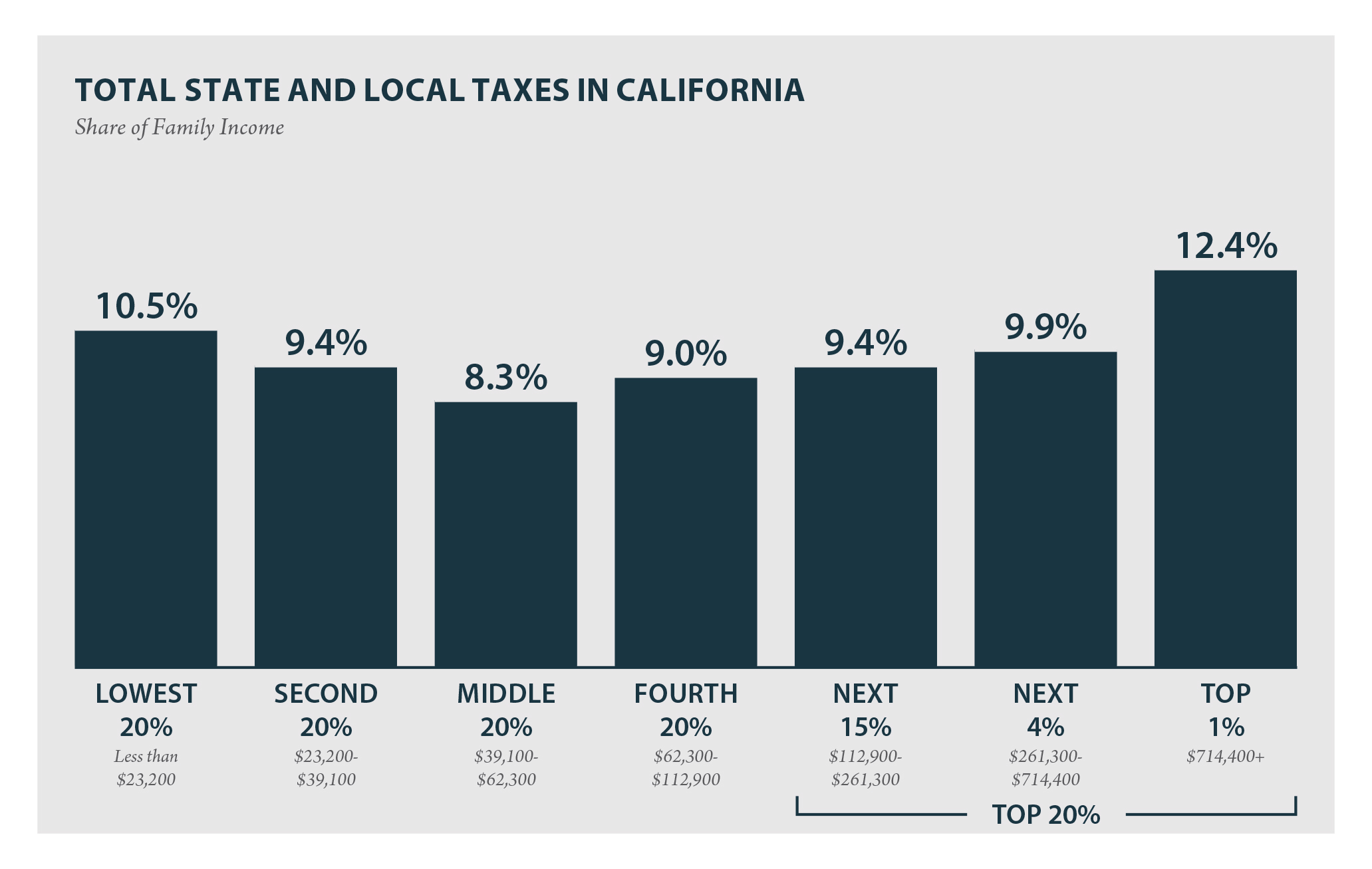
While sales tax and lodging tax are the immediate concerns for short-term visitors, those contemplating a longer stay in California, whether for remote work, extended travel, or permanent relocation, will need to consider the broader tax environment. California’s reputation for high taxes is largely driven by its income and property tax rates, which significantly influence the cost of living and overall lifestyle.
State Income Tax: For Residents and Remote Workers
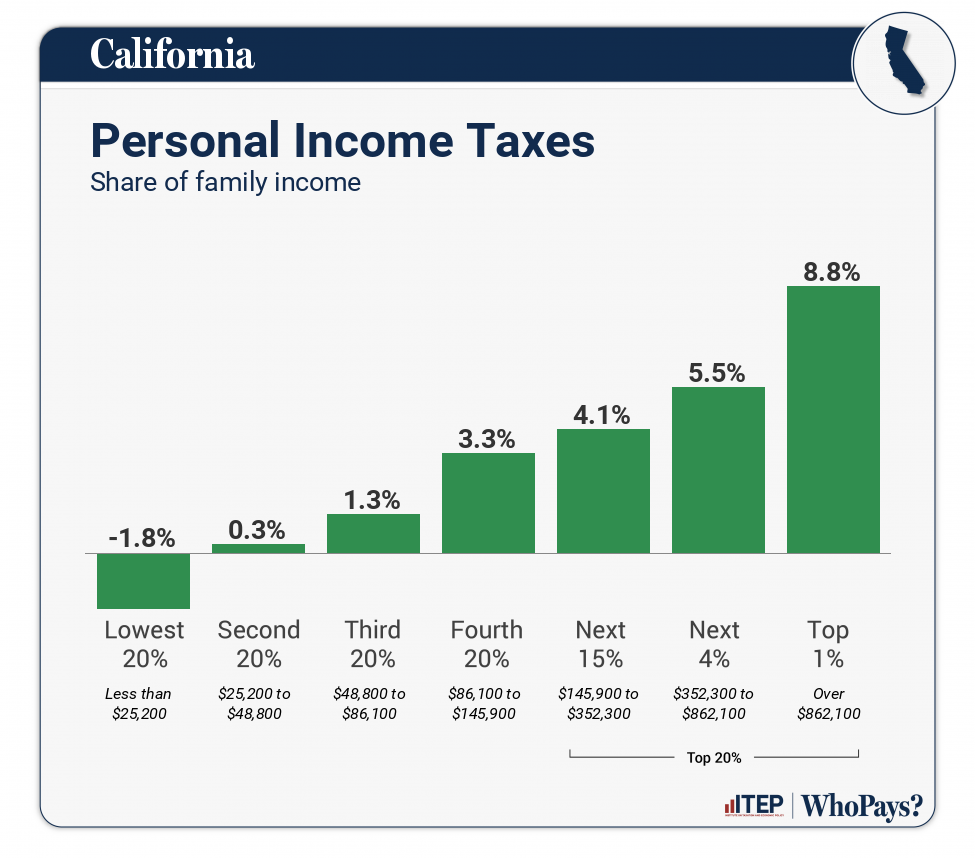
California has a progressive state income tax system, meaning higher earners pay a higher percentage of their income in taxes. This is one of the highest state income tax rates in the nation.
- Rates: The state income tax rates range from 1% to 13.3%, with the highest rates applying to the highest income brackets.
- Impact on Lifestyle and Extended Stays: For individuals considering a move to California or even extended remote work from the state, understanding these rates is crucial. A significant portion of your earnings could go towards state income taxes, impacting your disposable income and overall budget for housing, entertainment, and other lifestyle choices. Even if you’re not a permanent resident but spend a substantial amount of time working in California, you might be subject to state income tax requirements. This is a key consideration for “digital nomads” or those on long-term business stays.
- Budgeting for Relocation: If you’re exploring California with an eye towards potential relocation, factor these income tax implications into your financial planning. This helps determine what kind of lifestyle, accommodation (from apartments in San Jose to villas in Santa Barbara), and travel experiences you can comfortably afford long-term.
Property Tax: Homeownership and Long-Term Accommodation
For those thinking beyond a typical tourist visit and considering purchasing property in California for long-term residency or investment (perhaps a vacation home in Mendocino or a rental property in Carmel-by-the-Sea), property taxes become a major financial consideration.
- Calculation: Property taxes in California are generally calculated as a percentage of a property’s assessed value. Under Proposition 13, the base year value is established when a property is purchased or new construction is completed. The annual increase in assessed value is capped at 2% per year, until the property is sold again.
- Rates: While the statewide average effective property tax rate is around 0.7-0.8% of the assessed value (lower than many other states), the exceptionally high property values in many desirable California locations mean that the actual dollar amount paid in property taxes can be substantial. For example, a modest home in Los Angeles or San Francisco can have an assessed value upwards of $1 million, leading to annual property tax bills in the thousands of dollars.
- Impact on Long-Term Accommodation: For travelers dreaming of a permanent move or acquiring a vacation home, these property tax costs, combined with high home prices, form a significant part of the overall cost of living. This influences choices about where to live, whether to rent or buy, and what type of property fits within a long-term budget.
Beyond the Basics: Other Taxes and Fees to Note
While sales, lodging, income, and gas taxes are the most impactful for travelers and residents, a few other taxes and fees can occasionally crop up during your California experience.
Car Rental Taxes and Fees
Beyond sales tax on the rental fee, car rentals in California often come with a myriad of additional fees and taxes. These can include:
- Tourism Surcharges: Specific fees levied to support local tourism initiatives.
- Vehicle License Fees: Fees related to registering the vehicle.
- Airport Concession Fees: If you pick up your rental at an airport, there’s often an additional fee for the privilege of renting on airport property.
- Energy Surcharges: To cover energy costs related to operating rental facilities.
These can collectively add another 10-25% or more to your base rental price. Always scrutinize the final breakdown of charges when booking a car, especially if your journey involves exploring various regions, from the urban sprawl of Los Angeles to the serene landscapes of the Central Valley.
Event and Ticket Surcharges
When purchasing tickets for concerts, sporting events, or major attractions like Universal Studios Hollywood, you might encounter various surcharges, facility fees, and processing fees in addition to the base ticket price and sales tax. While not strictly “taxes,” these mandated add-ons contribute to the final cost of your entertainment and cultural experiences, which are central to California’s tourism appeal. Always check the “all-in” price before confirming your purchase.
Conclusion: Navigating California’s Tax Landscape for a Seamless Experience
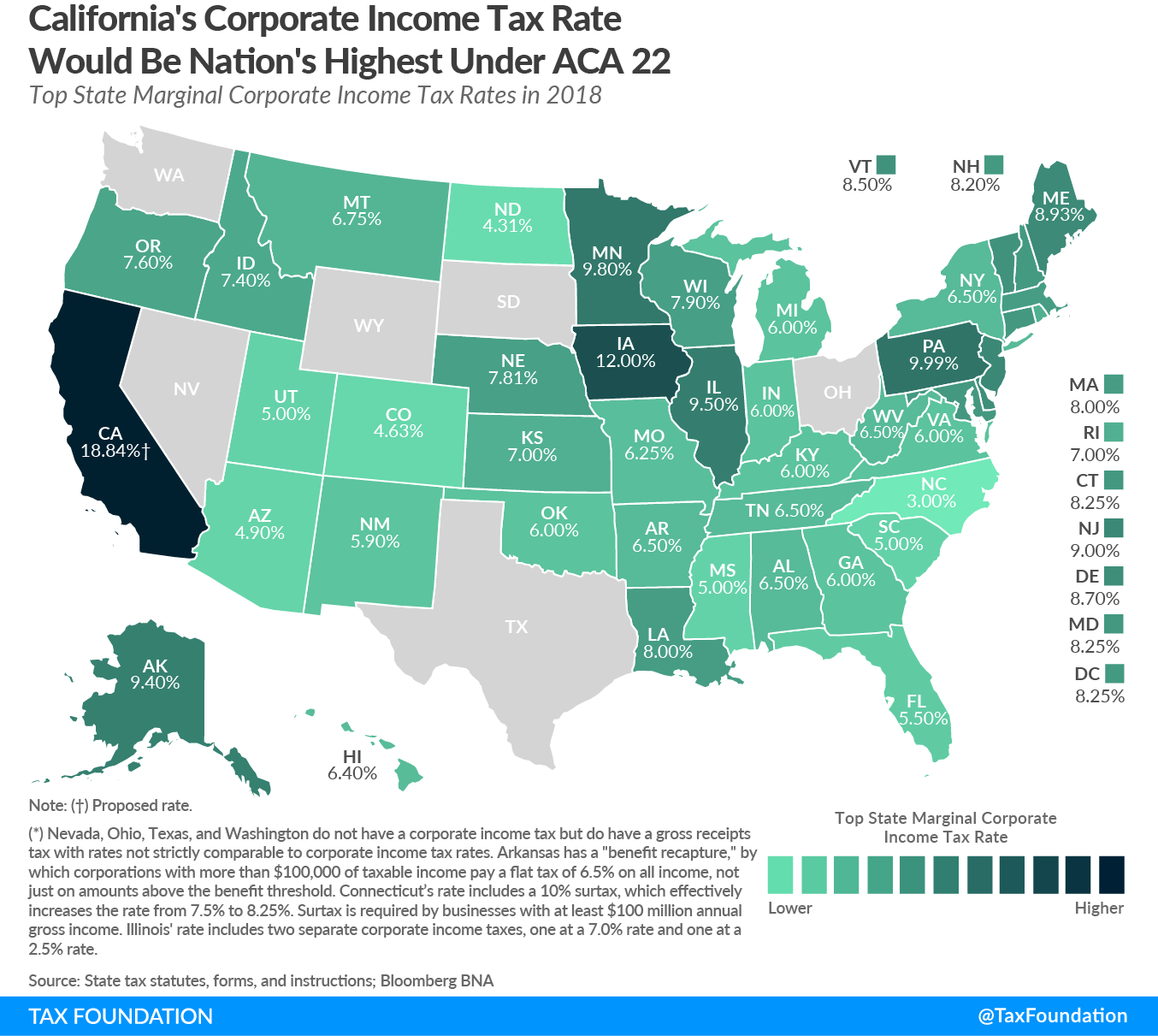
California’s appeal as a premier travel destination and a vibrant place to live is undeniable. From its breathtaking natural landmarks and world-class attractions to its diverse local culture and unparalleled culinary scene, the Golden State offers an abundance of experiences. However, a crucial part of maximizing these experiences and avoiding unwelcome surprises is a clear understanding of its tax structure.
For travelers, meticulous budgeting that accounts for sales tax on purchases and dining, and especially the Transient Occupancy Tax on hotels, resorts, apartments, and villas, is essential. These consumer-facing taxes are the most immediate costs you’ll encounter and can significantly impact your daily spending and overall trip expenses. Planning for these helps ensure your focus remains on enjoying a luxury travel experience, a budget-friendly family trip, or an immersive cultural journey, rather than worrying about unexpected expenditures.
For those considering a long-term stay, remote work, or even a permanent lifestyle change in California, delving into the implications of state income tax and property tax becomes vital. These broader taxes profoundly influence the cost of living, shaping decisions about accommodation, career, and the overall financial feasibility of making California your home.
While California’s taxes can be higher than in many other places, the value derived from its incredible attractions, diverse activities, and exceptional quality of life often makes it a worthwhile investment. By being informed and proactive in your financial planning, you can navigate the state’s tax landscape with confidence, ensuring a seamless, enjoyable, and budget-savvy adventure in one of the world’s most sought-after destinations. So, plan ahead, budget wisely, and get ready to discover the magic of California!
LifeOutOfTheBox is a participant in the Amazon Services LLC Associates Program, an affiliate advertising program designed to provide a means for sites to earn advertising fees by advertising and linking to Amazon.com. Amazon, the Amazon logo, AmazonSupply, and the AmazonSupply logo are trademarks of Amazon.com, Inc. or its affiliates. As an Amazon Associate we earn affiliate commissions from qualifying purchases.