
Alaska, a land of unparalleled grandeur and wild beauty, beckons travelers with its vast wilderness, abundant wildlife, and unique cultural heritage. From the shimmering Northern Lights to the towering peaks of the Alaska Range, this state offers an unforgettable escape from the ordinary. But as you plan your adventure to the Last Frontier, a crucial question arises: what are the temperatures in Alaska, and how do they impact your travel experience? Understanding Alaska’s climate is paramount to packing the right gear, choosing the best time to visit, and fully appreciating its diverse landscapes, whether you’re dreaming of a luxurious resort stay in Juneau or an adventurous trek through Denali National Park and Preserve.
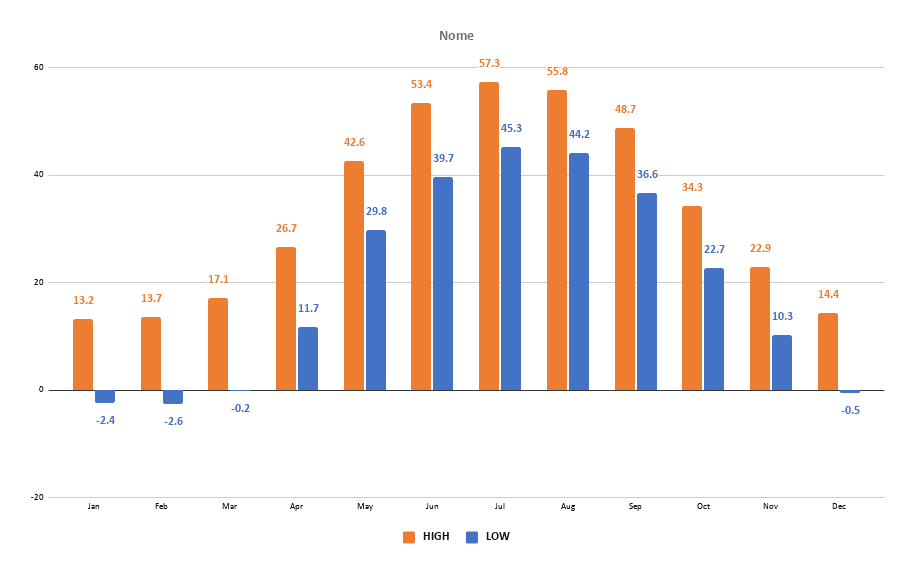
Alaska’s climate is as varied as its landscapes, influenced by its immense size, proximity to the ocean, and significant elevation changes. Unlike the stereotypical image of perpetual snow and ice, Alaska experiences distinct seasons, each offering a unique set of temperatures and weather patterns. From the sweltering (by Alaskan standards) summer months to the bone-chilling depths of winter, preparing for the elements is key to a comfortable and memorable journey. This guide delves into the typical temperatures across Alaska’s diverse regions, helping you make informed decisions for your travels, accommodation choices, and planned activities. Whether you’re seeking the magic of the aurora borealis or the vibrant green of the summer tundra, knowing what to expect temperature-wise will elevate your Alaskan experience.
Understanding Alaska’s Diverse Climates
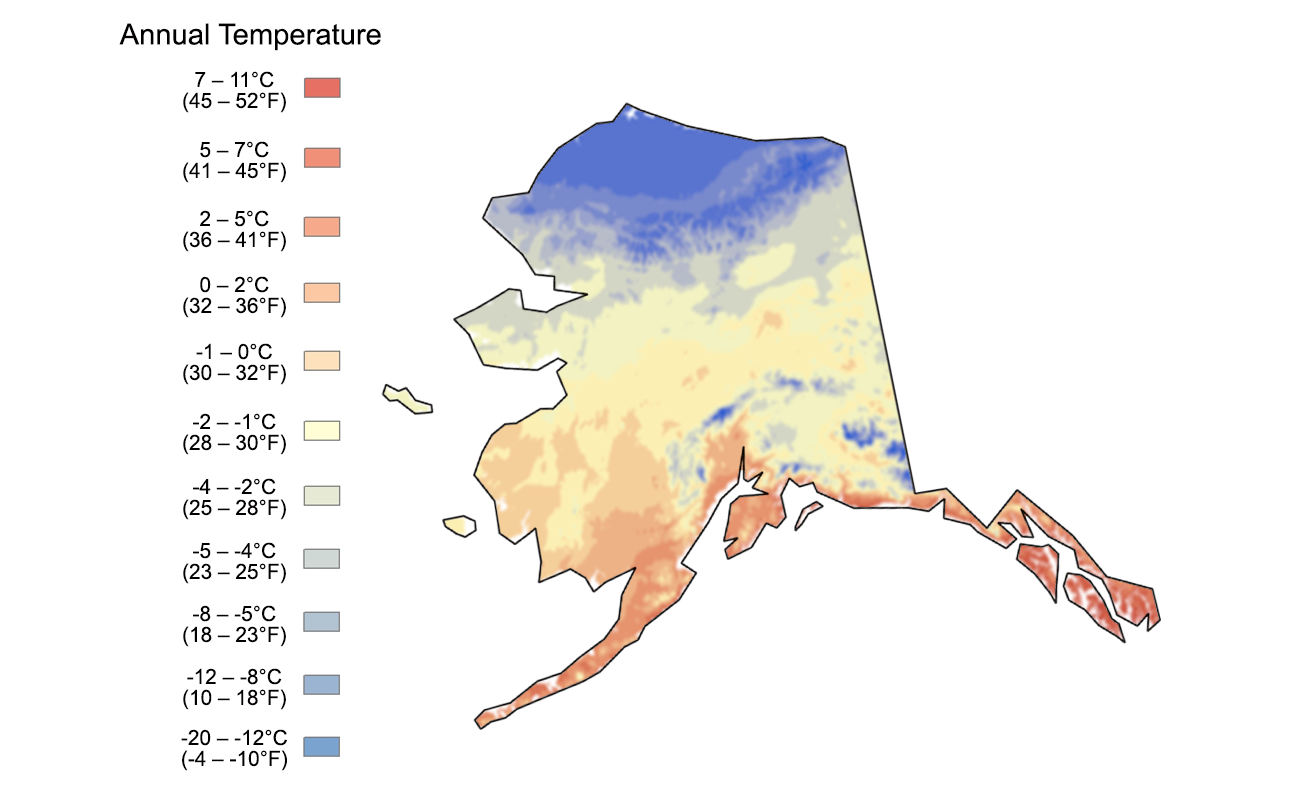
Alaska is a massive state, roughly twice the size of Texas, and its sheer scale contributes to its varied microclimates. The temperatures can differ dramatically between coastal areas, inland regions, and the northern reaches. Generally, Alaska can be divided into several climate zones, each with its own temperature ranges and seasonal characteristics. These zones are crucial to consider when planning your itinerary, as a summer day in Anchorage might feel quite different from a summer day in Barrow (Utqiagvik).
Coastal Alaska: The Maritime Influence
The coastal regions of Alaska, particularly Southeast Alaska and Southcentral Alaska, are heavily influenced by the Pacific Ocean. This maritime climate results in milder temperatures compared to the interior, with more precipitation, often in the form of rain during the warmer months and snow in winter.
Southeast Alaska: The Panhandle’s Temperate Rainforest
Cities like Juneau, Ketchikan, and Sitka are found in Southeast Alaska, a region characterized by a temperate rainforest. Summers here are cool and pleasant, with average daily temperatures typically ranging from 50°F to 65°F (10°C to 18°C). July and August are the warmest months. Rainfall is common year-round, contributing to the lush, green landscapes that attract many visitors for its stunning scenery and wildlife viewing opportunities.
Winters in Southeast Alaska are generally mild for Alaska, with average temperatures hovering around freezing, from 20°F to 30°F (-7°C to -1°C). Snowfall occurs but is often mixed with rain, especially at lower elevations. This makes it a less extreme winter destination than other parts of the state, though venturing inland or to higher elevations will bring colder conditions.
Southcentral Alaska: Gateway to the Interior
Southcentral Alaska, including areas around Anchorage, Homer, and Valdez, experiences a subarctic climate with more pronounced seasonal variations than Southeast Alaska. Summers are warmer, with average daily temperatures often reaching 60°F to 75°F (16°C to 24°C) in July and August. These are the prime months for outdoor activities, hiking, and exploring attractions like the Kenai Peninsula. Sunshine is more abundant during these months, offering ideal conditions for sightseeing.
Winters in Southcentral Alaska are significantly colder, with average temperatures ranging from 0°F to 25°F (-18°C to -4°C) from December through February. Heavy snowfall is common, making it a popular destination for winter sports like skiing and snowboarding. The stark beauty of the snow-covered landscapes draws visitors seeking a more rugged experience.
Interior Alaska: The Continental Extremes
Interior Alaska, encompassing cities like Fairbanks and the vast wilderness surrounding Denali National Park and Preserve, experiences a continental climate with extreme temperature variations between summer and winter.
Summer in the Interior: Surprisingly Warm
Summers in Interior Alaska are surprisingly warm, with average daily temperatures in July and August often ranging from 65°F to 80°F (18°C to 27°C), and sometimes even higher, reaching into the 90s°F (30s°C). This is the warmest period in the entire state. The long daylight hours, with the sun barely setting in mid-summer, contribute to the warmth and provide ample time for exploration and adventure. It’s the peak season for many visitors hoping to experience the vastness of Denali National Park and Preserve or witness the wildlife.
Winter in the Interior: Frigid and Frosty
Winter in Interior Alaska is characterized by extremely cold temperatures. Average daily temperatures from December to February typically range from -10°F to -30°F (-23°C to -34°C), but it’s not uncommon for temperatures to plummet to -40°F (-40°C) and beyond. The dry air, however, can sometimes make the cold more bearable than in humid climates. Despite the harsh conditions, winter is a magical time in the interior, renowned for the spectacular displays of the aurora borealis. Many travelers opt for winter stays to witness this celestial phenomenon and enjoy activities like dog sledding and ice fishing.
Seasonal Temperature Variations and Their Impact on Travel
The dramatic shifts in Alaska’s temperatures throughout the year profoundly influence travel plans, the types of activities available, and the overall experience. Understanding these seasonal variations is crucial for any discerning traveler.
Summer (June, July, August): The Peak Tourist Season
Alaska’s summer months offer the most temperate weather and the longest daylight hours, making it the prime time for tourism.
Warmest Months and Daylight Hours
July and August are typically the warmest months across the state, with average high temperatures in the 60s and 70s Fahrenheit (15-25°C) in most populated areas. In the interior, temperatures can reach the 80s or even 90s Fahrenheit (25-32°C). The nearly 24 hours of daylight, especially in June and July, known as the “midnight sun,” allows for extended exploration and sightseeing. This is ideal for activities like hiking in Denali National Park and Preserve, cruising through the Inside Passage, visiting Glacier Bay National Park and Preserve, or exploring the vibrant city of Anchorage.
Summer Activities and Packing Recommendations
Summer is the season for wildlife viewing, with humpback whales, sea otters, and puffins abundant in coastal waters, and bears, moose, and caribou visible in national parks. For travelers planning a summer trip, packing layers is essential. Lightweight, breathable clothing for warmer days, coupled with waterproof and windproof outer layers for cooler evenings or unexpected rain, is recommended. Comfortable hiking boots are a must, and don’t forget insect repellent, as mosquitoes can be present, particularly in wooded areas and near water.
Autumn (September, October): A Transition of Beauty
As summer wanes, Alaska transitions into autumn, a season of breathtaking color and crisp air, with temperatures beginning to drop.
Fall Colors and Cooler Temperatures
September often retains some of the summer warmth, with average temperatures still pleasant for outdoor pursuits. However, as the month progresses, temperatures begin to dip, and by October, a distinct chill is in the air. Coastal areas remain relatively mild, but the interior experiences more significant temperature drops. Average highs in September might range from 50°F to 60°F (10°C to 15°C), while October can see averages in the 30s and 40s Fahrenheit (0°C to 10°C).
Autumn Activities and Aurora Borealis Season Begins
Autumn is a spectacular time for photography, with deciduous trees in Interior Alaska ablaze in vibrant hues of gold, red, and orange. The crowds of summer have thinned, offering a more serene travel experience. This is also the beginning of the aurora borealis season. As the nights grow longer and darker, the chances of witnessing the Northern Lights increase, particularly in Interior Alaska around Fairbanks. Packing for autumn requires a similar layered approach to summer but with an emphasis on warmer layers, including fleeces and insulated jackets. Waterproof gear remains crucial due to potential rain and early snowfall.
Winter (November, December, January, February): The Coldest Months
Winter transforms Alaska into a wonderland of snow and ice, offering a unique set of experiences for the intrepid traveler.
Extreme Cold and Limited Daylight
Winter is synonymous with extreme cold in Alaska, especially in the interior. Average temperatures in January and February often range from -10°F to -30°F (-23°C to -34°C) in places like Fairbanks, with the possibility of much lower temperatures. Coastal regions are milder but still well below freezing. Daylight hours are significantly reduced, with only a few hours of twilight per day in the northern parts of the state. This makes it a season for embracing the darkness and the unique beauty it brings.
Winter Activities and Essential Gear
Despite the cold, winter is an incredibly active season. Dog sledding, cross-country skiing, snowshoeing, and ice fishing are popular activities. The primary draw for many is the aurora borealis, which is most visible during the long, dark winter nights. For those venturing to Alaska in winter, extreme cold-weather gear is essential. This includes heavy-duty insulated parkas, thermal base layers, wool socks, insulated boots, warm hats that cover the ears, and insulated gloves or mittens. Hand and foot warmers can be a lifesaver. Many lodges and hotels, such as those found in the Denali area or near Fairbanks, are well-equipped to handle the cold with excellent heating systems.
Spring (March, April, May): The Thaw and Reawakening
Spring in Alaska is a time of transition, as the snow melts and the state awakens from its winter slumber. The temperatures begin to rise, but the weather can be unpredictable.
Lingering Winter and Emerging Warmth
March often still feels like winter, with cold temperatures and plenty of snow, making it ideal for late-season winter activities. By April, the snow begins to melt, and temperatures start to moderate. Average highs in April might be in the 30s and 40s Fahrenheit (0°C to 10°C), and May sees averages climb into the 40s and 50s Fahrenheit (5°C to 15°C). However, spring can bring a mix of weather, from lingering snowstorms to the first signs of green shoots. The transition period can be muddy as the snow melts.
Spring Activities and Wildlife
Spring marks the return of migratory birds and the birthing season for many animals, offering excellent wildlife viewing opportunities. The longer days make it suitable for exploring, although some trails may still be snow-covered or muddy. The shoulder months of spring, particularly May, can be a great time to visit for those seeking fewer crowds and potentially lower prices on accommodation and flights. Packing for spring involves layers, with a focus on waterproof and windproof gear to handle the variable conditions.
Regional Temperature Breakdowns for Planning Your Trip
To further refine your understanding of Alaska’s temperatures, let’s break down the climate by key regions that are popular with tourists. This will help you select the perfect destination and the ideal time to visit for your desired experiences, whether that involves a luxurious resort in Kennebunkport or an adventurous stay in a remote cabin.
Southeast Alaska: Mild and Wet
As mentioned, Southeast Alaska, often referred to as the “Inside Passage,” enjoys a more moderate climate due to its coastal location.
- Summer (June-August): Average highs are 50-65°F (10-18°C). Expect frequent rain.
- Autumn (September-October): Average highs drop to 40-55°F (5-13°C). Rain continues, with occasional early snow.
- Winter (November-February): Average highs hover around 25-35°F (-4 to 2°C). Snowfall is common but often melts.
- Spring (March-May): Temperatures gradually rise from 30-50°F (-1 to 10°C). Still rainy and can be cold.
This region is ideal for cruise ship itineraries and exploring charming towns like Juneau and Ketchikan, and its milder winters make it accessible year-round for those who enjoy the dramatic coastal scenery.
Southcentral Alaska: Variable and Seasonal
Southcentral Alaska offers a transition zone with warmer summers and colder winters than the coast.
- Summer (June-August): Average highs range from 60-75°F (16-24°C). This is the most popular time for outdoor activities.
- Autumn (September-October): Temperatures cool to 35-55°F (2-13°C). Fall colors are beautiful, and aurora viewing can begin.
- Winter (November-February): Average highs are 0-25°F (-18 to -4°C). Significant snowfall makes it ideal for winter sports.
- Spring (March-May): Temperatures range from 25-55°F (-4 to 13°C). Melting snow can create muddy conditions.
Cities like Anchorage and towns on the Kenai Peninsula are popular hubs in this region, offering a mix of urban amenities and access to wilderness.
Interior Alaska: Extreme and Continental
The interior of Alaska experiences the most dramatic temperature fluctuations.
- Summer (June-August): Average highs are 65-80°F (18-27°C), with potential for heatwaves. Longest daylight hours.
- Autumn (September-October): Temperatures drop significantly, averaging 25-50°F (-4 to 10°C). Excellent for aurora viewing.
- Winter (November-February): Average highs are -10 to -30°F (-23 to -34°C), with extreme cold possible. Prime aurora season.
- Spring (March-May): Temperatures rise from -10 to 50°F (-23 to 10°C). Snowmelt continues through May.
Fairbanks is the main gateway to this region, offering access to vast national parks and the best chances for aurora sightings. Traveling in the interior requires careful preparation for extreme temperatures, especially in winter.
Arctic Alaska: Cold and Consistent
Northern Alaska, including areas like Utqiagvik (formerly Barrow), experiences a polar climate.
- Summer (June-August): Temperatures are cool, averaging 35-50°F (2-10°C). The ground may thaw, but water bodies remain frozen.
- Autumn (September-October): Temperatures drop rapidly, averaging 15-35°F (-9 to 2°C). Snowfall becomes consistent.
- Winter (November-February): Extreme cold, with average highs of -10 to -20°F (-23 to -29°C) and potential for much colder conditions. Perpetual darkness for much of this period.
- Spring (March-May): Gradual warming, with averages ranging from -10 to 30°F (-23 to -1°C). Snowmelt begins late in the season.
Visiting Arctic Alaska is an expedition, often requiring specialized tours and accommodations like the Arctic Inn, and is best suited for those seeking a truly unique and extreme experience, often focused on the unique culture and the midnight sun or aurora borealis.
Ultimately, Alaska’s temperatures are a vital part of its allure, shaping its landscapes, wildlife, and the adventures awaiting you. By understanding these variations, you can plan a trip that perfectly aligns with your interests and ensures you experience the magic of this extraordinary state to its fullest, from luxurious stays in the Alyeska Resort to rugged expeditions deep within its wilderness.