
For many, the mention of New York conjures images of towering skyscrapers, bustling avenues, and iconic landmarks. But beneath the vibrant surface of this global metropolis and the sprawling state it calls home lies a complex, yet fascinating, system of telephone area codes. Far from being mere digits, these codes tell a story of urban growth, regional identity, and the practicalities of modern communication. For travelers, understanding New York’s area codes can offer more than just a means to make a call; it can provide insight into the city’s distinct neighborhoods and the diverse landscapes of the state, influencing everything from hotel bookings to navigating local services.

The question “What area code is New York?” is not as simple as it sounds. It requires differentiating between New York City – the legendary concrete jungle – and the expansive New York State that stretches from the Atlantic Coast to the Great Lakes and beyond. Each has its own distinct set of codes, reflecting a rich tapestry of demographics and history. As you plan your next adventure, whether it’s a luxury escape to a Manhattan penthouse or a serene retreat in the Adirondacks, understanding these numerical identifiers is a subtle yet crucial aspect of connecting with your destination.
Decoding the Dial Tone: Navigating New York City’s Area Codes
The heart of the United States’ financial, cultural, and media landscape, New York City, is home to a dynamic array of area codes that reflect its immense population density and historical growth. For decades, telephone communication was simpler, but as the city swelled, so did the need for more numbers. Today, callers dialing into the Five Boroughs encounter a mosaic of codes, each with its own story.
The Iconic 212 and Its Urban Cousins: New York City’s Core Codes
The most legendary and coveted of all New York City area codes is, without a doubt, 212. This code is synonymous with old Manhattan, particularly the island’s most central and historic areas. Receiving an original 212 number today is nearly impossible, as they are almost exclusively held by long-time residents and established businesses. A 212 number often implies a certain prestige, an unspoken connection to the classic New York experience, from the bustling avenues around Times Square to the sophisticated offices in the Financial District or the artistic enclaves of Greenwich Village.
However, the 212 code quickly reached capacity, leading to the introduction of 646 as an overlay code specifically for Manhattan in 1999. This meant that residents and businesses in Manhattan could now be assigned either a 212 or a 646 number, necessitating ten-digit dialing even for local calls within the borough. Later, 917 was introduced as a general overlay for all Five Boroughs in 1992, becoming particularly prevalent for mobile phones and newer landlines across Manhattan, Brooklyn, Queens, The Bronx, and Staten Island. These overlays were crucial for accommodating the explosive growth in communication services, especially with the advent of cell phones.
For travelers, understanding these codes can be a subtle guide. A hotel in Midtown Manhattan might list a 212 or 646 number, while a boutique guesthouse in Lower Manhattan or a trendy SoHo apartment rental might use 917. When booking accommodations, verifying the area code can sometimes offer a quick confirmation of its location within the bustling island. For instance, contacting the iconic Plaza Hotel or a luxurious Ritz-Carlton in Manhattan would typically involve one of these codes.
Beyond the Manhattan Grid: Exploring the Five Boroughs
While Manhattan holds the most recognizable codes, each of the other Five Boroughs also possesses its own set of numerical identities, reflecting their unique development and expansion.
-
Brooklyn: Historically, Brooklyn was served by 718, which was introduced in 1984 as a split from 212 to accommodate the growing populations of Brooklyn, Queens, and Staten Island. As Brooklyn transformed into a vibrant hub of culture, cuisine, and innovation, this code became synonymous with its distinct identity. Today, 347 and 917 (the city-wide overlay) also serve Brooklyn. A call to a trendy restaurant in DUMBO or an apartment near Prospect Park would likely begin with 718, 347, or 917.
-
Queens: Sharing the original 718 code with Brooklyn and Staten Island, Queens also uses 347 and 917. From the diverse neighborhoods of Jackson Heights to the bustling vicinity of Flushing Meadows-Corona Park, these codes connect travelers to one of the most ethnically diverse urban areas in the world. Many hotels near JFK Airport or LaGuardia Airport will carry these prefixes, making them essential for airport transfers or accommodation bookings upon arrival.
-
The Bronx: Similar to Brooklyn and Queens, The Bronx primarily uses 718, 347, and 917. This code covers everything from the historic Yankee Stadium to the sprawling Bronx Zoo and the tranquil New York Botanical Garden.
-
Staten Island: The southernmost borough, Staten Island, also falls under the 718, 347, and 917 umbrella. Its unique suburban-meets-urban charm, accessible by the iconic Staten Island Ferry, is connected by these familiar digits.
For a comprehensive view, here are the primary codes serving New York City and its immediate surroundings:
- 212: Primarily Manhattan (original, highly desirable)
- 646: Overlay for Manhattan
- 917: Overlay for all Five Boroughs (especially mobile phones)
- 718: Original code for Brooklyn, Queens, The Bronx, Staten Island
- 347: Overlay for Brooklyn, Queens, The Bronx, Staten Island
- 929: Newer overlay for Brooklyn, Queens, The Bronx, Staten Island
- 332: Newest overlay for Manhattan, introduced in 2017 to address growing demand.
This intricate web of numbers underscores New York City’s dynamic expansion. Travelers booking suites at the Marriott Marquis in Times Square or a chic Four Seasons Hotel New York Downtown will often encounter 212, 646, or 917. Meanwhile, those exploring the vibrant culinary scene in Queens or the artistic pockets of Brooklyn will primarily dial or receive calls from numbers beginning with 718, 347, or 929.

A State of Connection: Area Codes Across New York State
Beyond the confines of New York City, the vast and varied landscape of New York State is covered by a multitude of area codes, each delineating distinct regions from bustling suburban centers to serene wilderness. These codes are not just for communication; they are geographical markers, helping to define the state’s diverse communities and their connection to the larger North American Numbering Plan (NANP).
Upstate Charms and Regional Dialects
New York State is a land of contrasts, from the vineyards of the Finger Lakes to the towering peaks of the Adirondack Mountains, and its area codes reflect this rich regionality.
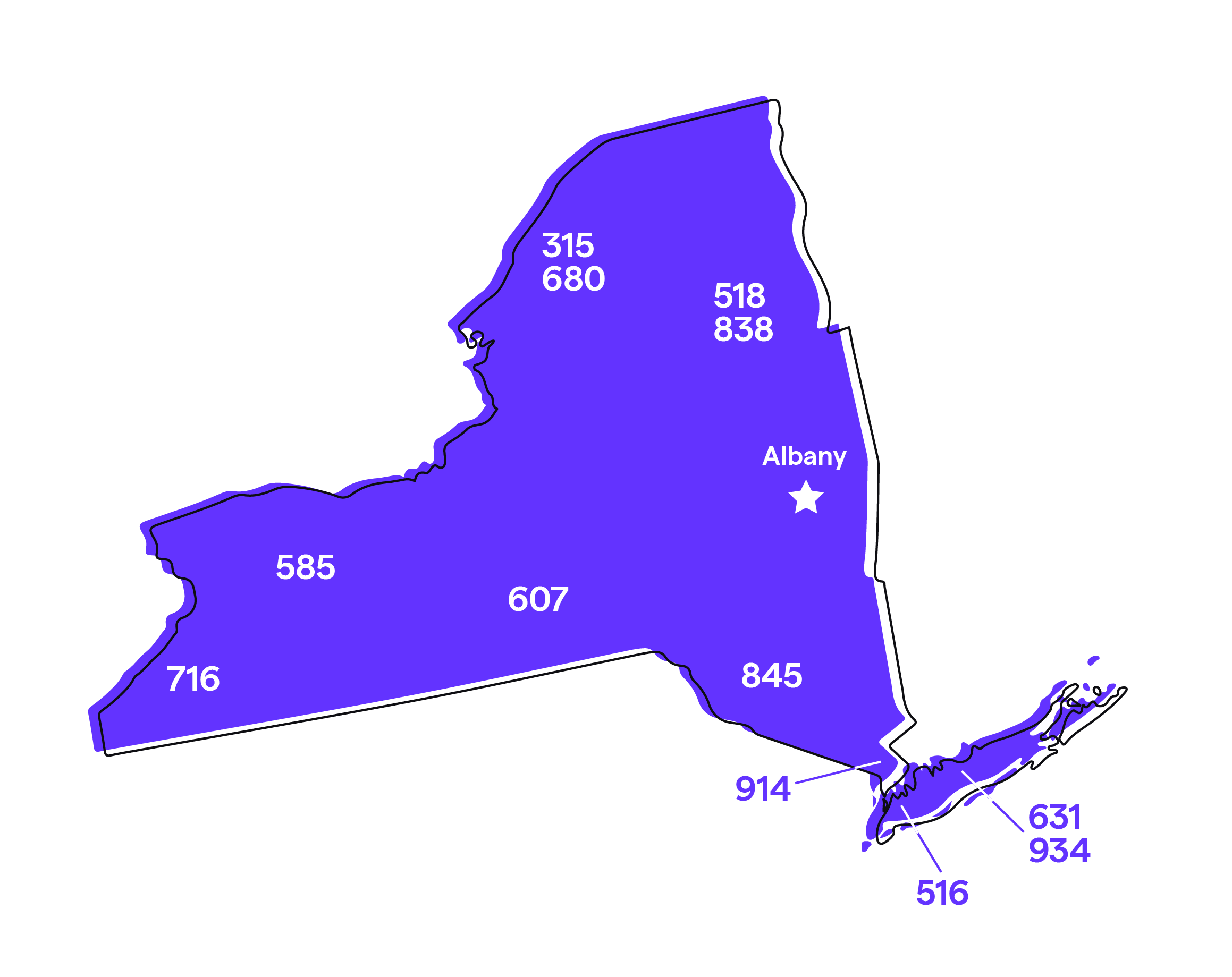
- 516 / 934: These codes primarily serve Long Island‘s Nassau County, including towns like Hempstead and Garden City. Many who enjoy the suburban lifestyle or visit attractions like the Nassau County Museum of Art will encounter these numbers.
- 631 / 934: Covering Suffolk County on Long Island, including the famous Hamptons, these codes are essential for reaching everything from luxury resorts to charming beachside accommodations.
- 914 / 347 (partial overlap) / 845: Westchester County (914), just north of New York City, is a key gateway to the Hudson Valley. Rockland County and most of the Hudson Valley beyond Westchester are primarily covered by 845. For those planning trips to historic sites like Bear Mountain State Park or exploring the region’s burgeoning farm-to-table culinary scene, these codes are vital.
- 518 / 838: These codes serve the state’s Capital Region, including the state capital, Albany, and extend north into the vast Adirondacks. If you’re contacting government offices in Albany or reserving a cabin near Lake Placid, these are the numbers you’ll encounter.
- 315 / 680: Central New York, including Syracuse and Utica, uses these codes. This region offers a blend of collegiate life, historical sites, and access to the Finger Lakes region.
- 585: This code identifies the Rochester metropolitan area and parts of western New York. Travelers exploring the George Eastman Museum or visiting the Genesee River will be in 585 territory.
- 716 / 624: Western New York, encompassing Buffalo and the awe-inspiring Niagara Falls, uses these codes. This region offers stunning natural beauty and a rich industrial heritage.
Bridging the Past and Present: The Evolution of New York’s Dialing System
The evolution of New York’s area codes is a microcosm of the entire United States’ telecommunications history. The first area codes in the North American Numbering Plan (NANP) were introduced in 1947, with 212 being one of the original and most prominent. Initially, area codes were designed to facilitate direct dialing across larger geographical regions, and New York City’s initial 212 code represented a vast service area.
However, rapid population growth, coupled with the explosion of landlines and eventually mobile phones, meant that these initial codes quickly became insufficient. The solution was “code splits,” where a large area would be divided, and new codes assigned to the new segments. This is how 718 was born from 212 for the outer boroughs in 1984, and 516 for Long Island in 1951.
Later, as even splits couldn’t keep pace with demand, “overlay codes” became the preferred method. This is where a new area code is assigned to the same geographic region as an existing code, necessitating mandatory ten-digit dialing even for local calls. Examples include Manhattan’s 646 and 332 overlays, and the 917 overlay that blanketed all Five Boroughs for mobile services. These overlays highlight the incredible demand for communication services in New York, reflecting its status as a global hub for business, tourism, and daily life. The continual addition of new codes, like 929 for the outer boroughs and 838 for the Capital/Adirondack region, underscores the ongoing expansion and development across the state.
Why Area Codes Still Matter for Travelers and Residents
While mobile phones have made international dialing feel seamless, and most contacts are saved by name rather than number, understanding New York’s area codes remains surprisingly relevant. For both long-term residents and transient travelers, these three-digit prefixes offer more than just a gateway to a phone call; they are subtle indicators of location, a link to history, and a tool for practical navigation.
Practicalities for Your New York Adventure
For travelers, area codes can serve several practical purposes:
- Hotel Bookings and Accommodation: When researching hotels, especially boutique options or unique apartment rentals through platforms focused on long-term stay or short-term vacation rentals, the area code listed for contact can instantly tell you if the property is in Manhattan (212/646/332), Brooklyn (718/347/929), or perhaps further upstate. This can be crucial for confirming your desired location within the city or state. For example, a luxurious resort in the Catskill Mountains would likely have an 845 prefix.
- Local Services and Deliveries: If you’re ordering takeout, arranging a car service, or seeking local information during your stay, knowing the local area codes can help you discern whether a business is truly local to your immediate vicinity or if it’s operating from a different borough or region.
- Understanding Your Phone Bill (if applicable): While less common with modern phone plans, knowing if a number is local or long-distance (within New York State but outside your immediate calling area) could still have implications for some older plans or international roaming scenarios.
- Emergency Services: While 911 handles all emergencies, general non-emergency numbers for local police precincts or hospitals will typically carry the area code of their specific borough or region.
- Business and Networking: For business travelers, a 212 number still carries a certain gravitas in New York City, often signaling a long-established presence in the city’s commercial core. Understanding these nuances can be part of the unspoken etiquette in certain professional circles.
- Navigating Transportation Hubs: When arriving at major airports like JFK Airport, LaGuardia Airport, or even Newark Liberty International Airport in New Jersey, knowing the area codes can help confirm the local contact details for ground transportation, hotels, or pre-arranged pickups.
A Glimpse into Urban Sprawl and Growth
Beyond the functional aspects, New York’s area codes offer a fascinating look into the state’s growth and the character of its various regions:
- Historical Markers: The progression from exclusive 212 in Manhattan to the widespread 718 for the outer boroughs, and then the layering of 646, 917, 347, 929, and 332, illustrates the relentless expansion of New York City. This narrative of growth is mirrored across the state, with new codes being introduced as demand intensifies in areas like Long Island and the Hudson Valley.
- Local Identity: A 718 number evokes a sense of Brooklyn pride, just as a 518 number connects one to the distinct charms of upstate life, whether it’s the political heartbeat of Albany or the rugged beauty of the Adirondacks. These codes are part of the local culture, often used to express a sense of belonging to a particular community.
- Infrastructure and Modernization: The shift from simple geographic splits to complex overlay systems demonstrates the challenges of managing telecommunications infrastructure in a densely populated and ever-growing region. It reflects a constant evolution in how we connect.
In essence, an area code is more than just a number; it’s a geographic identifier, a historical timestamp, and a practical tool. As you explore the iconic streets of Manhattan – from the dazzling lights of Times Square to the solemn reverence of the Statue of Liberty and Ellis Island – or venture across the Brooklyn Bridge to experience the borough’s vibrant art scene, remember that each interaction, each phone call to a local attraction like the Metropolitan Museum of Art, Grand Central Terminal, or Rockefeller Center, is facilitated by this intricate system. Whether you are seeking the ultimate luxury travel experience in a high-rise suite, a budget-friendly stay in a lively neighborhood, or simply trying to reach a landmark like the Empire State Building or Central Park, knowing “What area code is New York?” is a key, albeit subtle, part of your journey.
LifeOutOfTheBox is a participant in the Amazon Services LLC Associates Program, an affiliate advertising program designed to provide a means for sites to earn advertising fees by advertising and linking to Amazon.com. Amazon, the Amazon logo, AmazonSupply, and the AmazonSupply logo are trademarks of Amazon.com, Inc. or its affiliates. As an Amazon Associate we earn affiliate commissions from qualifying purchases.