
Planning a trip to the Golden State or simply curious about its temporal rhythm? Understanding the California time zone is more than just a matter of setting your watch; it’s crucial for seamless travel, efficient communication, and making the most of every moment in this vibrant region. From coordinating flight arrivals and hotel check-ins to scheduling business calls or planning visits to iconic landmarks, knowing the local time is paramount.
California, a sprawling state on the western edge of the United States, primarily observes one time zone: the Pacific Time Zone. However, this zone operates under two distinct designations throughout the year, depending on the observance of Daylight Saving Time. This article delves into the intricacies of California’s time, offering essential insights for travelers, businesses, and anyone interested in the rhythm of life in one of the world’s most dynamic destinations.
Understanding Pacific Standard Time (PST) and Pacific Daylight Time (PDT)
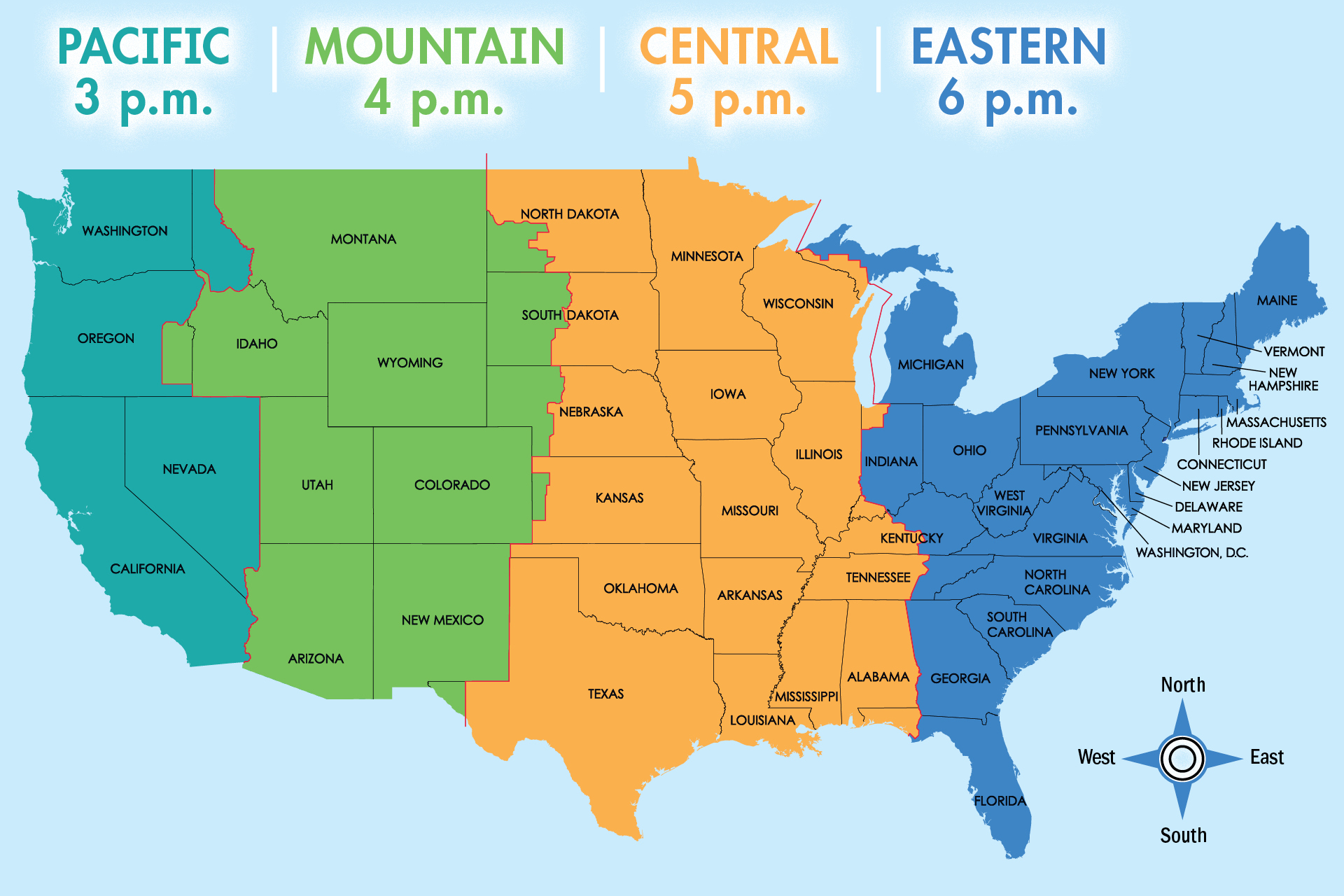
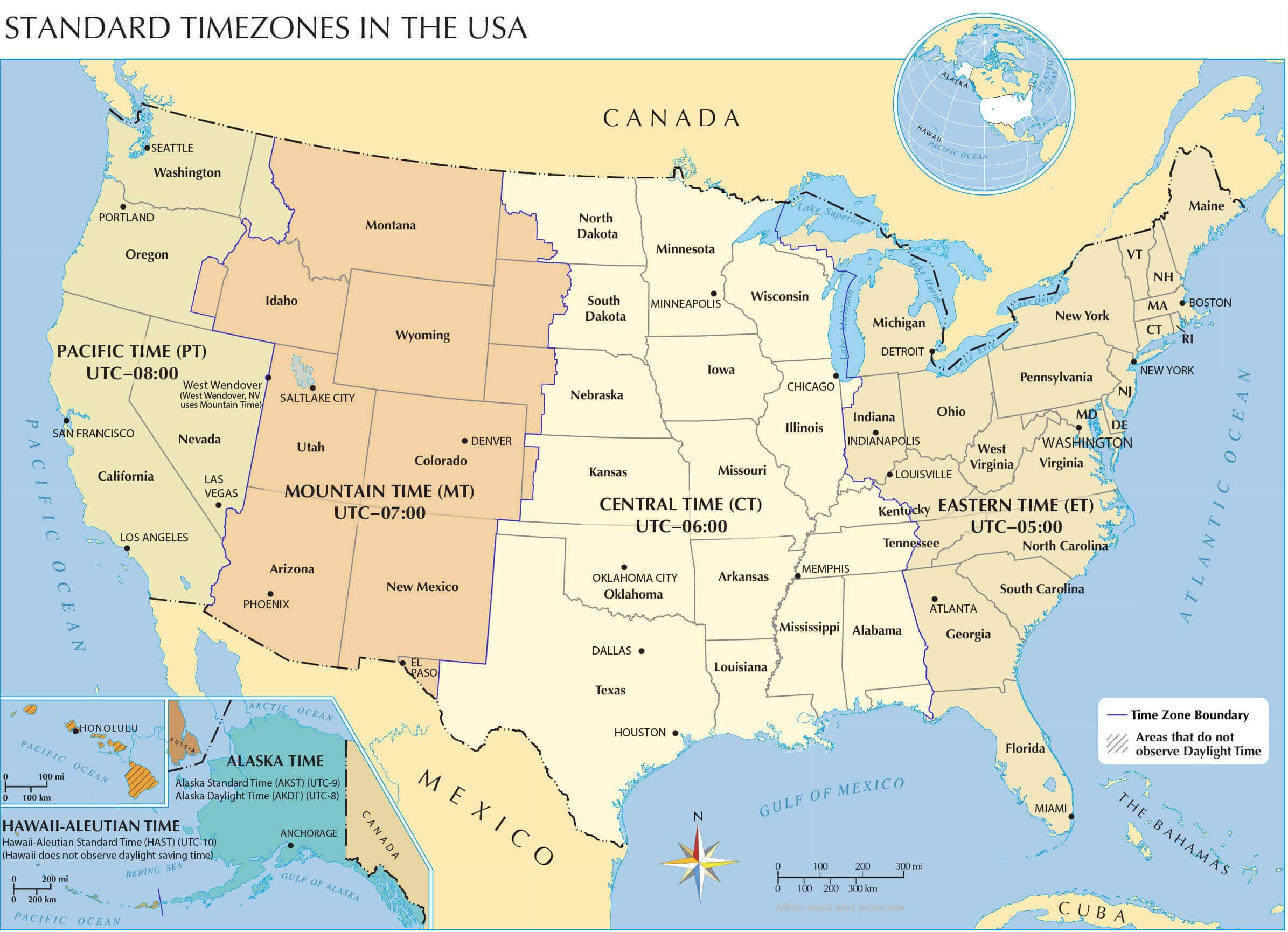
The Pacific Time Zone encompasses the entire state of California, along with most of Nevada, Oregon, and Washington, and parts of Idaho. Its consistent application across the state simplifies planning within California, but its relation to other global time zones, especially with the seasonal shift, requires careful attention.
The Basics of PST
During the cooler months, typically from early November to mid-March, California adheres to Pacific Standard Time (PST). This is observed as UTC-8 (Coordinated Universal Time minus 8 hours). This means that if it’s noon UTC, it would be 4:00 AM in California under PST. For international travelers arriving from regions observing Greenwich Mean Time (GMT) or UTC, this represents an eight-hour time difference.
For instance, if you’re flying from London (which is on GMT/UTC) to Los Angeles in December, you would need to subtract eight hours from London time to get the local time in California. This significant shift can contribute to jet lag, a common concern for long-haul visitors. Understanding PST is the foundation for any visit during the off-peak tourist season or for business engagements requiring year-round precision.
Embracing Pacific Daylight Time
As spring arrives, California transitions to Pacific Daylight Time (PDT). This change occurs on the second Sunday in March when clocks “spring forward” one hour, and it reverts to PST on the first Sunday in November when clocks “fall back” one hour. During PDT, the time zone is UTC-7, meaning it is seven hours behind Coordinated Universal Time.
The primary purpose of Daylight Saving Time is to make better use of daylight, pushing sunsets later into the evening, which is particularly beneficial for tourism and lifestyle activities. Visitors can enjoy longer daylight hours for sightseeing, outdoor adventures, and evening strolls, from the beaches of San Diego to the vineyards of Napa Valley. This extra hour of daylight can significantly enhance the travel experience, allowing for more attractions to be explored and more outdoor dining experiences to be savored. However, it also means adjusting your internal clock if you are arriving during this period, or remembering to change your physical clocks and devices.
Navigating Time Zones for the California Traveler
For anyone planning travel to California, the time zone is a critical consideration that impacts almost every aspect of the journey, from initial booking to daily itineraries. Whether it’s a family vacation to Disneyland Park or a business stay in Silicon Valley, proactive time zone management can alleviate stress and ensure a smoother trip.
Planning Your Itinerary and Bookings
The moment you book your flights and accommodation, the time zone comes into play. Flight arrival and departure times are always listed in local time. If you’re flying from the East Coast of the United States (Eastern Time, UTC-5 or UTC-4), you’ll experience a three-hour time difference (e.g., 3 PM Eastern Time is noon Pacific Time). This means a flight departing New York at 9:00 AM EST and lasting six hours will land in Los Angeles around 12:00 PM PST, making it feel like a much shorter travel day than it actually is.
When reserving hotels or other accommodation, always double-check check-in and check-out times, which are specified in the local California time. This ensures you arrive when your room is ready and avoid any late check-out fees. Similarly, pre-booked tours, dinner reservations, and show tickets for attractions like Universal Studios Hollywood will all operate on California time. It’s wise to confirm these times closer to your travel date, especially if your trip spans the transition between PST and PDT. Having a detailed itinerary with all times converted to the local zone will be invaluable.
Minimizing Jet Lag and Maximizing Enjoyment
Jet lag can significantly impact your initial days in California, especially for those traveling from time zones like Europe or Asia, where the time difference can be 8 to 16 hours. To combat this, experts recommend adjusting your sleep schedule gradually before your trip. For example, if traveling westward, try going to bed an hour or two later a few days prior.
Upon arrival, exposing yourself to natural light during the day and staying hydrated can help reset your body clock. Avoid heavy meals and excessive caffeine or alcohol. Plan a lighter schedule for your first day, perhaps exploring nearby attractions or enjoying the amenities at your chosen resort. Many hotels in major cities like San Francisco or Los Angeles are equipped to assist travelers with jet lag, offering amenities like blackout curtains, quiet rooms, and sometimes even specific wellness programs. Prioritizing rest and gentle activity can help you quickly adjust to California time and fully immerse yourself in the local culture and experiences.
What to Consider for International Travelers
For visitors coming from outside North America, the time zone difference is often quite substantial. A traveler from Tokyo (which observes UTC+9) flying to California (either UTC-8 or UTC-7) faces a 16 or 17-hour time difference. This means their body will be experiencing the middle of the night when it’s midday in California, and vice-versa.
Beyond jet lag, international travelers must also consider the time difference when communicating with home. Family calls, remote work requirements, or urgent matters back home will need careful scheduling. Many accommodation options, from luxury suites to budget-friendly apartments, offer strong Wi-Fi connections, making it easier to stay connected. However, managing the time disparity requires conscious effort and prior planning. Using a world clock app can be incredibly useful to keep track of multiple time zones simultaneously.
Time’s Impact on California Experiences: From Coast to Desert
California’s diverse landscapes and vibrant cities offer an endless array of destinations and attractions. The time of day, and by extension the time zone, profoundly influences how these experiences unfold, affecting everything from crowd levels to photographic opportunities.
Major Cities and Their Rhythms
Each of California’s major cities beats to its own rhythm, dictated by Pacific Time.
- Los Angeles: The entertainment capital thrives on a flexible schedule, but early mornings are still best for avoiding traffic and reaching popular
landmarkslike the Hollywood Walk of Fame or Griffith Observatory. Evenings come alive with dining and nightlife. - San Francisco: This city by the bay, known for the Golden Gate Bridge and Alcatraz Island, experiences chilly mornings, often shrouded in fog, making afternoon visits ideal for clearer views. Business hours in Downtown San Francisco align with traditional working hours.
- San Diego: With its laid-back atmosphere and beautiful beaches, San Diego embraces longer daylight hours, perfect for enjoying outdoor activities, water sports, and sunset views over the Pacific.
- Sacramento: As the state capital, Sacramento’s rhythm is driven by government and state affairs, with a more traditional 9-to-5 workday influencing the opening hours of historical sites and museums in Old Sacramento.
Understanding these city rhythms, all synchronized to Pacific Time, allows travelers to plan their daily activities more effectively, ensuring they hit popular spots at optimal times and avoid peak crowds.
Attractions, Events, and Opening Hours
The operation hours of tourist attractions, national parks like Yosemite National Park or Death Valley National Park, museums, and local businesses are all strictly governed by the local Pacific Time. While theme parks like Disneyland Park often have extended hours, particularly during PDT and peak seasons, smaller museums or specific exhibits might have more limited schedules.
Local events, from film festivals in Los Angeles to wine tastings in Sonoma Valley, are advertised and run on California time. Missing the start of a show or a guided tour due to a time zone miscalculation can be a frustrating setback. Always confirm the exact time for any booked activity and account for travel time to get there.
The time of day can also dramatically alter the experience of visiting certain landmarks. Catching the sunrise over the Grand Canyon (though not in California, a popular day trip from the state’s eastern borders into Arizona) or the sunset from Santa Monica Pier requires precise timing and an understanding of the local clock.
The Business of Time in the Golden State
For business travelers or individuals managing remote work while enjoying a long-term stay in California, the time zone difference is a constant factor. Coordinating meetings with colleagues on the East Coast (3 hours ahead) or in Europe (8 or 9 hours ahead) requires careful scheduling. The “morning” for a California-based team might already be lunchtime or even late afternoon for international partners.
The Silicon Valley area, a global hub for technology and innovation, is particularly adept at navigating these time zone challenges, often utilizing asynchronous communication tools and flexible work schedules. However, for real-time collaboration, understanding the Pacific Time impact is non-negotiable. This also extends to financial markets, legal deadlines, and logistics, where precision in timing can have significant implications. Many resorts and hotels cater specifically to business stays, offering dedicated workspaces, high-speed internet, and 24-hour services to accommodate different working hours.
Practical Tips for Time Zone Management in California
Effectively managing time zones is key to a smooth and enjoyable California experience. With a few simple strategies, you can minimize potential disruptions and focus on the pleasure of your trip.
Essential Tools and Strategies
- World Clock Apps: Utilize smartphone apps or online world clocks to keep track of
Californiatime alongside your home time zone and any other relevant time zones. This is especially useful for checking flight times, booking calls, or simply knowing when to call family. - Set Your Devices: Upon arrival, immediately set all your electronic devices (phones, smartwatches, laptops) to local California time. Most smartphones do this automatically when you connect to a local network, but it’s good to double-check.
- Physical Watch: If you wear a traditional watch, consider leaving it on your home time zone for easy reference, or wear a dual-time watch. Just be sure your primary reference (usually your phone) is set to local time.
- Print Important Times: For critical appointments (flights,
hotelcheck-ins, tour departures), write down or print the times inCalifornialocal time. This provides a quick reference, especially if your phone battery dies or you lose signal. - Plan for the Shift: If your trip coincides with the
Daylight Saving Timechange, mark it on your calendar and confirm any time-sensitive bookings. Most digital calendars will automatically adjust, but a manual check provides peace of mind.

Local Etiquette and Communication
While California is a laid-back state, punctuality is still valued, particularly for scheduled appointments, meetings, and dinner reservations. Being aware of the local time helps you arrive on schedule, showing respect for local customs and avoiding inconveniencing others.
When communicating with locals or service providers, always refer to California time to avoid confusion. For example, instead of saying “3 PM my time,” state “3 PM Pacific Time.” This clarity is essential whether you’re inquiring about attraction hours, discussing a rental car pickup, or coordinating with a local tour guide.
In conclusion, understanding the California time zone – encompassing both Pacific Standard Time and Pacific Daylight Time – is a fundamental aspect of planning any trip or conducting business in this dynamic state. By taking into account the nuances of the time change and proactively managing its impact on travel plans, accommodation bookings, and tourism activities, visitors and residents alike can ensure a smoother, more enjoyable, and truly unforgettable experience in the Golden State.