
California, a land celebrated for its breathtaking landscapes, vibrant cities, and unparalleled lifestyle, also faces a formidable adversary: wildfires. These blazes have increasingly dominated headlines, leaving trails of devastation that impact everything from natural ecosystems and cherished landmarks to local economies and the very fabric of communities. For travelers exploring its diverse attractions, hoteliers managing exquisite resorts, and those simply enchanted by its unique appeal, understanding the root causes of California’s fires is crucial. It’s not a simple answer, but rather a complex interplay of natural conditions, human activities, and evolving environmental factors. This deep dive aims to illuminate the multifaceted origins of these infernos, offering context for anyone interested in the Golden State’s future, its resilience, and how we can better coexist with its fiery tendencies. From the parched chaparral of Southern California to the majestic forests of the Sierra Nevada, the story of fire is deeply etched into the landscape, a narrative shaped by climate, human presence, and the relentless forces of nature.
The Complex Web of Natural Causes
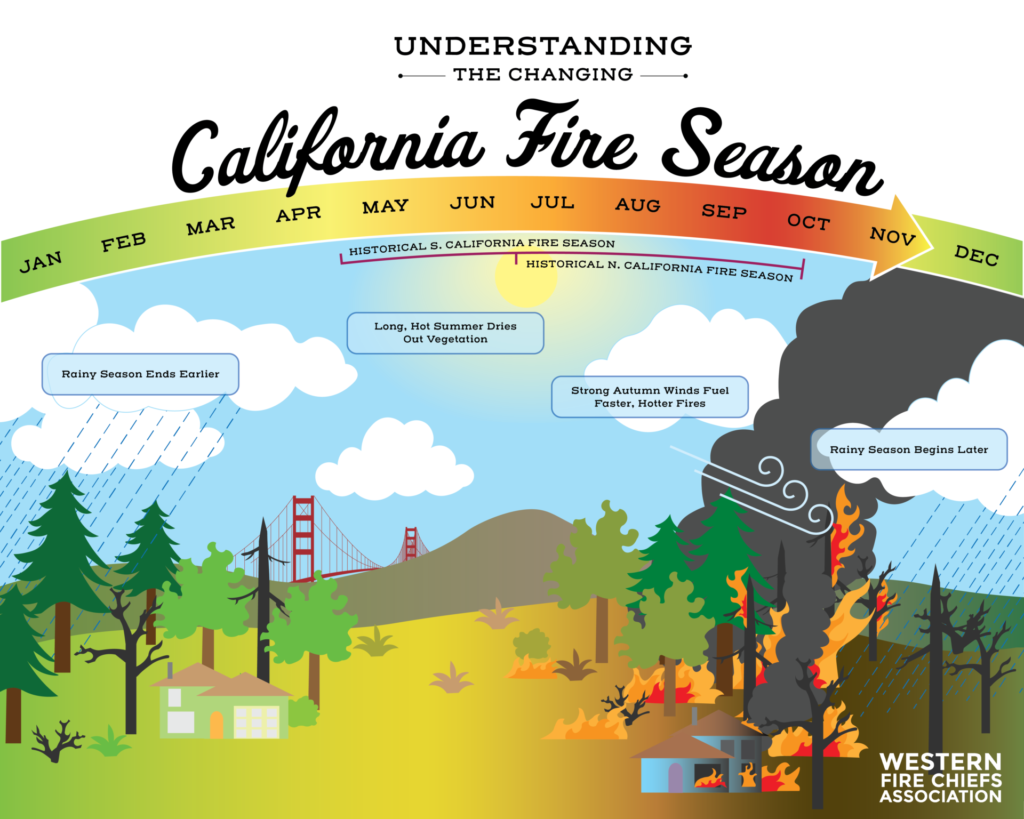
While human activity often lights the match, the conditions that allow fires to rage across California are fundamentally natural. The state’s Mediterranean climate, characterized by hot, dry summers and mild, wet winters, creates an environment perfectly primed for ignition, particularly towards the end of the dry season.
The Role of Climate and Weather Patterns
California’s unique geography, stretching from temperate rainforests in the north to arid deserts in the south, experiences a wide range of microclimates. However, a unifying factor is its distinct dry season, typically from late spring through fall, which gradually dehydrates vegetation. This seasonality means that by late summer and early autumn, the landscape is often a tinderbox, awaiting a spark.
Furthermore, long-term climate trends are undeniably contributing to the increased frequency and intensity of these fires. Rising global temperatures lead to more extreme heatwaves, extending the fire season and intensifying drought conditions. Warmer temperatures also cause snowpacks in the Sierra Nevada to melt earlier, further shortening the period of available moisture and prolonging the dry, fire-prone months. This shift in climate patterns is not merely an academic concern; it directly impacts the travel industry, affecting decisions on when and where to visit, and how various destinations like Lake Tahoe or Yosemite National Park can manage tourism during peak fire risk periods.
Drought and Dry Vegetation: Fuel for the Flames
Perhaps the most critical natural ingredient for widespread fires is abundant, dry fuel. California is periodically afflicted by severe droughts, which can stretch for years, leaving forests, chaparral, and grasslands extremely parched. These prolonged periods of dryness create vast quantities of highly combustible material. Dead trees, shrubs, and grasses act as a continuous ladder, allowing small ground fires to quickly climb into the canopy and become massive, fast-moving infernos. The density of unmanaged vegetation, often a result of historical fire suppression policies, further exacerbates this issue. When rains eventually arrive, they can spur new growth, which then dries out in subsequent seasons, adding to the fuel load in a relentless cycle.
For visitors planning trips that involve outdoor activities, such as hiking through wine country in Napa Valley or exploring the coastal redwoods near Sonoma County, understanding the current drought status becomes an essential part of trip planning. It influences everything from trail closures to air quality, directly impacting the experience of immersing oneself in California’s natural beauty.
Wind: The Untamed Spreader
Once a fire ignites, wind is its most powerful ally. California is famous for its powerful, dry winds that typically blow from inland towards the coast, especially during the fall. The most notorious are the Santa Ana winds in Southern California and the Diablo winds in Northern California. These winds are hot, dry, and incredibly strong, often exceeding gale force.
When a wildfire catches hold during a wind event, it can spread at terrifying speeds, jumping firebreaks, carrying embers miles ahead of the main front, and creating new spot fires. The wind also intensifies the flames by supplying more oxygen, turning what might have been a manageable blaze into an uncontrollable conflagration. The topography of California, with its numerous canyons and mountain ranges, can channel these winds, creating dangerous fire corridors and making suppression efforts extremely challenging. The sheer unpredictability and force of these winds mean that even the most prepared communities can be overwhelmed, and popular tourist areas, from the hills above Los Angeles to the vineyards of Napa Valley, can find themselves directly in the path of destruction.
Human Elements: Intentional and Accidental Triggers
While nature sets the stage, human actions, both intentional and accidental, are overwhelmingly responsible for igniting the vast majority of wildfires in California. As the state’s population grows and expands into wildland areas, the interface between human habitation and natural ecosystems becomes increasingly vulnerable.
Infrastructure Failures and Utility Lines
A significant cause of devastating fires in recent years has been aging and poorly maintained electrical infrastructure. Power lines, particularly during high winds, can sag, break, or come into contact with dry vegetation, sparking fires. Transformers can malfunction, and other utility equipment can fail, especially under stress from extreme weather conditions. Major utility companies like Pacific Gas and Electric (PG&E) in Northern California and Southern California Edison (SCE) have faced immense scrutiny and billions of dollars in liabilities due to their equipment being implicated in some of the state’s most destructive blazes.
In response, these companies have implemented “Public Safety Power Shutoffs” (PSPS) during periods of extreme fire risk, proactively de-energizing lines to prevent ignitions. While these shutoffs aim to protect lives and property, they also cause widespread disruptions, impacting businesses, travel plans, and daily life across affected regions, including those reliant on tourism and hospitality. This ongoing challenge highlights the critical balance between ensuring public safety and maintaining essential services in a fire-prone landscape. For hotels and resorts, particularly in remote or scenic areas, reliable backup power systems become not just a convenience, but a necessity for guest comfort and operational continuity.
Everyday Human Activities Gone Awry
Beyond infrastructure, countless fires begin due to ordinary human activities that turn catastrophic in dry conditions. Discarded cigarettes, unattended campfires, sparks from vehicle exhausts, grinding or welding operations, and even children playing with matches are common culprits. Agricultural equipment, lawnmowers, and other power tools can generate sparks that quickly ignite dry grass. Even fireworks, illegal in many parts of California due to fire risk, continue to be a source of accidental blazes.
The sheer volume of human activity across California’s vast and varied landscape increases the probability of such incidents. Many popular tourist destinations, including national parks, state parks, and scenic drives, are areas where human presence is high, inadvertently raising the risk. Educational campaigns and strict regulations on activities like campfires and open burning are vital, but constant vigilance is required from both residents and visitors alike. Travelers embarking on outdoor adventures, from backcountry camping in Yosemite to coastal drives near Malibu, must be acutely aware of fire restrictions and the immense responsibility that comes with enjoying California’s natural wonders.

Arson: The Malicious Spark
While often overshadowed by accidental causes, arson remains a grim reality and a significant factor in California wildfires. Intentional acts of fire-setting, whether for criminal purposes, malicious intent, or psychological reasons, can trigger devastating blazes. Arsonists often choose remote areas or times of high fire danger, making these fires particularly challenging to detect early and control. The consequences of such acts are immense, leading to loss of life, widespread destruction, and immense strain on emergency services. Authorities dedicate significant resources to investigating and prosecuting arson cases, but proving intent can be difficult. The psychological and economic toll of arson-caused fires is profound, further emphasizing the need for robust surveillance and community awareness, especially around natural landmarks and residential areas that are popular for tourism.
Exacerbating Factors: A Landscape Primed for Fire
Beyond immediate causes, several long-term and systemic factors amplify the severity and impact of California’s wildfires, creating a landscape increasingly vulnerable to large-scale conflagrations. These factors reflect decades of land management practices, urban development patterns, and the undeniable influence of a changing global climate.
Decades of Fire Suppression and Forest Health
For much of the 20th century, the prevailing philosophy in forest management was aggressive fire suppression: extinguish every fire as quickly as possible. While understandable for protecting human settlements, this approach disrupted the natural fire cycles that many of California’s ecosystems, particularly its forests, evolved with. Historically, frequent, low-intensity fires would clear out undergrowth, dead trees, and smaller vegetation, preventing the accumulation of dense fuel loads.
The absence of these natural cleansing fires has led to an unprecedented buildup of biomass, making forests far denser and creating “fuel ladders” that allow ground fires to easily reach tree canopies. When a fire eventually ignites in such an environment, it burns hotter, faster, and with far greater intensity, making it more destructive and harder to control. This is a critical issue for natural landmarks like Yosemite and the vast stretches of the Sierra Nevada, where forest health directly impacts their ecological integrity and visitor experience. Modern forestry now advocates for controlled burns and selective thinning to restore more natural fire regimes and reduce fuel loads, a slow but crucial process for improving forest resilience.

The Wildland-Urban Interface: A Growing Challenge
One of the most significant challenges in California is the expanding “Wildland-Urban Interface” (WUI). This is the zone where homes, businesses, and human developments meet or intermingle with undeveloped wildland vegetation. As the state’s population grows, more people choose to live in scenic, fire-prone areas, often nestled among hills, forests, or chaparral. Cities like Los Angeles, with its sprawling suburbs extending into brush-covered canyons, and communities in the San Francisco Bay Area, surrounded by dry grasslands and forests, are prime examples.
Developing in the WUI increases both the risk of human-caused ignitions and the potential for significant property damage and loss of life when fires do occur. Homes built without fire-resistant materials, inadequate defensible space around structures, and limited evacuation routes turn these areas into vulnerable targets. This presents immense challenges for municipal planning, emergency services, and the tourism sector, as hotels and attractions are often located in or near these picturesque, yet high-risk, zones. The balance between enjoying California’s natural beauty and ensuring the safety of its residents and visitors is a constant, evolving negotiation in the WUI.
Climate Change: A Macro-Level Amplifier
Underpinning many of these factors is the overarching influence of climate change. While not a direct cause of individual fires, it acts as a powerful amplifier, exacerbating the conditions that lead to larger, more frequent, and more intense blazes. Increased global temperatures contribute to longer and more severe droughts, creating drier fuel loads for extended periods. They also lead to more extreme heatwaves, which further dry out vegetation and make the landscape more susceptible to ignition.
Furthermore, climate change is linked to shifts in weather patterns, potentially intensifying the destructive Santa Ana and Diablo winds that fan the flames. The cumulative effect is a “new normal” for California, where fire seasons are longer, fires burn hotter, and the scale of destruction is unprecedented. This macro-level shift means that all efforts—from forest management to urban planning to individual preparedness—must contend with an increasingly challenging and volatile environment. For the travel and tourism industry, this means adapting to a future where fire risk is a persistent consideration, influencing everything from insurance costs for hotels to the long-term viability of certain outdoor attractions.
The Ripple Effect: Impact on Travel and Lifestyle
The recurrent wildfires in California extend far beyond the immediate damage, creating a significant ripple effect across the state’s economy, its celebrated lifestyle, and crucially, its vibrant tourism sector. Understanding these broader impacts is vital for anyone engaging with the Golden State, from potential visitors to local entrepreneurs.
Tourism Destinations and Accommodation Resilience
California’s allure as a premier travel destination is undeniable, drawing millions to its diverse offerings, from the serene beaches of Malibu to the bustling cityscape of San Francisco and the world-renowned wineries of Napa Valley and Sonoma County. Wildfires pose a direct threat to these attractions, not just through physical destruction but also through smoke, poor air quality, and widespread evacuations. Even regions not directly hit by flames can experience significant downturns in tourism due to perception, travel advisories, or air quality issues.
The accommodation sector, from luxury resorts to boutique hotels and vacation rentals, is particularly vulnerable. Properties in scenic, fire-prone areas must invest heavily in fire-resistant construction, defensible space, and emergency preparedness plans. For example, a resort in Lake Tahoe or a hotel in Ojai might face not only the threat of fire but also cancellations, staff retention challenges during emergencies, and the long road to recovery after a major event. The industry has learned to adapt, offering flexible booking policies, investing in air filtration systems, and actively communicating safety measures to potential guests. The resilience of these businesses, and their commitment to providing exceptional experiences despite the challenges, is a testament to California’s enduring appeal.
Preserving California’s Natural Landmarks
California is home to some of the world’s most iconic natural landmarks, from the ancient giant sequoias of Yosemite National Park to the dramatic coastline of Big Sur. These natural treasures are not just ecological wonders; they are central to the state’s identity and its tourism appeal. Wildfires threaten these landmarks directly, consuming forests, altering ecosystems, and even damaging infrastructure within national parks. The long-term effects on biodiversity, water quality, and landscape aesthetics can be profound, impacting future generations of travelers and nature enthusiasts.
Efforts to protect these landmarks involve a combination of proactive forest management, advanced fire suppression techniques, and post-fire restoration. For instance, controlled burns around sequoia groves aim to reduce fuel loads and protect these magnificent trees, which are resilient to low-intensity fire but vulnerable to extreme heat. Preserving these sites is not only an environmental imperative but also an economic one, as their allure underpins significant portions of California’s travel and tourism economy, offering unparalleled experiences in nature and adventure.
Adapting Travel Lifestyles and Safety
For those who embrace California’s outdoor-oriented lifestyle, and for travelers planning immersive experiences, adapting to fire risk has become an integral part of the planning process. This involves being informed about current fire conditions, understanding local regulations (such as campfire bans or trail closures), and having contingency plans. Many prefer to visit during the spring or early summer when fire risk is typically lower, shifting travel patterns and potentially alleviating pressure on peak fall seasons.
Luxury travel in California, whether it’s a private villa in Laguna Beach or a secluded ranch retreat in the foothills, now often incorporates state-of-the-art fire prevention and early warning systems. Budget travelers undertaking road trips across the state need to be mindful of changing conditions, using resources from agencies like CAL FIRE. Family trips and business stays, while perhaps less directly impacted by outdoor fire risk, can still be affected by air quality alerts or detours, highlighting the pervasive nature of the problem. Ultimately, understanding what causes fires in California empowers both residents and visitors to make informed decisions, minimize their risk, and contribute to the collective effort to live more harmoniously with the state’s fiery landscape, ensuring that the golden appeal of California continues to shine bright for years to come.
LifeOutOfTheBox is a participant in the Amazon Services LLC Associates Program, an affiliate advertising program designed to provide a means for sites to earn advertising fees by advertising and linking to Amazon.com. Amazon, the Amazon logo, AmazonSupply, and the AmazonSupply logo are trademarks of Amazon.com, Inc. or its affiliates. As an Amazon Associate we earn affiliate commissions from qualifying purchases.