
The Golden State, California, renowned for its sun-drenched beaches, towering redwoods, vibrant cities, and breathtaking natural landmarks, has in recent decades become synonymous with another, more destructive phenomenon: devastating wildfires. These infernos, which scorch vast swathes of land, destroy homes, displace communities, and fundamentally alter ecosystems, are not the result of a single cause but rather a complex interplay of environmental, climatic, and human factors. Understanding these root causes is crucial not only for prevention but also for comprehending the profound impact on everything from local communities to the state’s vital tourism industry and the lifestyle of its residents.
The question “What caused the fire in California?” is multifaceted, often pointing to a confluence of elements rather than a singular event. While natural occurrences like lightning strikes have always been a part of the fire ecology, the intensity, frequency, and sheer scale of recent blazes suggest a disturbing acceleration fueled by anthropogenic changes and an increasingly volatile climate. For travelers planning their next adventure to iconic destinations like Yosemite National Park or considering a stay in a luxury resort in Napa Valley, understanding these dynamics is not just academic; it’s about appreciating the fragility of these precious environments and the resilience of the communities that inhabit them.
The Complex Web of Natural and Human Factors
The fires plaguing California are not uniform in their origins. They stem from a mosaic of triggers, some ancient and natural, others decidedly modern and human-influenced. Disentangling these causes is the first step towards formulating effective prevention and mitigation strategies.
Climate Change: The Overarching Catalyst
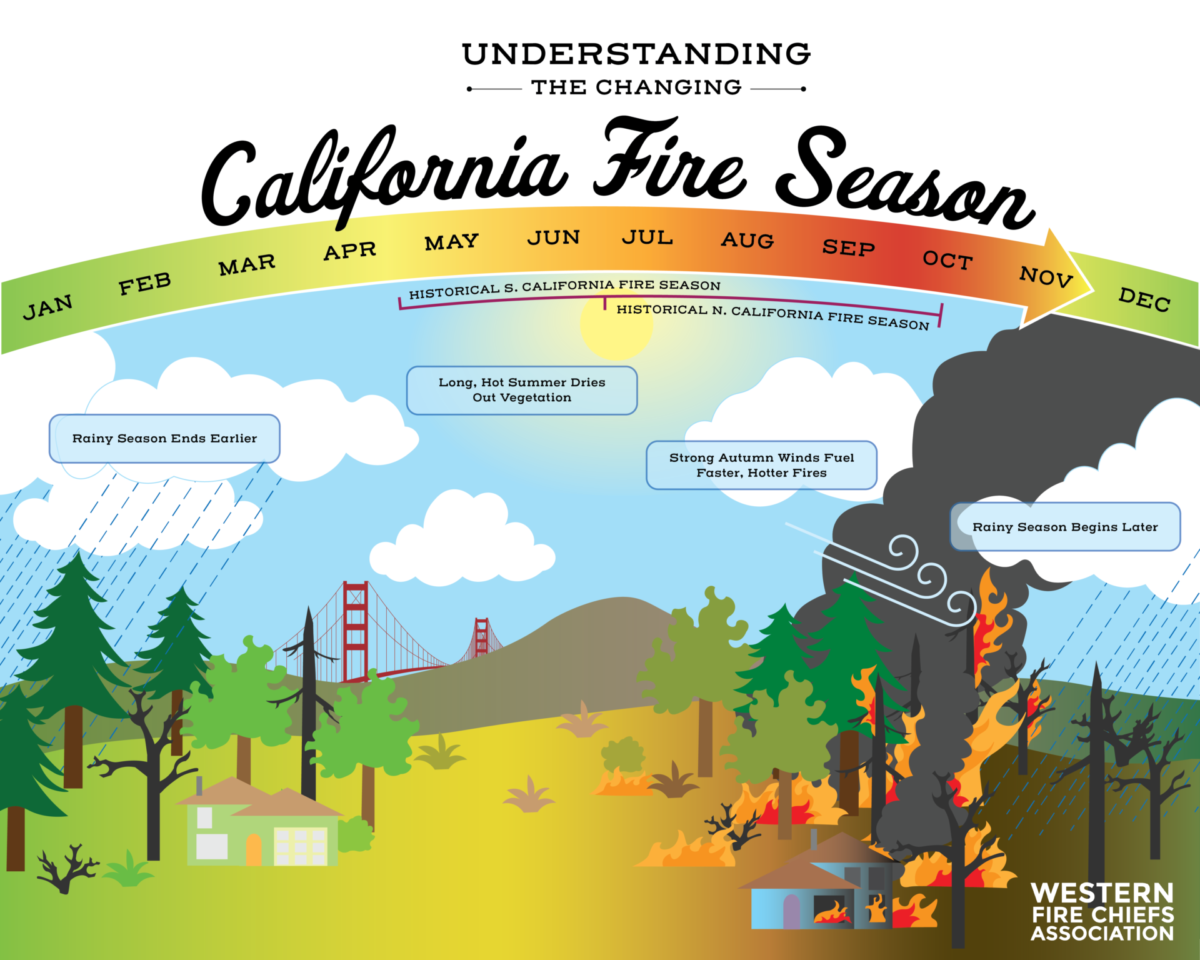
Perhaps the most significant overarching factor contributing to California’s increasingly severe wildfire seasons is climate change. Global warming has created conditions ripe for larger, more intense, and longer-lasting fires. The evidence is compelling:
- Prolonged Droughts: Years of below-average rainfall have left vast areas of the state parched. Trees, shrubs, and grasses, starved of moisture, become highly flammable “fuel” for any spark. The prolonged dry spells in regions like the Sierra Nevada Mountains have led to widespread tree mortality, creating massive amounts of dead biomass.
- Rising Temperatures: California has experienced record-breaking heatwaves, especially during the summer and fall. Higher temperatures dry out vegetation more quickly, extend the fire season, and make it easier for fires to ignite and spread rapidly. These extreme heat events impact everything from agricultural yields to the comfort of visitors staying at boutique hotels in Palm Springs.
- Santa Ana Winds and Diablo Winds: These powerful, dry, and hot winds, typically occurring in the fall, act like bellows, fanning small fires into raging infernos and carrying embers long distances, creating new spot fires. The infamous “fire weather” conditions often coincide with peak fire activity in Southern California (Santa Ana winds) and Northern California (Diablo winds), posing significant challenges for fire suppression efforts and evacuation planning in cities like Los Angeles and Santa Rosa.
These climatic shifts create a volatile environment where even a minor spark can escalate into a catastrophic event.
Human Activity: A Spark in Dry Landscapes
While climate change sets the stage, human activities often provide the ignition. The vast majority of California wildfires are human-caused, whether intentionally or accidentally. As the wildland-urban interface (WUI) expands, bringing more people into fire-prone areas, the risk of human-ignited fires increases significantly.
- Faulty Power Lines: Aging infrastructure and insufficient maintenance by utility companies have been implicated in some of California’s most destructive fires. Strong winds can cause power lines to arc, leading to sparks, or knock down poles, igniting dry vegetation below. The Pacific Gas and Electric Company (PG&E) has faced significant scrutiny and legal repercussions for fires linked to its equipment, notably the 2018 Camp Fire that decimated the town of Paradise.
- Campfires and Outdoor Equipment: Recreational activities, a cornerstone of California’s tourism appeal, carry inherent risks. Unattended campfires, discarded cigarettes, and sparks from off-road vehicles or recreational equipment can easily ignite dry brush in popular spots like Lake Tahoe or along hiking trails.
- Arson: While less common than accidental ignitions, intentional acts of arson do contribute to the problem, adding a malicious dimension to the fire crisis.
- Vehicle Malfunctions and Roadside Debris: Hot catalytic converters, sparks from vehicle chains, or even discarded vehicle parts can spark roadside fires, especially along busy highways traversing wildlands.
- Agricultural Burns and Prescribed Fires Gone Awry: While controlled burns are a critical tool for forest management, reducing fuel loads, sometimes these fires can escape their boundaries under unforeseen weather conditions, leading to unintended consequences.
The sheer volume of human presence in and around wildlands underscores the need for constant vigilance, education, and responsible behavior to prevent these accidental ignitions.
Natural Triggers: Lightning Strikes and Unpredictability
Despite the significant role of human activity, natural phenomena also play their part. Lightning strikes, especially during dry thunderstorms, are a primary natural cause of wildfires, particularly in remote and inaccessible areas.
- Dry Lightning Storms: These storms occur when lightning hits the ground without significant accompanying rainfall to extinguish potential fires. Often, these strikes can smolder for days before erupting into a full-blown blaze, making early detection challenging.
- Remote Ignitions: Lightning-caused fires often occur in wilderness areas far from human habitation, such as parts of Kings Canyon National Park or Redwood National Park. While these fires may initially pose less immediate threat to communities, they can grow very large before they are discovered and contained, contributing significantly to overall acreage burned and impacting air quality across broad regions.
While natural ignitions are inevitable, the conditions exacerbated by climate change mean that even these natural sparks now encounter an environment primed for rapid and intense fire spread.
Devastating Impacts: Beyond the Flames
The immediate destruction caused by wildfires—the loss of homes, businesses, and lives—is just the beginning. The impacts ripple outwards, affecting ecosystems, economies, and the very fabric of society for years to come. For a state reliant on its natural beauty and vibrant cities for tourism and economic prosperity, these effects are particularly acute.
Ecological and Environmental Fallout
The environmental consequences of large-scale wildfires are profound and long-lasting:
- Air Quality Degradation: Smoke plumes from California fires can blanket vast regions, extending for hundreds, even thousands of miles, reaching cities like San Francisco, Sacramento, and even beyond state borders. This smoke contains fine particulate matter that is hazardous to human health, contributing to respiratory illnesses and impacting the daily lives of residents and visitors alike. It can deter travelers from popular destinations, affecting the accommodation sector in otherwise unaffected areas.
- Wildlife Displacement and Habitat Loss: Animals are often displaced or perish in fires, leading to significant biodiversity loss. Habitats, sometimes millennia in the making, can be destroyed in a matter of hours, impacting species from black bears in the Sequoia National Forest to marine life affected by ash runoff.
- Water Contamination and Soil Erosion: Burned landscapes are susceptible to severe erosion, especially during subsequent rain events. Ash and debris can wash into rivers, lakes, and reservoirs, contaminating drinking water supplies and harming aquatic ecosystems. This also impacts scenic areas that are popular for fishing and watersports, such as around Lake Shasta.
- Long-term Forest Health: While some ecosystems are adapted to fire, the increased intensity and frequency of modern blazes can exceed natural resilience thresholds, hindering forest regeneration and leading to type conversions, where forests are replaced by shrublands or grasslands.
Societal and Economic Disruption
The human cost of wildfires extends far beyond those directly in the path of the flames:
- Loss of Homes and Livelihoods: Thousands of homes have been destroyed, forcing residents to rebuild their lives from scratch, often facing immense financial and emotional burdens. Entire towns, such as Paradise, have been virtually wiped off the map.
- Infrastructure Damage: Critical infrastructure, including power grids, communication lines, and transportation networks, is frequently damaged or destroyed, leading to prolonged disruptions and costly repairs.
- Mental Health Impacts: The trauma of evacuation, loss, and living with the constant threat of fire takes a severe toll on mental health, impacting individuals and entire communities in affected regions like Malibu and Santa Cruz.
- Economic Downturn: Beyond direct property damage, wildfires cause significant economic losses through business closures, reduced agricultural output (especially in key regions like Napa Valley or Sonoma County), and decreased property values in affected areas.
The Tourism and Hospitality Sector on Edge
California’s robust tourism industry, a cornerstone of its economy, is particularly vulnerable to wildfires. The state offers diverse destinations and attractions catering to every kind of traveler, from luxury resorts in Big Sur to family-friendly theme parks in Anaheim. Wildfires pose multiple threats:
- Cancellations and Reduced Bookings: Smoke, road closures, and evacuation orders directly impact travel plans. Tourists may cancel bookings at hotels and vacation rentals even if their intended destination is not directly threatened, due to concerns about air quality or perceived risk. For instance, a smoke-filled sky over San Diego could deter beachgoers even if fires are hundreds of miles away.
- Damage to Attractions and Natural Landmarks: Iconic sites like parts of Yosemite National Park or the Santa Monica Mountains have been directly impacted by fires, leading to closures and long-term damage that affects visitor experiences. The allure of untouched nature, a key draw for many, is compromised.
- Impact on Local Businesses: Restaurants, souvenir shops, tour operators, and other businesses that rely on visitor spending suffer significant losses, especially in smaller, tourism-dependent towns. The ripple effect can be devastating for local economies that depend on the tourism dollar.
- Perception of Safety: Ongoing wildfire coverage can create a perception that California is unsafe or inaccessible for travel, regardless of localized fire activity. This can impact international tourism and long-term visitor numbers. The Ritz-Carlton, Laguna Niguel might see a dip in reservations simply due to widespread media coverage of fires, even if Laguna Niguel itself is far from danger.
The challenge for California’s tourism and hospitality sector is not just to recover after a fire, but to adapt and convey resilience in the face of ongoing threats, ensuring visitors can still enjoy its many offerings safely.
Towards Resilience: Prevention, Mitigation, and Recovery
Addressing the wildfire crisis in California requires a multi-pronged approach that tackles the root causes, mitigates immediate risks, and builds long-term resilience within communities and ecosystems.
Innovative Prevention and Forest Management
Shifting from reactive fire suppression to proactive prevention and landscape management is crucial:
- Fuel Reduction: This involves strategically removing excessive vegetation, dead trees, and brush that serve as fuel for fires. Techniques include mechanical thinning, targeted logging, and prescribed burns, carefully conducted under controlled conditions by experts like CAL FIRE (the California Department of Forestry and Fire Protection). Such efforts are vital around vulnerable communities and critical infrastructure.
- Forest Health Initiatives: Investing in the health of California’s forests through sustainable forestry practices can make them more resilient to drought, disease, and fire. This includes replanting efforts with fire-adapted species.
- Early Detection Technologies: Utilizing advanced technologies like satellite monitoring, AI-powered camera networks, and drone surveillance can help detect ignitions much earlier, allowing for quicker response times before fires grow out of control.
- Infrastructure Hardening: Utility companies are being pressed to upgrade power lines, bury cables underground, and implement “public safety power shutoffs” during extreme fire weather to prevent ignitions from their equipment. While unpopular, these measures are proving effective in reducing power-line-related fires.
- Fire-Resistant Landscaping and Construction: Promoting building codes and landscaping guidelines that minimize fire risk around homes and businesses in high-risk areas is essential. This includes using non-combustible materials and creating defensible space around structures.
Community Preparedness and Adaptive Lifestyles
Empowering communities and individuals to live safely in fire-prone landscapes is paramount:
- Evacuation Planning and Communication: Clear, rapid, and reliable communication systems are vital for issuing warnings and managing evacuations. Communities are developing detailed evacuation routes and designated safe zones.
- Home Hardening: Educating homeowners on how to make their homes more resistant to embers and flames (e.g., clearing gutters, installing ember-resistant vents, maintaining defensible space) is a cost-effective way to protect properties.
- Public Education and Awareness: Ongoing campaigns to educate residents and visitors about fire safety, responsible outdoor practices, and the dangers of extreme fire weather are critical. For travelers planning to camp or hike, understanding local fire restrictions is a key part of responsible tourism.
Rebuilding and the Future of California Tourism
The aftermath of fires presents both challenges and opportunities for rebuilding and fostering a more resilient future:
- Sustainable Rebuilding: Communities are focusing on rebuilding with fire-resistant materials and incorporating resilient design principles to withstand future events.
- Supporting Local Economies: For the tourism sector, supporting businesses in affected areas through conscious travel choices is vital for recovery. Choosing local accommodation, dining at local restaurants, and engaging with local tour operators can significantly aid the healing process.
- Responsible Travel and Tourism: Visitors play a crucial role. This includes adhering to fire restrictions, respecting local guidelines, and choosing operators committed to sustainable practices. Destinations like Mendocino or Carmel-by-the-Sea rely on discerning travelers who understand the importance of respectful engagement with the natural environment.
In conclusion, the question “What caused the fire in California?” elicits a complex answer involving a changing climate, pervasive human activity, and natural triggers. The state’s beautiful landmarks, vibrant cities, and diverse ecosystems face an ongoing challenge. However, through continuous innovation in fire management, robust community preparedness, and a collective commitment to responsible lifestyle choices and sustainable tourism, California is striving to adapt, rebuild, and ultimately thrive in the face of this enduring environmental threat, ensuring its allure remains for generations to come.
LifeOutOfTheBox is a participant in the Amazon Services LLC Associates Program, an affiliate advertising program designed to provide a means for sites to earn advertising fees by advertising and linking to Amazon.com. Amazon, the Amazon logo, AmazonSupply, and the AmazonSupply logo are trademarks of Amazon.com, Inc. or its affiliates. As an Amazon Associate we earn affiliate commissions from qualifying purchases.