
The majestic beauty of California, a land of sprawling coastlines, towering mountains, and diverse natural wonders, unfortunately, also plays host to a recurring and devastating phenomenon: wildfires. These intense blazes have become an increasingly significant concern, impacting not only the environment and wildlife but also the vibrant communities and the thriving tourism industry that draws millions to the Golden State each year. Understanding what causes California fires is crucial for residents, visitors, and policymakers alike, enabling better preparation, mitigation, and response. While often perceived as a single issue, the reality of California’s fire landscape is a complex interplay of natural elements and human influences.
The Natural Tinderbox: California’s Arid Climate and Vegetation
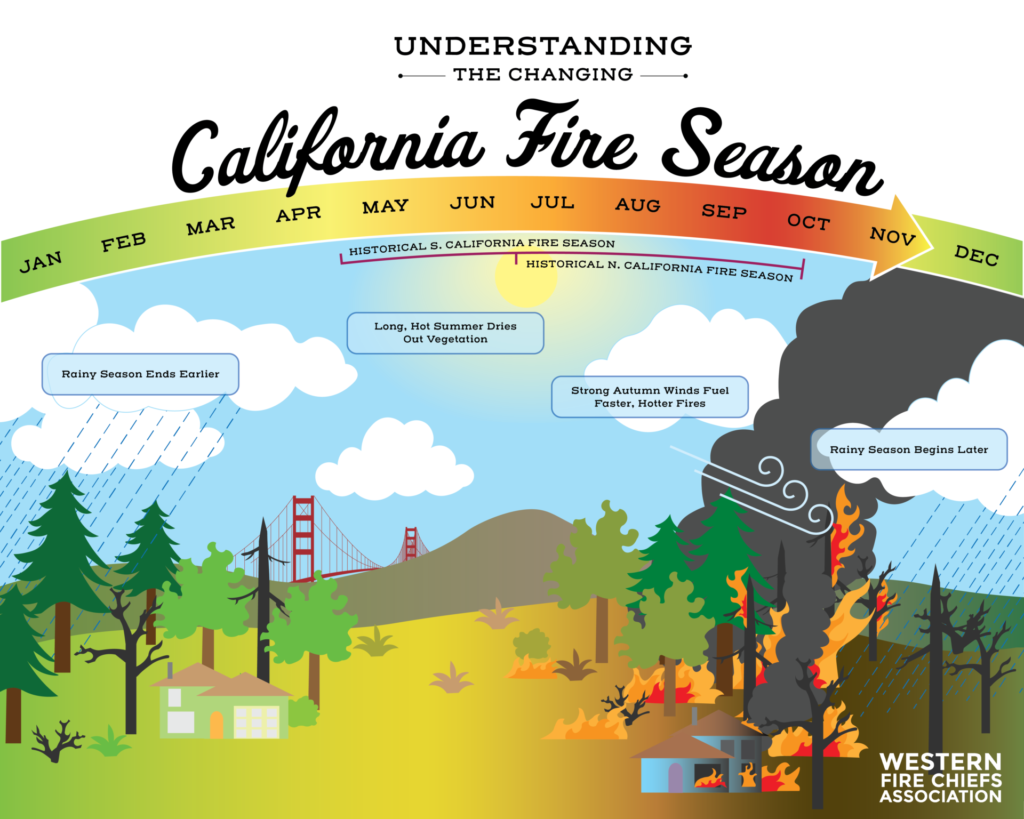
California’s Mediterranean climate, characterized by hot, dry summers and mild, wet winters, creates a natural predisposition for fires. This arid environment is a significant factor in why so many fires ignite and spread with alarming speed.
The Role of Vegetation: A Fuel for the Flames
The state’s varied topography supports a wide array of vegetation types, many of which are highly flammable, especially during the long dry season. These natural fuels are essential components in the fire triangle (fuel, oxygen, and heat), and their abundance and dryness are critical determinants of fire behavior.
Chaparral and Scrublands: Dense, Resilient, and Flammable
Much of California’s wildland is covered by chaparral, a dense, shrubby vegetation characterized by small, leathery leaves that are adapted to survive long periods of drought. This adaptation, while excellent for plant survival, makes chaparral exceptionally flammable when dry. During the summer and fall, these shrubs lose moisture, becoming prime fuel for ignition. The dense growth of chaparral, often found on steep hillsides in areas like the Santa Monica Mountains or the foothills of the Sierra Nevada, allows fires to spread rapidly uphill, creating a formidable challenge for firefighters. This type of vegetation is a constant presence in many popular travel destinations, adding a layer of risk to scenic drives and hiking trails.
Forests: Drought-Stressed Giants
California’s iconic forests, from the redwood groves of the north to the pine and fir forests of the mountains, also contribute to the fire risk. Prolonged droughts, which have become more frequent and severe in recent years, leave these trees vulnerable. Deeper into the forests, dead trees, fallen branches, and a thick carpet of dry needles and leaves accumulate on the forest floor, creating substantial fuel beds. This is particularly true in areas affected by bark beetle infestations, which have killed millions of trees across the state, leaving behind a vast amount of dead, dry timber. These areas, often explored by nature enthusiasts and hikers in places like Yosemite National Park or Sequoia National Park, are susceptible to large, high-intensity fires.
Grasslands and Agricultural Lands: Dry and Easily Ignited
In addition to wildlands, California’s extensive grasslands and agricultural areas, particularly the valleys and rolling hills, become extremely dry during the summer months. This dried grass, often referred to as “fine fuels,” can ignite with a single spark and spread fire very quickly across open terrain. These areas are often adjacent to communities and can pose a significant threat to homes and infrastructure.
The Spark of Ignition: Human Activity and Natural Causes
While California’s environment is primed for fire, ignition sources are primarily a combination of natural events and human activities.
Natural Ignitions: Lightning Strikes
Lightning is the most significant natural cause of wildfires in California. During the dry season, thunderstorms, though infrequent, can produce dry lightning – strikes that occur without significant rainfall. These lightning strikes can easily ignite the dry vegetation, particularly in remote or mountainous areas where human detection and response may be delayed. Historically, lightning has been responsible for many large and significant fires, especially in the backcountry and national forests.
Human-Caused Ignitions: The Dominant Factor
Overwhelmingly, human activities are the leading cause of ignitions for California fires. These incidents are often preventable and highlight the need for public awareness and responsible behavior.
Accidental Ignitions: Everyday Actions with Devastating Consequences
A vast number of fires are sparked by everyday activities that go awry. These include:
- Equipment Malfunctions: Sparks from faulty power lines, agricultural equipment, or vehicles are a significant contributor. The friction from dragging chains or unmaintained mufflers on vehicles can ignite dry grass. This risk is particularly relevant to travelers driving through rural or wildland areas.
- Campfires: Unattended or improperly extinguished campfires are a perennial cause of wildfires, especially in state parks and national forests that are popular destinations for outdoor enthusiasts. Ensuring campfires are completely out before leaving is a critical safety measure.
- Debris Burning: The intentional burning of yard waste or agricultural debris can escape control, especially during windy conditions, leading to widespread fires.
- Fireworks: Especially around holidays like the Fourth of July, illegal fireworks are a frequent cause of ignitions in dry areas.
- Smoking: Discarded cigarettes, even those that appear to be extinguished, can retain enough heat to ignite dry vegetation.
Arson: Intentional Destruction
While less common than accidental ignitions, arson – the deliberate setting of fires – remains a serious concern. These acts of vandalism or malice can have devastating consequences, causing significant damage to property and natural resources and endangering lives. Law enforcement agencies actively investigate and prosecute arsonists.
Infrastructure Failures: Power Lines and Utilities
A critical and increasingly discussed cause of human-ignited fires in California involves failures in utility infrastructure, particularly power lines. When power lines sag, break, or come into contact with vegetation, they can generate sparks that ignite dry fuels. In recent years, utility companies have faced scrutiny and significant liability for fires attributed to their equipment, leading to investments in preventative measures like undergrounding power lines and implementing public safety power shutoffs during high-risk weather conditions. These shutoffs, while disruptive, are designed to prevent catastrophic ignitions in areas with extreme fire weather.
The Amplifying Factors: Weather and Climate Change
Beyond the direct causes of ignition, several amplifying factors contribute to the intensity, speed, and destructiveness of California fires, making them more challenging to control.
Extreme Weather Conditions: Wind, Heat, and Low Humidity
The combination of high temperatures, low humidity, and strong winds creates the perfect storm for rapid fire spread.
Santa Ana and Diablo Winds: The Fire Accelerators
California experiences seasonal wind events that dramatically increase fire danger. The Santa Ana winds, which blow from the desert towards the coast in Southern California, and the Diablo winds in Northern California, are hot, dry, and powerful gusts that can reach speeds of 60 miles per hour or more. These winds fan flames, carry embers long distances (creating new spot fires), and push fires into populated areas with terrifying speed. These wind events are particularly concerning for travelers near canyons, mountain passes, and coastal bluffs where these winds are amplified.
Heatwaves and Drought: Drying Out the Landscape
Periods of extreme heat, coupled with prolonged drought, desiccate vegetation, making it more susceptible to ignition and more volatile when burning. Consecutive years of drought have left many forests and wildlands in a critically dry state, akin to tinder. This drying out is a direct consequence of reduced rainfall and increased evaporation due to higher temperatures.
Low Humidity: Stealing Moisture from Fuels
When relative humidity drops significantly, especially during the hot summer and fall months, it further dries out vegetation, making it even more flammable. This can happen quickly, turning a manageable fire risk into an immediate emergency.

The Specter of Climate Change: A Future of Intensified Risk
The scientific consensus points to climate change as a significant factor exacerbating California’s wildfire problem. Rising global temperatures contribute to hotter and drier conditions across the state, intensifying droughts and increasing the flammability of vegetation. Warmer winters mean less snowpack, a vital water source for California’s ecosystems that melts gradually through the dry season. Changes in weather patterns, including more frequent and intense heatwaves and potential shifts in storm tracks, are also linked to a warming climate. This overarching environmental shift means that the conditions conducive to large, fast-moving fires are likely to become more common and more severe in the future, impacting everything from the natural beauty of national parks to the safety of communities near wildfire-prone areas.
Understanding these interwoven causes—from the natural dryness of the landscape and ignition sources to the amplifying effects of weather and the long-term influence of climate change—is essential for appreciating the complexity of California fires and for developing effective strategies to protect lives, property, and the irreplaceable natural heritage of the Golden State. This knowledge empowers us to make informed decisions as travelers, residents, and stewards of this beautiful, yet fire-prone, land.