
California, a land celebrated for its breathtaking landscapes, vibrant cities, and diverse ecosystems, annually grapples with the devastating force of wildfires. These infernos, which can sweep across vast stretches of land with alarming speed and intensity, are a significant concern for residents, visitors, and anyone interested in the state’s natural beauty and dynamic lifestyle. Understanding the multifaceted causes of these fires is crucial, not just for prevention but also for comprehending their profound impact on everything from travel itineraries and accommodation choices to the preservation of iconic landmarks and the overall tourism economy. From the parched brush of its wildlands to the densely populated fringes of its urban centers, the Golden State presents a complex tapestry where natural phenomena and human activities intertwine to create a persistent fire risk. This article delves into the root causes, the environmental factors that amplify them, and the far-reaching consequences that challenge this beloved destination.
The Dual Nature of Ignition: Natural and Human Triggers
Wildfires in California are not born of a single cause but rather a confluence of natural conditions and human actions. Both play critical roles in igniting the flames that capture global attention each year, reshaping landscapes and impacting communities. Recognizing these distinct origins is the first step toward effective prevention and mitigation.
Nature’s Fury: Drought, Lightning, and Winds
Nature itself holds significant power in initiating wildfires, often setting the stage for more widespread devastation when combined with other factors. A primary natural catalyst is lightning. During summer thunderstorms, particularly those with little or no accompanying rain, dry lightning strikes can ignite highly combustible vegetation. These “dry thunderstorms” are common in the mountainous regions of the Sierra Nevada and other inland areas, where they can spark multiple fires simultaneously, overwhelming suppression efforts.
Another critical natural factor is drought. California is highly susceptible to prolonged periods of drought, which transform lush vegetation into tinder-dry fuel. Years of insufficient rainfall lead to parched soils and desiccated trees and shrubs, creating ideal conditions for fires to start and spread rapidly. The state’s Mediterranean climate, characterized by hot, dry summers and mild, wet winters, makes it inherently vulnerable to these conditions, especially during extended dry spells.
Once a fire starts, whether naturally or by human hand, fierce winds become its primary accelerator. Infamous wind patterns, such as the Santa Ana winds in Southern California and the Diablo winds in the north, are dry, hot gusts that blow from inland desert regions towards the Pacific Ocean. These winds can fan small embers into raging infernos, pushing fire fronts at incredible speeds, jumping firebreaks, and scattering embers miles ahead to start new blazes. Their unpredictable nature and high velocity make fire suppression incredibly challenging, often leading to rapid, uncontrollable growth that endangers communities and natural habitats alike.
Human Footprint: Accidents and Arson
While nature provides the conditions, human activity accounts for the vast majority of wildfire ignitions in California. This “human footprint” encompasses a broad spectrum of causes, from accidental negligence to deliberate acts of arson.
One of the most common human-caused ignition sources involves downed power lines and electrical equipment. Aging infrastructure, particularly in rural and wildland-urban interface areas, can become a hazard, especially during windy conditions. Strong gusts can cause power lines to sway, touch, or break, sending sparks into dry vegetation. Faulty transformers or other electrical equipment can also malfunction and ignite surrounding brush. Major utility companies have faced significant scrutiny and legal action for fires attributed to their equipment, leading to increased efforts in grid hardening and preventative power shutoffs during high-risk periods.
Campfires and discarded cigarettes are another frequent cause. Despite strict regulations and “red flag” warnings, unattended campfires, embers from bonfires, or improperly extinguished coals can quickly escape containment, especially in popular camping destinations like Yosemite National Park or other state parks. Similarly, a single carelessly discarded cigarette butt along a roadside can spark a blaze that rapidly escalates, particularly in dry grass or chaparral. These incidents underscore the need for constant vigilance and adherence to fire safety protocols, especially for travelers exploring California’s natural attractions.
Equipment use, particularly in agricultural, construction, or recreational settings, also poses a significant risk. Sparks from farm machinery, grinding tools, welding equipment, or even exhaust systems from off-road vehicles can ignite dry grass. Activities like target shooting with certain ammunition types can also create sparks capable of starting fires. Furthermore, the use of fireworks, even in areas where they are prohibited, contributes to numerous ignitions each year.
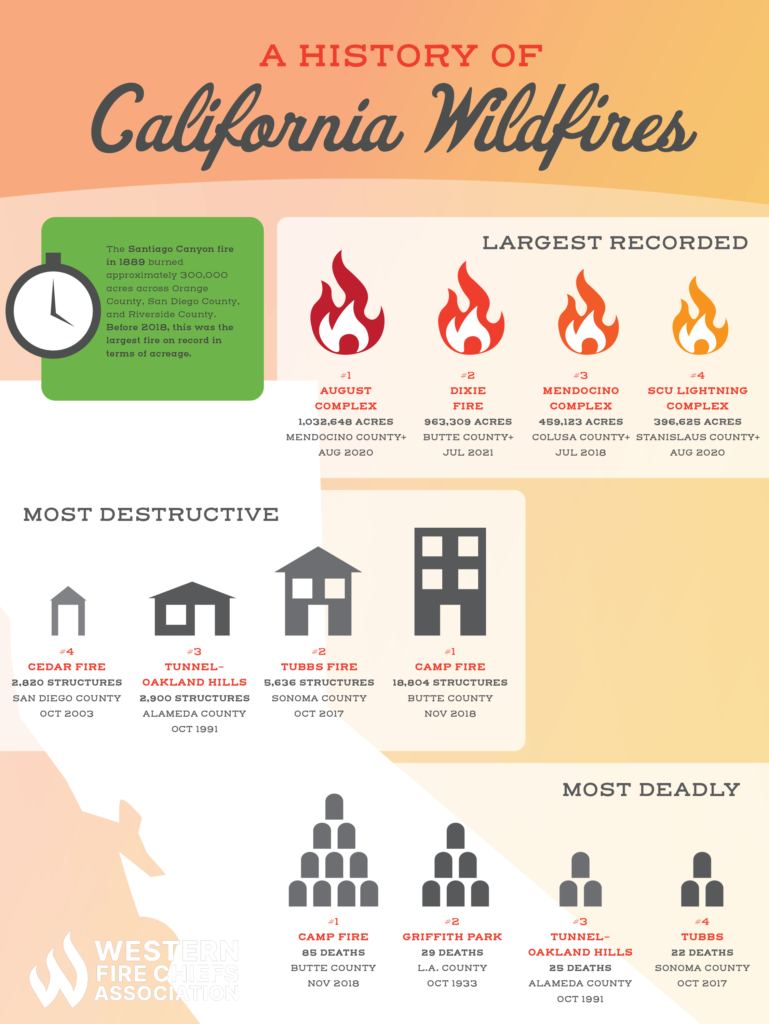
Tragically, arson remains a persistent and destructive cause of wildfires. Deliberately set fires are notoriously difficult to predict and prevent, often occurring in multiple locations simultaneously, stretching emergency resources thin. The motivations for arson vary, from malicious intent and vandalism to psychological disturbances, but the outcome is always devastating. While less frequent than accidental ignitions, arson-caused fires are often among the largest and most destructive, posing a direct threat to communities and the environment.
A Landscape Primed for Fire: Environmental Factors and Climate Change
Beyond the immediate ignition sources, California’s unique environmental characteristics and the overarching influence of climate change create a landscape that is increasingly susceptible to large-scale, destructive wildfires. Understanding these underlying factors is crucial for long-term strategies aimed at mitigating fire risk.
The Golden State’s Unique Geography and Vegetation
California’s diverse geography is a double-edged sword: it offers unparalleled beauty but also inherent fire vulnerability. The state is characterized by rugged mountain ranges, including the Sierra Nevada, coastal hills, and vast wildlands covered in specific types of vegetation that are highly flammable. Chaparral, a dense, shrubby vegetation common in Southern California’s coastal ranges and foothills, is particularly prone to intense fires. It contains volatile oils and, once ignited, burns with extreme heat and speed. Forests of pine, fir, and redwood trees, especially those with an accumulation of deadfall and underbrush, also provide ample fuel.
Historically, these ecosystems evolved with fire as a natural process, clearing out undergrowth and promoting new growth. However, decades of fire suppression policies, aimed at protecting human settlements, have led to an unnatural buildup of fuel. Forests that would have experienced frequent, low-intensity fires are now dense with vegetation, creating conditions for infrequent but catastrophic megafires when ignited. This “fuel load” combined with steep slopes and canyons acts like a chimney, accelerating fire spread uphill and making containment exceptionally difficult for firefighters.

The Intensifying Role of Climate Change
Climate change is not a direct cause of individual fires, but it is unequivocally acting as a significant “threat multiplier,” exacerbating the conditions that lead to more frequent, larger, and more intense wildfires across California. Rising global temperatures contribute to longer and more severe drought periods, drying out vegetation earlier in the year and sustaining dryness for extended durations. Higher temperatures also increase the evaporative demand, meaning more moisture is pulled from plants and soils, making them even more combustible.
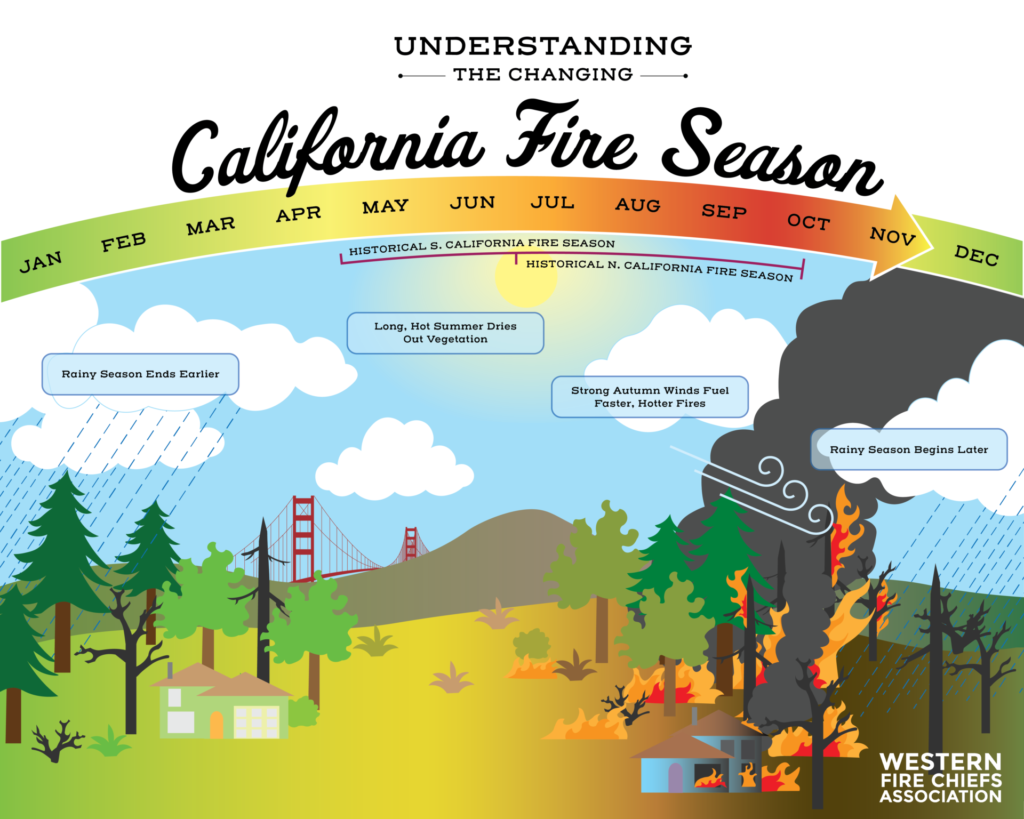
The fire season itself has grown longer, starting earlier in spring and extending further into fall, leaving less time for vegetation to recover and more opportunities for ignitions. Scientists also link climate change to changes in atmospheric patterns, potentially influencing the intensity and frequency of dry lightning storms and the prevalence of strong, dry winds like the Santa Ana and Diablo winds. This cycle creates a dangerous feedback loop where warmer temperatures lead to drier fuels, which in turn lead to more intense fires, releasing more carbon dioxide into the atmosphere, further contributing to global warming.
Wildland-Urban Interface: A Growing Challenge
Perhaps one of the most critical factors amplifying wildfire impact is the expanding wildland-urban interface (WUI). This is the zone where homes and communities meet or intermingle with undeveloped wildland vegetation. As California’s population grows, more people are building homes in scenic, fire-prone areas, like the hills above Los Angeles, the foothills of the Sierra Nevada, or the coastal canyons of Malibu.
This expansion increases the likelihood of human-caused ignitions, as more people are present in high-risk areas. More importantly, it places lives, homes, and infrastructure directly in harm’s way when fires ignite. The WUI presents immense challenges for firefighters, who must balance protecting structures with containing the wildfire front. It also complicates evacuation efforts and adds enormous costs to disaster response and recovery. Protecting these communities requires a combination of defensible space around homes, fire-resistant building materials, and effective community planning.
Beyond the Flames: The Far-Reaching Impacts on California’s Charm
The direct devastation of wildfires — loss of life, homes, and natural habitats — is undeniable. However, their influence extends much further, significantly impacting the very fabric of what makes California a world-renowned destination for travel, tourism, and lifestyle.
Impact on California’s Iconic Landmarks and Natural Attractions
California is home to some of the most spectacular natural and historical landmarks on Earth, many of which lie directly in or near fire-prone areas. National parks like Yosemite National Park, Sequoia National Park, Kings Canyon National Park, and Redwood National and State Parks are not only ecological treasures but also major tourist magnets. Wildfires threaten their ancient trees, unique ecosystems, and visitor infrastructure. A fire can force the closure of entire parks or significant portions, disrupting millions of travel plans and causing substantial economic losses.
Beyond the immediate threat of fire, the long-term effects include erosion, mudslides in burn scars, and altered landscapes that take decades or centuries to recover. Iconic areas like Big Sur‘s coastal highway or the vineyards of Napa Valley and Sonoma County have also faced direct threats from fires, impacting their appeal and accessibility. While the resilience of these landmarks is remarkable, the repeated threats cast a shadow over their long-term preservation and the consistent experiences offered to tourists.
Disruption to Travel and Tourism Industries
The tourism industry is a cornerstone of California’s economy, attracting millions of visitors seeking everything from the beaches of San Diego and Santa Barbara to the urban allure of San Francisco and Los Angeles, and the natural wonders of its national parks. Wildfires introduce significant disruptions. Air quality can deteriorate across vast regions, affecting visitors with respiratory conditions and deterring outdoor activities. Smoke plumes can obscure scenic views, making popular drives along the Pacific Ocean less appealing. Road closures, particularly major highways like U.S. 101 or State Route 1, can severely impact travel logistics, rerouting visitors and delaying journeys.
Travel advisories during fire season can lead to a decrease in bookings for hotels, resorts, and local attractions. Tourists may opt for alternative destinations, fearing for their safety or anticipating a diminished experience. This ripple effect impacts local businesses, from restaurants and tour operators to souvenir shops, all of whom rely heavily on tourist traffic. The uncertainty surrounding fire season, often extending from late spring through late fall, forces potential visitors to reconsider their plans, leading to economic instability for many communities dependent on tourism.
Accommodation Challenges and Safety for Visitors
When wildfires strike, accommodation becomes a critical concern for both residents and visitors. Hotels and resorts, especially those in or near threatened areas, may be forced to evacuate guests, sometimes on very short notice. This can lead to last-minute cancellations, scrambling for alternative lodging, and a general sense of unease among travelers. For those planning a trip, the threat of wildfires means carefully monitoring fire maps and air quality reports, potentially leading to adjustments in their booking strategies or even the cancellation of entire trips.
For example, a luxury resort in Napa Valley or a boutique hotel near Lake Tahoe might offer exquisite amenities and experiences, but if a fire erupts nearby, the safety of guests becomes paramount. Travelers must be prepared for the possibility of emergency situations, understanding evacuation routes and having contingency plans for their stay. This necessitates that accommodation providers also have robust emergency protocols in place to ensure guest safety and communication. The challenge extends to long-term stays as well, as residents displaced by fires often seek temporary housing, putting pressure on available accommodation options and affecting housing markets in safer adjacent areas.
The Shifting Landscape of Lifestyle and Community
Wildfires fundamentally alter the lifestyle for millions of California residents and impact the vibrant community spirit the state is known for. The repeated trauma of evacuation, potential loss of homes, and the constant threat of fire create immense stress and anxiety. For many, the “fire season” has become an annual period of dread and hyper-vigilance, impacting mental health and overall well-being.
Communities, particularly in the WUI, undergo profound changes. The landscape itself is transformed, with lush hillsides replaced by charred remains. This forces a re-evaluation of how and where people build and live, with an increasing emphasis on fire-wise landscaping and home hardening. The economic fallout from wildfires—including property loss, increased insurance premiums, and business interruptions—can cripple local economies and force residents to relocate, thereby changing the social fabric of affected towns. Even in unaffected areas, the pervasive smoke and poor air quality can disrupt daily routines, from outdoor recreation to simply enjoying the natural beauty that defines the Californian lifestyle. This collective experience of resilience and vulnerability shapes the unique identity of life in the Golden State.
Safeguarding California’s Future: Prevention and Preparedness
Addressing the complex challenge of California wildfires requires a multi-pronged approach focused on both prevention and preparedness. This involves significant investments in infrastructure, shifts in land management, and a collective commitment from communities and visitors alike.
Proactive Forest Management and Community Efforts
Forest management plays a crucial role in reducing fire risk. This includes practices like prescribed burns, where controlled fires are intentionally set under specific conditions to clear out excessive undergrowth and fuel loads, mimicking natural fire cycles in a safe manner. Forest thinning and mechanical removal of dead trees and dense vegetation also help create healthier, more fire-resistant forests. These proactive measures can help prevent small ignitions from escalating into megafires by reducing the available fuel.
At the community level, efforts focus on creating defensible space around homes by clearing flammable vegetation within a certain radius. Home hardening, which involves using fire-resistant building materials and sealing potential entry points for embers, is also critical. Programs like “Firewise USA” encourage communities to work together on mitigation strategies. Education and awareness campaigns are vital to inform residents about safe practices, evacuation routes, and emergency preparedness plans. These collective efforts empower communities to reduce their vulnerability and increase their resilience against wildfires.
Responsible Travel and Visitor Awareness
For the millions of travelers who visit California each year, responsible behavior is paramount in preventing human-caused ignitions. This means being acutely aware of fire danger levels, especially when visiting national parks, forests, or rural areas. Adhering to fire restrictions, such as “red flag warnings” that prohibit campfires or outdoor burning, is non-negotiable.
Tourists should properly extinguish campfires, never discard cigarette butts out of vehicle windows, and be mindful of sparks from vehicles or equipment. Before embarking on a trip, checking local fire conditions and park alerts is essential, especially when planning to visit natural landmarks like Yosemite National Park or the scenic routes near Big Sur. Accommodation providers in high-risk areas often provide guests with fire safety information, and travelers should familiarize themselves with emergency procedures, including evacuation plans. By practicing heightened awareness and responsibility, visitors can help protect California’s natural beauty and ensure the safety and enjoyment of their travel experiences for themselves and others.
In conclusion, wildfires in California are a complex environmental challenge driven by a mix of natural phenomena, human actions, and a landscape made more vulnerable by climate change. Their far-reaching impacts touch every aspect of life in the state, from its iconic landmarks and vibrant tourism industry to the daily lives and long-term planning of its residents. Through sustained efforts in prevention, preparedness, and responsible behavior, California can continue to strive towards a future where its unparalleled beauty is cherished and protected against the growing threat of fire.