
Hawaii, an archipelago of enchanting islands nestled in the vast expanse of the Pacific Ocean, evokes images of sun-drenched beaches, lush rainforests, and vibrant local culture. While many associate the islands with perpetual summer, understanding Hawaii’s precise climate region is crucial for any traveler planning their dream getaway. This exploration delves into the climatic characteristics that define the Aloha State, offering insights for those seeking the perfect travel experience, from choosing the ideal accommodation to planning unforgettable excursions.
Understanding Tropical Climates
At its core, Hawaii falls under the classification of a tropical climate. However, this broad categorization only scratches the surface. Tropical climates are generally characterized by high temperatures and significant rainfall throughout the year, with little variation between seasons. They are typically found in regions near the equator, and Hawaii, situated roughly 2,300 miles southwest of San Francisco and over 5,000 miles from New York City, sits squarely within this geographical band.
The Influence of the Trade Winds
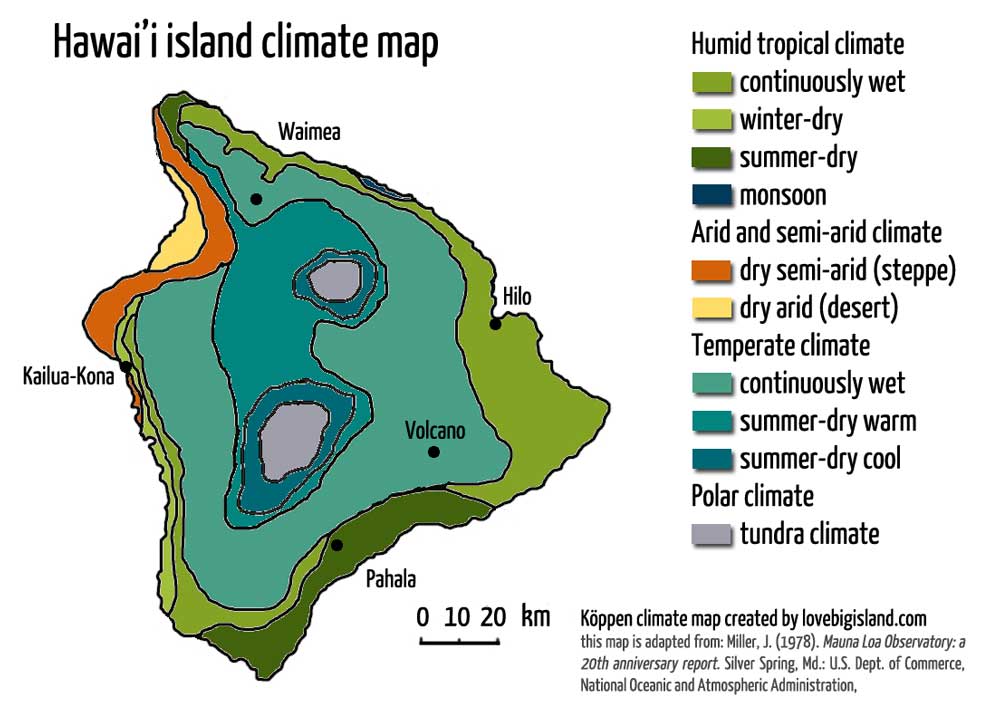
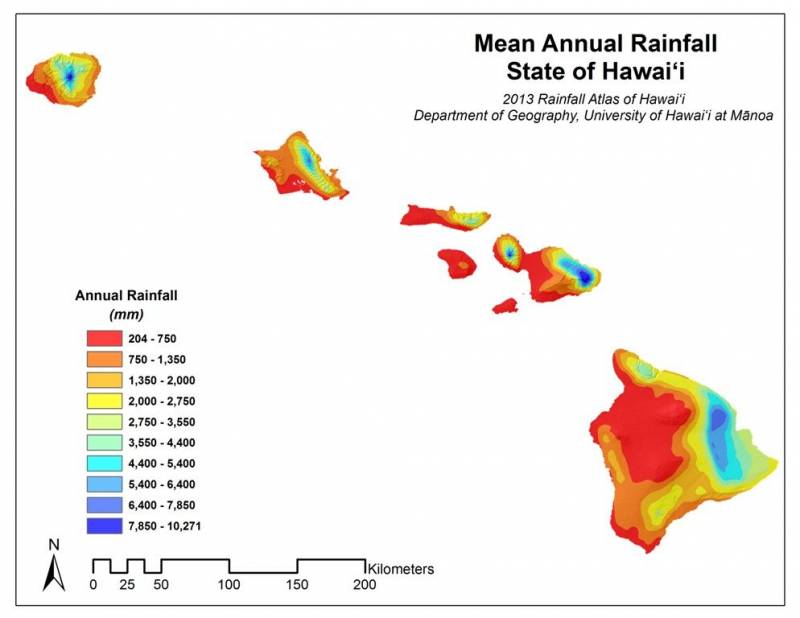
A defining feature of Hawaii’s tropical climate is the persistent influence of the northeasterly trade winds. These prevailing winds blow across the Pacific Ocean, carrying moisture and moderating temperatures. They are responsible for the distinct difference in climate experienced on the windward (northeastern) and leeward (southwestern) sides of each island. The windward sides receive abundant rainfall, fostering lush, verdant landscapes, while the leeward sides are significantly drier and sunnier, creating more arid conditions, ideal for beaches and resorts.
For travelers, this means that a short drive can lead to drastically different environments. For example, the verdant slopes of the Haleakala National Park on Maui are a testament to the windward climate, while the world-renowned beaches of Kaanapali often benefit from the drier, sunnier leeward conditions. This microclimate phenomenon is a key factor in the diverse attractions Hawaii offers, from hiking through misty rainforests to lounging on golden sands.
Hawaii’s Climatic Zones: More Than Just Tropical
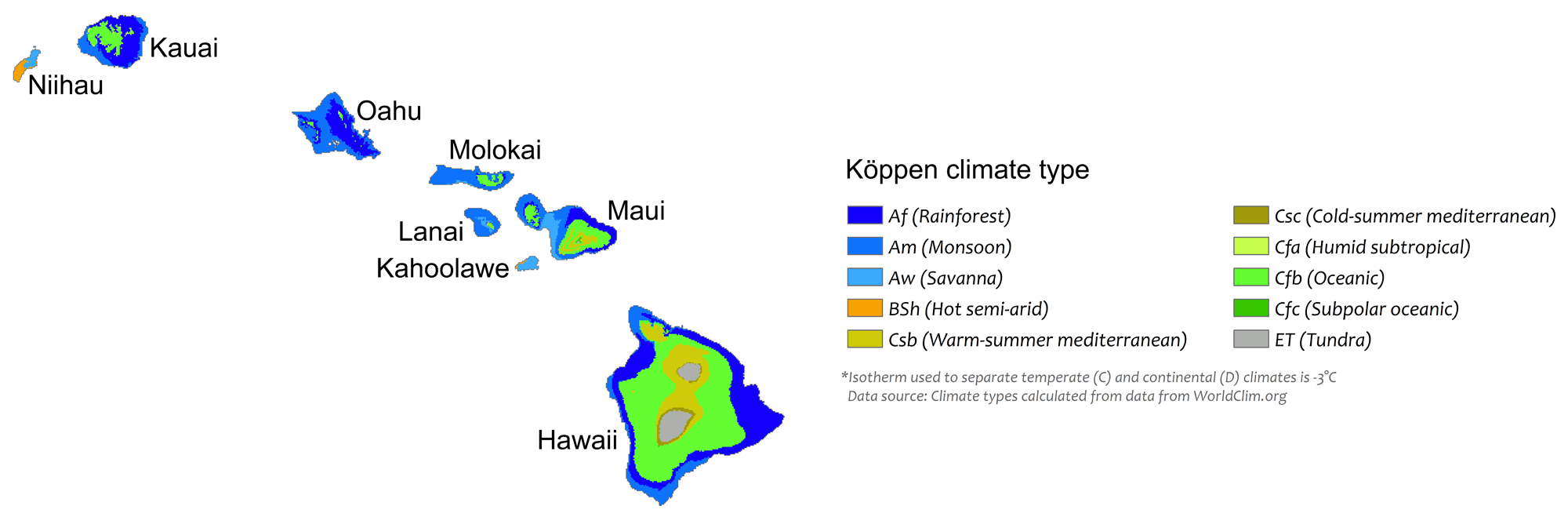
While broadly tropical, Hawaii’s unique geography, characterized by volcanic mountains that rise dramatically from sea level, creates a fascinating array of microclimates and distinct climatic zones within its relatively small landmass. These variations are not just academic; they significantly impact the experiences available to visitors and the types of accommodation and activities that thrive in different areas.
The Impact of Elevation
The elevation of the islands plays a pivotal role in shaping their climate. As you ascend the volcanic slopes, temperatures decrease, and rainfall patterns can change dramatically. This elevation-driven variation creates distinct climate zones that mirror those found much further from the equator.
Coastal Regions: Warm and Humid
The coastal areas of Hawaii, at sea level, experience the classic tropical climate. Temperatures here are consistently warm, averaging between 75°F and 85°F (24°C and 29°C) year-round. Humidity is typically high, contributing to the lush vegetation and the refreshing feel of the ocean breeze. This is the climate most people envision when dreaming of a Hawaiian vacation, with gentle breezes, warm sunshine, and the soothing sound of waves.
- Traveler’s Advantage: These are the primary areas for beach resorts like the Grand Wailea, A Waldorf Astoria Resort on Maui or the Halekulani Hotel in Honolulu. The consistent warmth makes them ideal for swimming, sunbathing, and enjoying water sports like surfing and snorkeling.
Mid-Elevation Zones: Temperate and Pleasant
As you move inland and ascend to mid-elevations, roughly between 2,000 and 4,000 feet, the climate becomes more temperate. Temperatures are cooler, often in the 60s and 70s Fahrenheit (15°C to 25°C), and the air can feel crisper. Rainfall may still be significant, especially on the windward sides, supporting diverse flora and fauna. This zone offers a comfortable respite from the high humidity of the coast and is often characterized by coffee plantations and agricultural lands.
- Accommodation Options: Visitors looking for a more serene experience might find charming bed and breakfasts or vacation rentals in these regions. It’s also a popular elevation for golf courses and botanical gardens, such as the Hawaii Tropical Bioreserve & Garden.
High-Elevation Areas: Cool and Arid (or Alpine)
At the highest elevations, particularly on Maui’s Haleakala and the volcanic peaks of the Big Island (including Mauna Kea and Mauna Loa), the climate undergoes a dramatic transformation. Temperatures can drop significantly, reaching near freezing at the summits, and rainfall becomes scarce, creating arid, almost desert-like conditions. This is Hawaii’s alpine or montane zone, a stark contrast to the tropical paradises found at sea level.
- Unique Experiences: This climate is perfect for stargazing, as the high altitudes offer clear, dark skies. Visitors can explore volcanic landscapes that resemble alien terrain, such as the Haleakala National Park summit or the Hawaii Volcanoes National Park on the Big Island. Careful packing is essential, as temperatures can be surprisingly chilly, even in the middle of the day.
Seasonal Variations in Hawaii
Despite being a tropical region, Hawaii does experience subtle seasonal shifts, primarily distinguished by rainfall patterns rather than drastic temperature changes. Understanding these variations can help in planning the best time to visit for specific activities or preferences.
The “Dry” Season (Summer)
The period from approximately May to October is generally considered Hawaii’s drier season. During these months, the islands tend to experience less rainfall, with more abundant sunshine, especially on the leeward coasts. This is often referred to as the summer season, with average temperatures in the mid-80s Fahrenheit (around 29°C). This is peak tourist season for many, offering ideal conditions for outdoor activities and beach-focused vacations.
The “Wet” Season (Winter)
From November to April, Hawaii experiences its wetter season, often referred to as winter. While “wet” might conjure images of constant downpours, it’s important to remember the influence of the trade winds. The windward sides of the islands will receive more rain during these months, leading to lush, vibrant landscapes. However, the leeward sides often remain sunny and pleasant. Temperatures are slightly cooler, averaging in the mid-70s Fahrenheit (around 24°C). This season is also known for larger waves on the north shores of islands like Oahu, attracting world-class surfers to iconic spots like Waimea Bay and Banzai Pipeline.
- Traveler’s Tip: For budget-conscious travelers or those seeking a less crowded experience, the shoulder months of the wet season (late April to early May, and late September to early October) can offer a good balance of pleasant weather and fewer tourists. This also presents opportunities for booking accommodations at places like the Outrigger Waikiki Beach Resort at potentially more favorable rates.
Beyond the Tropics: The Climate of the Hawaiian Islands
The classification of Hawaii as a tropical region is accurate but incomplete without acknowledging the extraordinary climatic diversity within its island chain. The interplay of geography, elevation, and oceanic influences creates a spectrum of environments, each offering unique attractions and experiences for every type of traveler, from the luxury seeker to the budget adventurer.
Island-Specific Climate Nuances
Each of Hawaii’s main islands boasts its own unique climate profile, influenced by its size, topography, and prevailing wind patterns.
- Oahu: Home to the bustling city of Honolulu and the famous Waikiki Beach, Oahu experiences a typical tropical climate on its southern shores, characterized by warm temperatures and sunny days. The northern, or windward, coast is more prone to rain, supporting lush greenery and dramatic cliffs like those found along the Na Pali Coast (though primarily associated with Kauai). The central plains are drier.
- Maui: Known for its diverse landscapes, Maui showcases the windward-leeward contrast vividly. The west and south coasts are typically dry and sunny, ideal for resorts like the Hyatt Regency Maui Resort and Spa. The east coast, particularly the road to Hana, is renowned for its rainforests and frequent rainfall. The summit of Haleakala offers an entirely different, cool, and often cloud-covered environment.
- Kauai: Often called the “Garden Isle” due to its abundant rainfall and lush vegetation, Kauai is wetter overall than many other islands. The north and east coasts are significantly rainier, contributing to its dramatic emerald landscapes, including the breathtaking Waimea Canyon. The south and west coasts are drier, offering sunnier beach destinations.
- Big Island: The largest and geologically youngest island, the Big Island presents the most dramatic climate variations due to its immense volcanoes. The east side, facing the trade winds, is very wet, supporting rainforests. The west side is drier and sunnier, home to popular resorts and beaches. The summits of Mauna Kea and Mauna Loa are alpine deserts, experiencing cold temperatures and snow at their highest peaks. The island also features a unique “Kona” side known for its sunny weather and coffee farms.
Planning Your Hawaiian Adventure
Understanding Hawaii’s climate regions is paramount for effective travel planning. Whether you are booking a luxury villa in Wailea, a budget-friendly apartment in Kailua-Kona, or planning a multi-island itinerary, the climate will influence your packing list, choice of activities, and overall experience.
For instance, a trip focused on exploring the volcanic landscapes of the Big Island will require different gear and expectations than a vacation centered around the beaches of Maui. Researching the specific climate of the area you intend to visit within each island will ensure you are adequately prepared and can make the most of your Hawaiian adventure. From the tropical allure of the coast to the cool, ethereal heights of the volcanoes, Hawaii’s climate regions offer a captivating journey for every traveler.
LifeOutOfTheBox is a participant in the Amazon Services LLC Associates Program, an affiliate advertising program designed to provide a means for sites to earn advertising fees by advertising and linking to Amazon.com. Amazon, the Amazon logo, AmazonSupply, and the AmazonSupply logo are trademarks of Amazon.com, Inc. or its affiliates. As an Amazon Associate we earn affiliate commissions from qualifying purchases.