
The University of Texas, a name synonymous with athletic prowess and a fervent fanbase, has embarked on a new chapter by joining the illustrious Southeastern Conference (SEC). While this move ushers in exciting new rivalries and travel destinations for its loyal followers, it also invites reflection on the university’s rich athletic history. Before aligning with the SEC, the Texas Longhorns were integral members of two other powerful conferences that shaped their identity and offered distinct experiences for fans traveling across the American heartland: the Big 12 Conference and, even further back, the legendary Southwest Conference. This journey through conference affiliations isn’t just about sports; it’s a vibrant tapestry of travel, local culture, iconic landmarks, and unique lifestyle experiences that have defined generations of Texas fans.

For anyone planning a trip, whether for a game, an alumni event, or simply exploring the vibrant college towns that host these storied institutions, understanding this historical context enriches the travel experience. From the bustling metropolises that once hosted Southwest Conference showdowns to the sprawling campuses of the Big 12, each era offered distinct flavors of regional tourism, accommodation options, and cultural immersion. The allure of college sports extends far beyond the stadium gates, inviting travelers to discover local cuisine, historical sites, and the unique hospitality that makes each destination unforgettable.
The Legacy of the Southwest Conference: A Storied Past
Before the modern era of superconferences, the University of Texas was a foundational pillar of the Southwest Conference (SWC), a league steeped in tradition and fiercely contested regional rivalries. Formed in 1914, the SWC primarily comprised institutions from the state of Texas, fostering an intensely local flavor that made every game a significant event. This conference was more than just an athletic league; it was a cultural phenomenon that defined weekends across the Lone Star State for over 80 years. Its collapse in 1996 marked the end of an era, but its legacy continues to resonate, particularly for fans who remember the golden age of Texas football within its ranks.
For travelers, the SWC era was characterized by road trips that rarely crossed state lines, focusing instead on the diverse cities within Texas. This meant exploring the unique characteristics of places like Dallas, Houston, Fort Worth, Waco, and Lubbock, each offering its own blend of attractions, dining, and hospitality. Game day became an opportunity not just to support the Longhorns, but to immerse oneself in the local scene, discovering hidden gems and experiencing the vibrant spirit of Texas tourism.
Founding and Early Dominance: A Regional Powerhouse
The Southwest Conference was initially composed of eight institutions, including the University of Texas, Texas A&M, Baylor, Rice, Arkansas, Oklahoma, Oklahoma A&M (now Oklahoma State), and SMU. Over time, some members departed (like Oklahoma and Oklahoma State to form the Big Eight Conference), and others joined, such as Texas Tech and TCU, eventually solidifying its footprint within Texas and one bordering state. Texas enjoyed a period of significant dominance throughout the SWC’s history, particularly in football, winning numerous conference championships and establishing iconic rivalries. The annual Thanksgiving Day game between Texas and Texas A&M, for instance, was a pinnacle of college football, attracting massive crowds and fervent passion.
From a travel perspective, this early dominance meant frequent trips to Austin for home games, a city that has evolved into a major tourist destination known for its vibrant music scene, burgeoning culinary landscape, and outdoor activities along Lady Bird Lake. Away games offered a chance to visit cities like College Station, with its distinct university atmosphere, or Fort Worth, a city rich in Western heritage. Accommodations ranged from charming boutique hotels to classic motor lodges, catering to different travel lifestyles. For those interested in history, the campuses themselves, with their distinctive architecture and long-standing traditions, became landmarks in their own right, reflecting the academic and athletic pride of the region.
The Fan Experience in the SWC Era: A Culture of Road Trips and Rivalries
The Southwest Conference cultivated a unique fan experience, characterized by passionate rivalries and the joy of the weekend road trip. Fans would pack their cars, often with family and friends, to follow the Longhorns to various corners of Texas. These journeys weren’t just about reaching the stadium; they were about the shared experience of travel, stopping at roadside diners, exploring small towns, and building anticipation for the upcoming game.
In Dallas, the Cotton Bowl Stadium hosted the iconic Red River Rivalry against the Oklahoma Sooners during the State Fair of Texas, transforming the city into a vibrant hub of orange and crimson. Fans arriving in Dallas for this annual spectacle would often extend their stays to enjoy the fair, visit the Sixth Floor Museum, or explore the Dallas Arts District. In Houston, games against the Houston Cougars or Rice offered a chance to explore the city’s diverse culinary scene and attractions like the Space Center Houston. These trips were mini-vacations, blending the excitement of sports with opportunities for cultural discovery and family bonding. Accommodation during these times ranged from budget-friendly motels to more upscale hotels in the downtown areas, all catering to the influx of fans.
Iconic Venues and Landmarks: More Than Just Stadiums
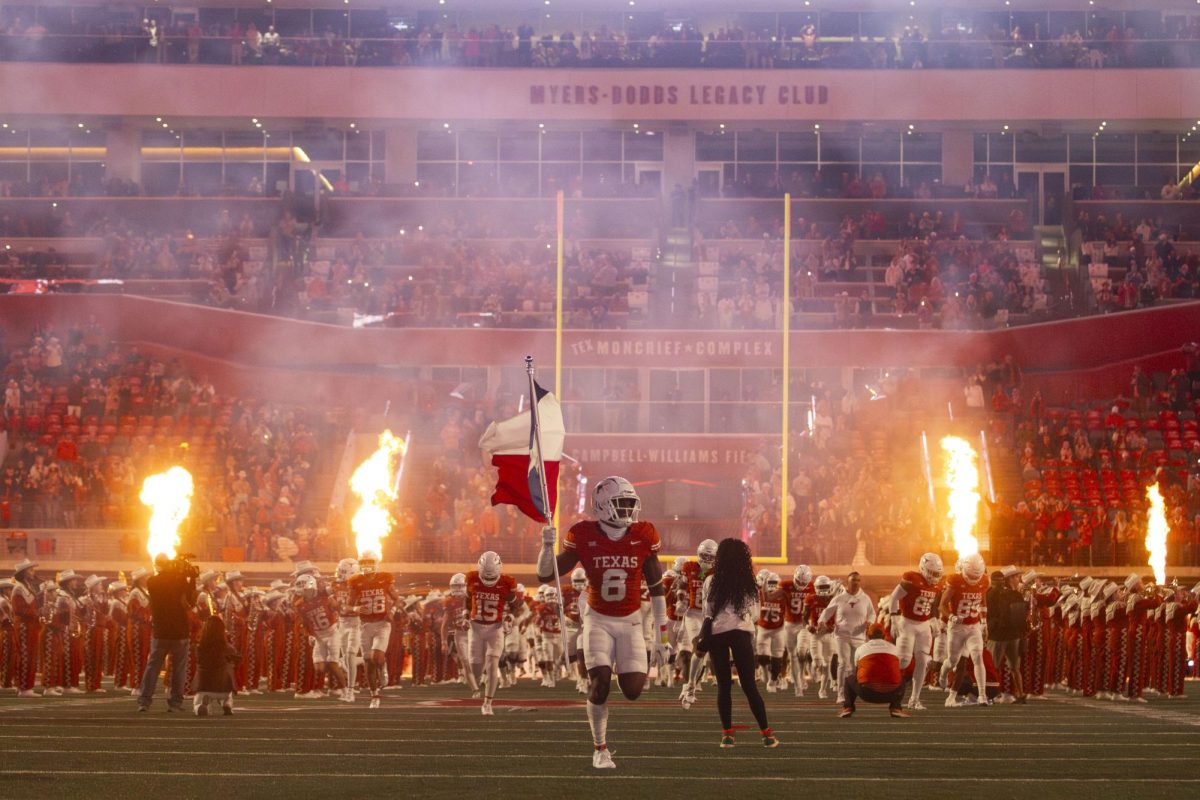
The stadiums of the Southwest Conference were, and many still are, significant landmarks. Darrell K Royal-Texas Memorial Stadium in Austin stands as a testament to Texas’s enduring football tradition, a monumental structure that has grown with the program. Visiting this stadium offers more than just a game; it’s an immersive experience into the heart of Longhorn pride, with its statues, halls of fame, and the legendary “Godzillatron” scoreboard.
Beyond Austin, other SWC cities offered their own unique landmarks. Fort Worth boasts the historic Stockyards National Historic District, where visitors can experience cattle drives and rodeos, providing a perfect pre-game cultural immersion. The Dallas-Fort Worth Metroplex offered not only the Cotton Bowl but also a wealth of museums, shopping, and entertainment options that appealed to diverse travel interests. These venues and their surrounding areas were integral to the game-day lifestyle, transforming simple football trips into memorable travel experiences where fans could engage with the local history and natural beauty of Texas, perhaps even extending their stay to visit Big Bend National Park or The Alamo and Riverwalk in San Antonio.
The Rise of the Big 12 Conference: A New Era of Rivalries
Following the dissolution of the Southwest Conference, the University of Texas became a founding member of the Big 12 Conference in 1996. This new league was a merger of four SWC schools (Texas, Texas A&M, Baylor, Texas Tech) with the eight members of the Big Eight Conference (Colorado, Iowa State, Kansas, Kansas State, Missouri, Nebraska, Oklahoma, Oklahoma State). The Big 12 introduced Texas fans to a broader geographical footprint and new rivalries, transforming the landscape of college football travel. While retaining some traditional matchups, it also created opportunities to explore new states and experience different regional cultures.
The formation of the Big 12 opened up a new chapter for sports tourism for Longhorn faithful. No longer confined mostly to Texas, fans could plan extended trips to cities like Kansas City, Oklahoma City, Ames, and Stillwater. This required more planning for accommodation, often involving hotel bookings in advance, and a greater emphasis on navigating interstate travel. The new conference schedule turned game weekends into more substantial travel plans, offering a blend of traditional college town charm and visits to larger regional centers.

Formation and Expansion: A Broader Geographic Reach
The initial twelve-team structure of the Big 12 Conference brought together diverse athletic programs and fanbases. While the Red River Rivalry with Oklahoma continued its legacy, new rivalries quickly blossomed with programs like Oklahoma State, Kansas State, and later, West Virginia. The conference saw various expansions and realignments over the years, with teams like Nebraska, Colorado, Missouri, and Texas A&M eventually departing, and new members like TCU and West Virginia joining. Each change meant new travel itineraries for fans.
For example, trips to Missouri’s campus in Columbia offered a chance to explore the Ozark region, while visits to Kansas meant experiencing the charming college town of Lawrence. The longer distances involved often led to fans seeking out chain hotels and resorts that offered consistent quality and amenities, though local boutique hotels in college towns always remained a popular choice for those seeking a more unique stay. The expansion also meant a broader array of flight options and rental car availability, making weekend trips more accessible for a wider range of travelers, from budget-conscious students to alumni seeking luxury travel experiences.
Traveling for Big 12 Battles: Exploring the Heartland
Traveling for Big 12 games became an adventure across the American heartland. A trip to Stillwater, Oklahoma, for a game against Oklahoma State offered insights into a quintessential college town, complete with vibrant campus life and local eateries. For those heading to Ames, Iowa, to see Iowa State, it was an opportunity to witness Midwestern hospitality and perhaps combine the trip with exploring natural attractions or regional festivals.
Major cities like Kansas City, which frequently hosted the Big 12 Championship Game, became focal points for fan convergence. Kansas City offers a wealth of attractions, from its famous barbecue joints to the National WWI Museum and Memorial, providing ample opportunity for tourism beyond the game itself. Fans would book hotels well in advance, ranging from downtown luxury suites to more affordable options closer to the stadiums. The concept of “fan zones” and pre-game events in these cities transformed the experience into a multi-day festival, catering to a lifestyle of passionate fandom and communal celebration.
Game Day Culture and Lifestyle: Tailgating and Community
The Big 12 Conference era solidified many of the game-day traditions that define college football today. Tailgating reached new heights, with elaborate setups becoming mini-communities in stadium parking lots and university green spaces. This lifestyle of shared food, drinks, and camaraderie before kickoff became as important as the game itself. From simple grills and coolers to full-blown RV resorts, the tailgating scene reflected a diverse range of travel and lifestyle choices. Many families planned their annual vacations around a marquee game, turning it into a family trip that combined sports with sightseeing.
Accommodation for these trips ranged widely. Some fans preferred the convenience of hotels within walking distance of the stadium, while others opted for resort-style stays further out, utilizing ride-sharing or public transport. For those on a budget, booking apartments or villas through short-term rental platforms became a popular alternative, offering more space and flexibility. Whether it was exploring the University of Oklahoma’s campus in Norman or enjoying the pre-game buzz in Manhattan, Kansas, the Big 12 years were rich with opportunities for fans to immerse themselves in the unique blend of collegiate sports and regional tourism. The overall lifestyle embraced by Longhorn fans during this period was one of eager exploration, uniting the thrill of competition with the joy of discovering new places and cultures across the heartland.
The Allure of the Southeastern Conference and Future Travels
With the University of Texas’s move to the Southeastern Conference, a new chapter in travel and fan experiences is set to unfold. While the article’s title focuses on the past, understanding the historical context of the SWC and Big 12 provides a valuable lens through which to appreciate the upcoming adventures in the SEC. The SEC is renowned for its unparalleled passion for college football, creating an atmosphere that is truly a bucket-list experience for any sports traveler. This move introduces Longhorn fans to a completely new set of travel destinations, iconic landmarks, and distinct Southern hospitality, promising even grander road trips and deeper cultural immersion.
The shift to the SEC means adjusting to longer travel distances, often requiring flights rather than solely driving, but it also means visiting some of the most celebrated college towns in the nation. This presents an exciting opportunity for fans to explore new regions, taste different cuisines, and engage with diverse local cultures. The SEC’s reputation for large-scale game-day events, luxurious hospitality, and passionate fan bases will undoubtedly elevate the overall travel and lifestyle experience for Texas supporters.
Exploring New Horizons in the SEC: Beyond the Heartland
Joining the SEC means that Texas fans will trade familiar trips to Oklahoma and Kansas for journeys to the Deep South and beyond. Imagine planning a trip to Nashville, Tennessee, combining a Vanderbilt game with visits to Music Row and the Grand Ole Opry. Or a vibrant excursion to Baton Rouge, Louisiana, for a clash with LSU, immersing oneself in Cajun cuisine and the festive atmosphere of the French Quarter in nearby New Orleans.
Other enticing destinations include Gainesville, Florida, for games against the Florida Gators, perhaps extended to enjoy Florida’s stunning beaches; Athens, Georgia, home to the University of Georgia Bulldogs, where historic architecture and a thriving music scene await; or Tuscaloosa, Alabama, to experience the legendary tradition of the University of Alabama. Each city offers a unique blend of tourism opportunities, from historical landmarks to natural beauty, making every away game a full-fledged travel adventure. Fans can choose from various accommodation types, including charming bed and breakfasts in Southern towns, luxury resorts on the coast, or modern hotels in bustling city centers. This wide array of destinations caters to every travel preference and budget, promising unforgettable experiences.
Upgraded Travel and Accommodation: The SEC Standard
The move to the SEC often comes with an expectation of an elevated game-day experience, both inside and outside the stadium. SEC schools are known for their massive crowds, elaborate tailgating traditions, and state-of-the-art facilities. For fans, this translates into potentially more robust travel planning, possibly involving direct flights to regional airports and booking upscale hotels or even private villas for weekend stays. Many SEC towns, while retaining their unique charm, also offer a range of luxury accommodations, high-end dining, and specialized tourism services catering to the affluent traveler.
Whether it’s staying in a historic hotel in Columbia, South Carolina, for a game against the South Carolina Gamecocks or finding a spacious suite near the University of Mississippi in Oxford to experience “The Grove” at its finest, the options for accommodation and lifestyle choices are expanding dramatically. This transition not only enhances the athletic competition but also broadens the horizons for dedicated fans, offering a chance to embark on new travel experiences, explore distinct regional cultures, and create lifelong memories in the heart of college football country. The journey from the SWC to the Big 12 and now to the SEC showcases the evolving landscape of sports, travel, and the enduring passion that makes collegiate athletics a truly unique American lifestyle.
The University of Texas’s history is deeply intertwined with its conference affiliations, each chapter offering a distinctive blend of athletic competition and cultural exploration. From the intensely regional rivalries of the Southwest Conference to the broader reach of the Big 12 Conference, Longhorn fans have consistently embraced the travel and lifestyle aspects of following their beloved team. As Texas embarks on its SEC journey, it’s not just a new era for football, but a thrilling new frontier for tourism, hospitality, and unforgettable experiences across the Southern United States. The spirit of the road trip and the joy of discovery will undoubtedly continue to define the vibrant fan culture of the Texas Longhorns for generations to come.