
When planning a trip to the vibrant metropolis of Chicago, one might naturally wonder about its geographical footprint, including which counties encompass this magnificent urban center. Understanding the county composition of Chicago provides insight into its vastness, governance, and the broader regional context, enhancing your travel experience. While the answer might seem straightforward, there’s a nuance that’s particularly interesting for those exploring the reach of its world-renowned O’Hare International Airport.
Chicago’s Primary Home: Cook County
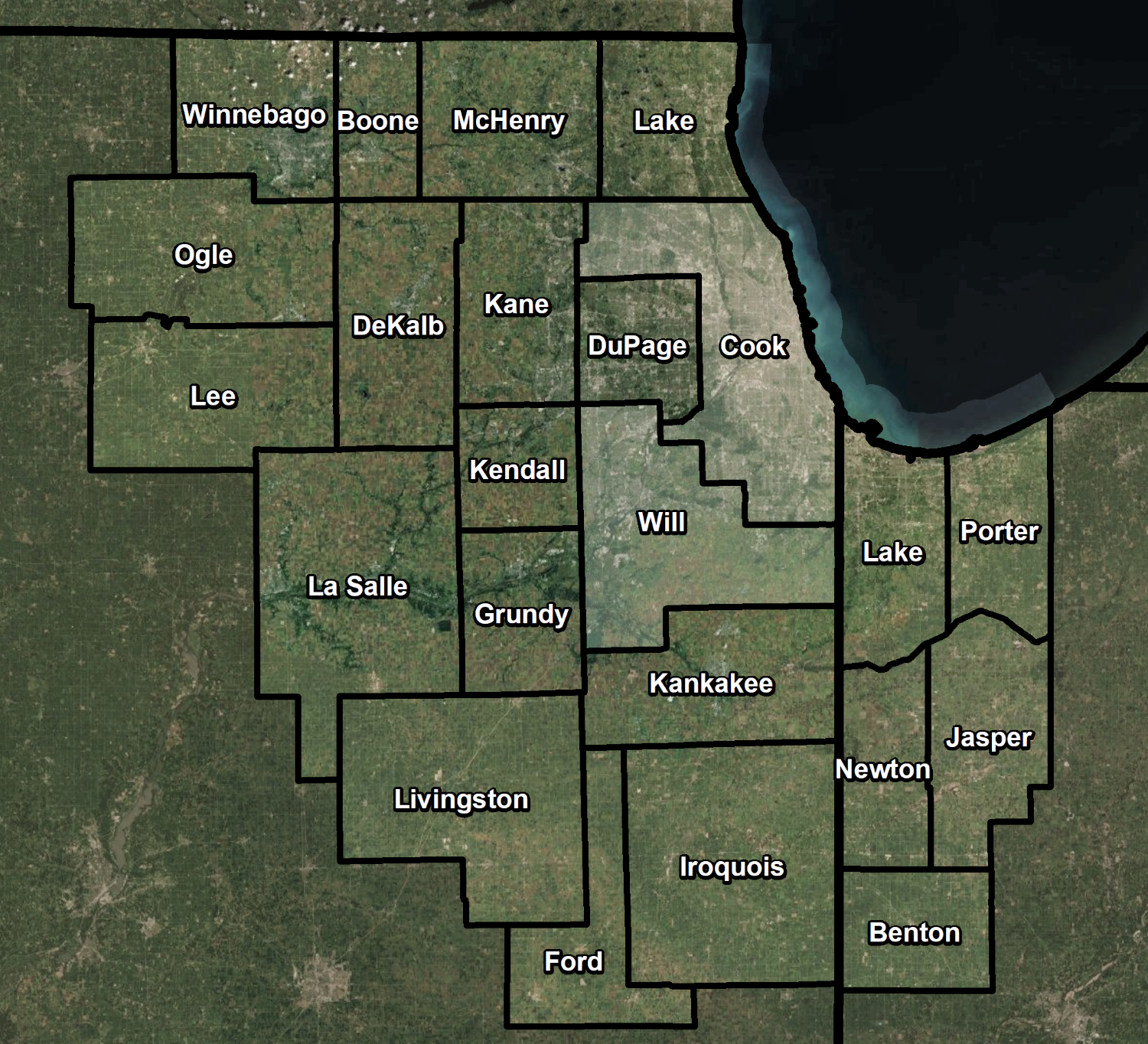
At its heart, the vast majority of the City of Chicago is situated within Cook County, Illinois. As one of the most populous counties in the United States, Cook County is a sprawling entity that not only contains Chicago but also numerous suburbs and smaller cities that contribute to the metropolitan area’s dynamic character. For all intents and purposes, when you visit Chicago, you are immersed in the heart of Cook County.
A Vast Urban Tapestry
Cook County stretches across a significant portion of northeastern Illinois, bordering Lake Michigan to the east. Its sheer size and population make it an economic powerhouse and a cultural melting pot in the Midwest. Within its boundaries, visitors can find an incredible array of destinations, attractions, and experiences that cater to every interest. From the bustling downtown Loop to the charming historic districts and diverse neighborhoods, Cook County truly offers a microcosm of global urban life.
The county’s robust infrastructure supports millions of residents and tourists annually, featuring an extensive public transportation network that includes the CTA trains and buses, along with the Metra commuter rail system. This connectivity ensures that whether you’re staying in a luxurious suite in the Gold Coast or a boutique hotel in Wicker Park, you have easy access to Chicago’s iconic landmarks and hidden gems.
Governance and Geographic Scope
The governance of Cook County impacts various aspects of life and tourism, from public services to tax structures. While Chicago has its own municipal government, the county provides overarching services such as a vast public hospital system, forest preserves, and the judicial system. For travelers, understanding this relationship primarily means recognizing that most local regulations and resources they encounter will fall under the purview of either the City of Chicago or Cook County.
Many of the popular suburban destinations, often visited by those looking for extended stays or specific attractions, are also within Cook County. These include historic Oak Park, famous for its Frank Lloyd Wright Home and Studio, the lakefront community of Evanston (home to Northwestern University), and major entertainment and business hubs like Rosemont. These areas expand the reach of Chicago’s appeal, offering different flavors of Illinois charm while still being part of the larger Cook County mosaic.

The DuPage County Connection: A Minor Overlap
While Cook County unequivocally hosts the heart and soul of Chicago, there is a small, technically significant overlap with another county: DuPage County. This minor intersection is almost exclusively related to one of the region’s most crucial gateways.
O’Hare International Airport’s Unique Footprint
The primary area where Chicago extends into DuPage County is a small, uninhabited section of O’Hare International Airport. This sprawling transportation hub, one of the busiest airports in the world, straddles the border between the two counties. The vast majority of O’Hare and its operational facilities, including all passenger terminals, are firmly within Cook County. However, a portion of its westernmost land, used primarily for runways and airport operations, dips into DuPage County.
This detail is more of a geographical quirk than a practical concern for the average traveler. Unless you are specifically involved in airport infrastructure or precise land surveying, your experience of arriving at or departing from O’Hare will be entirely within the jurisdiction and context of Cook County. The hotels and accommodations surrounding the airport, popular for business travelers and those with early flights, such as those found in nearby Rosemont, are also located in Cook County.
Practical Implications for Travelers
For visitors to Chicago, the DuPage County connection has virtually no impact on their travel plans, choice of attractions, or accommodation. All major tourist destinations, cultural institutions, and the vibrant city life that define Chicago are securely within Cook County. You won’t find yourself crossing county lines multiple times during a day of sightseeing, nor will local regulations or services differ noticeably.
If you venture further into DuPage County for specific reasons, such as visiting suburban business parks or attractions like the Morton Arboretum in Lisle or major shopping centers in Schaumburg, you would then be explicitly exploring beyond the City of Chicago itself, though still within the broader metropolitan area. For the purpose of experiencing ” Chicago,” your focus will remain squarely on Cook County.
Navigating Chicago’s World-Class Attractions Within Cook County
The concentration of Chicago’s iconic attractions within Cook County makes exploring the city incredibly convenient and rewarding. From architectural wonders to world-class museums, every significant landmark and cultural institution that draws millions of tourists annually is right here.
Iconic Landmarks and Architectural Marvels
Chicago is renowned globally for its stunning architecture and towering skyscrapers. All of these magnificent structures are located within Cook County, particularly in the Loop and River North areas. Ascend to the Skydeck Chicago at the Willis Tower for unparalleled panoramic views, or experience the thrill of 360 Chicago at the John Hancock Center. Take an architectural boat tour along the Chicago Riverwalk to learn about the innovations that shaped this urban landscape.
The famous Cloud Gate, affectionately known as “The Bean,” is a centerpiece of Millennium Park, offering a unique reflective experience of the city skyline. Just a short stroll away, Buckingham Fountain in Grant Park provides a majestic water display, particularly enchanting in the evenings. Even shopping becomes an experience along the Magnificent Mile, home to luxury boutiques and iconic department stores like Water Tower Place, all within Cook County.

Cultural Institutions and Green Havens
Chicago’s cultural scene is equally impressive, with a density of museums and performance venues that rival any major global city. The Museum Campus in Cook County is home to the Field Museum, the Shedd Aquarium, and the Adler Planetarium, offering days of exploration into natural history, marine life, and celestial wonders. The Art Institute of Chicago, consistently ranked among the best museums in the world, is also a jewel in Cook County’s crown.
Beyond museums, visitors can enjoy the free admission to Lincoln Park Zoo, stroll through the extensive conservatories, or relax by Lake Michigan in any of the numerous parks. The Chicago Cultural Center provides free art exhibits and performances, showcasing the city’s commitment to public access to culture. Further south, the Hyde Park neighborhood, home to the University of Chicago and the future Obama Presidential Center, offers a rich blend of history and intellectual vibrancy.
Experiencing Chicago: Accommodation, Lifestyle, and Culinary Delights
With Chicago being predominantly in Cook County, planning your stay, embracing its lifestyle, and indulging in its culinary scene become seamless experiences. The vastness of the county means diverse options are available, catering to every budget and preference.
Finding Your Perfect Stay: Hotels and Neighborhoods
Chicago offers an impressive range of accommodation options, from opulent five-star resorts to cozy boutique hotels and family-friendly apartments, all conveniently located within Cook County.
- Luxury Travel: For those seeking an indulgent experience, properties like The Langham Chicago or the Waldorf Astoria Chicago in the River North or Gold Coast neighborhoods offer unparalleled service, exquisite suites, and top-tier amenities.
- Boutique Stays: Design-conscious travelers might gravitate towards places like Thompson Chicago or Ace Hotel Chicago in Fulton Market, known for their unique character and vibrant atmospheres.
- Budget-Friendly and Social Options: Hostels and more affordable hotels, such as Freehand Chicago, provide excellent value without sacrificing location, often close to major transit lines.
- Family and Long-Term Stays: Serviced apartments and vacation rentals are abundant, offering more space and kitchen facilities, ideal for families or those planning an extended visit to explore all that Cook County has to offer.
When booking, consider the neighborhood that best suits your travel style. The Loop is ideal for business travelers and first-time visitors who want to be close to major attractions. River North is a hotspot for dining and nightlife, while the Gold Coast exudes classic elegance.
Embracing the Local Culture and Lifestyle
Chicago’s lifestyle is a captivating blend of urban sophistication and Midwestern friendliness. Your experience will be shaped by the local culture, whether it’s attending a performance at the legendary Second City improv theater, catching a live music show in Wicker Park, or exploring the vibrant street art scene in Pilsen.
The city’s diverse neighborhoods, all within Cook County, each tell a unique story. From the historic brownstones of Lincoln Park to the bustling markets of Chinatown, you can immerse yourself in different cultures without ever leaving the county. Tourism in Chicago is not just about ticking off landmarks; it’s about experiencing the local rhythm, engaging with friendly residents, and discovering the hidden gems that make each neighborhood distinct.
A Taste of the Windy City
No visit to Chicago is complete without indulging in its legendary food scene. And yes, all the culinary delights are firmly rooted in Cook County. Famous for its Deep-Dish Pizza from institutions like Lou Malnati’s, Chicago-style hot dogs (hold the ketchup!), and Italian beef sandwiches from places like Portillo’s, the city offers hearty, iconic flavors.
Beyond these classics, Chicago boasts an incredible array of Michelin-starred restaurants, farm-to-table eateries, and international cuisines that cater to the most discerning palates. Whether you’re looking for a casual brunch spot, an elegant dinner, or a food tour exploring different neighborhoods, the gastronomic journey through Cook County’s Chicago is an attraction in itself.
In conclusion, while a sliver of O’Hare International Airport technically extends into DuPage County, for all practical purposes and every aspect of your travel experience, Chicago is entirely within Cook County. This unified geographical identity simplifies travel planning, as you can confidently explore all its world-class attractions, diverse accommodations, and rich cultural experiences knowing they are all part of the same dynamic county.
LifeOutOfTheBox is a participant in the Amazon Services LLC Associates Program, an affiliate advertising program designed to provide a means for sites to earn advertising fees by advertising and linking to Amazon.com. Amazon, the Amazon logo, AmazonSupply, and the AmazonSupply logo are trademarks of Amazon.com, Inc. or its affiliates. As an Amazon Associate we earn affiliate commissions from qualifying purchases.