
Understanding the administrative boundaries of a city can be a surprisingly crucial piece of information for travelers, business visitors, and even long-term residents of Portland, Oregon. While most visitors are concerned with exploring the vibrant neighborhoods, culinary scene, and natural beauty that Portland has to offer, knowing which counties encompass the city can shed light on local governance, tax structures, and even specific regional services or attractions. This article will delve into the counties that make up the sprawling metropolis of Portland, providing a clear and concise overview for those seeking a deeper understanding of its geographical and political landscape.

Unpacking the County Landscape of Portland
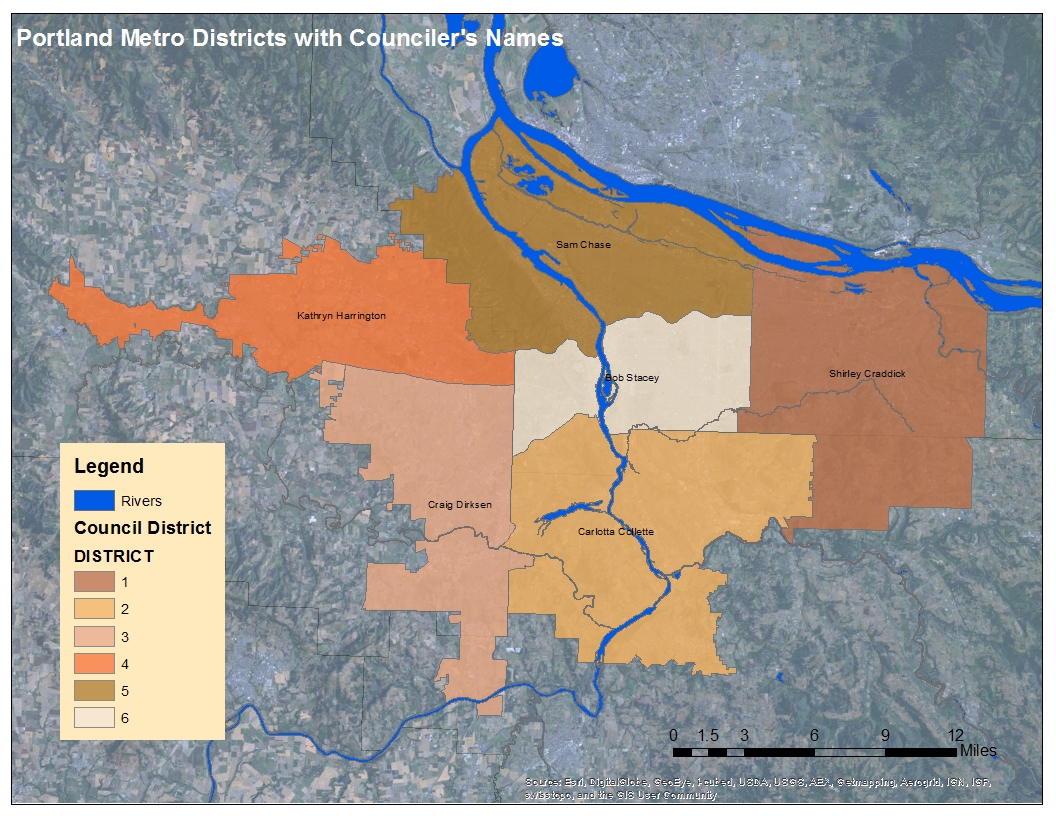
Portland, Oregon, is not confined to a single county. Its urban and suburban sprawl extends across multiple administrative divisions, each contributing to the unique character and governance of the region. Primarily, Portland is recognized for its presence in two major counties, with a smaller portion touching upon a third. This multi-county status is not uncommon for large metropolitan areas and reflects the historical development and expansion of the city over time.
The Dominant Presence: Multnomah County
By far the most significant county associated with Portland, Oregon, is Multnomah County. This county serves as the central hub and is home to the majority of Portland‘s population and its downtown core. Multnomah County was established in 1854 and has since grown to become the most populous county in Oregon. Its administrative responsibilities include a wide range of public services, from public health and social services to law enforcement and a significant portion of the regional transportation infrastructure.
Key Characteristics of Multnomah County
Multnomah County is characterized by its urban density and its role as the economic and cultural engine of the metropolitan area. Within its boundaries lie many of Portland‘s most famous landmarks, including the International Rose Test Garden, the Portland Art Museum, and the bustling Powell’s City of Books. The county government plays a vital role in urban planning, park maintenance, and the provision of essential services that support the city’s residents and its thriving tourism industry. Navigating Portland often means interacting with services or regulations managed at the Multnomah County level.
Notable Cities and Areas within Multnomah County
Besides the city of Portland itself, Multnomah County also encompasses other municipalities and unincorporated areas. These include cities like Gresham, Troutdale, and Fairview, as well as communities in the eastern and northern parts of the county. This broad reach means that visitors traveling to areas just outside the immediate urban core are likely still within the administrative purview of Multnomah County.
Expanding Horizons: Washington County
A significant portion of Portland‘s western and southwestern areas falls within Washington County. Named after the first U.S. president, Washington County was formed in 1843, making it one of the original four counties of Oregon. While often considered a distinct region, its economic and social ties to Portland are undeniable, with many residents commuting into the city for work and leisure.
The Suburban and Economic Powerhouse
Washington County is known for its blend of suburban communities, agricultural lands, and a strong technological sector. Home to the Silicon Forest, it hosts numerous high-tech companies and is a significant contributor to the regional economy. Cities like Beaverton, Hillsboro, and Tigard are key population centers within Washington County, and their residents are intrinsically linked to the broader Portland metropolitan experience. For travelers, areas in western Portland and its immediate suburbs are part of this county.
Interconnectedness and Services

The close proximity and intertwined economies mean that services and transportation networks often span both Multnomah County and Washington County. Regional transit authorities, such as TriMet, operate across county lines, facilitating travel between the various parts of the metropolitan area. Understanding this shared infrastructure is key to navigating the region effectively.
A Glimpse of Clackamas County
To the south of Portland, a smaller segment of the city extends into Clackamas County. This county, established in 1843, is one of Oregon‘s oldest and encompasses a diverse landscape, from urbanized areas to rural farmland and the foothills of the Cascade Mountains.
Southern Portland and Beyond
The southeastern neighborhoods of Portland, including areas like Sellwood-Moreland and parts of Oak Grove, are situated within Clackamas County. This southern reach means that some attractions and residential areas in Portland are administered by Clackamas County for certain governmental functions.
Unique Regional Appeal
Clackamas County offers a different flavor of the greater Portland experience, often characterized by its access to outdoor recreational activities and a more rural, yet still accessible, setting. Cities like Oregon City, the historical former capital of Oregon, and Happy Valley are significant municipalities within this county, showcasing the varied nature of the region. For those exploring the southern edges of Portland or venturing into the nearby scenic areas, awareness of Clackamas County is beneficial.
Navigating Portland: Practical Implications of County Boundaries
For visitors and residents alike, understanding which counties encompass Portland, Oregon, can have practical implications, particularly concerning local services, taxation, and even event planning. While the spirit of Portland often feels like a unified entity, its administrative divisions are a fundamental aspect of its governance and regional identity.
Local Services and Governance
Each county government in Oregon has distinct responsibilities. For instance, public safety services, such as sheriff’s departments and correctional facilities, are county-level operations. Public health departments, libraries, and parks and recreation services can also vary in their management and offerings depending on the county. When visiting or residing in Portland, understanding these distinctions can help you access the appropriate services or be aware of the governing bodies responsible for specific aspects of your surroundings. For example, if you are interested in a particular county park or a regional event, identifying its location within Portland and its corresponding county is the first step.
Taxation and Economic Considerations
While Oregon does not have a state sales tax, local taxes and fees can differ between counties. Property taxes, for example, are levied at the county and city levels, and rates can vary. For businesses operating within Portland, understanding the specific tax regulations of Multnomah County, Washington County, or Clackamas County is essential for compliance. For visitors, while not a direct concern for most tourist activities, awareness of the economic landscape influenced by county structures adds a layer of depth to their understanding of the region.
Planning Your Portland Experience
Whether you’re planning a road trip that takes you through different parts of the metropolitan area or looking to understand the demographics and administrative makeup of specific neighborhoods, knowing the county lines can be a useful tool. For instance, if you’re researching the best places to stay, understanding that different parts of the city fall under different county jurisdictions can subtly inform your choices, especially if you have specific service needs or are interested in particular regional attractions. The interconnectedness of these counties means that while distinct, they function as a cohesive metropolitan area, offering a rich tapestry of experiences for everyone who visits or calls Portland, Oregon, home.