
For travelers and residents alike, understanding the intricacies of vehicle regulations in a state as vast and diverse as Texas is crucial. From planning an epic cross-state road trip to purchasing a new vehicle, knowing where specific rules apply can save both time and money. One such regulation that often sparks questions is vehicle emissions testing. While certain bustling metropolitan areas in Texas mandate annual emissions inspections, a significant majority of its 254 counties do not. This insight offers a unique advantage for those navigating the Lone Star State, opening doors to more streamlined vehicle maintenance and a deeper exploration of its less-traveled paths.
This comprehensive guide will delve into the specifics of Texas emissions testing, highlighting the 147 counties where this requirement is absent. Beyond just the regulatory details, we’ll explore how this information can influence your travel plans, offering a gateway to discovering the state’s incredible landscapes, vibrant local cultures, and an array of unique accommodations, all while enjoying the peace of mind that comes from knowing your vehicle inspection is simpler.
Navigating Texas Vehicle Inspections: Emissions vs. Safety
Before diving into the counties that are exempt, it’s essential to understand the two main components of vehicle inspections in Texas: safety and emissions. While emissions testing is location-dependent, safety inspections are a statewide requirement for all vehicles registered in Texas. This means that regardless of which county your vehicle is registered in or where you travel, your vehicle must pass an annual safety inspection to ensure it meets basic operational standards for roadworthiness. This includes checking brakes, lights, tires, steering, and other essential components.
The emissions test, on the other hand, is a specific examination of a vehicle’s exhaust system to measure the pollutants it releases into the atmosphere. This test is primarily mandated in areas with higher population densities and historically poorer air quality, aiming to improve environmental health. The cost of these inspections can vary, typically ranging from $7 to $30 for a safety inspection and an additional $18 to $25 for an emissions test, depending on the inspection station and vehicle type. These costs, though seemingly minor, can add up over time, and the convenience of skipping an emissions test is a definite perk for many.
The distinction is vital: you will always need a safety inspection. The question then becomes, will you also need an emissions inspection? For the vast majority of Texas counties, the answer is no.
The 17 Counties Requiring Emissions Testing
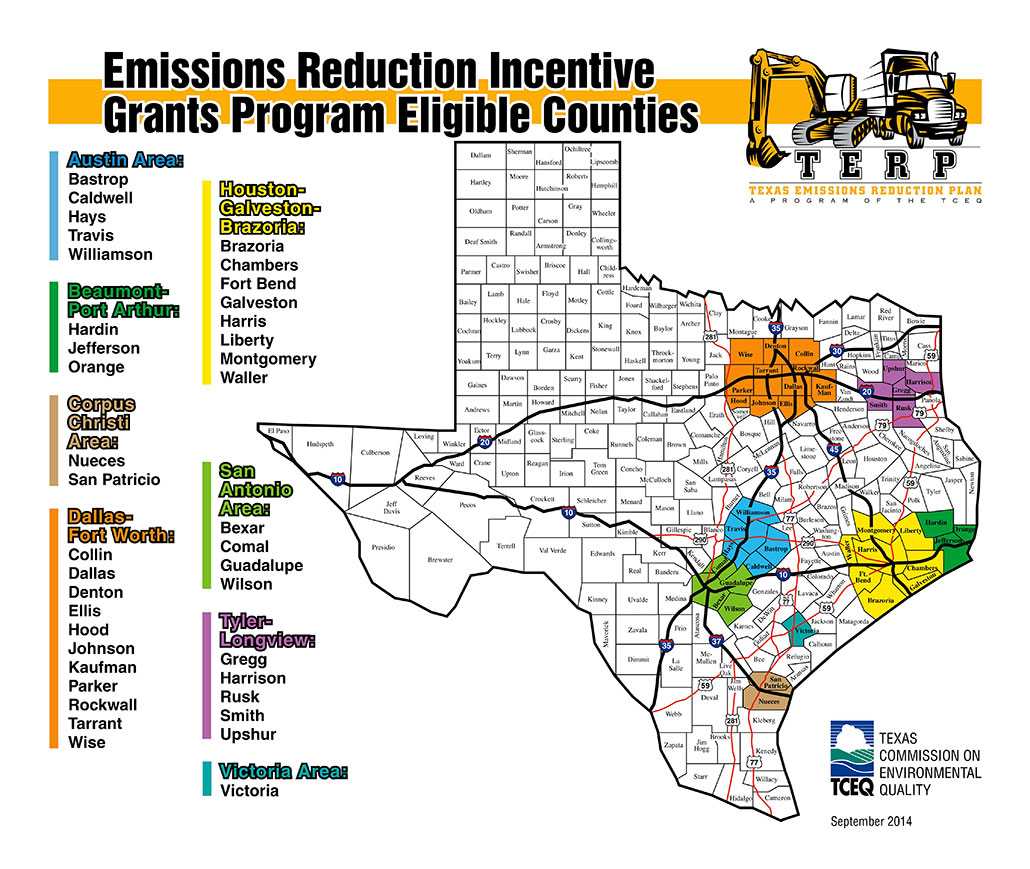
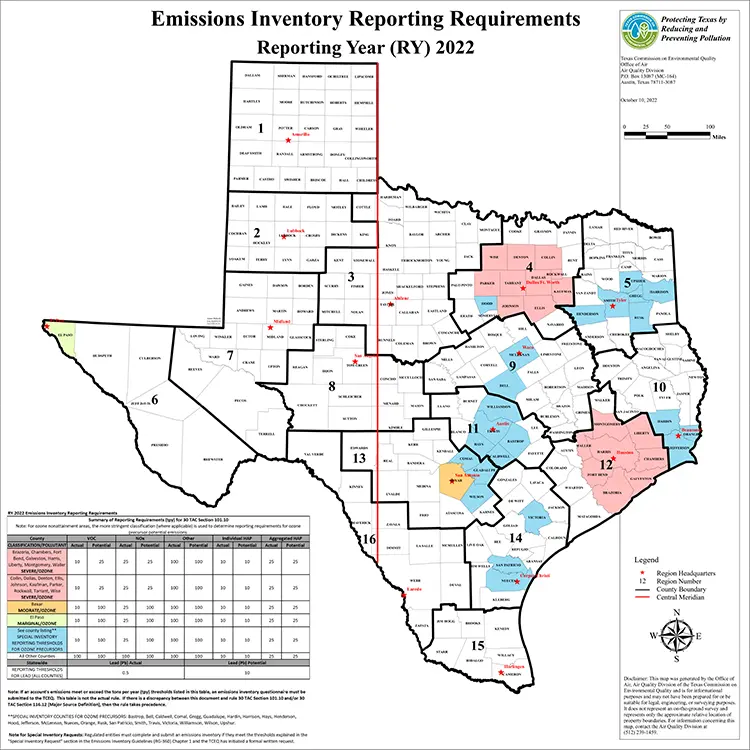
To appreciate where emissions testing is not required, it’s helpful to first identify the areas where it is. Currently, only 17 of Texas’s 254 counties mandate annual emissions testing. These counties are predominantly located within the major metropolitan areas, where vehicle density and industrial activity contribute significantly to air quality concerns.
Here are the counties where emissions testing is a requirement:
- Houston-Galveston-Brazoria Area: Brazoria County, Fort Bend County, Galveston County, Harris County, Montgomery County, and Waller County. If you’re visiting Houston or the coastal towns of Galveston, be aware of these regulations.
- Dallas-Fort Worth Metroplex: Collin County, Dallas County, Denton County, Ellis County, Johnson County, Kaufman County, Parker County, Rockwall County, and Tarrant County. This sprawling urban hub, encompassing Dallas and Fort Worth, is another key region for emissions compliance.
- Austin Area: Travis County and Williamson County. The vibrant state capital of Austin and its surrounding areas also fall under the emissions testing mandate.
These 17 counties represent the primary population centers of Texas and are where air quality is most closely monitored. If you live or register a vehicle in any of these counties, an annual emissions inspection is a non-negotiable part of your vehicle’s upkeep.
The Vast Majority: 147 Counties Without Emissions Testing
Now for the good news for many: 147 counties in Texas do not require emissions testing. This encompasses nearly all of the state’s expansive rural, agricultural, and less populated regions. The rationale behind these exemptions typically hinges on lower population densities, fewer industrial emissions, and overall better ambient air quality. For residents in these areas, this translates to simpler annual vehicle inspections, saving them a bit of time and money. For travelers, it means an open invitation to explore vast stretches of the state without additional vehicle-related concerns, especially if considering a temporary move or a long-term stay.
While listing all 147 counties would be exhaustive, we can categorize them by region to give you a sense of the vastness of the emissions-exempt zones and highlight some of the incredible travel opportunities within them.
Exploring Emissions-Exempt Texas by Region
The absence of emissions testing across these regions makes them particularly appealing for road trips, RV adventures, and immersive travel experiences, aligning perfectly with themes of travel, tourism, and lifestyle exploration.
1. West Texas: Big Skies and Desert Wonders
The entire region of West Texas is a stronghold of emissions-exempt counties. This includes iconic destinations that promise unparalleled natural beauty and a true sense of adventure. From the rugged peaks of Guadalupe Mountains National Park to the sprawling wilderness of Big Bend National Park and the quirky artistic hub of Marfa, this region offers vast open spaces, dramatic landscapes, and a unique blend of cowboy culture and artistic eccentricity.
Counties like Presidio County, Jeff Davis County, Brewster County, Culberson County, Pecos County, and Reeves County are all exempt. Imagine driving through the scenic routes, stopping at places like Balmorhea State Park for a refreshing swim in the desert oasis, or exploring the sand dunes of Monahans Sandhills State Park. Accommodation here ranges from rustic ranches and unique glamping experiences to charming boutique hotels in towns like Alpine and Fort Davis, providing an authentic West Texas adventure.
2. The Panhandle and North Texas: Canyons and Cattle Drives
Heading north, the expansive Texas Panhandle is entirely emissions-exempt. This region is home to the stunning Palo Duro Canyon State Park, often dubbed the “Grand Canyon of Texas,” offering incredible hiking, camping, and scenic drives. Cities like Amarillo and Lubbock, while significant population centers, are also located within counties (Potter and Lubbock, respectively) that do not require emissions testing.
Further south, numerous counties in North Texas surrounding the Dallas-Fort Worth metroplex, but outside the immediate 9-county emission zone, are also exempt. This provides a buffer zone of easier vehicle regulations for those who might live in a quieter community but still work or travel into the larger cities. These areas offer charming small towns, historic sites, and access to beautiful lakes like Lake Texoma, ideal for fishing and water sports.
3. Central and East Texas: Forests, Lakes, and Hill Country Charm
While Austin and San Antonio are within emission-testing counties, much of the surrounding Texas Hill Country and Central Texas is exempt. This includes popular tourist destinations like Fredericksburg, known for its wineries and German heritage, and the scenic drives around Enchanted Rock State Natural Area. Counties such as Gillespie County, Blanco County, Kerr County, and Llano County offer a serene escape with beautiful natural landscapes, charming towns, and unique accommodation options ranging from bed and breakfasts to luxury resorts along rivers and lakes.
Moving east, the Piney Woods region, bordering Louisiana and Arkansas, is almost entirely emissions-exempt. This lush, forested area is a stark contrast to the western deserts, offering dense woodlands, tranquil lakes like Caddo Lake, and the biodiverse Big Thicket National Preserve. Counties like Tyler County, Angelina County, and Nacogdoches County are ideal for nature lovers, hikers, and those seeking a peaceful retreat.
4. South Texas and The Gulf Coast: Beaches and Border Culture
Much of South Texas, extending towards the border with Mexico, and large portions of the Texas Gulf Coast are also exempt from emissions testing. This means you can drive your vehicle into vacation hotspots like Port Aransas and South Padre Island with only the safety inspection. Counties like Nueces County (home to Corpus Christi), Cameron County, Hidalgo County, and Kleberg County are all part of this emissions-free zone.
These areas provide fantastic opportunities for beach vacations, bird watching at places like the Padre Island National Seashore, and experiencing the rich blend of Texan and Mexican cultures. Whether you’re looking for family trips with beachfront villas or a budget travel adventure exploring historical missions, the South Texas and Gulf Coast regions offer diverse experiences without the added hassle of emissions testing.
Why the Exemption Matters for Travel and Lifestyle
The existence of 147 counties without emissions testing is more than just a regulatory detail; it has significant implications for both residents and visitors, touching upon travel, accommodation, and general lifestyle choices within Texas.
Financial and Time Savings
For vehicle owners, the most immediate benefit is the cost saving on the emissions portion of the inspection, which typically runs around $18-$25. While not a huge sum individually, it adds up over the years. More importantly, it simplifies the inspection process. Emissions tests can sometimes be more time-consuming or require additional repairs if a vehicle fails. In non-emissions counties, as long as your vehicle passes the safety checks, you’re good to go, making the annual inspection a quicker and less stressful affair. This contributes to a smoother lifestyle, particularly for those living in rural areas where access to specialized emissions testing facilities might be limited.
Enhancing Travel and Road Trip Planning
For travelers, this information is a valuable asset when planning road trips through Texas. If you’re driving a vehicle that might be older, have an aftermarket exhaust system, or simply prefer to avoid potential inspection hassles, focusing your travel within these 147 counties offers peace of mind.
Imagine an epic road trip through the heart of Texas, starting from the Panhandle, cruising through the Hill Country, and ending up on the Gulf Coast – all while traversing counties that simplify vehicle requirements. This freedom allows travelers to concentrate on the destinations and experiences rather than worrying about vehicle compliance. It subtly influences choices, perhaps encouraging longer stays in areas known for their natural beauty and fewer regulatory burdens.
Impact on Vehicle Purchases and Long-Term Stays
For individuals considering purchasing a used vehicle, especially from a private seller, knowing the local regulations is crucial. A vehicle registered in an emissions-exempt county might not have undergone an emissions test in years, which is perfectly legal. However, if that vehicle is then moved to a county that does require emissions testing (e.g., Harris County or Dallas County), it will immediately need to pass both safety and emissions inspections upon registration transfer. This could uncover unforeseen issues and costs.
Similarly, for those planning long-term stays or relocating to Texas, understanding the local vehicle inspection laws is a key part of settling in. Choosing a residence in an emissions-exempt county can simplify vehicle ownership, becoming a small but notable factor in quality of life.
Planning Your Texas Journey: Making the Most of Emissions-Free Zones
Armed with the knowledge of which Texas counties are emissions-exempt, you can now plan your adventures with an added layer of insight. Whether you’re seeking rugged natural beauty, quaint small-town charm, or serene coastal getaways, these regions offer a wealth of attractions and experiences.
Consider these ideas for your next Texas exploration:
- Adventure in the Desert: Head to West Texas to explore Big Bend National Park or Big Bend Ranch State Park, where the stark beauty of the Chihuahuan Desert awaits. Towns like Terlingua offer unique accommodations and a glimpse into frontier life.
- Hill Country Charm and Wine Trails: Drive through Gillespie County and surrounding areas for a taste of Texas Hill Country wine country. Visit Fredericksburg, explore Luckenbach, and enjoy the natural beauty of Canyon Lake or Lake Travis. There are numerous hotels, villas, and cozy bed and breakfasts to suit every preference.
- Coastal Escapes: Embrace the laid-back vibe of the Texas Gulf Coast in places like Port Aransas or Mustang Island State Park. Enjoy fishing, birding, and miles of sandy beaches.
- Forest Retreats: Immerse yourself in the tranquility of the Piney Woods in East Texas. Visit Caddo Lake State Park for unique swamp tours and serene paddling experiences.
- North Texas Wonders: Discover the dramatic landscapes of Palo Duro Canyon State Park near Amarillo, or explore the rich cowboy heritage of cities like Lubbock.
When planning your journey, remember to consult official Texas Department of Motor Vehicles resources for the most up-to-date information on inspection requirements, as regulations can change. However, the general distinction between emissions and non-emissions counties has remained consistent for many years.
In conclusion, while the major urban centers of Texas mandate emissions testing to safeguard air quality, the vast majority of the state’s counties offer a simpler vehicle inspection process. This understanding not only aids residents in managing their vehicle upkeep but also empowers travelers to explore the diverse beauty of the Lone Star State with greater ease and focus on the incredible experiences that await. So, pack your bags, tune up your vehicle for its safety inspection, and hit the open roads of emissions-exempt Texas – adventure awaits!