
Hawaii, a name synonymous with paradise, often evokes images of pristine beaches, volcanic landscapes, and vibrant culture. Yet, despite its distinct geographic and cultural identity, a common question arises for many travelers and curious minds: “What country is Hawaii in?” The simple and definitive answer is that Hawaii is a state of the United States. This seemingly straightforward fact belies a rich history and unique position that makes Hawaii an unparalleled destination for travel, tourism, and a truly unforgettable lifestyle experience.
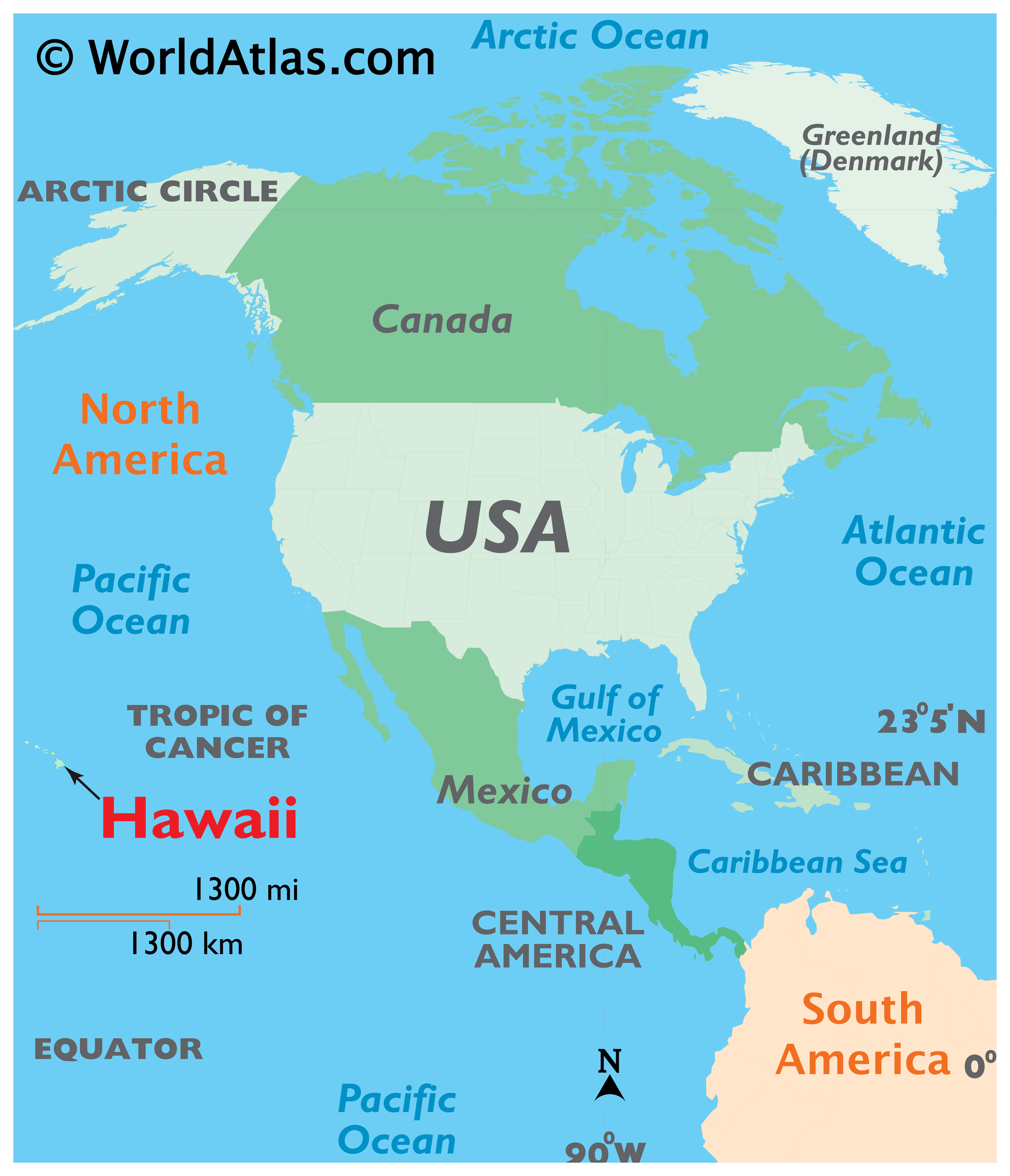
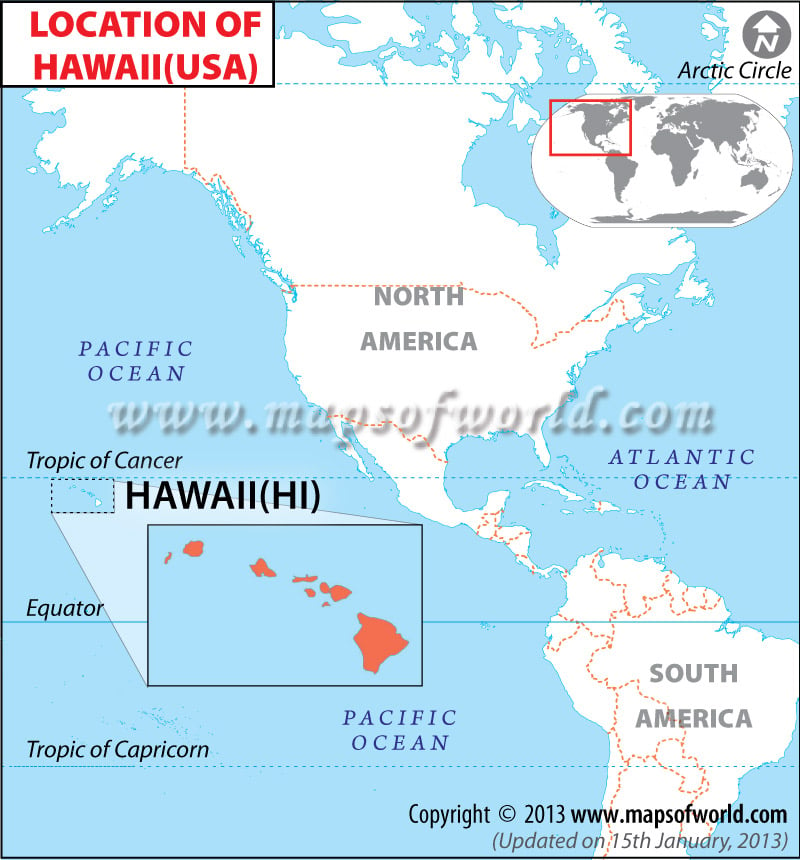
Nestled far out in the Pacific Ocean, over 2,000 miles from the continental United States mainland, Hawaii is the only U.S. state located in Oceania and the only one composed entirely of islands. This remote location, while contributing to its mystique, also underscores its unique blend of American governance and deep Polynesian heritage. For anyone planning a trip or simply exploring the world’s diverse destinations, understanding Hawaii’s national affiliation is the first step in unlocking the myriad experiences it offers.
Hawaii’s Place in the United States: A History and Geographic Context
To fully grasp Hawaii’s identity, one must delve into its fascinating journey from an independent kingdom to the 50th state of the United States. This historical backdrop is crucial for understanding its unique political landscape, diverse population, and the cultural richness that beckons millions of visitors each year.
A Brief History: From Kingdom to State
The story of modern Hawaii begins with the unification of the islands under King Kamehameha I in 1810, establishing the Kingdom of Hawaii. For nearly a century, Hawaii thrived as a sovereign nation, developing its own distinct culture, language, and political system. However, its strategic location in the Pacific Ocean attracted increasing interest from foreign powers, particularly the United States and European nations.
By the late 19th century, American business interests and missionaries had significant influence on the islands. In 1893, a coup led by American and European residents, with the support of the U.S. military, overthrew the Hawaiian monarchy. This led to the establishment of a provisional government, followed by the Republic of Hawaii in 1894. In 1898, the United States officially annexed Hawaii, transforming it into a U.S. territory. For over 60 years, Hawaii remained a territory, playing a crucial role during World War II, most notably with the attack on Pearl Harbor in 1941.
Finally, on August 21, 1959, Hawaii achieved statehood, officially becoming the 50th state of the United States. This long and complex history shapes the modern identity of Hawaii, where indigenous traditions blend with American governance, creating a unique cultural tapestry evident in its language, music, dance, and customs. For travelers, this means an opportunity to explore not just a tropical paradise, but a destination rich in historical narratives and living heritage.
The Geographic Context
Geographically, Hawaii is an archipelago of volcanic islands stretching over 1,500 miles across the central Pacific Ocean. Comprising eight main islands – Oahu, Maui, Hawaii Island (often called the Big Island), Kauai, Molokai, Lanai, Niihau, and Kahoolawe – along with numerous smaller islets and atolls, the state offers incredible diversity.
Its remote location places it closer to Asia and Australia than to the continental North America, making it a natural crossroads for cultures and a popular stopover for trans-Pacific journeys. The climate is tropical, with consistent warm temperatures year-round, making it an ideal destination for sun-seekers and outdoor enthusiasts. The volcanic origins of the islands have resulted in dramatic landscapes, from black sand beaches and lush rainforests to towering peaks and active volcanoes, providing a natural playground for all types of adventurers.
Unveiling Hawaii: A Premier Travel Destination
As a U.S. state, Hawaii benefits from the stability and infrastructure associated with being part of the United States, while maintaining its distinctive island charm. This combination makes it an exceptionally appealing travel destination, offering a seamless travel experience for U.S. citizens (no passport required) and a world-class tourism infrastructure for international visitors.
Iconic Islands and Their Allure
Each of Hawaii’s major islands boasts a unique personality and an array of attractions, catering to different travel styles and preferences.
-
Oahu: The Gathering Place: Home to the capital city of Honolulu and the iconic Waikiki Beach, Oahu is the most populous and developed island. Here, urban sophistication meets natural beauty. Visitors can explore world-renowned surfing spots on the North Shore, hike to the summit of Diamond Head for panoramic views, or pay respects at the solemn Pearl Harbor and USS Arizona Memorial. Oahu offers a vibrant nightlife, diverse culinary scene, and extensive shopping opportunities alongside breathtaking natural wonders.
-
Maui: The Valley Isle: Known for its stunning beaches, luxurious resorts, and the famous Hana Highway drive, Maui offers a more relaxed yet adventurous experience. Travelers can witness spectacular sunrises from the summit of Haleakala volcano, snorkel in crescent-shaped Molokini Crater, or simply unwind on the golden sands of Ka’anapali Beach. Maui is also a prime spot for whale watching during winter months.
-
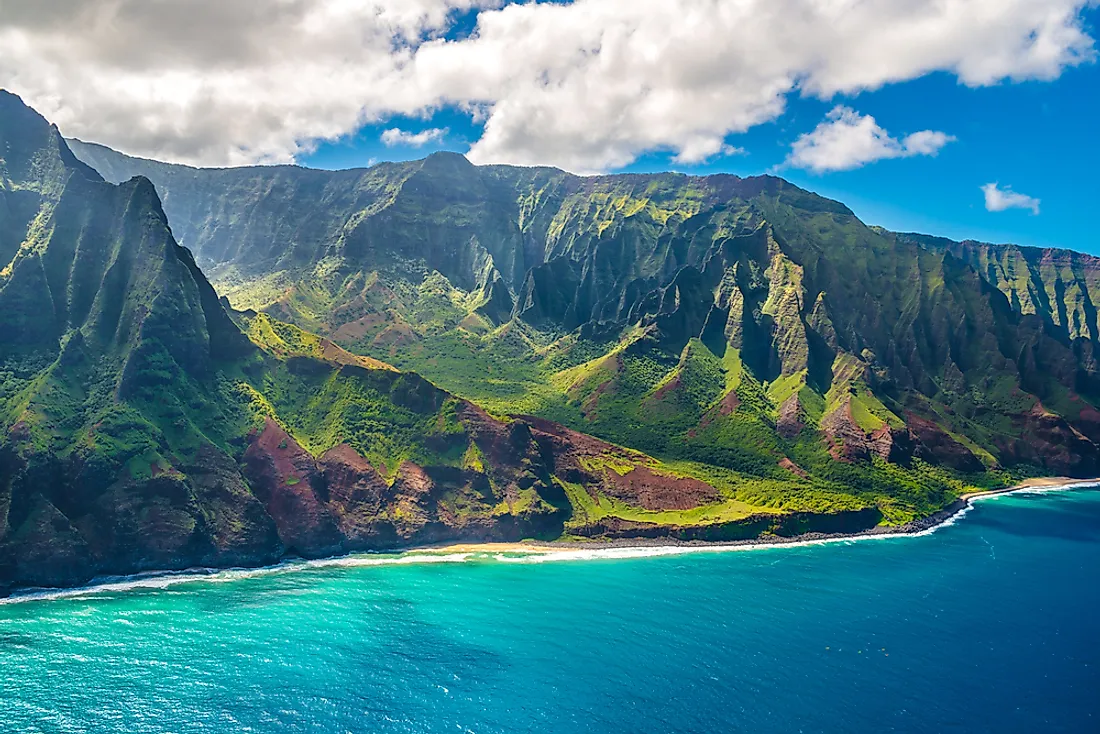
Kauai: The Garden Isle: Lush, green, and dramatically beautiful, Kauai is perfect for nature lovers and adventurers. Its magnificent landscapes include the majestic Na Pali Coast, accessible by helicopter, boat, or the challenging Kalalau Trail. The “Grand Canyon of the Pacific,” Waimea Canyon, offers breathtaking vistas and numerous hiking opportunities. Kauai’s serene environment is ideal for those seeking tranquility and immersion in nature.
-
Hawaii Island (The Big Island): The youngest and largest of the islands, Hawaii Island is a land of stark contrasts. It is home to Hawaii Volcanoes National Park, where visitors can witness the raw power of creation as active volcanoes like Kilauea and Mauna Loa shape the land. Beyond the volcanic fields, the island features snow-capped mountains (in winter), black sand beaches, vibrant coral reefs, and fertile coffee plantations in Kona. Its diverse ecosystems provide endless exploration opportunities.
Embracing Local Culture and Cuisine
Tourism in Hawaii is not just about scenic beauty; it’s also about experiencing the rich Hawaiian culture. The concept of Aloha – encompassing love, peace, compassion, and hospitality – permeates daily life and interactions. Visitors are encouraged to engage with local traditions, from attending a traditional luau with hula performances and authentic food to learning a few phrases of the Hawaiian language.
The cuisine is a delightful fusion of Polynesian, Asian, and American influences. Must-try dishes include fresh poke (marinated raw fish), laulau (pork and fish steamed in taro leaves), kalua pig (slow-cooked pork), and the ubiquitous shave ice. Farmers’ markets offer an abundance of tropical fruits like mangoes, papayas, and pineapples, alongside locally grown coffee. Engaging with Hawaii’s food scene is an integral part of understanding its cultural identity and diverse heritage.
Activities abound, from world-class surfing and snorkeling in crystal-clear waters to hiking through lush rainforests and zip-lining over dramatic valleys. Hawaii truly offers experiences for every type of traveler, whether seeking adrenaline-pumping adventures or serene moments of relaxation.
Accommodation and Lifestyle: Tailoring Your Hawaiian Escape
The accommodation landscape in Hawaii is as diverse as its natural environment, offering options that cater to every budget, preference, and lifestyle. From lavish resorts to charming boutique hotels and cozy vacation rentals, finding the perfect base for your island adventure is part of the planning excitement.
From Luxury Resorts to Budget-Friendly Stays
Luxury Resorts: For those seeking an indulgent experience, Hawaii is home to some of the world’s most exquisite resorts. These establishments, often beachfront, offer unparalleled amenities such as championship golf courses, award-winning spas, multiple swimming pools, fine dining restaurants, and concierge services. Examples include Aulani, A Disney Resort & Spa on Oahu or the Grand Hyatt Kauai Resort & Spa, which provide a comprehensive, pampering experience, perfect for honeymoons, luxury family trips, or business stays that combine work with leisure. Suites and villas often come with private lanais (balconies) and stunning ocean views.
Mid-Range Hotels: A wide selection of comfortable and well-appointed hotels can be found across the islands, particularly in popular tourist hubs like Waikiki in Honolulu or Lahaina in Maui. These offer a balance of amenities, location, and price, often including pools, on-site dining, and easy access to attractions. Properties like the Aston Waikiki Beach Hotel provide a great base for exploring without the ultra-luxury price tag, making them ideal for family trips or travelers seeking comfort and convenience.
Budget Accommodation and Vacation Rentals: Budget-conscious travelers still have plenty of options. Hostels, particularly in Honolulu, offer affordable dorms and private rooms. Vacation rentals, including apartments, condos, and private homes booked through platforms, are increasingly popular for those seeking a more local experience, self-catering options, or longer stays. These can be particularly cost-effective for families or groups and provide opportunities to live like a local. Reviews and comparisons are readily available to help travelers find the best fit for their needs.
Activities and Experiences for Every Traveler
The lifestyle Hawaii offers to visitors is incredibly varied, reflecting the diverse interests of global travelers:
- Luxury Travel: Beyond opulent resorts, luxury travelers can indulge in private yacht charters, exclusive helicopter tours over volcanic craters, private surf lessons, or gourmet dining experiences curated by renowned chefs. Hawaii provides a backdrop for sophisticated leisure and personalized adventures.
- Budget Travel: Exploring Hawaii on a budget is entirely feasible. Utilizing public transportation, cooking some meals, seeking out free activities like hiking public trails, snorkeling from accessible beaches, and enjoying local plate lunches can significantly reduce costs. Camping in state parks also offers an immersive and affordable way to experience the islands’ natural beauty.
- Family Trips: Hawaii is an exceptional destination for families, offering a safe environment and a plethora of kid-friendly activities. Resorts often have dedicated children’s programs, while attractions like the Honolulu Zoo, aquariums, and protected swimming beaches ensure fun for all ages. Educational opportunities abound, from learning about marine life to exploring historical sites.
- Business Stays: For business travelers, Honolulu and major resorts on Maui and Hawaii Island provide excellent conference facilities, high-speed internet, and a professional environment, often combined with the allure of a tropical getaway. Blending work with the opportunity to experience unique activities before or after meetings is a significant draw.
Planning Your Hawaiian Journey: Tips for Responsible Tourism
As a cherished travel destination, Hawaii encourages responsible tourism, focusing on preserving its delicate ecosystems and respecting its vibrant culture. When planning your trip, consider these tips to ensure a fulfilling and sustainable experience:
- Respect the Land and Sea: Follow designated trails, avoid touching coral reefs, and do not remove sand, rocks, or any natural elements from beaches or parks. The mantra “Malama Aina” (care for the land) is deeply ingrained in Hawaiian culture.
- Support Local Businesses: Choose locally owned shops, restaurants, and tour operators to contribute directly to the Hawaiian economy and community. Seek out local artisans and farmers’ markets for authentic souvenirs and produce.
- Learn About the Culture: Take time to understand and respect Hawaiian traditions, language, and customs. Be mindful of cultural sites and sacred places. A little research beforehand can greatly enhance your appreciation of the islands.
- Be Mindful of Wildlife: Observe marine life and native birds from a distance. Never feed wild animals, and be especially cautious not to disturb nesting areas or protected species like green sea turtles and Hawaiian monk seals.
- Sustainable Practices: Minimize your environmental footprint by conserving water and energy, using reef-safe sunscreen, and reducing plastic waste. Many hotels and resorts are also adopting sustainable practices, so inquire about their initiatives.
In conclusion, Hawaii is undeniably part of the United States, a fact that shapes its infrastructure, accessibility, and legal framework. However, its history as an independent kingdom, its unique Polynesian heritage, and its stunning natural beauty set it apart as a global travel gem. Whether you’re drawn by the allure of luxury resorts, the call of adventurous activities, the richness of local culture and cuisine, or the simplicity of a budget-friendly escape, Hawaii offers a world of experiences within the familiar embrace of the United States. Planning your visit means preparing for an encounter with a truly extraordinary destination that will leave an indelible mark on your travel memories.
LifeOutOfTheBox is a participant in the Amazon Services LLC Associates Program, an affiliate advertising program designed to provide a means for sites to earn advertising fees by advertising and linking to Amazon.com. Amazon, the Amazon logo, AmazonSupply, and the AmazonSupply logo are trademarks of Amazon.com, Inc. or its affiliates. As an Amazon Associate we earn affiliate commissions from qualifying purchases.