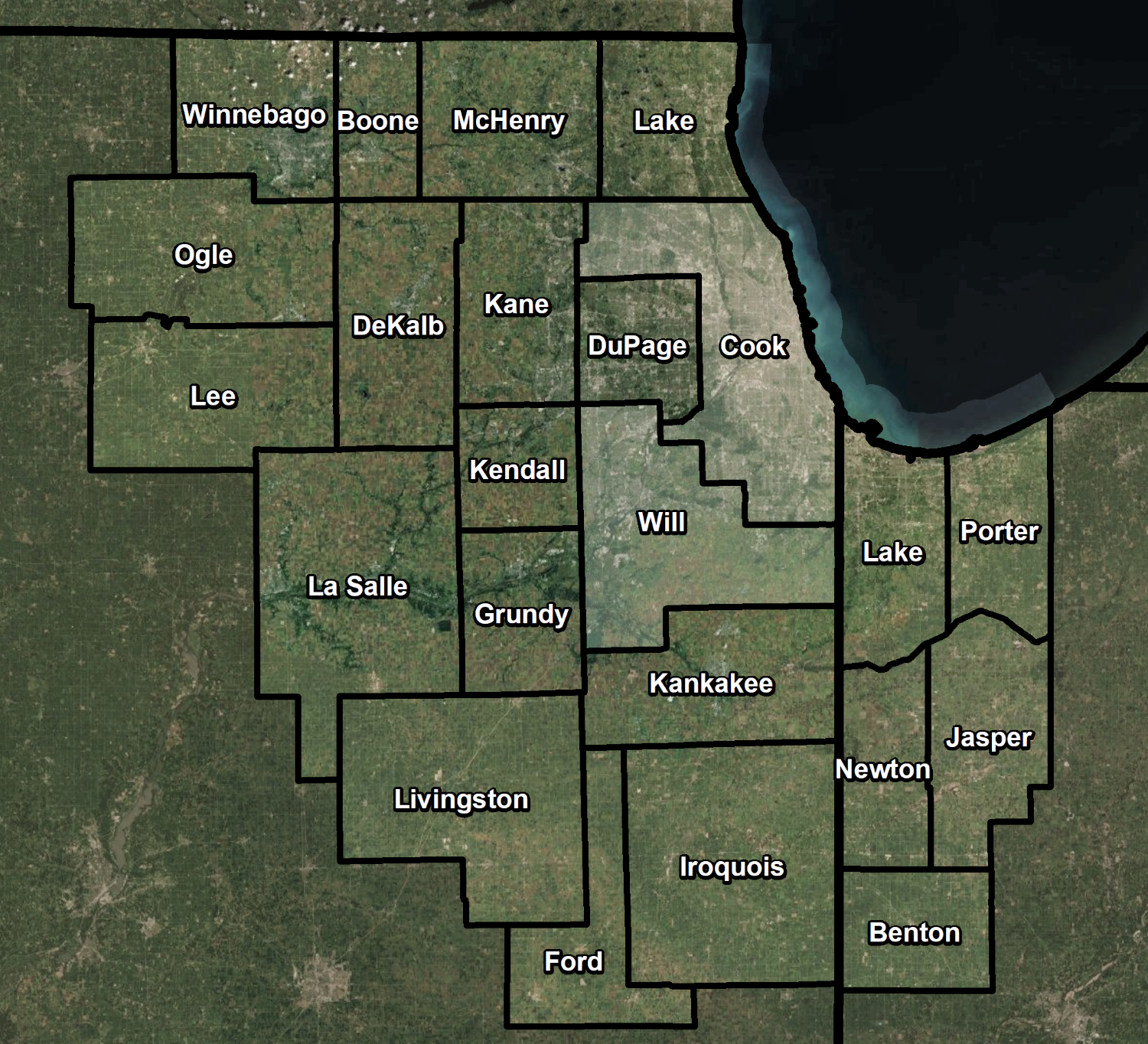
Chicago, often celebrated as one of the United States‘ most dynamic and culturally rich cities, holds a significant place not only in the heart of Illinois but also on the global stage for travel and tourism. When planning a visit to this iconic Midwest metropolis, a fundamental question often arises for travelers, especially those delving into its geographical and administrative context: “What county is Chicago?” The straightforward answer is Cook County. However, understanding the intricate relationship between Chicago and Cook County goes far beyond a simple geographical designation. It unveils layers of history, governance, and a vast array of attractions that define the travel experience in this vibrant region.
This article serves as your comprehensive guide to Chicago’s county, exploring not just its administrative boundaries but also how its location within Cook County influences everything from its world-class landmarks and diverse neighborhoods to the practicalities of accommodation and the rich tapestry of its lifestyle offerings. Whether you’re a seasoned traveler seeking new destinations, an architecture enthusiast drawn to its iconic skyline, a food lover eager to savor its culinary delights, or simply planning your next family trip, understanding Cook County is key to unlocking the full potential of your Chicago adventure. We’ll delve into the history, the must-see attractions, the diverse hotel options, and the unique cultural experiences that make Chicago a premier destination.
Cook County: The Metropolitan Heartbeat of Illinois
Cook County is not just any county; it is the most populous county in Illinois and the second-most populous county in the United States, boasting a population that surpasses many states. Chicago, the county seat, accounts for a substantial portion of this population, making it the central economic, cultural, and political hub. This unique demographic and geographic concentration means that the identity of Chicago is inextricably linked with that of Cook County, with the city serving as its undisputed anchor.
A Brief History and Geographic Significance
Established in 1831, Cook County was named after Daniel Pope Cook, an early Illinois politician. Its strategic location on the southwestern shores of Lake Michigan proved pivotal for its rapid growth, transforming from a sparsely populated frontier region into a bustling center for trade, industry, and transportation. The city of Chicago itself was incorporated just a few years later in 1837, quickly becoming a crucial nexus for railroads and shipping across North America.
Today, Cook County spans a vast area, encompassing not only the sprawling urban landscape of Chicago but also numerous diverse suburbs, vibrant towns, and even significant natural preserves. This extensive reach means that many of the region’s top attractions, from world-class museums to tranquil botanical gardens, fall within its boundaries. For travelers, understanding this breadth is essential, as it opens up possibilities for exploring destinations beyond the immediate downtown core, enriching their overall Illinois experience.
Governance and Its Impact on Tourism
The governance of Cook County involves various layers, from the county board to municipal governments. While Chicago operates under its own city government, many services and policies impacting residents and visitors alike are managed at the county level. This includes public health services, forest preserves, and the judicial system. For tourism, this multi-layered approach often translates into well-maintained public spaces, a robust transportation infrastructure like the CTA (Chicago Transit Authority) and Metra commuter rail, and a commitment to preserving historical sites, all of which contribute positively to the visitor experience. The county’s support for cultural institutions and recreational areas ensures that there’s always something new and exciting for travelers to discover, whether they’re on a luxury trip or exploring on a budget.
Exploring Chicago’s Iconic Attractions Within Cook County
Chicago’s reputation as a world-class travel destination is built upon its extraordinary collection of landmarks, cultural institutions, and vibrant neighborhoods, almost all of which are nestled comfortably within Cook County. From towering skyscrapers to serene green spaces, the city offers an unparalleled array of experiences for every type of traveler.
Architectural Wonders and Skyline Vistas
One cannot speak of Chicago without marveling at its groundbreaking architecture. The city is a living museum of architectural innovation, and its skyline is instantly recognizable worldwide. The Willis Tower (formerly Sears Tower), with its exhilarating Skydeck offering panoramic views stretching across four states, remains a top attraction. Similarly, the 360 Chicago Observation Deck in the historic John Hancock Center provides another breathtaking perspective of the city and Lake Michigan.
Beyond these giants, the architectural boat tours along the Chicago Riverwalk are an absolute must. These tours provide an intimate look at the city’s diverse building styles, from the early pioneers of the Chicago School to contemporary masterpieces. Walking along the famous Magnificent Mile on Michigan Avenue further immerses visitors in a blend of historic and modern structures, alongside high-end shopping and dining experiences.
World-Class Museums and Cultural Institutions
Cook County is home to an incredible concentration of museums, offering deep dives into art, science, and natural history. Located primarily around Grant Park and Museum Campus, these institutions are easily accessible and provide days of exploration.
The Art Institute of Chicago houses an astounding collection spanning centuries and cultures, making it one of the oldest and largest art museums in the United States. Nearby, the Field Museum captivates visitors with its natural history exhibits, including the famous Tyrannosaurus Rex skeleton, SUE. The Shedd Aquarium offers an immersive journey through aquatic worlds, while the Adler Planetarium invites exploration of the cosmos, providing breathtaking views of Chicago’s skyline against the backdrop of the stars. Further south, the Museum of Science and Industry, located in the historic Palace of Fine Arts from the 1893 World’s Columbian Exposition, provides interactive exhibits on everything from U-boats to space travel.
Parks, Green Spaces, and Lakeside Recreation
Despite its urban density, Chicago prides itself on its expansive green spaces and its unparalleled access to Lake Michigan. Millennium Park, famous for its iconic Cloud Gate sculpture (affectionately known as “The Bean”), the Crown Fountain, and the Jay Pritzker Pavilion, is a vibrant public space that hosts numerous events and concerts throughout the year. Adjacent to it, Grant Park, often called “Chicago’s front yard,” encompasses beautiful gardens, fountains like Buckingham Fountain, and provides ample space for relaxation and recreation.
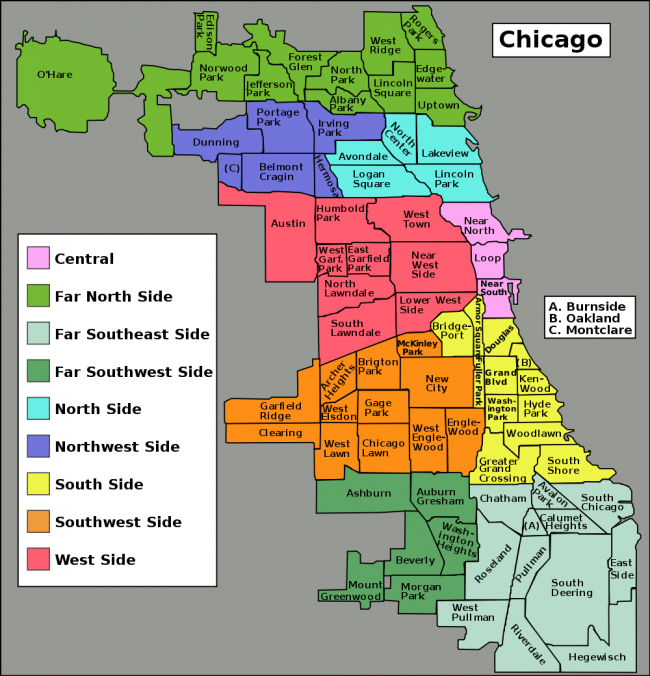
North of downtown, Lincoln Park is another urban oasis, home to the free-admission Lincoln Park Zoo, the exquisite Lincoln Park Conservatory, and picturesque walking trails along the lakefront. The entire Chicago lakefront offers miles of paths for biking, running, and strolling, along with beaches and recreational harbors, all providing stunning views of the city skyline and the vast expanse of Lake Michigan. The Garfield Park Conservatory, located in the West Side, is one of the largest and most impressive conservatories in the United States, offering a lush escape into diverse plant collections.
Accommodation and Lifestyle in the Windy City
Chicago within Cook County offers a spectrum of accommodation options and lifestyle experiences, catering to every budget and preference, making it an ideal destination for any kind of trip – be it a luxurious getaway, a family adventure, or a business stay.
Diverse Hotel Options for Every Traveler
The city’s hotel landscape is as diverse as its population. For those seeking luxury travel, world-renowned establishments like The Peninsula Chicago, Four Seasons Hotel Chicago, and Waldorf Astoria Chicago offer unparalleled service, exquisite amenities, and often prime locations near the Magnificent Mile or in the sophisticated Streeterville neighborhood. These luxury hotels often feature stunning suites, gourmet dining, and spa services, perfect for an indulgent escape.
Mid-range hotels provide excellent value with comfortable amenities and strategic locations, often found in popular districts like the Loop (the central business district) or River North, known for its art galleries and nightlife. Budget-friendly options, including boutique hotels and hostels, are also readily available, particularly in neighborhoods a little further from the immediate downtown core, ensuring that even budget travelers can find comfortable and convenient accommodation. Beyond traditional hotels, travelers can also find serviced apartments or vacation rentals, ideal for longer stays or family trips requiring more space and kitchen facilities. Comparing options and reading reviews is crucial for booking the perfect stay.

Culinary Journeys and Vibrant Nightlife
Chicago’s food scene is legendary, offering everything from iconic deep-dish pizza and the quintessential Chicago-style hot dog to an impressive array of Michelin-starred restaurants. Neighborhoods like Fulton Market and West Loop have transformed into culinary hotspots, boasting innovative eateries and trendy bars. Whether you’re craving upscale dining, authentic ethnic cuisine from diverse communities like those found near the National Museum of Mexican Art, or casual comfort food, Chicago delivers.
The city also comes alive after dark with a vibrant nightlife scene. From jazz clubs and blues bars in areas like Lincoln Park to high-energy dance clubs in River North and sports bars in Wrigleyville (home to Wrigley Field), there’s entertainment for every taste. Exploring the local culture through its food and activities is a key part of the Chicago experience, offering unique insights into the city’s diverse character.
Planning Your Chicago Experience
To make the most of your visit to Chicago and Cook County, planning is essential. Consider purchasing a CityPASS or similar attraction pass if you plan to visit multiple museums and attractions, as this can offer significant savings. Utilize the efficient CTA system (trains and buses) to navigate the city, especially during peak travel times. For those arriving by air, O’Hare International Airport and Midway International Airport both offer convenient public transportation links to downtown.
Seasonal considerations also play a role. Summer brings numerous festivals, outdoor concerts in Millennium Park, and lively lakefront activities, while the winter months offer enchanting holiday markets, ice skating, and a different kind of urban charm. Regardless of the season, Chicago is a city that embraces its visitors with open arms, offering a rich tapestry of experiences that blend history, modernity, and undeniable charm.
Beyond Chicago’s City Limits: Cook County’s Wider Appeal
While Chicago is undoubtedly the star attraction of Cook County, the surrounding suburban areas within the county offer their own unique charms and attractions, making for excellent day trips or extended stays, particularly for those seeking a different pace or specific interests.
Suburban Gems and Natural Escapes
Cook County’s suburbs are far from mere bedroom communities; many boast significant cultural and recreational offerings. The Brookfield Zoo, located in Brookfield, is a world-renowned zoological park that provides ample family-friendly entertainment and conservation education, housing thousands of animals across its expansive grounds. Further north, in Glencoe, the Chicago Botanic Garden is a breathtaking 385-acre living museum featuring 27 gardens and four natural areas, offering tranquility and beauty through all seasons.
For architecture enthusiasts, a visit to Oak Park is highly recommended. This suburb is home to the largest concentration of Frank Lloyd Wright designed structures in the world, including his own Frank Lloyd Wright Home and Studio. The charming city of Evanston, just north of Chicago, offers a vibrant downtown, beautiful lakefront parks, and is home to Northwestern University. These destinations provide a welcome contrast to the bustling city center and highlight the diverse character of Cook County as a whole. They also offer a wider range of accommodation choices, from smaller hotels to cozy bed and breakfasts, catering to those who prefer a quieter environment while still being within easy reach of Chicago.
Conclusion
In answer to “What county is Chicago?”, the definitive response is Cook County. Yet, this simple geographical fact serves as the gateway to understanding a complex and captivating metropolitan area. Chicago, as the vibrant heart of Cook County, offers an unparalleled array of experiences for every traveler. From its awe-inspiring architectural landmarks like the Willis Tower and the elegant Magnificent Mile, to its world-class cultural institutions such as the Art Institute of Chicago and the Field Museum, the city provides endless opportunities for exploration and discovery.
Whether you’re seeking luxury accommodations in River North, savoring a classic Chicago-style hot dog, exploring the artistic treasures of Millennium Park, or venturing into the charming suburbs for unique attractions like the Chicago Botanic Garden, Chicago and its surrounding Cook County truly have it all. Its blend of historical significance, modern amenities, diverse cultural landscapes, and extensive recreational opportunities ensures that every visit is a rich tapestry of unforgettable moments. As you plan your next trip, remember that Chicago is more than just a city; it’s an expansive region within Cook County that invites you to dive deep into its history, culture, and vibrant lifestyle. Get ready to experience the Windy City – a premier destination that continually redefines the essence of urban travel.