
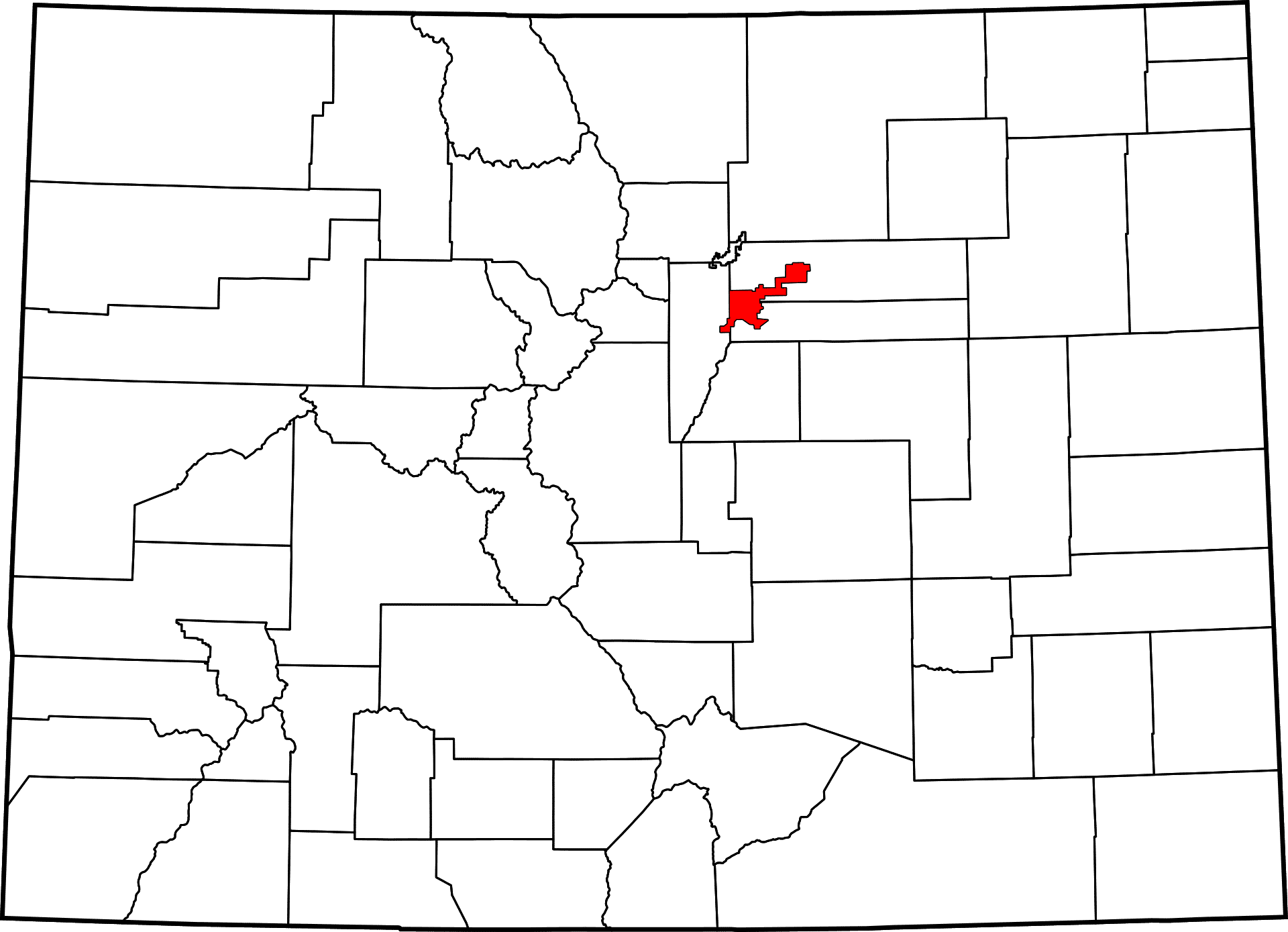
Denver, Colorado, holds a distinctive administrative status within the United States. Unlike most major cities that reside within a larger county jurisdiction, Denver is uniquely consolidated as both a city and a county. Officially known as the City and County of Denver, this means that its municipal government simultaneously functions as its county government, providing a unified system of governance for its residents and visitors. This progressive structure simplifies administrative processes, streamlines public services, and fosters a cohesive approach to urban planning and development, setting it apart from many other metropolitan areas across the nation. This unique identity not only defines its administrative framework but also contributes to its appeal as a well-organized and dynamic travel destination.
The Unique Administrative Identity of Denver
The dual nature of Denver’s governance is a testament to Colorado’s’s forward-thinking approach to urban development in the early 20th century. This distinct administrative status has profound implications for how the city operates, making it an intriguing case study for those interested in civic structure and local government.
A City and County Unified
The consolidation of Denver as both a city and a county dates back to 1902 when the State of Colorado adopted the Taussig Amendment to its constitution. This crucial amendment granted “home rule” powers, allowing cities to adopt their own charters and, in the case of Denver, to merge its city and county governments. This move was driven by a desire for greater efficiency, local control, and a more integrated approach to managing a rapidly growing urban center. The unified structure eliminates the bureaucratic layers often found in areas with separate city and county administrations, leading to more direct accountability and potentially more responsive public services.
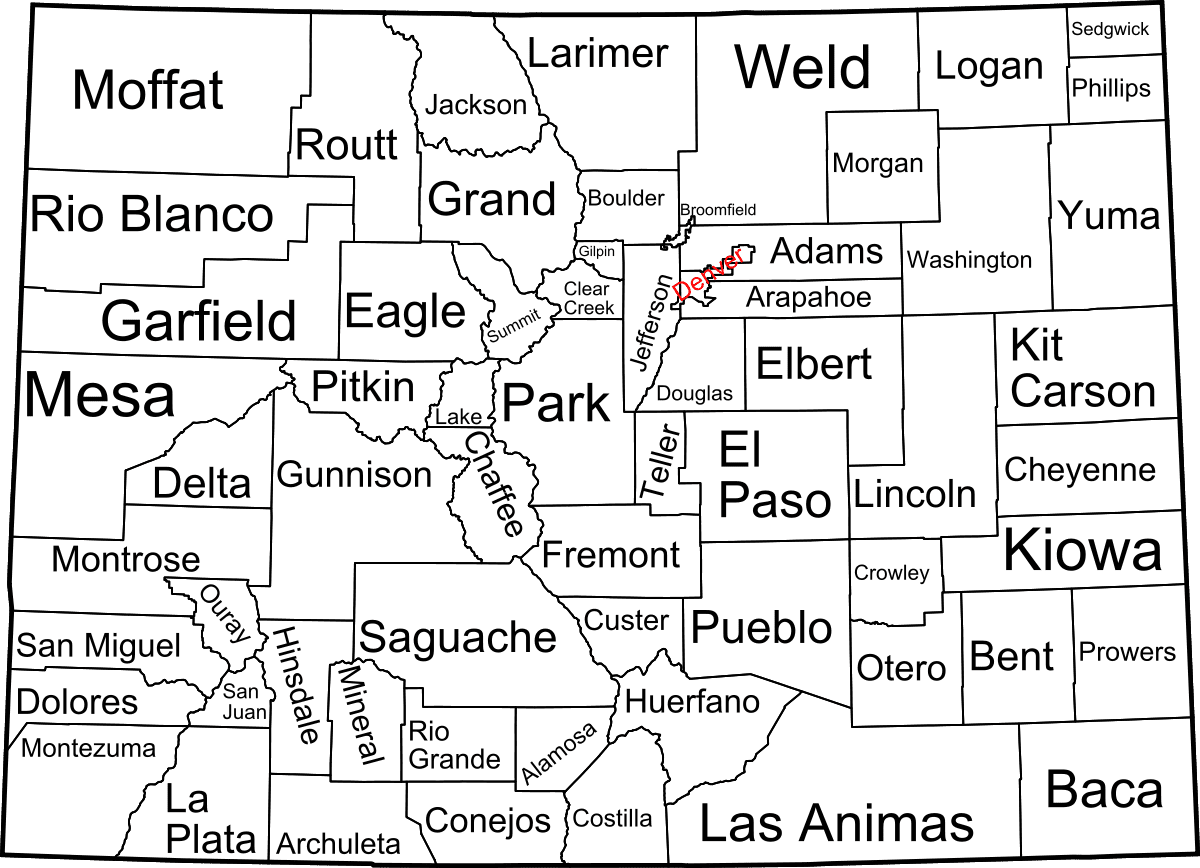
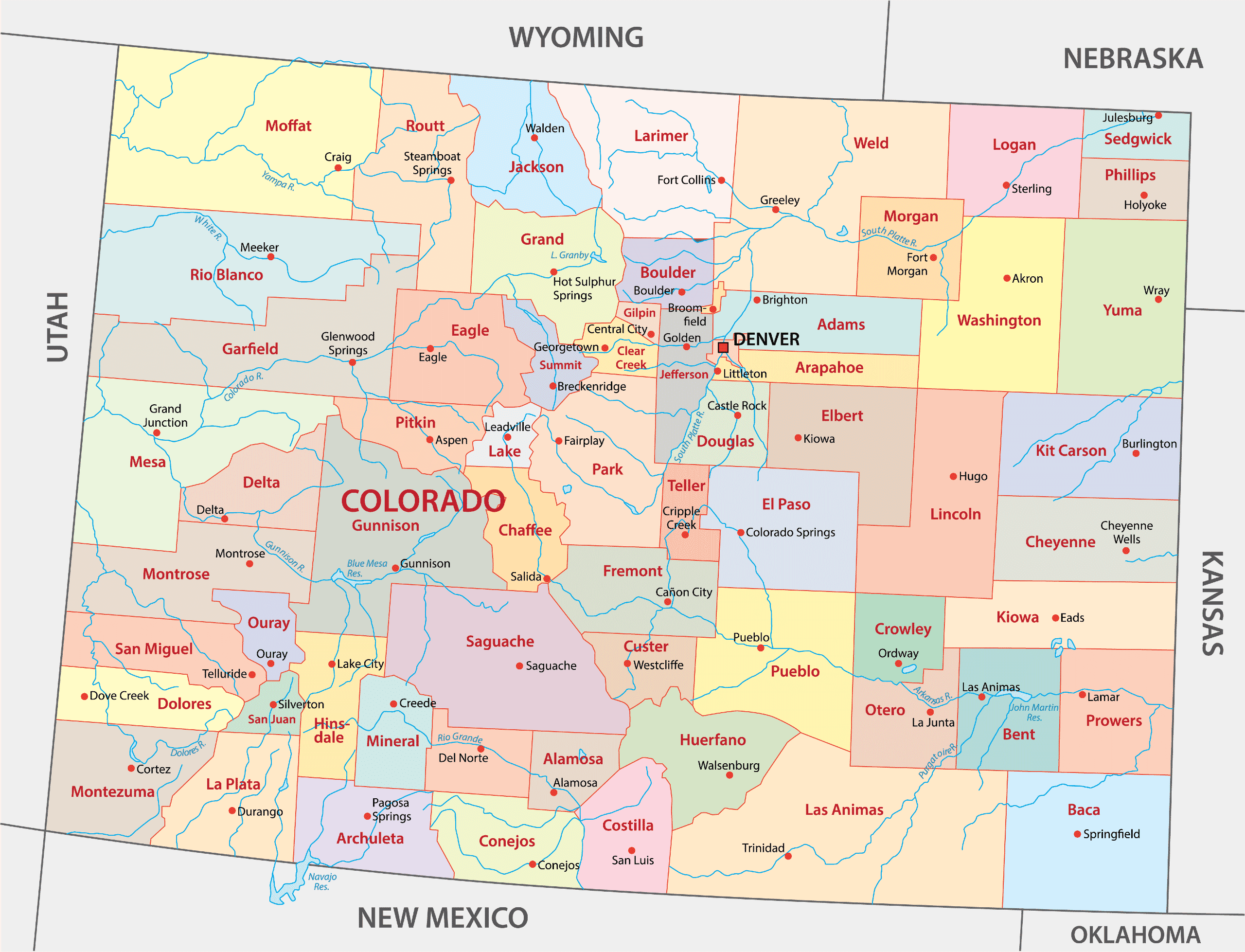
For residents, this means a single governmental entity is responsible for a comprehensive range of services, from public safety, parks and recreation, and urban planning to property assessments, judicial functions, and public health initiatives. This streamlined approach often results in a more cohesive urban environment and a unified vision for the city’s future. While the City and County of Denver operates within fixed geographical boundaries, it is important to distinguish this from the broader Denver Metropolitan Area, which encompasses several adjacent counties. These include Adams County, Arapahoe County, Boulder County, Broomfield County, Douglas County, and Jefferson County, each with its own independent governmental structure. Understanding this distinction is key to grasping the full scope of governance and services in the greater Denver region.
Historical Context of Denver’s Governance
The journey to becoming the City and County of Denver is deeply intertwined with the region’s history, marked by rapid expansion and the need for adaptable governance. Founded in 1858 during the Pike’s Peak Gold Rush, Denver quickly transitioned from a frontier mining camp into a bustling urban center. The early territorial days were characterized by a patchwork of provisional governments and a constant struggle to establish stable administrative systems amidst a fluctuating population and rapid growth.
The push for a consolidated city-county government was a progressive response to the complexities of managing an increasingly sophisticated urban area. Leaders at the turn of the 20th century recognized that a unified approach would better serve the needs of a modern metropolis, enabling more effective resource allocation and strategic long-term planning. The successful implementation of the home rule charter and the city-county consolidation in 1902 cemented Denver’s reputation as an innovative hub. This historical decision continues to shape the city’s identity, fostering a strong sense of civic pride and a unified community spirit. It has allowed Denver to undertake ambitious public works projects and cultivate a distinctive urban landscape, all contributing to its status as one of the most livable and dynamic cities in the United States. This unique governmental structure, while primarily an administrative detail, indirectly contributes to the visitor experience by ensuring a well-managed and efficiently run city.
Denver as a Premier Travel Destination
Beyond its fascinating administrative structure, Denver stands out as a premier travel destination, offering an irresistible blend of urban sophistication, cultural richness, and unparalleled access to outdoor adventure. Often referred to as the “Mile High City” due to its exact elevation of one mile above sea level at the steps of the State Capitol Building, Denver captivates visitors with its vibrant energy and a backdrop of the majestic Rocky Mountains. This combination makes it an ideal spot for various travel lifestyles, from luxury explorations to budget-friendly family trips.
Iconic Landmarks and Attractions
Denver boasts a wealth of iconic landmarks and attractions that cater to diverse interests. The gold-domed Colorado State Capitol is not only a symbol of the state’s governance but also offers free tours and incredible panoramic views from its observation deck. Nearby, the strikingly designed Denver Art Museum houses an impressive collection, particularly noted for its Native American and Western American art, alongside global contemporary exhibitions. History enthusiasts will appreciate the Molly Brown House Museum, the impeccably preserved Victorian home of the “Unsinkable” Molly Brown, a survivor of the Titanic disaster, offering a fascinating glimpse into early 20th-century life.
For family-friendly excursions, City Park is a sprawling urban oasis, home to the Denver Zoo and the Denver Museum of Nature & Science, both providing engaging and educational experiences. Just a short drive outside the city, the world-renowned Red Rocks Park and Amphitheatre is a geological marvel and an unparalleled concert venue, offering breathtaking scenery and hiking trails even when no performances are scheduled. In downtown, the historic gas-lamp-lit streets of Larimer Square invite visitors to explore charming boutiques and critically acclaimed restaurants. The beautifully restored Union Station, once a grand railway hub, now serves as a dynamic social center with boutique hotel accommodations, diverse dining options, and bustling bars. Each of these landmarks tells a part of Denver’s story, blending history with modern vibrancy.
A Thriving Cultural and Culinary Scene
Denver’s cultural landscape is as rich and varied as its natural surroundings. The city boasts a thriving arts scene, anchored by the expansive Denver Center for the Performing Arts, which hosts everything from Broadway tours and opera to ballet and local theatrical productions. Art lovers will be drawn to the River North Art District, affectionately known as RiNo, where industrial warehouses have been transformed into vibrant art galleries, street art masterpieces, craft breweries, and innovative eateries. This district is a testament to Denver’s creative spirit and its ability to continually reinvent itself.
The culinary scene in Denver has exploded in recent years, establishing the city as a foodie paradise. From upscale farm-to-table restaurants showcasing Colorado’s’s bounty to casual food halls and international eateries, there’s something to satisfy every palate. The city is also a mecca for craft beer enthusiasts, boasting an impressive number of breweries and taprooms where visitors can sample unique local brews. Popular spots like Avanti Food & Beverage offer a diverse culinary experience under one roof, while the upscale neighborhood of Cherry Creek features refined dining establishments and luxury shopping. Exploring Denver’s culinary offerings is an essential part of the travel experience, reflecting the city’s commitment to quality, innovation, and local flavors.
Gateway to the Rocky Mountains
Perhaps one of Denver’s most compelling attributes is its unparalleled proximity to the majestic Rocky Mountains. The city proudly serves as the ultimate basecamp for a myriad of outdoor adventures, making it a dream destination for nature lovers and thrill-seekers. Within a short drive, visitors can escape the urban bustle and immerse themselves in pristine wilderness. Rocky Mountain National Park, one of the most stunning national parks in the United States, offers world-class hiking, wildlife viewing, and scenic drives, with trails catering to all skill levels.
During winter, renowned ski and snowboard resorts like Breckenridge and Vail are easily accessible, providing endless opportunities for winter sports. For those seeking breathtaking vistas without extensive hiking, the Mount Evans Scenic Byway, the highest paved road in North America, offers a stunning journey above the tree line. Closer to the city, green spaces like Washington Park and the trails along Cherry Creek State Park provide accessible options for jogging, biking, and picnicking. This harmonious blend of urban amenities and immediate access to rugged natural beauty defines the quintessential Denver lifestyle, appealing to anyone looking to combine city exploration with thrilling outdoor pursuits.
Navigating Your Visit to the Mile High City
Planning a trip to the “Mile High City” is an exciting prospect, and understanding the practicalities of accommodation, transportation, and essential tips can significantly enhance your experience. Denver’s well-developed infrastructure and visitor-friendly services make it an enjoyable destination for all types of travelers.
Accommodation Options for Every Traveler
As a thriving tourist and business hub, Denver offers a diverse range of accommodation options designed to cater to every preference, budget, and travel style. Whether you are seeking luxury, budget-friendly stays, family-oriented resorts, or convenient business hotels, Denver has something suitable.
For those desiring an opulent experience, world-class hotels such as the Four Seasons Hotel Denver and the Ritz-Carlton, Denver provide exceptional amenities, gourmet dining, and prime locations in the heart of downtown. Boutique hotels, like The Crawford Hotel situated within Union Station, offer unique charm, historical ambiance, and personalized service, often blending modern comfort with distinctive local flair. Budget-conscious travelers will find numerous reputable hotel chains throughout the city, alongside an increasing number of stylish hostels and vacation rentals that offer excellent value without compromising on cleanliness or convenience.
Family trips are made easy with hotels featuring spacious suites, kid-friendly amenities like swimming pools, and convenient access to attractions. Business travelers can choose from many downtown hotels equipped with state-of-the-art meeting facilities, business centers, and executive lounges. For longer stays or those seeking a more authentic local experience, serviced apartments and short-term rentals are popular in neighborhoods such as LoDo (Lower Downtown) and Capitol Hill, offering the comforts of home. It is always advisable to book accommodations in advance, especially during peak travel seasons, to secure the best rates and ensure availability for your preferred stay.
Getting Around Denver
Navigating Denver is generally straightforward, thanks to its well-planned grid system and comprehensive public transportation network. The Regional Transportation District (RTD) operates an extensive system of buses and light rail lines that efficiently connect downtown with various neighborhoods and surrounding suburbs. A major convenience for visitors is the direct RTD rail line (A Line) from Denver International Airport (DIA) to Union Station, providing a hassle-free and affordable way to get into the city center.
For exploring the compact downtown areas, including Larimer Square, LoDo, and the pedestrian-friendly 16th Street Mall, walking is an excellent option. The 16th Street Mall even offers a free shuttle service, making it easy to traverse this popular shopping and dining promenade. Denver is also a highly bicycle-friendly city, with numerous dedicated bike lanes and trails, and bicycle rental services readily available. This allows for a scenic and active way to explore the city’s parks and greenways.
While public transport is efficient for most urban excursions, renting a car is often recommended for those planning to venture extensively into the Rocky Mountains or visit attractions further afield from the city center. Ridesharing services and traditional taxis are also widely available throughout the metropolitan area, offering convenient alternatives for specific destinations or late-night travel.
Essential Tips for Visitors
Visiting the “Mile High City” comes with a few unique considerations, primarily related to its elevation. The most crucial tip for first-time visitors to Denver is to be mindful of the high altitude, which stands at 5,280 feet above sea level. Some individuals may experience mild altitude sickness symptoms, such as headaches, fatigue, or shortness of breath. To mitigate these effects, it is highly recommended to stay well-hydrated by drinking plenty of water, avoid excessive alcohol consumption upon arrival, and take it easy for the first day or two, especially before engaging in strenuous physical activities.
Denver’s weather can be unpredictable and change rapidly, even within a single day. Therefore, packing layers is essential, as temperatures can fluctuate dramatically between morning, afternoon, and evening. Given the intense sun at this elevation, sunscreen and sunglasses are vital year-round, regardless of the season. Comfortable walking shoes are a must for exploring the city’s pedestrian-friendly districts and extensive park system.
For those planning to visit popular attractions or dine at acclaimed restaurants, making reservations in advance is highly advisable, particularly during weekends and peak tourist seasons. Consider purchasing a Denver CityPASS if you intend to visit multiple museums and attractions, as it can offer significant savings. Always check local event listings and festival schedules prior to your visit, as Denver frequently hosts a vibrant array of events, from music festivals to cultural celebrations, which can greatly enhance your travel experience. By embracing these tips, you’re well on your way to enjoying the dynamic charm and endless opportunities that this remarkable Colorado gem has to offer.
LifeOutOfTheBox is a participant in the Amazon Services LLC Associates Program, an affiliate advertising program designed to provide a means for sites to earn advertising fees by advertising and linking to Amazon.com. Amazon, the Amazon logo, AmazonSupply, and the AmazonSupply logo are trademarks of Amazon.com, Inc. or its affiliates. As an Amazon Associate we earn affiliate commissions from qualifying purchases.