
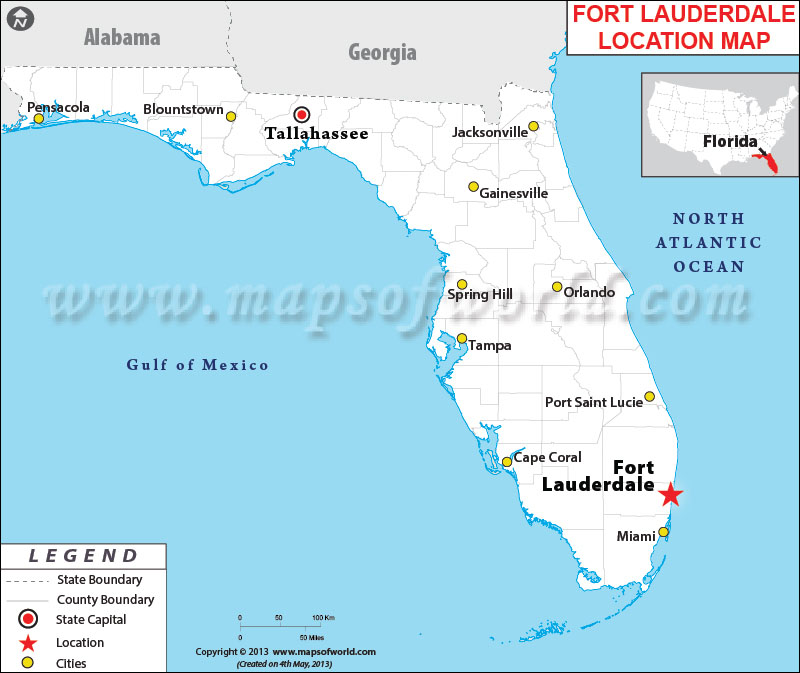
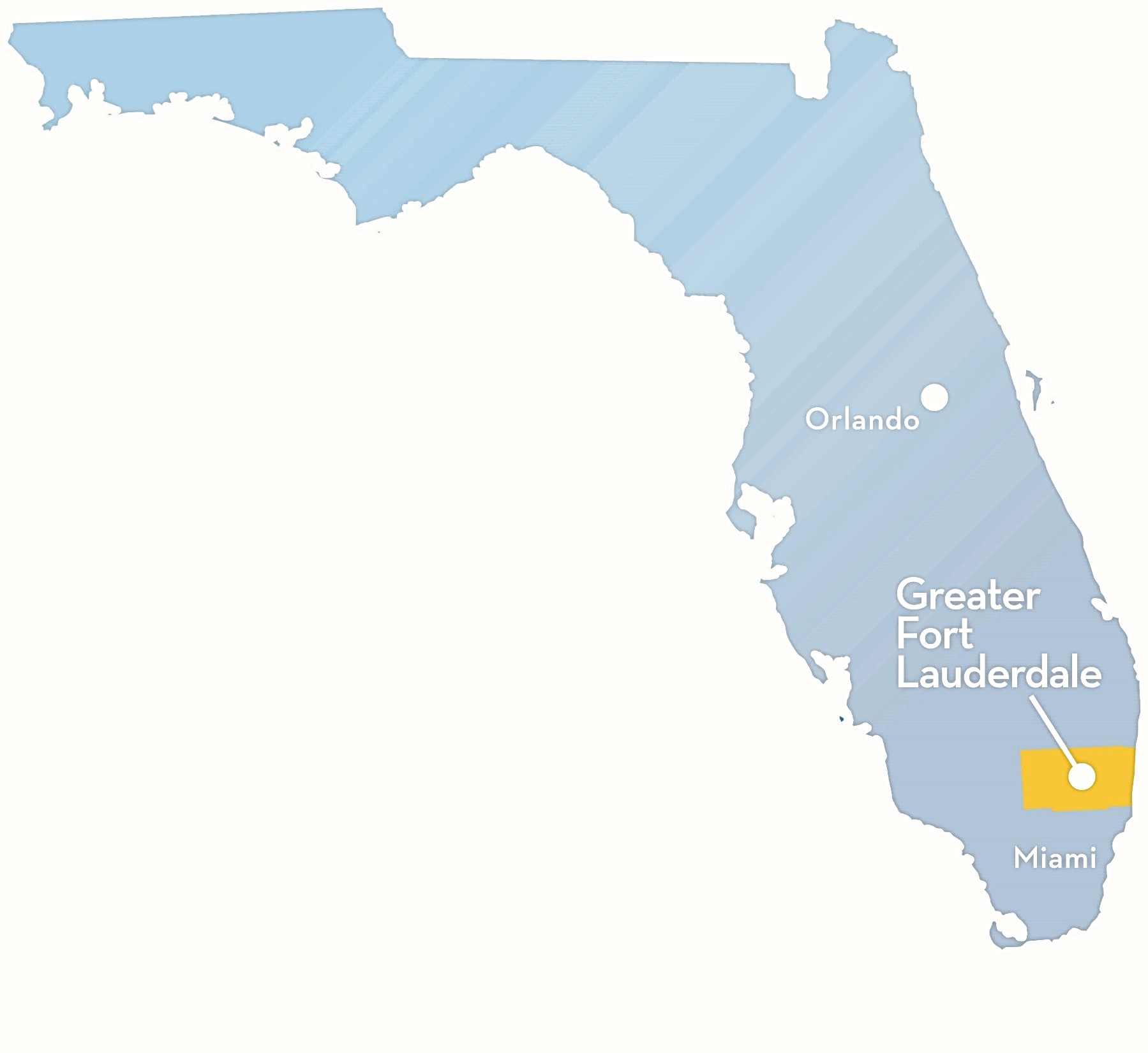
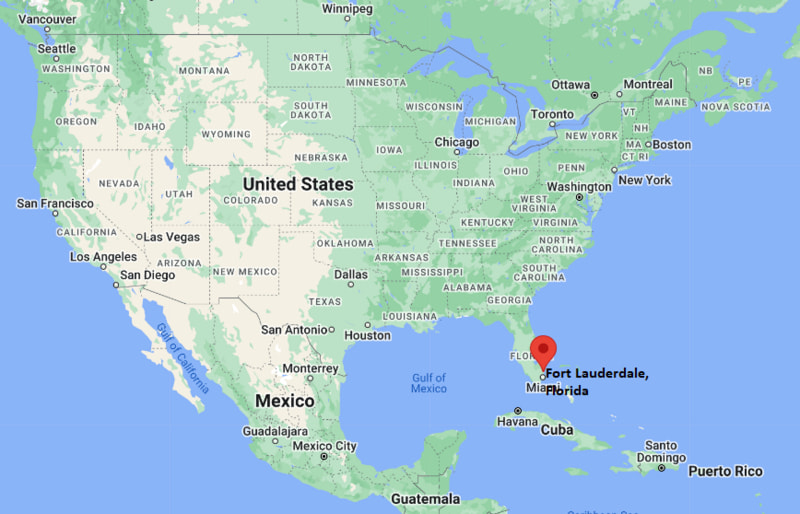
Nestled along the southeastern coast of Florida, the vibrant city of Fort Lauderdale stands as a prominent gem often dubbed the “Venice of America” due to its intricate canal system and a profound connection to the water. A question frequently posed by travelers and prospective residents alike is, “What county is Fort Lauderdale, Florida in?” The straightforward answer is: Fort Lauderdale is the county seat of Broward County. This coastal county, a cornerstone of the South Florida metropolitan area, plays a pivotal role in the region’s economy, culture, and tourism landscape.
Understanding Broward County’s characteristics is essential to fully appreciate the allure and strategic importance of Fort Lauderdale. From its sprawling urban centers and pristine beaches to its lush natural preserves and diverse communities, Broward County offers a dynamic blend of experiences for every type of traveler and resident. This article will delve into the essence of Broward County and spotlight Fort Lauderdale’s unique appeal, exploring its attractions, accommodation options, and the lifestyle it offers, all while providing insights for those planning a visit.
Broward County: The Home of Fort Lauderdale
Broward County, established in 1915 and named after Napoleon Bonaparte Broward, a former Florida governor, is a powerhouse in the southeastern part of the Sunshine State. It is the second-most populous county in Florida and a vital component of the larger Miami metropolitan area, extending its influence across the state and beyond. The county’s geography is characterized by its extensive coastline along the Atlantic Ocean to the east, urban development sprawling inland, and the vast expanse of the Everglades to the west, creating a diverse ecosystem that balances bustling city life with untouched natural beauty.
Geographic and Demographic Overview
Geographically, Broward County spans approximately 1,211 square miles, with a significant portion dedicated to water and protected areas. Its eastern boundary is defined by the shimmering Atlantic Ocean, offering miles of sandy beaches that are a major draw for tourists. Inland, the landscape transitions from dense urban development to suburban communities and eventually to the untamed wilderness of the Everglades National Park and other conservation lands. This unique juxtaposition means that within a relatively short drive, one can move from high-rise beachfront resorts to tranquil nature trails, providing a spectrum of outdoor activities and scenic views.
Demographically, Broward County is a melting pot of cultures and backgrounds, boasting a population of over 1.9 million people. This rich diversity is reflected in its vibrant communities, diverse culinary scene, and a wide array of festivals and cultural events throughout the year. The economy of Broward County is robust and multifaceted, heavily reliant on tourism, international trade facilitated by Port Everglades (one of the busiest cruise ports in the world), and a growing technology sector. Real estate, healthcare, and education also contribute significantly to its economic vitality, making it a dynamic place to live, work, and visit. Its strategic location, coupled with world-class infrastructure including Fort Lauderdale-Hollywood International Airport (FLL), positions Broward County as a key gateway to South Florida and the Caribbean.
Beyond Fort Lauderdale: Exploring Broward’s Diverse Landscape
While Fort Lauderdale is undoubtedly the crown jewel, Broward County is home to many other distinctive cities and areas, each with its own charm and attractions. To the south, Hollywood beckons with its historic boardwalk, vibrant arts scene, and the iconic Hollywood Beach, offering a slightly more laid-back atmosphere than its northern neighbor. Further north, Pompano Beach is celebrated for its pristine beaches, excellent fishing pier, and a growing culinary scene, making it a favorite for families and water sports enthusiasts.
Inland, cities like Coral Springs and Plantation offer a suburban lifestyle with beautiful parks, top-rated schools, and community-focused amenities. These areas provide a contrast to the bustling coastal zones, emphasizing green spaces, golf courses, and family-friendly entertainment. The western reaches of the county border the Everglades, providing unparalleled opportunities for airboat tours, wildlife viewing, and experiencing Florida’s unique wetland ecosystems. Protected areas such as Hugh Taylor Birch State Park within Fort Lauderdale itself, and the expansive Everglades National Park nearby, offer critical habitats for diverse wildlife, including alligators, panthers, and numerous bird species, making Broward County a haven for nature lovers and adventurers. This rich tapestry of urban development, suburban comfort, and natural wilderness truly defines the diverse landscape of Broward County.
Fort Lauderdale: A Jewel of the Gold Coast
At the heart of Broward County lies Fort Lauderdale, a city that has masterfully transformed itself from a spring break hotspot into a sophisticated destination for luxury travel, cultural exploration, and family vacations. Its unique appeal stems from a harmonious blend of stunning natural beauty, a vibrant arts scene, world-class dining, and an unparalleled connection to the water. Known as the “Yachting Capital of the World,” Fort Lauderdale boasts an impressive network of navigable waterways, making boating, sailing, and yachting not just activities, but a way of life. The city’s moniker, “Venice of America,” is a testament to its 300 miles of canals and waterways, which are meticulously integrated into its urban fabric. This extensive system offers unique ways to explore the city, from gondola rides to the popular Fort Lauderdale Water Taxi, providing scenic routes past opulent mansions, bustling marinas, and lush tropical landscapes.
The “Venice of America”: Waterways and Wonders
The aquatic allure of Fort Lauderdale is undoubtedly its most defining characteristic. The city’s pristine Fort Lauderdale Beach stretches for miles, offering soft sands and clear, warm waters perfect for swimming, sunbathing, and a variety of water sports, from paddleboarding to jet-skiing. The iconic beachfront promenade, lined with palm trees, shops, and restaurants, invites leisurely strolls and breathtaking sunrise views over the Atlantic Ocean. Beyond the beach, the city’s extensive canal system is a gateway to adventure. Chartering a yacht or sailboat is a popular activity, allowing visitors to experience the luxury lifestyle and explore hidden coves and intercoastal waterways. Fishing charters are also readily available, targeting a wide range of game fish in the rich offshore waters. For those seeking underwater exploration, Fort Lauderdale is a renowned diving destination, home to artificial reefs and natural wrecks that teem with marine life. Snorkeling along the shallow reefs offers another fantastic way to discover the vibrant underwater world. The city’s maritime heritage is also celebrated at Port Everglades, a bustling cruise port that serves as a departure point for Caribbean cruises and a major hub for cargo and international trade.
Culture, Cuisine, and Cosmopolitan Charm
Beyond its aquatic marvels, Fort Lauderdale is a city rich in culture, offering a dynamic blend of arts, entertainment, and culinary experiences. The Riverwalk Arts & Entertainment District is the cultural heart of the city, home to world-class venues like the Broward Center for the Performing Arts, which hosts Broadway shows, concerts, and ballets. Art enthusiasts will appreciate the NSU Art Museum Fort Lauderdale, showcasing an impressive collection of international modern and contemporary art, as well as works by Florida artists. For a glimpse into the past, the historic Bonnet House Museum & Gardens offers a unique blend of art, architecture, history, and ecology, preserved on one of the last examples of a complete barrier island ecosystem in South Florida.
The culinary scene in Fort Lauderdale is as diverse as its population, ranging from upscale fine dining establishments to casual beachfront eateries and international flavors. Las Olas Boulevard is the epicenter of this gastronomic journey, a picturesque street lined with chic boutiques, art galleries, and a plethora of restaurants offering everything from fresh seafood to authentic global cuisines. At night, Las Olas Boulevard transforms into a vibrant hub for nightlife, with lively bars and lounges. For shopping, in addition to the boutiques on Las Olas Boulevard, the Galleria at Fort Lauderdale provides an upscale indoor shopping experience with a wide selection of national retailers and designer brands. The city’s commitment to urban renewal is also evident in areas like Sistrunk Boulevard, which is undergoing revitalization, aiming to foster a cultural and commercial corridor celebrating the area’s rich heritage. Whether seeking cultural enrichment, culinary delights, or exciting nightlife, Fort Lauderdale offers a sophisticated and engaging experience for every visitor.
Planning Your Visit: Accommodation and Travel Insights
Embarking on a journey to Fort Lauderdale promises an unforgettable experience, whether you’re seeking relaxation on the beach, adventure on the waterways, or immersion in culture. To make the most of your trip to this gem in Broward County, thoughtful planning, particularly regarding accommodation and travel logistics, is key. The city’s well-developed tourism infrastructure ensures that visitors can find options that cater to every preference and budget, guaranteeing a comfortable and convenient stay.
Diverse Accommodation Options for Every Traveler
Fort Lauderdale boasts an impressive array of accommodation choices, reflecting its status as a premier travel destination. For those seeking luxury and indulgence, the city’s beachfront is home to a collection of world-class resorts that offer unparalleled amenities, stunning ocean views, and impeccable service. Iconic establishments like The Ritz-Carlton, Fort Lauderdale and the W Fort Lauderdale provide a sophisticated escape with private cabanas, gourmet dining, and lavish spa services. These resorts often feature direct beach access, multiple swimming pools, and exclusive club levels, catering to guests looking for an opulent experience.
Boutique hotels are also popular in Fort Lauderdale, offering unique charm, personalized service, and a more intimate atmosphere. Many of these properties are located near Las Olas Boulevard or along the intercoastal, providing easy access to dining, shopping, and entertainment. For families or longer stays, vacation rentals, including apartments, condos, and villas, are an excellent choice, offering more space, privacy, and the convenience of home-like amenities such as fully equipped kitchens. These options can be found across various neighborhoods, from beachfront units to properties nestled in quieter residential areas.
Mid-range and budget-friendly hotels are also widely available, especially slightly off the immediate beachfront, providing comfortable and clean accommodations without compromising on accessibility to the city’s main attractions. Many offer complimentary breakfasts, swimming pools, and shuttle services, making them ideal for budget-conscious travelers or those on business trips, particularly near the Broward County Convention Center. When choosing accommodation, consider your priorities: proximity to the beach, access to public transportation or specific attractions, and the type of ambiance you desire, whether a lively resort or a serene private retreat.
Seamless Travel and Local Exploration
Traveling to and around Fort Lauderdale is remarkably convenient, thanks to its robust transportation infrastructure. The primary gateway for air travelers is Fort Lauderdale-Hollywood International Airport (FLL), located just a few miles from downtown Fort Lauderdale. FLL offers numerous domestic and international flights, and ground transportation from the airport is plentiful, including taxis, ride-sharing services, car rentals, and shared-ride shuttles to hotels and other destinations in Broward County. For those arriving by sea, Port Everglades serves as a major cruise terminal and a busy seaport, welcoming millions of passengers annually.
Once in Fort Lauderdale, navigating the city is relatively easy. The Fort Lauderdale Water Taxi is not just an attraction but also a practical mode of transport, offering hop-on, hop-off service along the intercoastal waterway to various points of interest, including the beach, Las Olas Boulevard, and the Riverwalk Arts & Entertainment District. Public bus services are also available, connecting different parts of the city and Broward County. For faster connections to Miami or West Palm Beach, the Brightline high-speed rail service offers a comfortable and efficient alternative to driving.
The best time to visit Fort Lauderdale is typically during the dry season, from November to April, when temperatures are mild, humidity is lower, and there is less chance of rain. This period also coincides with peak tourist season, so booking accommodations and activities in advance is advisable. During the summer months (May to October), temperatures are higher, and humidity increases, along with a greater chance of afternoon thunderstorms, though excellent deals on hotels and fewer crowds can be found. No matter when you choose to visit, Fort Lauderdale’s allure as a vibrant, water-centric destination within Broward County promises a memorable Florida experience.
In conclusion, Fort Lauderdale is proudly located in Broward County, a region of Florida that truly embodies the state’s diverse appeal. From the bustling marinas and sun-drenched beaches of the city itself to the expansive natural beauty of the Everglades and the vibrant communities spread across the county, Broward County offers a rich tapestry of experiences. Whether you are planning a luxury getaway, a family adventure, or a cultural exploration, Fort Lauderdale and its surrounding county provide an exceptional backdrop for creating lasting memories. Its seamless blend of natural wonders, sophisticated urban amenities, and welcoming atmosphere makes it a must-visit destination on the Gold Coast of Florida.
LifeOutOfTheBox is a participant in the Amazon Services LLC Associates Program, an affiliate advertising program designed to provide a means for sites to earn advertising fees by advertising and linking to Amazon.com. Amazon, the Amazon logo, AmazonSupply, and the AmazonSupply logo are trademarks of Amazon.com, Inc. or its affiliates. As an Amazon Associate we earn affiliate commissions from qualifying purchases.