
Navigating the administrative landscape of any city, especially one as dynamic as Grand Prairie, Texas, can sometimes feel like charting a course through unfamiliar waters. For travelers, residents, and even businesses looking to understand the geographical and governmental framework of Grand Prairie, knowing which county, or counties, lay claim to its territory is a fundamental piece of information. This understanding is not merely an academic exercise; it has practical implications for everything from local governance and taxation to emergency services and regional planning. Grand Prairie’s unique position straddling multiple counties is a testament to its growth and its strategic importance within the larger Dallas-Fort Worth metroplex.

The question “What county is Grand Prairie, Texas?” doesn’t yield a single, simple answer. Instead, it reveals a fascinating aspect of how Texas counties are structured and how cities can grow to encompass portions of multiple administrative regions. For those planning a visit, looking for accommodation, exploring attractions, or simply curious about the region’s makeup, understanding this multi-county designation is key to a more informed perspective. This article delves into the counties that comprise Grand Prairie, exploring the implications of this unique geographic characteristic and offering insights relevant to travelers, tourists, and anyone interested in the lifestyle and landmarks of this vibrant Texan city.
The Tri-County Embrace: Grand Prairie’s Unique Administrative Geography
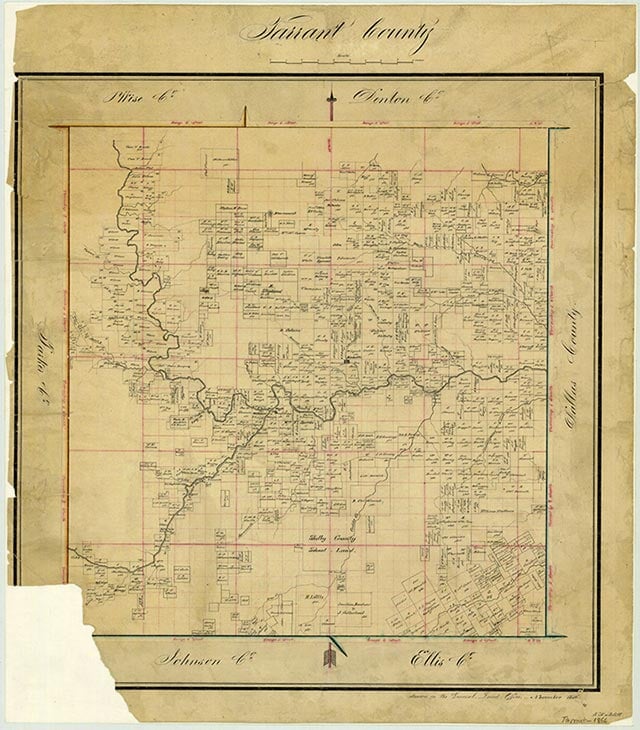
The primary reason the question of Grand Prairie’s county residency is complex is that the city is not confined to a single county. Rather, it is a significant portion of its landmass and population resides within three distinct counties: Dallas County, Tarrant County, and to a lesser extent, Ellis County. This unique situation is a common occurrence in Texas, where cities often expand their boundaries through annexation, sometimes crossing established county lines.
Dallas County: The Northeastern Anchor
A substantial portion of Grand Prairie falls under the jurisdiction of Dallas County. This area typically encompasses the northeastern sections of the city. For residents and businesses located here, county services, local ordinances, and county-level political representation are tied to Dallas County. This includes access to county courthouses, law enforcement support, and various county-administered social programs. The economic and cultural ties of this part of Grand Prairie are often more closely aligned with the bustling metropolis of Dallas itself. This proximity makes it a convenient location for those who commute to Dallas for work or enjoy its extensive array of attractions and cultural events.
Tarrant County: The Southwestern Foundation
The largest segment of Grand Prairie by both land area and population is situated within Tarrant County. This western and southwestern part of the city is directly influenced by the governance and resources of Tarrant County. This includes cities like Fort Worth, which is the county seat and a major economic hub. Residents in this section of Grand Prairie will interact with Tarrant County for services such as voter registration, property tax assessment (though the city also has its own tax), and county courts. The lifestyle and tourism offerings of the western side of Grand Prairie often draw from the attractions of Fort Worth, including its renowned Cultural District and the historic Stockyards.
Ellis County: A Southern Edge
While Dallas County and Tarrant County are the dominant counties for Grand Prairie, a smaller, southern portion of the city extends into Ellis County. This area, often more rural or suburban in character compared to the core urban areas, is under the purview of Ellis County. The impact of Ellis County on the daily lives of most Grand Prairie residents is less pronounced, but it still plays a role in regional planning and emergency response for that specific geographic segment. For those seeking a slightly more pastoral lifestyle or exploring the nature and history of the southern Dallas-Fort Worth metroplex, understanding this Ellis County connection can be relevant.
Implications for Travel and Tourism in Grand Prairie
The multi-county nature of Grand Prairie has subtle yet important implications for travelers and tourists exploring the city and its surroundings. When planning a trip, understanding this geography can help in selecting the most convenient accommodation and in navigating the diverse offerings of the Dallas-Fort Worth metroplex.

Navigating Accommodation and Attractions
For visitors seeking hotels and other forms of accommodation, the county designation might influence proximity to specific attractions or business districts. For instance, if your primary interest lies in the entertainment venues and convention centers associated with Dallas, choosing an hotel in the Dallas County portion of Grand Prairie might be more strategic. Conversely, if your agenda includes the museums and the Western heritage of Fort Worth, a Tarrant County location could be ideal. The city itself boasts numerous attractions and landmarks that are spread across these county lines.
For example, Lone Star Park, a premier Thoroughbred horse racing venue, is a significant landmark. Its location, while firmly within Grand Prairie, falls within the jurisdiction of Dallas County, influencing the local regulations and services that support this major entertainment destination. Similarly, Epic Southwest, a popular recreational facility, also has its primary administrative ties to Tarrant County. Being aware of these distinctions can aid in planning your itinerary and understanding the local context of each attraction.
Understanding Local Culture and Lifestyle
The presence of multiple counties also subtly shapes the local culture and lifestyle of Grand Prairie. The city benefits from the distinct influences of both Dallas and Fort Worth. This often results in a blended identity that draws from the cosmopolitan vibrancy of Dallas and the Western heritage of Fort Worth. Food scenes, activities, and community events can reflect these varying influences, offering a rich tapestry for exploration. Whether you’re looking for upscale dining experiences akin to those found in Dallas, or the more down-to-earth, cowboy-inspired food and activities of Fort Worth, Grand Prairie offers a unique convergence.
For budget travelers and family trips, understanding the broader region is crucial. Access to parks, museums, and free events might be facilitated by county-level initiatives. For example, county parks departments often manage extensive green spaces and recreational facilities. Grand Prairie itself is home to numerous city parks, but understanding the surrounding county parks can unlock even more opportunities for outdoor adventure and family fun. The city’s strategic location within the Dallas-Fort Worth metroplex means that a short drive can take you to distinct county-level attractions and experiences, enhancing the diversity of your travel itinerary.
Practical Considerations for Residents and Businesses
While the focus is often on travel and tourism, the multi-county status of Grand Prairie also carries practical implications for its residents and the businesses operating within its limits. Understanding which county governs which part of the city is essential for administrative purposes.
Governance and Services
For residents, knowing their county of residence is crucial for things like voting, registering vehicles, and accessing certain social services. Property taxes, while primarily collected by the city and school districts, are also influenced by county tax rates. Emergency services, such as law enforcement and fire departments, while locally managed by the city of Grand Prairie, often coordinate with county-level agencies. Understanding these connections helps in navigating the local governmental structure and accessing the services one is entitled to.
Businesses operating in Grand Prairie must be mindful of the different county regulations that might apply depending on their location. Zoning laws, business permits, and local economic development initiatives can vary between Dallas County and Tarrant County. For companies considering setting up shop or expanding, this awareness is critical for compliance and for leveraging the specific economic advantages offered by each county. This is particularly relevant for luxury travel businesses or those focusing on long-term stays, where understanding the local economic landscape and its governmental framework is paramount to success.
Regional Planning and Development
The cooperative nature of city and county governments within the Dallas-Fort Worth metroplex is vital for regional planning and development. The multi-county status of Grand Prairie necessitates collaboration between Dallas County, Tarrant County, and Ellis County on issues such as transportation infrastructure, water management, and economic growth strategies. This collaborative approach ensures that the needs of a growing metropolitan area are addressed holistically, even across administrative boundaries. The city’s landmarks, its history, and its future development are all shaped by this intricate interplay of county and city governance, making Grand Prairie a compelling case study in Texas’s dynamic urban landscape.
LifeOutOfTheBox is a participant in the Amazon Services LLC Associates Program, an affiliate advertising program designed to provide a means for sites to earn advertising fees by advertising and linking to Amazon.com. Amazon, the Amazon logo, AmazonSupply, and the AmazonSupply logo are trademarks of Amazon.com, Inc. or its affiliates. As an Amazon Associate we earn affiliate commissions from qualifying purchases.