
Minneapolis, a vibrant metropolis celebrated for its stunning natural beauty, thriving arts scene, and innovative spirit, is definitively located in Hennepin County, Minnesota, United States. As the largest city in Minnesota and the county seat of Hennepin County, Minneapolis serves as a bustling hub of commerce, culture, and outdoor recreation. This strategic location places it at the heart of the Midwest, offering travelers a unique blend of urban sophistication and serene natural landscapes.
For anyone planning a trip, considering relocation, or simply curious about the administrative geography of this dynamic city, understanding its county affiliation is fundamental. Hennepin County not only provides the administrative framework for Minneapolis but also encompasses a diverse array of suburbs, parks, and waterways that collectively enrich the experience of visiting or living in the region. From world-class museums and historic landmarks to a burgeoning culinary scene and an unparalleled network of lakes and trails, Minneapolis within Hennepin County promises an unforgettable journey for every type of traveler.
Hennepin County: The Heart of Minneapolis’s Identity
Hennepin County is far more than just a jurisdictional boundary; it’s the very foundation upon which Minneapolis has grown into the dynamic city it is today. Established in 1852, the county takes its name from Father Louis Hennepin, a Franciscan missionary and explorer who was one of the first Europeans to explore the area. Today, Hennepin County is the most populous county in Minnesota, boasting a diverse population and a robust economy that significantly contributes to the state’s overall prosperity.
Its strategic location along the Mississippi River played a crucial role in its early development, transforming it into a major milling and timber center in the 19th century. This industrial heritage is still palpable in many of Minneapolis’s historic districts, offering a fascinating glimpse into its past. The county’s administrative functions, from public services to infrastructure development, are intrinsically linked to the daily life and future growth of its flagship city, Minneapolis.
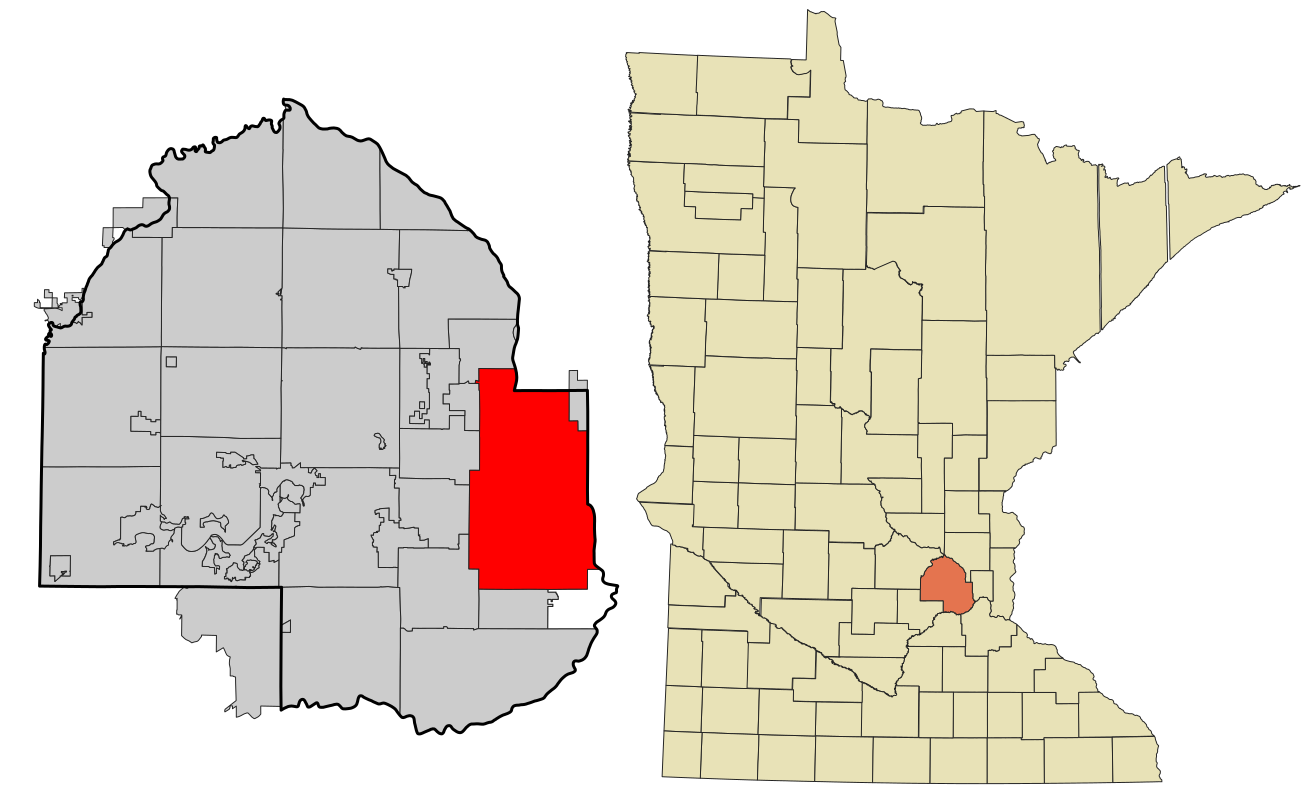
Geographical and Administrative Significance
As the county seat, Minneapolis is the central point for many of Hennepin County’s governmental and judicial operations. This means that many essential services, legal processes, and regional planning initiatives originate from or are heavily influenced by decisions made within the city. Beyond Minneapolis itself, Hennepin County encompasses a rich tapestry of other cities and towns, each with its unique character. Notable among these is Bloomington, home to the renowned Mall of America, a colossal retail and entertainment complex that draws millions of visitors annually. Other significant communities include Plymouth, Brooklyn Park, and Edina, all contributing to the county’s diverse economic and cultural landscape.
The county’s geographical features are also paramount to its identity. It is famously crisscrossed by the Mississippi River, which provides both a scenic backdrop and a vital ecological corridor. Furthermore, Hennepin County is home to numerous lakes, which are central to the recreational lifestyle of its residents and visitors alike. This blend of urban development and natural beauty makes Hennepin County a multifaceted destination, with Minneapolis serving as its vibrant epicenter.
Discovering Minneapolis and Hennepin County’s Rich Tapestry
Minneapolis is often dubbed the “City of Lakes,” a testament to its abundance of freshwater bodies that are seamlessly integrated into the urban fabric. This, combined with a flourishing arts scene, innovative architecture, and a strong sense of community, makes it a captivating destination for travelers seeking diverse experiences. From historic industrial landmarks along the Mississippi River to world-class museums and pristine parklands, Minneapolis within Hennepin County offers an endless array of attractions.
Iconic Landmarks and Cultural Hubs
The city’s skyline is punctuated by architectural marvels, but its true beauty often lies in its ability to blend the urban with the natural. The iconic Stone Arch Bridge, a former railroad bridge spanning the Mississippi River, offers breathtaking panoramic views of the city skyline and the historic St. Anthony Falls. It’s a prime spot for leisurely strolls, cycling, and photography, connecting the historic Mill District with the vibrant University of Minnesota campus. Nearby, the Mill City Museum, built within the ruins of the Washburn A Mill, tells the captivating story of Minneapolis’s flour milling past and its role in shaping the United States.
Culture enthusiasts will find themselves spoiled for choice. The Minneapolis Institute of Arts (MIA) houses an encyclopedic collection spanning 5,000 years of world history, with free admission making it accessible to all. For contemporary art, the Walker Art Center and its adjacent Minneapolis Sculpture Garden, famous for Claes Oldenburg’s “Spoonbridge and Cherry,” offer thought-provoking exhibits and iconic outdoor installations. Performing arts thrive at the renowned Guthrie Theater, an architectural masterpiece itself, known for its innovative productions and stunning views of the Mississippi River. The Weisman Art Museum, designed by Frank Gehry, on the University of Minnesota campus, adds another layer to the city’s impressive artistic offerings with its distinctive stainless steel facade.

Outdoor Adventures and Natural Beauty
The nickname “City of Lakes” is well-earned, with the famous Chain of Lakes being a jewel in Minneapolis’s crown. This interconnected series of lakes – Bde Maka Ska, Lake Harriet, Lake of the Isles, and Cedar Lake – provides miles of picturesque trails for walking, running, and biking, alongside opportunities for kayaking, paddleboarding, and sailing during warmer months. Each lake has its unique charm, from the serene beauty of Lake of the Isles to the vibrant community events held at Lake Harriet’s bandshell.
Beyond the lakes, Minnehaha Park is another natural highlight, home to the magnificent Minnehaha Falls, a stunning 53-foot waterfall. The park offers walking paths, picnic areas, and charming gardens, making it a perfect escape for families and nature lovers. The Mississippi National River and Recreation Area also runs through Hennepin County, providing protected wild spaces and educational opportunities within an urban setting. This extensive park system ensures that no matter where you are in Minneapolis, green spaces and natural beauty are never far away, offering a perfect balance to the city’s urban energy.
Planning Your Stay: Accommodation, Dining, and Lifestyle in Minneapolis
Visiting Minneapolis offers a comprehensive travel experience, catering to every preference, from luxury escapades to budget-conscious adventures. The city’s dynamic environment extends to its accommodation options, diverse culinary scene, and a lifestyle that blends outdoor activity with cultural sophistication. Hennepin County’s largest city is well-equipped to host travelers, ensuring comfort and convenience are paramount.
A Spectrum of Accommodation Options
Minneapolis boasts an impressive array of hotels, suites, and unique lodging experiences designed to suit various budgets and travel styles. For those seeking opulence, luxury hotels like the Hotel Ivy, a Luxury Collection Hotel, offer sophisticated suites, world-class amenities, and exquisite dining options, often housed in architecturally significant buildings in Downtown Minneapolis. The Kimpton Grand Hotel Minneapolis provides a blend of historic charm and modern luxury, known for its elegant design and prime location. For a more boutique experience with a distinctly local flavor, hotels in the revitalized North Loop district, such as The Hewing Hotel, offer stylish accommodations that reflect the area’s industrial-chic aesthetic.
Travelers looking for convenience and brand reliability will find numerous options from established chains. The JW Marriott Minneapolis Mall of America in nearby Bloomington offers direct access to shopping and entertainment, perfect for family trips or those with a focus on retail therapy. Business travelers might prefer modern and efficient hotels like the AC Hotel Minneapolis Downtown, offering sleek design and essential amenities. Beyond traditional hotels, Minneapolis also provides a growing market for vacation rentals, serviced apartments, and long-term stay options, particularly appealing for extended visits or larger groups. Neighborhoods like Uptown and the Lakes Area offer charming boutique stays and guesthouses, providing a more localized experience.
Culinary Delights and Local Experiences
The food scene in Minneapolis is as diverse and dynamic as its population. From high-end farm-to-table restaurants that champion local Minnesota ingredients to vibrant ethnic eateries reflecting the city’s multicultural fabric, there’s something to satisfy every palate. Foodies can embark on a quest to find the perfect “Juicy Lucy,” the iconic cheese-stuffed burger unique to Minneapolis, with several local establishments vying for the title of the original.
The craft beer scene is booming, with numerous breweries and taprooms scattered across the city, particularly in the Northeast Arts District and North Loop, offering tours and tastings. Coffee culture is also strong, with independent cafes providing cozy spaces for relaxation and remote work. Seasonal farmers’ markets, like the Mill City Farmers Market near the Stone Arch Bridge, offer a taste of local produce and artisanal goods, while food festivals celebrate everything from Scandinavian heritage to global street food throughout the year.
Embracing the Minneapolis Lifestyle
The lifestyle in Minneapolis is characterized by an appreciation for the outdoors, a strong sense of community, and a vibrant cultural calendar. Sports enthusiasts can catch a professional game, cheering on the Minnesota Vikings at US Bank Stadium, the Minnesota Twins at Target Field, or the Minnesota Timberwolves at Target Center. Shoppers have access to both local boutiques in neighborhoods like Uptown and the expansive offerings of the Mall of America just a short drive away.
A unique feature of Downtown Minneapolis is its extensive skyway system, an interconnected network of enclosed pedestrian bridges that links buildings across 8 miles. This allows residents and visitors to navigate the city center comfortably, especially during the colder winter months, accessing shops, restaurants, and entertainment venues without stepping outside. Whether it’s enjoying a summer concert by Lake Harriet, exploring the diverse exhibitions at local museums, or simply taking a leisurely bike ride along the city’s extensive trail system, Minneapolis offers a rich and engaging lifestyle experience that caters to all ages and interests.
In conclusion, Minneapolis’s location in Hennepin County is fundamental to its identity, providing both its administrative backbone and a wealth of natural and cultural resources. This combination creates a destination that is not only easy to navigate but also incredibly rewarding to explore, promising memorable travel experiences for all who visit.
LifeOutOfTheBox is a participant in the Amazon Services LLC Associates Program, an affiliate advertising program designed to provide a means for sites to earn advertising fees by advertising and linking to Amazon.com. Amazon, the Amazon logo, AmazonSupply, and the AmazonSupply logo are trademarks of Amazon.com, Inc. or its affiliates. As an Amazon Associate we earn affiliate commissions from qualifying purchases.