
The glittering allure of Las Vegas beckons millions of travelers each year, drawn by its unparalleled entertainment, vibrant nightlife, and luxurious accommodations. But when planning a trip to this iconic city, a fundamental question often arises: “What county is Las Vegas in?” The answer, while seemingly straightforward, opens the door to understanding the administrative framework and the broader geographical context of this world-famous destination.
Unpacking the Geography: Clark County’s Crown Jewel
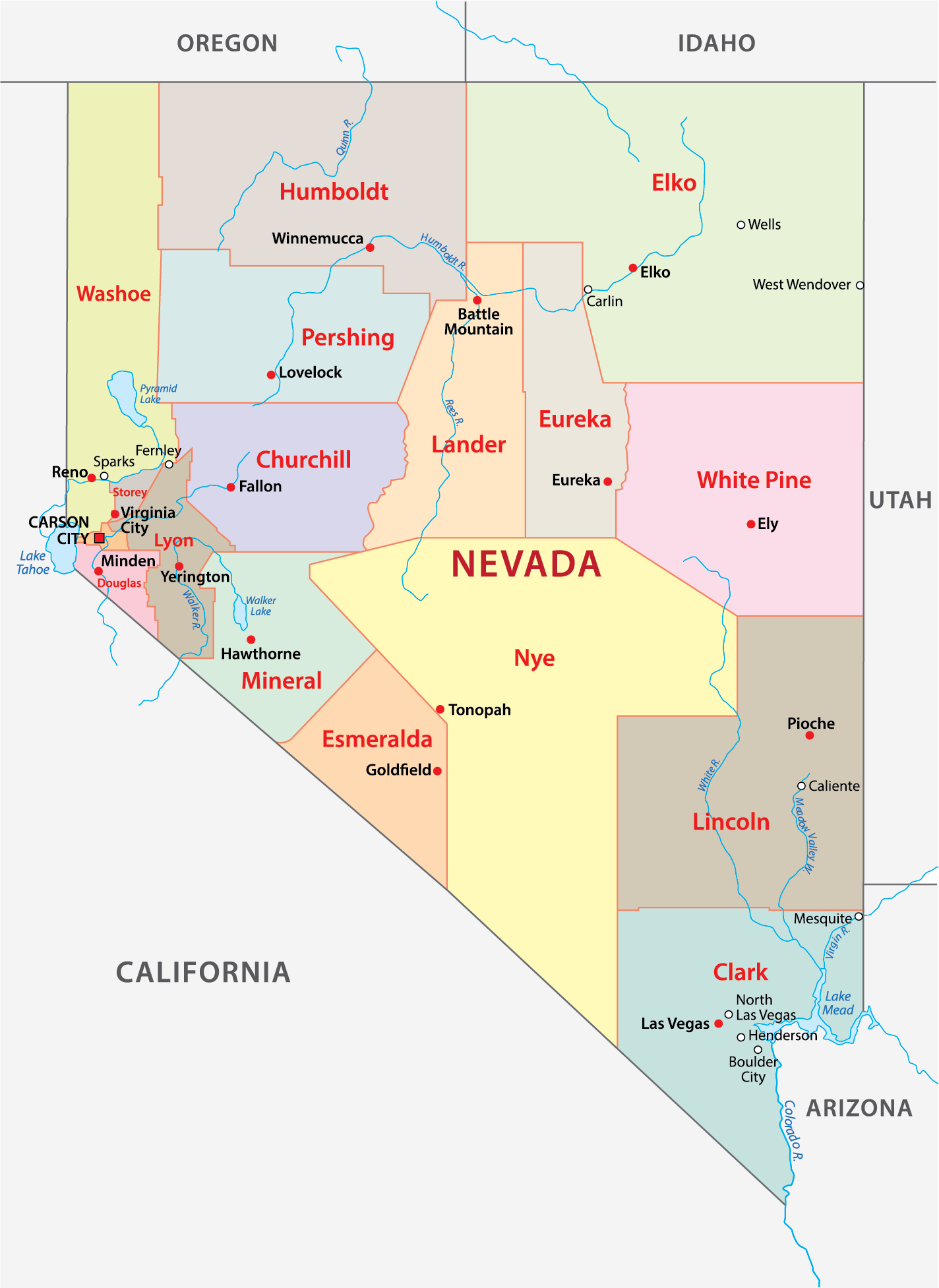
At its core, Las Vegas is the principal city and county seat of Clark County, Nevada. This vast expanse in the southeastern corner of the state is home to the majority of Nevada’s population and is synonymous with the desert landscape that defines much of the region. Understanding that Las Vegas resides within Clark County is crucial for everything from navigation and local governance to understanding zoning laws and event permits. It signifies that the city operates under the broader policies and services provided by the county, while also maintaining its own distinct municipal government.
The Significance of Clark County
Clark County is not just a passive administrative boundary; it actively shapes the experience of visiting Las Vegas. The county plays a vital role in infrastructure development, public safety, and regional planning, all of which directly impact the visitor experience. For instance, the management of the McCarran International Airport (now officially Harry Reid International Airport) falls under county purview, a critical gateway for millions of tourists. Furthermore, the county’s embrace of tourism has led to significant investments in transportation networks and public services designed to accommodate the influx of visitors.
The sheer scale of Clark County is impressive, encompassing diverse landscapes beyond the urban sprawl of Las Vegas. While the city is the undeniable heart, the county stretches to include natural wonders like Lake Mead National Recreation Area and the Valley of Fire State Park. This means that within a relatively short drive from the dazzling lights of the Strip, visitors can discover breathtaking natural beauty, offering a compelling contrast to the man-made marvels of the city. This duality is a defining characteristic of the Las Vegas experience – the ability to seamlessly transition from the excitement of the urban center to the tranquility of the desert wilderness.
The county government’s role extends to regulating the vast hospitality industry that defines Las Vegas. Decisions regarding gaming licenses, building permits for the colossal resorts, and zoning regulations all originate from the county level. This administrative structure ensures a degree of standardization and oversight across the region, contributing to the safety and reliability of the tourism infrastructure. For travelers, this translates to a consistent and well-managed experience, where expectations for services and amenities are generally met.
Navigating Las Vegas: Beyond the County Line
While Las Vegas is firmly situated within Clark County, the concept of “county” might feel distant to a tourist focused on experiencing the immediate attractions. The true essence of Las Vegas for most visitors lies within its vibrant and diverse neighborhoods, its iconic landmarks, and its world-class entertainment venues.
The Las Vegas Strip: The Epicenter of Excitement
The world-famous Las Vegas Strip is the undeniable heart of the city’s tourism industry. This approximately 4.2-mile stretch of Las Vegas Boulevard is home to some of the most extravagant resorts, casinos, and entertainment venues on the planet. Here, one can find architectural marvels and themed hotels that transport visitors to different worlds.
- Bellagio Hotel & Casino: Famous for its stunning Fountains of Bellagio and impressive art collections.
- The Venetian Resort Las Vegas: Recreating the charm of Venice, complete with gondola rides and intricate canals.
- Caesars Palace: An iconic establishment that evokes the grandeur of ancient Rome.
- MGM Grand Hotel & Casino: One of the largest hotels in the world, offering a plethora of entertainment options.
- Wynn Las Vegas and Encore at Wynn Las Vegas: Epitomes of luxury and sophisticated design.
- ARIA Resort & Casino: Known for its modern architecture and technologically advanced rooms.
- Cosmopolitan of Las Vegas: A chic and contemporary resort with a vibrant social scene.
- Mandalay Bay Resort and Casino: Featuring a tropical theme and a popular beach and wave pool.
These are just a few of the many legendary resorts that line the Strip, each offering a unique experience ranging from high-stakes gambling to world-class dining and spectacular shows. The sheer density of attractions here means that visitors can spend days exploring without ever needing to venture far from this concentrated hub of activity.
Downtown Las Vegas: A Historic Charm
Beyond the Strip, Downtown Las Vegas, also known as Fremont Street, offers a different, yet equally captivating, Las Vegas experience. This is where the city’s roots are most evident, with a more vintage and nostalgic atmosphere. The Fremont Street Experience is a major draw, a pedestrian mall featuring a massive LED canopy that puts on dazzling light shows nightly, accompanied by live music and street performers.
- Golden Nugget Hotel & Casino: A historic landmark in Downtown Las Vegas, known for its “Hand of Faith” gold nugget.
- The Mob Museum: Located in a historic courthouse, this museum offers an in-depth look at organized crime and law enforcement in America.
- Neon Museum: An outdoor collection of iconic Las Vegas signs, a testament to the city’s storied past.
Downtown Las Vegas provides a more accessible and often more budget-friendly alternative to the Strip, while still offering plenty of entertainment and dining options. It’s a place where history and modern revitalization converge, offering a glimpse into the evolution of Las Vegas.
Exploring Beyond the Urban Core: Natural Wonders and Local Life
The influence of Clark County becomes even more apparent when one ventures beyond the immediate urban areas of Las Vegas. The proximity to incredible natural landscapes is one of the city’s best-kept secrets for many visitors.
- Red Rock Canyon National Conservation Area: A stunning geological wonderland located just west of Las Vegas, offering breathtaking vistas, hiking trails, and opportunities for rock climbing. The scenic loop drive is a popular way to experience its dramatic red rock formations and desert flora.
- Mount Charleston: The highest peak in the Spring Mountains, offering a welcome escape from the desert heat with cooler temperatures, hiking, and even opportunities for skiing in the winter.
- Hoover Dam: A monumental feat of engineering located on the border between Nevada and Arizona, a crucial source of power and water for the region. Guided tours offer insights into its construction and historical significance.
- Lake Mead National Recreation Area: Formed by the Hoover Dam, this vast reservoir offers a wide range of water-based activities, including boating, swimming, and fishing, as well as hiking and camping opportunities in the surrounding desert.
These natural attractions not only provide a counterpoint to the urban excitement but also highlight the environmental factors and geographical features that define Clark County and, by extension, Las Vegas. They offer a chance to connect with the raw beauty of the desert Southwest and experience a different side of the Las Vegas experience.
Accommodation and Lifestyle: Tailoring Your Las Vegas Stay
The question of “What county Las Vegas?” also touches upon the practicalities of planning a trip, particularly concerning accommodation and the overall lifestyle experience. Clark County and the city of Las Vegas offer an immense range of options to suit every budget and travel style.
A Spectrum of Stays: From Luxury Resorts to Budget-Friendly Options
The Las Vegas hospitality scene is renowned for its diversity. Whether you’re seeking the ultimate in luxury or a comfortable and affordable base for your adventures, you’ll find it here.
- Luxury Resorts: Properties like The Cosmopolitan, Bellagio, Wynn, and Aria epitomize luxury, offering opulent suites, fine dining, world-class spas, and impeccable service. These are destinations in themselves, designed to provide an immersive and unforgettable experience.
- Mid-Range Hotels: Numerous options provide a comfortable and amenity-rich stay without the top-tier price tag. Many of these still offer pools, casinos, and diverse dining choices.
- Apartments and Villas: For longer stays or those seeking a more independent experience, apartment rentals and villas are available, particularly in residential areas surrounding the main tourist hubs. These can offer kitchens and more space, ideal for families or groups.
- Budget-Friendly Stays: Beyond the Strip, especially in areas like Downtown Las Vegas or on the outskirts of the city, more economical hotel options can be found, providing clean and convenient accommodation for budget-conscious travelers.
The choice of accommodation often dictates the kind of Las Vegas lifestyle one experiences. Staying on the Strip immerses you in the heart of the action, while opting for a place further afield might offer a more local feel and potentially better value.
Experiencing the Las Vegas Lifestyle
The Las Vegas lifestyle is often associated with excitement, indulgence, and a constant pursuit of entertainment. However, it caters to a broad spectrum of interests.
- Luxury Travel: For those who seek the finer things, Las Vegas delivers with Michelin-starred restaurants, high-end shopping at destinations like The Forum Shops at Caesars and Crystals, exclusive nightclubs, and VIP experiences.
- Budget Travel: It’s entirely possible to experience the magic of Las Vegas without breaking the bank. Many casinos offer competitive hotel rates, free entertainment like the Bellagio Fountains, and affordable dining options. Exploring Downtown Las Vegas can also be a more budget-friendly endeavor.
- Family Trips: Las Vegas has evolved significantly to become a family-friendly destination. Attractions like the MGM Grand’s Hollywood Theatre, the High Roller Observation Wheel, Shark Reef Aquarium at Mandalay Bay, and various family-oriented shows cater to all ages. Many resorts also feature impressive pool complexes.
- Business Stays: Las Vegas is a major hub for conventions and business travel, boasting some of the largest convention centers in the world, such as the Las Vegas Convention Center. Hotels are well-equipped to handle corporate needs, offering business services, meeting rooms, and convenient access to convention facilities.
Ultimately, the answer to “What county Las Vegas?” is a gateway to understanding the broader context of this dynamic destination. It is the vibrant heart of Clark County, a region that balances the exhilarating energy of its world-famous city with the breathtaking beauty of the surrounding desert. Whether you’re drawn by the allure of the casinos, the promise of unforgettable shows, the call of the natural landscape, or the pursuit of a unique lifestyle, Las Vegas in Clark County offers an experience that is as diverse as it is dazzling.