
As the vibrant sunsets dip below the horizon, casting a final golden glow over Florida’s unique landscapes, a different kind of magic begins. The Sunshine State, famed for its dazzling beaches, thrilling theme parks, and lush natural beauty, transforms into an amphitheater for an extraordinary nocturnal symphony. For travelers seeking authentic experiences, whether luxuriating in a high-end resort or camping under a blanket of stars, understanding the nighttime chorus can profoundly enrich a Florida adventure. This guide delves into the fascinating world of creatures that serenade the night, offering insights for every type of visitor, from the casual tourist in Miami to the intrepid explorer in the Everglades.
Florida’s diverse ecosystems – from sprawling wetlands and dense forests to coastal mangroves and suburban backyards – are bustling with life, much of which becomes most active once darkness falls. Far from being a mere backdrop, these sounds are an integral part of the local culture and natural heritage, inviting visitors to listen closer and connect with the wild heart of the state. Whether you’re planning a family trip, a romantic getaway, or a solo eco-tourism journey, identifying these nocturnal noisemakers can turn a simple evening stroll or a quiet moment on your hotel balcony into an unforgettable experience.
The Symphony of the Sunshine State’s Night
The sounds of a Florida night are a complex, multi-layered composition, featuring a remarkable cast of vocalists. Each creature contributes its distinct call, creating an auditory tapestry that is both wild and wonderfully rhythmic. Understanding these individual contributions can enhance any nighttime exploration, whether you’re embarking on a guided nature walk or simply enjoying the ambiance from your accommodation.
Amphibious Serenaders: Frogs and Toads
Perhaps the most iconic sounds of a Florida night, especially after a rain shower or near any body of water, come from its abundant frog and toad populations. These small amphibians produce an astonishing variety of calls, ranging from chirps and trills to guttural croaks and bleats, each species with its unique vocal signature.
The Cuban Tree Frog, an invasive species, is particularly common and known for its loud, raspy “quack-quack” sound, often heard from trees and shrubs. While its presence is a concern for native species, its calls are an undeniable part of the current nocturnal soundscape, especially in urban and suburban areas like Orlando and Tampa. In contrast, the native Green Tree Frog offers a more polite, bird-like “quank-quank” that resonates from trees and bushes, often near permanent water sources. Their beautiful emerald green skin makes them a delight to spot if you’re quietly observing.
Deeping the soundscape are species like the Pig Frog, whose deep, grunting “pig-like” call is a staple of larger wetlands and ponds, particularly in central and south Florida. Its sound is easily confused with a distant pig, adding a touch of rustic charm to the wilder parts of the state. The Southern Leopard Frog contributes a short, guttural “chuck-chuck-chuck” followed by a snore-like sound, often heard from the edges of marshes and wet meadows. These calls are particularly prominent during their breeding season, usually spring and summer, making these months prime time for amphibian acoustics.
For eco-tourists and nature enthusiasts, a nighttime frog-listening excursion is a quintessential Florida experience. Many state parks and nature preserves, such as those found around Gainesville or near Lake Okeechobee, offer guided night walks where you can learn to identify different frog calls. Staying at an eco-lodge or a resort nestled close to natural wetlands can offer an immersive sound experience right from your balcony or patio, seamlessly blending the comforts of a luxury stay with the raw beauty of Florida’s wild nocturnal life.
Insect Orchestrators: Crickets, Cicadas, and Katydids
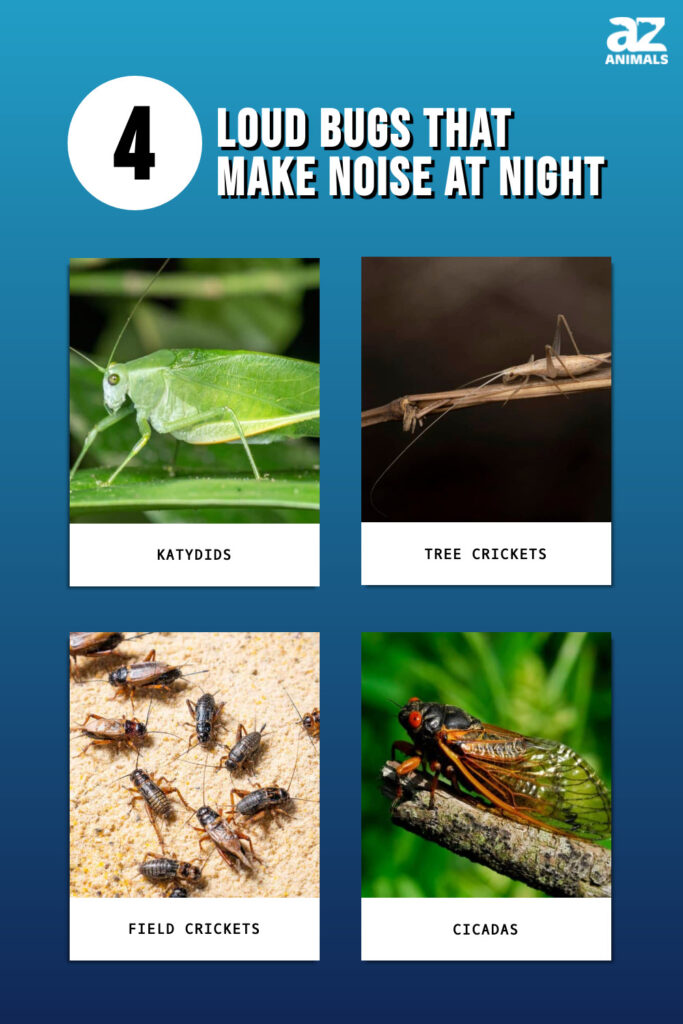
Beyond the amphibians, insects form the steady, rhythmic pulse of Florida’s nighttime chorus. They are the background hum, the constant presence that defines warm summer evenings across the state.
Crickets are perhaps the most universally recognized nocturnal insects, with their characteristic chirping sound. Male crickets produce this sound by rubbing their wings together, a process called stridulation, primarily to attract mates. Their steady, rhythmic chirps can range from a soft, almost meditative buzz to a loud, incessant rhythm, depending on the species and temperature. In Florida, various species of field crickets and house crickets contribute to this widespread sound.
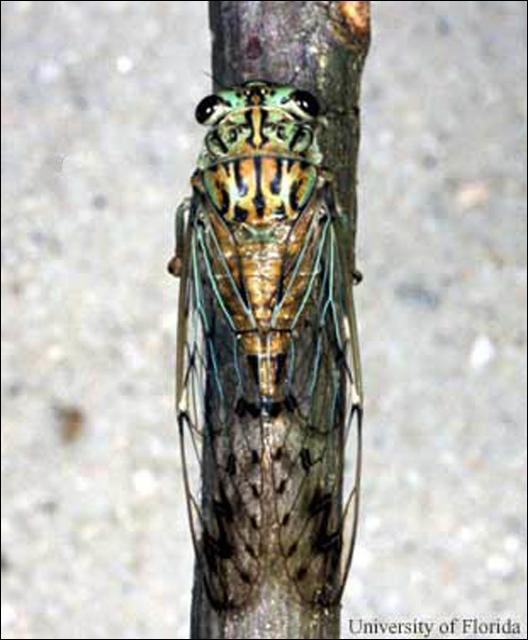
While many cicadas are known for their loud daytime buzzing, some species are active at night, particularly during the warmer months. Their high-pitched, whirring calls can add another layer of intensity to the nocturnal soundscape, creating a sense of natural vibrancy. However, the most distinctive insect sound of the Florida night, besides crickets, often comes from katydids. Named for the “ka-ty-did, ka-ty-didn’t” sound their calls famously mimic, these grasshopper-like insects are masters of camouflage and produce their distinct chirps by rubbing their forewings together. Their calls are often louder and more erratic than crickets, adding a percussive element to the natural orchestra, especially in densely vegetated areas like the suburbs surrounding Orlando and St. Petersburg.
For travelers, these insect sounds are an inescapable and often cherished part of the Florida experience. They contribute to the tropical ambiance, creating a soothing white noise that can be incredibly relaxing, whether you’re unwinding by the pool at a luxury resort or enjoying a quiet evening in a charming rental villa. While some light sleepers might find them intrusive, many embrace these natural sounds as an authentic soundtrack to their Florida escape.
Avian Night Owls: Nocturnal Birds
While most birds are diurnal, Florida is home to several species that come alive after dark, adding their unique vocalizations to the night. These avian contributions are often the most haunting and evocative sounds of the wild.
The hooting of owls is perhaps the most iconic nocturnal bird sound. Florida hosts several species, each with a distinctive call. The Great Horned Owl, a large and powerful predator, produces a deep, resonant series of hoots – “hoo-hoo-hoo-hoo-hoo.” Its call is often associated with the deeper woods and wilder areas, but these adaptable birds can also be heard in suburban parks. More distinctive to Florida’s wetlands and forested areas, especially around Big Cypress National Preserve, is the Barred Owl, known for its charismatic call that sounds like “Who cooks for you? Who cooks for you all?” It’s an unmistakable and friendly sound that truly transports you into the heart of the wild.
Another group of nocturnal birds, collectively known as nightjars, are also prominent noisemakers. The Chuck-will’s-widow lives up to its name, repeating its four-syllable call tirelessly throughout the night, particularly in pine forests and open woodlands. Its call is loud and clear, carrying great distances. Similarly, the Common Nighthawk, though more often seen at dusk or dawn performing aerial acrobatics, also contributes a distinctive “peent” call as it hunts insects on the wing, especially over urban and suburban areas.
For birdwatchers and nature photographers, a nocturnal birding excursion is a rewarding activity. Many Florida destinations, including numerous state parks and wildlife refuges, offer prime habitats for these elusive birds. Staying at accommodations that border natural preserves provides an excellent opportunity to listen for these calls from the comfort of your room, making it an ideal choice for travelers seeking a deep connection with Florida’s wild side without sacrificing modern amenities.
Mysterious Murmurs: Reptiles and Mammals
While amphibians and insects dominate the auditory landscape, larger creatures also make their presence known under the cloak of darkness, adding a layer of mystery and excitement to Florida’s nocturnal symphony. These sounds often signify the presence of bigger, wilder inhabitants, reminding visitors of the untamed nature that lies just beyond the developed areas.
The Alligator’s Roar: Unmistakable Sounds of the Wild
No discussion of Florida’s nighttime sounds would be complete without mentioning the iconic alligator. These ancient reptiles are primarily nocturnal hunters, and while they are generally silent, their presence is profoundly felt, especially during mating season (typically spring into early summer). Male alligators produce a deep, resonant bellow that can be heard for miles, a primal sound that vibrates through the air and water, truly signaling the wild heart of the Everglades and other wetland areas. This bellow is a territorial display and a call to females.
Beyond the bellow, travelers might also hear the less common but equally striking “head slap” as an alligator thrashes its head against the water’s surface, another territorial or courtship display. Younger alligators might produce a soft growl or hiss if threatened. Experiencing these sounds is an absolute highlight for wildlife enthusiasts and those seeking an authentic taste of Florida’s untamed wilderness. Guided airboat tours in the Everglades National Park or other similar natural attractions often highlight the sounds and sights of alligators, providing a thrilling and educational experience. While these sounds can be startling, they are a testament to the robust health of Florida’s unique ecosystems and a memorable part of any true adventure travel itinerary.
Mammalian Movers: Armadillos, Raccoons, and More
Though generally quieter than their amphibian and avian counterparts, Florida’s nocturnal mammals contribute subtle yet distinct sounds to the night. These are often the rustles, scampers, and occasional chitters that hint at hidden activity.
Armadillos, with their distinctive armored shells, are nocturnal foragers. Their presence is often indicated by rustling sounds in leaf litter as they dig for insects and grubs. You might also hear their claws scraping against the ground as they root around. While they rarely vocalize loudly, their constant, industrious digging can be a noticeable sound in quieter, wooded areas, even near suburban neighborhoods.
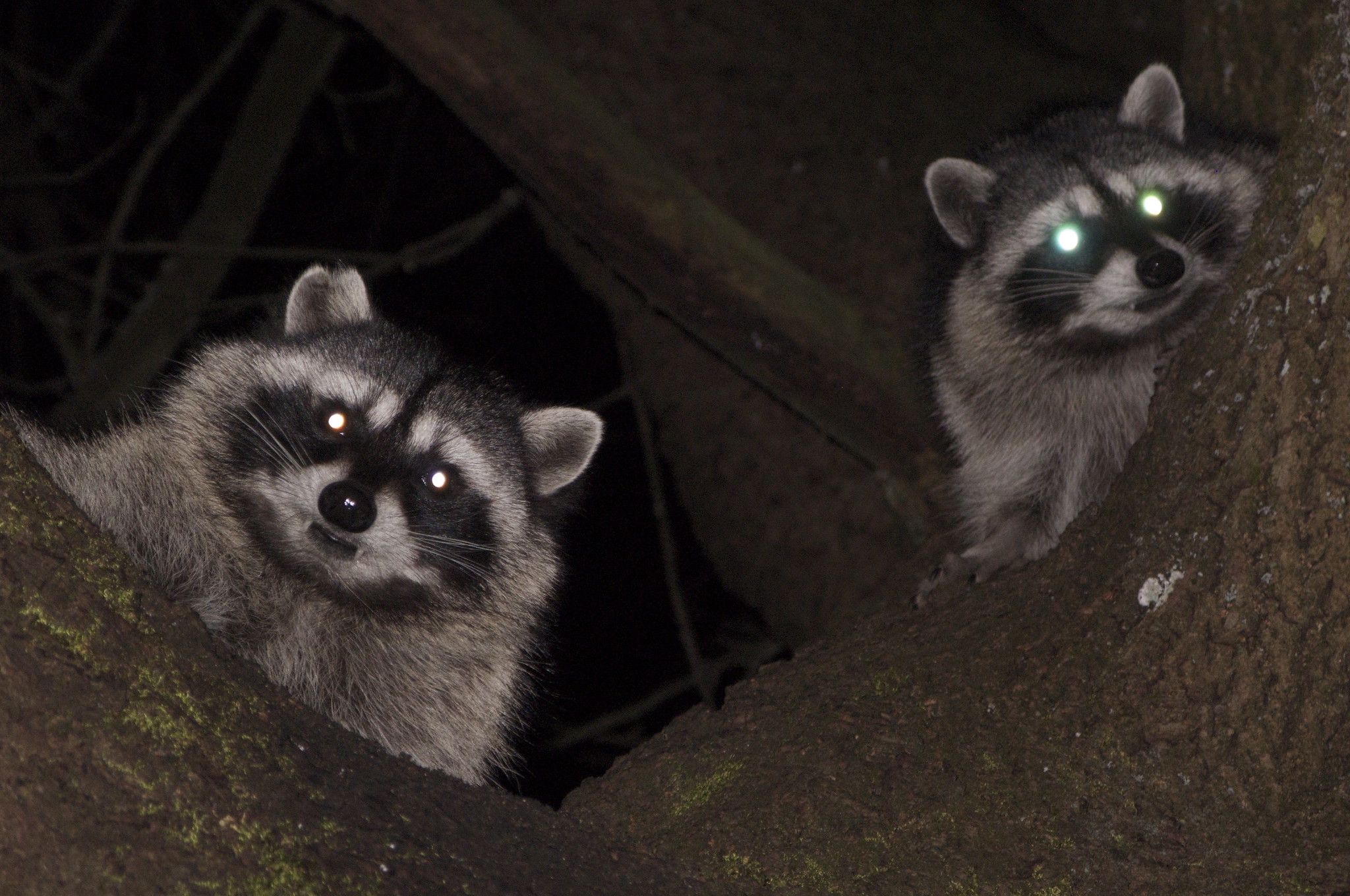
Raccoons are highly adaptable nocturnal creatures found throughout Florida, from dense forests to urban environments. They are known for a wide range of vocalizations, including chitters, growls, hisses, and snarls, especially when communicating with each other or defending territory. Travelers camping or staying in properties adjacent to natural areas might hear the tell-tale sounds of raccoons rummaging through trash cans or exploring patios in search of food. Their inquisitive nature means they are often heard before they are seen.
Other common nocturnal mammals like opossums contribute mostly to the rustling and scuffling sounds, though they can hiss if threatened. Less common, but still present in wilder regions, are sounds from creatures like bobcats or foxes, whose occasional calls or cries add an even wilder edge to the soundscape.
For those enjoying camping or glamping experiences in Florida state parks, these mammalian sounds are an intrinsic part of the adventure. Even guests in resorts bordering nature preserves might catch glimpses or hear the activities of these fascinating creatures, offering a blend of natural exploration with comfortable accommodation. Understanding these subtle sounds can transform a simple night into an engaging wildlife detective game, enriching your appreciation for Florida’s vibrant lifestyle and diverse animal inhabitants.
Experiencing Florida’s Nocturnal Chorus as a Traveler
Engaging with Florida’s nighttime soundscape is more than just listening; it’s an immersive experience that deepens your connection to the destination. Whether you’re on a luxury getaway, a budget-friendly family trip, or an adventurous eco-tour, there are countless ways to appreciate and interact with this unique aspect of the Sunshine State.
Best Destinations for Nighttime Wildlife Encounters
To truly immerse yourself in Florida’s nocturnal symphony, certain destinations stand out. The Everglades National Park and Big Cypress National Preserve are unparalleled for experiencing the sounds of alligators, a vast array of frogs, and diverse nocturnal birds like the Barred Owl. Here, guided night walks and stargazing tours often combine auditory experiences with visual ones, creating an unforgettable attraction.
Florida’s numerous state parks, such as those near Kissimmee or along the Gulf Coast, also offer incredible opportunities. Many have campgrounds and cabins nestled deep within natural habitats, putting you right in the heart of the action. Even coastal areas like Key West, with their unique blend of nature and lively culture, can offer a surprisingly rich auditory experience, especially in quieter residential areas or nature preserves. For those seeking cultural tourism, understanding these sounds provides context for local folklore and the long-standing relationship between Floridians and their natural environment.
Accommodation Choices and the Nighttime Soundscape
Your choice of accommodation can significantly impact your nighttime auditory experience. For adventurers and budget travelers, camping or staying in eco-lodges offers the most immersive sounds. Imagine falling asleep to the serenade of frogs and insects, occasionally punctuated by an owl’s hoot or a distant alligator’s bellow. Many state parks provide excellent camping facilities, from primitive sites to those with full hookups, offering various levels of rustic immersion.
For those preferring more comfort, many resorts and hotels are strategically located near natural areas. Properties in places like Naples or Sarasota, which boast luxurious suites and amenities, can still offer balconies or patios that overlook preserves, allowing guests to enjoy the nocturnal sounds from a plush setting. Some resorts even integrate nature-themed experiences into their offerings, such as guided twilight walks. If you’re a light sleeper, it’s wise to consider rooms away from dense vegetation or request upper floors, or simply come prepared with earplugs or a white noise machine to balance the natural chorus with peaceful rest. Always check reviews or inquire with the hotel about typical nighttime noise levels if this is a concern for your stay.
Enhancing Your Florida Night Experience
To truly make the most of Florida’s nocturnal soundscape, consider incorporating specific activities into your itinerary:
- Night Walks and Guided Tours: Many parks and environmental centers offer guided night walks. These are invaluable for learning to identify different calls and understanding the ecology behind them. Experts can point out creatures you might otherwise miss.
- Stargazing: Combine the auditory experience with a visual one. Away from city lights, Florida’s dark sky parks offer spectacular stargazing opportunities, often accompanied by the soothing sounds of the night.
- Photography: For those interested in wildlife photography, night provides unique challenges and rewards. While capturing sounds directly is difficult, capturing the serene moonlit landscapes where these sounds originate can be incredibly rewarding.
- Safety and Respect: When venturing out at night, always prioritize safety. Use flashlights (red light filters can preserve night vision and disturb wildlife less), stay on marked trails, and never approach wildlife. Be mindful of mosquitoes and other insects – repellent is a must! Respecting the natural environment ensures these experiences remain available for future generations of travelers.
From the raucous chorus of thousands of frogs in a wetland to the solitary hoot of an owl from a distant tree, the creatures that make noise at night in Florida offer a unique and unforgettable auditory adventure. They are a testament to the state’s vibrant biodiversity and an invitation for every traveler to slow down, listen closely, and connect with the wild heart of the Sunshine State. So, on your next visit, open your ears to the magic that unfolds after dark; it’s an essential part of the Florida experience, waiting to be discovered.
LifeOutOfTheBox is a participant in the Amazon Services LLC Associates Program, an affiliate advertising program designed to provide a means for sites to earn advertising fees by advertising and linking to Amazon.com. Amazon, the Amazon logo, AmazonSupply, and the AmazonSupply logo are trademarks of Amazon.com, Inc. or its affiliates. As an Amazon Associate we earn affiliate commissions from qualifying purchases.