
Jury duty represents one of the most fundamental civic responsibilities in the United States, a cornerstone of its justice system designed to ensure that every individual is judged by a jury of their peers. In the vibrant state of California, this duty is taken seriously, balancing the need for broad community representation with specific criteria to ensure impartiality and competence. For residents and those considering a longer-term stay in the Golden State, understanding the parameters of jury service, and particularly what might disqualify someone, is crucial. While the summons might arrive as an unexpected interruption to travel plans, daily life, or even a serene long-term stay in a luxury apartment in Beverly Hills or a cozy villa in Napa Valley, knowing the rules can alleviate uncertainty.
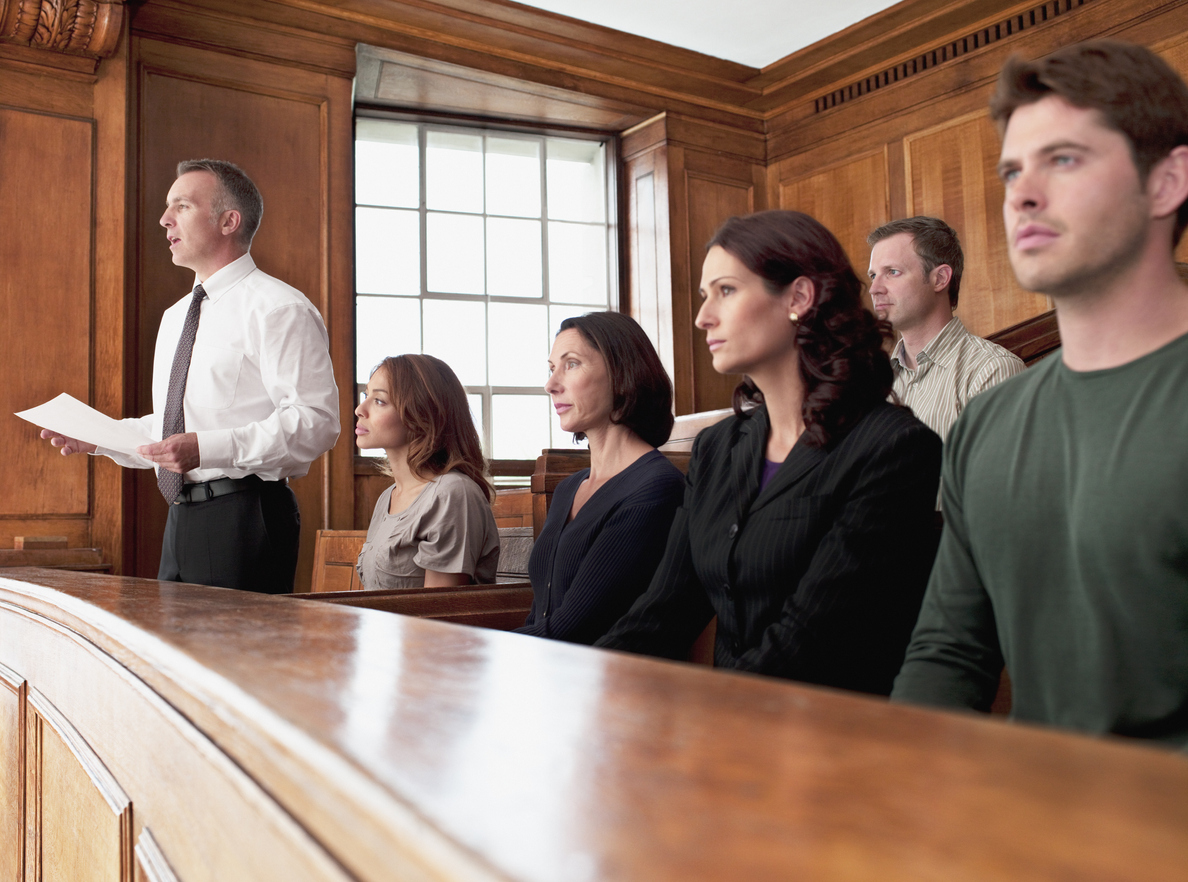
This article delves into the specific disqualifications for jury duty in California, differentiating them from mere excuses or postponements. It’s not just about who can’t serve, but why these criteria are in place, ensuring that justice is administered fairly and effectively in the diverse communities from San Diego to Redding.
Core Foundations: Citizenship, Age, and Residency in the Golden State
The initial gateway to jury service in California begins with a set of foundational criteria concerning a person’s legal status, age, and connection to the local community. These are not arbitrary rules but are deeply rooted in the principles of sovereignty, maturity, and local jurisdiction, aiming to populate juries with individuals who are legally bound to and knowledgeable about the society whose laws they are tasked with upholding. Whether you’re a long-time resident or contemplating a move to a California city like Sacramento or Fresno, these are the first hurdles to consider.
The Citizenship Imperative: A National Standard
One of the most absolute disqualifications for jury duty in California, as across the entire United States, is a lack of U.S. citizenship. To serve on a jury, an individual must be a citizen of the United States. This requirement underscores the fundamental principle that the administration of justice is a sovereign function, a right and responsibility exclusive to those who hold full membership in the nation. It reflects the understanding that jurors, in rendering verdicts, are exercising a power derived from the people themselves, a power that is intrinsically linked to the social contract of citizenship.
For those who frequently engage in international travel or are visiting California as tourists – perhaps marveling at the Golden Gate Bridge in San Francisco or exploring Disneyland in Anaheim – this rule is particularly relevant. While California welcomes visitors from all corners of the globe, offering diverse cultural experiences and culinary delights, non-citizens, regardless of their visa status (even permanent residency or green card holders), are ineligible to serve. This is not a slight against their residency or contribution to society but a matter of legal jurisdiction and the specific rights and duties associated with full citizenship.
Reaching Adulthood: The Age Requirement
The second fundamental disqualification relates to age. To be eligible for jury duty in California, an individual must be at least 18 years of age. This mirrors the age of majority, at which point an individual is legally recognized as an adult, capable of entering contracts, voting, and taking on other civic responsibilities. The rationale behind this age limit is predicated on the assumption that individuals under 18 may lack the life experience, maturity, and judgment necessary to comprehend complex legal arguments, evaluate evidence impartially, and participate in the serious deliberations required of a juror.
While teenagers can be highly intelligent and socially aware, the legal system posits that the gravity of jury service demands a level of adult reasoning and perspective. Therefore, if a summons mistakenly reaches someone under 18, they are automatically disqualified. There is no upper age limit for jury service in California, reflecting the value placed on the wisdom and varied experiences that older adults bring to the jury box, provided they meet all other eligibility criteria. Many retirees, enjoying a leisurely pace of life or exploring California’s beautiful national parks like Yosemite National Park or Death Valley, often find themselves still perfectly eligible and valuable contributors to the judicial process.
Establishing Roots: Residency within California’s Judicial Districts
Beyond national citizenship, a juror must also be a resident of California and, more specifically, a resident of the judicial district in which they are summoned to serve. This requirement ensures that jurors have a connection to the community where the legal dispute or criminal act occurred. The underlying principle is that a jury of peers should reflect the community from which the litigants or defendants come, and whose local laws and societal norms are often at the heart of the case.
For individuals who frequently travel, perhaps for business stays or extended vacations, the concept of “residency” becomes critical. Someone staying temporarily in a hotel suite in Downtown Los Angeles or a resort in Palm Springs for a few weeks or months, even if they own property, might not be considered a legal resident for jury duty purposes if their primary domicile is elsewhere. Establishing residency involves demonstrating an intent to make California one’s permanent home, often evidenced by voter registration, driver’s license, tax filings, and other legal documents.
This criterion highlights the distinction between being a tourist or temporary visitor and a bona fide resident. Travelers embarking on a cross-country adventure or enjoying the beaches of Santa Monica are inherently disqualified due to their non-resident status in the judicial district. For those considering relocation or a long-term accommodation in Orange County or the Bay Area, understanding when one officially establishes legal residency is paramount for many civic duties, including jury service.
Language, Competency, and the Pursuit of Justice
Beyond the demographic and residential requirements, California’s jury selection process also considers an individual’s capacity to understand and actively participate in legal proceedings. The courtroom environment demands clarity, comprehension, and the ability to engage with complex information, ensuring that every juror can contribute meaningfully to the deliberation process. These considerations underscore the judiciary’s commitment to fair trials and the effective administration of justice.
The Language of the Courtroom: English Proficiency
A critical disqualification in California is the inability to understand the English language sufficiently to serve as a juror. Court proceedings in California are conducted in English. Therefore, jurors must be able to comprehend spoken English, read English documents (such as jury instructions and exhibits), and articulate their thoughts and questions in English during deliberations. This requirement is not intended to be discriminatory but is a practical necessity for the proper functioning of the legal system. Without adequate English proficiency, a juror would struggle to follow testimony, understand legal definitions, or participate effectively in discussions with fellow jurors, potentially leading to misinterpretations and an unfair verdict.
California is a wonderfully diverse state, a melting pot of cultures and languages, attracting visitors and new residents from across the globe. From the vibrant Chinatown in San Francisco to the diverse neighborhoods of Los Angeles, multilingualism is a celebrated aspect of the California lifestyle. However, for the specific and rigorous demands of jury duty, proficiency in English is non-negotiable. If you receive a summons and cannot read, speak, or understand English well enough to perform the duties of a juror, you are disqualified. This ensures that all jurors are on an equal footing regarding their understanding of the case presented before them.
Mental Acuity: Ensuring Sound Judgment
Another significant disqualification pertains to an individual’s mental competency. A person is disqualified from jury service in California if they are currently suffering from a mental or physical disability that renders them incapable of fulfilling the duties of a juror. This typically refers to individuals who have been legally declared incompetent or who have a severe, persistent mental health condition that would significantly impair their ability to understand the proceedings, evaluate evidence, or participate in deliberations.
The purpose of this disqualification is to protect both the individual and the integrity of the judicial process. Serving on a jury requires focused attention, critical thinking, memory retention, and the ability to engage in complex decision-making. If an individual’s mental faculties are substantially impaired, their ability to perform these duties fairly and impartially would be compromised. It’s important to distinguish this from temporary stress or common mental health challenges; this disqualification generally applies to more profound, legally recognized incapacities. For residents exploring mental wellness retreats or seeking various lifestyle enhancements in California, this distinction is key – temporary conditions or those managed effectively typically would not lead to disqualification, though they might be grounds for an excusal.
Legal Standing: When Past Actions Bar Future Service
The integrity of the justice system relies heavily on the perceived and actual impartiality of its jurors. Consequently, individuals with certain criminal histories or past misconduct in public office are deemed disqualified from serving. These rules reflect a societal judgment about who can impartially uphold the law, especially when their own past actions may have demonstrated a disregard for it.
The Weight of a Felony: Disqualification by Criminal History
One of the most widely recognized disqualifications across the United States, and certainly in California, concerns an individual’s criminal record. Specifically, a person is disqualified from jury service if they are currently incarcerated in any prison or jail, currently on parole or probation for a felony conviction, or have been convicted of a felony and are a registered sex offender.
The reasoning behind this disqualification is multi-faceted. Individuals currently serving a sentence or under supervised release for a felony are generally considered to have compromised civil rights during that period. Furthermore, there’s a concern that such individuals might carry biases or a perspective toward the legal system that could impair their ability to be an impartial juror. The system seeks jurors who are perceived as law-abiding and capable of objectively applying the law to the facts presented in court.
It’s important to note that California’s approach to restoring civil rights to ex-felons is progressive compared to some other states. Once a person has completed their felony sentence, including any parole or probation, their right to serve on a jury is typically restored, provided they meet all other eligibility criteria. This contrasts with jurisdictions where a felony conviction can result in a permanent disqualification from jury service. So, for someone who committed a felony many years ago and has since fully paid their debt to society, perhaps now enjoying a peaceful rural retreat or pursuing a new career in a California community, they may well be eligible to serve, underscoring the state’s belief in rehabilitation.
Public Malfeasance: A Permanent Bar
A less common but equally absolute disqualification applies to individuals who have been convicted of malfeasance in office or any other infamous crime. While the felony disqualification can be temporary (once sentence/parole/probation is completed), a conviction for malfeasance in office typically results in a permanent disqualification from jury service in California.
Malfeasance in office refers to the willful and intentional wrongdoing or misconduct by a public official in the performance of their official duties. Such crimes involve a profound breach of public trust and an abuse of power. The permanent nature of this disqualification reflects the severity of such an offense and the state’s determination that individuals who have demonstrably betrayed the public trust are permanently unfit to participate in the critical function of administering justice on behalf of the public. This serves as a strong deterrent against corruption and maintains the moral authority of those serving in the judicial process.
Beyond Disqualifications: Understanding Excuses and Postponements
While the discussion above focuses on what disqualifies an individual, it’s equally important to understand the distinction between a disqualification and an excuse or postponement. Many common reasons why people seek to avoid jury duty fall under the latter categories, which do not imply an inherent legal incapacity to serve but rather present temporary conflicts or hardships.
Distinguishing Disqualification from Excusal
A disqualification means you are legally ineligible to serve, and no further discretion is typically applied once the disqualifying condition is established. For instance, if you are not a U.S. citizen, the court cannot choose to allow you to serve; it’s a hard and fast rule.
An excusal or postponement, on the other hand, means you are legally eligible to serve but have a valid reason to be relieved from service at that particular time, or to have your service deferred to a later date. Common grounds for excusal or postponement in California include:
- Medical Hardship: A medical condition that would make it extremely difficult or impossible to serve (e.g., severe illness, recent surgery, mobility issues). This often requires a doctor’s note.
- Caregiving Responsibilities: Being solely responsible for the care of a child, elderly person, or a person with a disability, where serving on a jury would make it impossible to provide that care.
- Financial Hardship: Proving that jury service would result in undue financial burden, particularly for self-employed individuals or those whose employers do not pay for jury duty.
- Prior Service: Having served as a juror in California within the past 12 months.
- Active Military Duty: Members of the armed forces on active duty.
- Student Status: While not an automatic excuse, full-time students can often request a postponement to align with academic breaks.
These are not disqualifications because the individual could serve under different circumstances or at a different time. The court retains discretion to grant or deny excuses and postponements, weighing the individual’s circumstances against the need for a representative jury pool. Many individuals planning family trips or significant business stays might seek postponement rather than an outright excusal, highlighting the flexibility within the system.

The Broader Context: Fairness and Representative Juries
The rules governing jury eligibility in California, both disqualifications and the grounds for excusal, are designed to achieve a delicate balance. On one hand, they ensure that only those capable of understanding and impartially applying the law serve. On the other, they strive to create jury pools that are broadly representative of the community, drawing from diverse backgrounds, experiences, and perspectives. This commitment to a fair and representative jury is a cornerstone of the justice system, upholding the rights of both the accused and the community.
For anyone residing in or planning a long-term stay in California, understanding these guidelines is an essential part of civic engagement. Whether you’re exploring iconic landmarks or settling into a new neighborhood, being aware of your responsibilities and eligibility for jury duty contributes to a well-informed and engaged citizenry. It ensures that when the call to serve arrives, individuals can respond appropriately, contributing to the fair and efficient operation of justice in the Golden State.