
From the sun-drenched beaches of Southern California to the tech hubs of Northern California, the Golden State is a tapestry of diverse landscapes, cultures, and — perhaps surprisingly — speech patterns. For travelers planning their next unforgettable journey, or those simply curious about the unique rhythm of Californian life, understanding how people here communicate can unlock a deeper appreciation for the local culture. Is there truly a single “Cali accent”? Or is it a rich, varied linguistic landscape reflecting the state’s vibrant history, innovative spirit, and incredible diversity? Let’s dive into the fascinating world of Californian English, exploring its myths, realities, and how it shapes the unique experiences awaiting visitors.
The Myth and the Reality: Unpacking the “Cali Accent”
The idea of a singular “Cali accent” is deeply ingrained in popular culture, often conjuring images of laid-back surfers or upbeat valley girls. While these stereotypes certainly have roots in specific eras and locales, they barely scratch the surface of the nuanced and ever-evolving ways people speak across the Golden State.
Debunking the Valley Girl and Surfer Dude Stereotypes
For many, the quintessential Californian voice is defined by the “valley girl” speak of the 1980s, characterized by a rising intonation at the end of sentences (uptalk), vocal fry, and a lexicon filled with “like,” “totally,” and “for sure.” This stereotype emerged from affluent suburban areas, particularly the San Fernando Valley in Los Angeles, and was amplified by film and television. Similarly, the “surfer dude” persona, with its drawl, exaggerated vowels, and expressions like “gnarly,” “stoked,” and “dude,” became synonymous with coastal communities from Malibu to Santa Cruz.
While these speech patterns were — and to some extent still are — present, they are far from universal. They represent specific socio-economic and cultural groups from particular periods, often exaggerated for comedic effect. Today, while you might hear echoes of “uptalk” or the occasional “gnarly” near the beach, these are more stylistic choices or cultural references rather than dominant features of how most Californians speak. Visiting a boutique hotel in Beverly Hills or exploring the historic missions in San Juan Capistrano will quickly reveal a broader range of communication styles.

A Regional Tapestry of Tongues: North vs. South
The reality is that California boasts a complex linguistic landscape, with subtle but discernible differences between its northern and southern halves. While no hard line exists, dialectologists often point to distinct features.
In Southern California, particularly around the sprawling metropolis of Los Angeles, the accent is often perceived as quite neutral, lacking the strong regional markers found in other parts of the U.S. However, a phenomenon known as the “California Vowel Shift” is sometimes noted, where certain vowel sounds are pronounced further forward in the mouth. This subtle shift can make words like “bat” sound closer to “bet,” and “feet” closer to “fit.” This isn’t universally present, but it’s a characteristic some linguists identify. The relaxed, almost melodic cadence in speech can also be attributed to this region. Exploring the iconic Hollywood Sign or soaking up the sun at Venice Beach will immerse you in the diverse sounds of this vibrant area.
Contrast this with Northern California, particularly the San Francisco Bay Area. Here, some might detect a slightly more pronounced nasal quality or a subtle difference in vowel pronunciation compared to the south. The use of “hella” as an intensifier (e.g., “that’s hella cool”) is a well-known linguistic marker of this region, almost serving as an unofficial linguistic badge of honor for residents from San Francisco to Oakland. While exploring the magnificent Golden Gate Bridge or the vineyards of Napa Valley, you’ll encounter conversations shaped by this distinct regional flavor. The pace of speech might also feel a little faster in the bustling urban centers of the north compared to the more relaxed south.
Beyond these broad strokes, even within these regions, socio-economic factors, ethnic background, and generational differences contribute to a rich variety of speech.

Beyond Vowels: Intonation, Pace, and Pragmatics
When discussing how Californians talk, it’s not just about accents and vocabulary; it’s also about the unspoken rules of communication. Intonation, the rise and fall of voice, plays a significant role. The aforementioned “uptalk” can sometimes be heard, but it’s not exclusive to California and is often used by younger speakers as a way to signal inclusion rather than uncertainty. The overall pace of speech can vary, too; the quick-fire dialogue of a Silicon Valley startup meeting might differ significantly from a leisurely chat on a Laguna Beach pier.
Pragmatics – how language is used in context – is equally important. Californians are often perceived as direct yet generally polite, valuing a sense of ease and openness in conversations. This “laid-back” approach to interaction is part of the lifestyle, influencing everything from how you might check into a resort in Palm Springs to asking for directions to a scenic overlook in Big Sur. The ease with which strangers might strike up a conversation is a testament to this communicative style, making for welcoming experiences whether you’re visiting Disneyland or exploring a historic landmark in Sacramento.
The Golden State’s Lexicon: Slang, Innovation, and Cultural Echoes
Beyond accents, the words and phrases Californians use offer another window into their unique culture and lifestyle. This vocabulary is a dynamic blend, reflecting the state’s pioneering spirit, technological advancements, and rich multicultural heritage.
Iconic Californian Slang and Everyday Expressions
California has gifted the English language a plethora of slang terms that have either originated here or been popularized by its vibrant culture. “Hella,” as mentioned, is a distinctly Northern California intensifier, meaning “very” or “a lot.” You might hear someone say, “That view from Yosemite National Park is hella beautiful!”
The use of “the” before freeway numbers (e.g., “the 5,” “the 101”) is another classic Southern California marker, a practice that puzzles visitors from other states. “Stoked” and “gnarly” still linger from surf culture, conveying excitement or intensity. “For sure,” “totally,” and “literally” are common conversational fillers or affirmations. Phrases like “let’s chill” (relax), “hang ten” (from surfing, but sometimes used metaphorically), and “all good” (everything’s fine) are woven into the fabric of casual Californian communication. Understanding these terms, even passively, can make you feel more at home whether you’re dining at a Michelin-starred restaurant in San Francisco or exploring the casual eateries of San Diego.
Silicon Valley’s Influence on Global Communication
The innovation hub of Silicon Valley has had an undeniable impact on the global lexicon, coining terms that have permeated everyday speech far beyond the tech industry. Concepts like “synergy,” “bandwidth” (as a metaphor for capacity), “disrupt,” “pivot,” and “scaling” are now commonplace. This tech-centric vocabulary often reflects a forward-thinking, results-oriented mindset that is integral to the Californian lifestyle.
When you engage with businesses or innovative startups, particularly in cities like San Jose, Palo Alto, or Berkeley, you’ll encounter this specialized jargon. It’s a testament to California’s role as a trendsetter, not just in technology but in how we articulate ideas of progress and efficiency. This linguistic footprint underscores how the state’s economic engines directly shape its evolving language.
A Symphony of Languages: Diversity’s Impact on Californian English
Perhaps the most defining characteristic of Californian speech is its incredible diversity, born from centuries of immigration and cultural exchange. California is a global crossroads, home to people from every corner of the world. This is profoundly reflected in its linguistic landscape. Spanish, in particular, has a deep historical presence, dating back to when California was part of Mexico. Many place names (Los Angeles, San Diego, Santa Monica, El Pueblo de Los Angeles Historical Monument) are Spanish, and Spanish words are often seamlessly integrated into daily English conversations, especially in Southern California and the Central Valley. Terms like “barrio,” “fiesta,” “taco,” and “burrito” are not merely loanwords but integral parts of the common vernacular.
Beyond Spanish, large Asian populations contribute to the linguistic richness. In areas like San Francisco’s Chinatown, Los Angeles’s Koreatown, or the diverse communities of the San Gabriel Valley, you’ll hear a multitude of languages, each subtly influencing the English spoken there. This multilingual environment fosters a greater openness to code-switching and incorporating foreign phrases, making Californian English uniquely adaptable and inclusive. For a traveler, this diversity means experiencing an array of cultural expressions that enrich any visit, whether it’s sampling authentic cuisine or engaging with locals who effortlessly navigate multiple linguistic worlds.
How Language Shapes Your Californian Travel Experience
For visitors, understanding the nuances of Californian speech isn’t just an academic exercise; it’s a practical tool that can significantly enhance their travel and tourism experiences, making interactions smoother and cultural immersion deeper.
Connecting with Local Culture from Coast to Desert
Knowing a bit about how Californians communicate can open doors to more authentic experiences. When you’re hiking in Joshua Tree National Park or exploring the art galleries in Carmel-by-the-Sea, a shared understanding of local slang or a familiar intonation can bridge gaps and foster connection. Locals often appreciate when visitors show an interest in their specific way of speaking, even if it’s just understanding the meaning of “hella” or the context of “the 5.”
From the bustling streets of San Diego to the serene beauty of Lake Tahoe, each region has its own subtle verbal cues. Engaging with street vendors, local artists, or fellow adventurers becomes richer when you feel more attuned to their communication style. This linguistic empathy is key to transforming a mere trip into a genuine cultural exchange, allowing travelers to truly soak in the local vibe and make lasting memories.
Navigating Hotels, Attractions, and Local Life with Confidence
Practical communication is vital for any trip, and California’s distinct speech patterns can impact everything from booking accommodation to finding the best local attractions. While standard English is universally understood, familiarity with common Californian expressions can streamline interactions. For instance, when asking for directions in Los Angeles, understanding “the 405 is backed up” is more efficient than wondering why a number has a definite article.
When checking into a luxury suite in a Santa Monica resort or seeking advice from staff at a themed hotel near Universal Studios Hollywood, a casual, friendly tone often aligns well with the local communicative style. Don’t be surprised by the use of “like” or “totally” in casual conversations with service staff; it’s often an informal stylistic choice rather than a lack of professionalism. Being prepared for this can prevent misinterpretations and foster a relaxed atmosphere. Ultimately, a greater awareness of Californian speech contributes to a more confident and enjoyable experience across all aspects of your travel.
The “Cali Vibe”: More Than Just Words
The way Californians speak is inextricably linked to the state’s broader “vibe” – a blend of innovation, casualness, forward-thinking, and a deeply ingrained sense of optimism and openness. This linguistic identity reflects the lifestyle and cultural ethos that define the Golden State.
Lifestyle, Innovation, and the Evolution of Speech
California’s lifestyle, often perceived as relaxed yet driven, directly influences its communication. The emphasis on innovation and progress, particularly in the tech sector, leads to a dynamic and evolving lexicon. New terms and phrases enter the common vernacular rapidly, reflecting a society that is constantly reinventing itself. This extends beyond technology to wellness, environmentalism, and social trends.
The casualness often associated with Californian speech also mirrors a relaxed approach to social hierarchies. In many professional and social settings, there’s a less formal tone compared to other parts of the world, reflecting a culture that values authenticity and directness. Whether you’re exploring the academic corridors of Stanford University or enjoying a wine-tasting tour in Sonoma Valley, you’ll encounter conversations that prioritize clear, often understated, communication over rigid formality. This linguistic characteristic is a cornerstone of the celebrated Californian “live and let live” philosophy.
From Hollywood Glamour to Coastal Cool: Regional Speech Reflecting Identity
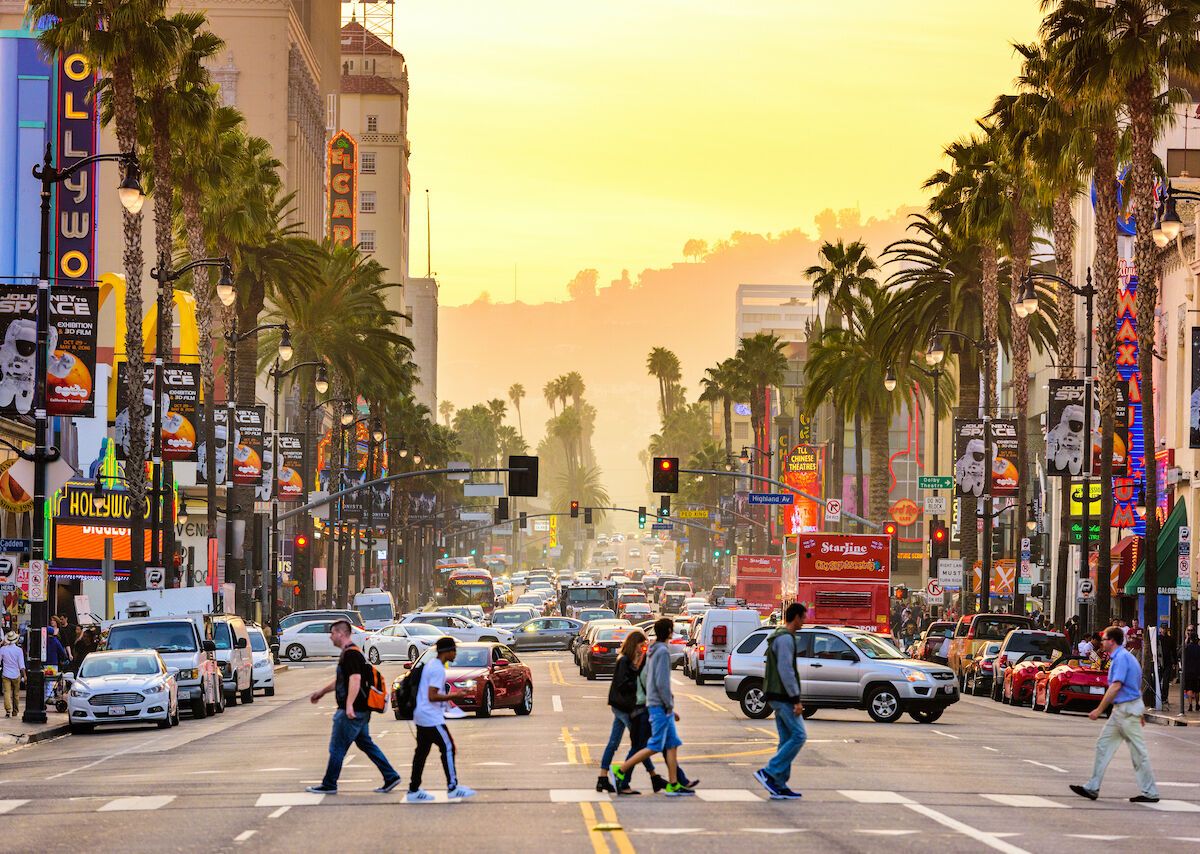
Different regions of California not only have subtle speech differences but also use language to project and reinforce their unique identities. Hollywood, for instance, has always had its own jargon, from industry-specific terms to a particular way of expressing aspirations and glamour. The language of the entertainment capital often blends the casual with the aspirational, reflecting the dreams and competitive spirit that define the industry.
Along the coast, from the artsy enclaves of Mendocino to the surf towns of San Clemente, a “coastal cool” influences speech. This might manifest in a laid-back pace, a vocabulary rich with outdoor or ocean-related terms, and an overall relaxed demeanor. Even a simple request for coffee in a café in La Jolla might have a slightly different rhythm than in the agricultural heartland of the San Joaquin Valley.
These regional linguistic identities contribute to the rich mosaic of experiences available across California. Understanding these nuances not only enhances your ability to communicate but also deepens your appreciation for the distinct characters of these celebrated destinations and their famous landmarks, from the historic Hearst Castle to the scenic drive along the Pacific Coast Highway. The language of California is, in essence, a living map of its diverse geography, vibrant cultures, and boundless aspirations.
In conclusion, “What do California people talk like?” reveals a far more intricate and dynamic picture than popular stereotypes suggest. It’s a spectrum of sounds, an evolving lexicon, and a reflection of a state that embraces diversity, innovation, and a distinct approach to life. For any traveler or enthusiast, a deeper understanding of these linguistic nuances promises not just better communication, but a richer, more authentic connection with the Golden State and its unforgettable “vibe.” So, next time you plan a trip to California, listen closely – the voices around you are telling a unique and captivating story.