
For many, Florida evokes images of sun-drenched beaches, world-class theme parks like Walt Disney World Resort and Universal Orlando Resort, vibrant cities such as Miami and Orlando, and a lifestyle that blends relaxation with endless adventure. Whether you’re a snowbird enjoying an extended winter escape, a digital nomad establishing temporary roots, or someone considering making the Sunshine State your permanent home, understanding the local civic landscape is as crucial as knowing the best local eateries or hidden natural gems. Voting, often seen as a purely civic duty, is also an integral part of understanding and influencing the very environment that makes Florida such a popular destination. From local ordinances affecting beach access to funding for public parks and transportation infrastructure that impacts your travel, the decisions made at the ballot box directly shape the experiences of residents and visitors alike.
This guide aims to demystify the requirements for voting in Florida, tailored for those with a lifestyle that often involves travel, relocation, or extended stays. We’ll delve into the essentials you need to bring to the polls, discuss how establishing residency ties into voter eligibility, and offer insights for travelers and newcomers navigating their civic responsibilities in this dynamic state. Even if your stay is temporary, grasping these principles can offer a deeper appreciation for the local culture and governance that defines your Florida experience.

The Essentials for Casting Your Vote in Florida
Participating in Florida’s elections is a straightforward process, provided you come prepared. The state prioritizes secure and verifiable voting, meaning certain identification documents are crucial. For anyone living or staying in Florida long-term, having these documents readily accessible is not just good practice for voting, but also for countless other daily transactions, from booking accommodation at a Hilton or Marriott property to exploring various attractions.
Valid Photo Identification is Key
The most critical item you need to bring to your polling place in Florida is a valid photo identification. This helps confirm your identity as a registered voter. The accepted forms of photo ID are quite comprehensive, recognizing that residents come from diverse backgrounds and may possess different types of official documentation. This is especially pertinent for those who have recently relocated or who maintain multiple residences, as their primary form of identification might stem from a different state or country initially.
The list of acceptable photo IDs includes:
- Florida Driver’s License or Florida ID Card: These are the most common forms of identification for Florida residents. If you’ve recently moved to Florida, obtaining one of these should be an early step in establishing your residency, facilitating everything from car rentals to hotel check-ins.
- United States Passport: For international travelers and global citizens, a United States passport is a universally recognized and accepted form of identification, making it an excellent choice for voting, especially if you’re frequently on the move.
- Debit or Credit Card with Photo: Some financial institutions issue cards with embedded photos, which are also acceptable.
- Military Identification: For active service members and veterans, military ID cards are valid. Florida has a significant military presence, particularly around bases near Jacksonville, Tampa, and Pensacola, making this a common form of ID.
- Student Identification: IDs issued by public or private universities, colleges, or vocational schools in Florida are accepted. This is particularly relevant for students who might be experiencing their first election in a new city like Gainesville or Tallahassee.
- Retirement Center Identification: For those enjoying their golden years in Florida’s numerous retirement communities, this ID is a convenient option.
- Public Assistance Identification: Various government-issued public assistance IDs are also valid.
- Veteran Health Identification Card: Issued by the United States Department of Veterans Affairs.
- Concealed Weapon License: A valid Florida concealed weapon license can serve as identification.
- Employee Identification Card: Issued by any branch, department, agency, or entity of the United States Government, Florida, or any county, municipality, school district, or special district of Florida.
It’s important to note that the photo ID must be current and valid. If your photo ID does not include your signature, you will need to present an additional form of identification that does, such as a debit or credit card, even if it doesn’t have a photo. This dual requirement ensures both visual and signature verification.
Your Voter Information Card (Recommended, Not Required)
While not strictly required, bringing your Voter Information Card to the polls is highly recommended. This card, issued by your county’s Supervisor of Elections office, contains crucial details such as your polling place location, district information, and sample ballot details. Think of it as your personal voting itinerary. For those new to an area like Sarasota or Fort Lauderdale, or if you’re a frequent traveler whose routine might change, having this card can streamline your election day experience and prevent any last-minute confusion about where to go. Even without it, poll workers can look up your registration, but having the card makes the process faster and more efficient.
What if You Don’t Have the Required ID?
Life, especially a life filled with travel and transitions, can sometimes lead to misplaced documents or unexpected situations. If you arrive at your polling place without the proper identification, you still have the right to vote. In such cases, you will be allowed to vote a provisional ballot. After you cast your provisional ballot, you will be given instructions on how to provide the required identification to the Supervisor of Elections office, usually within two days after the election. Your provisional ballot will then be counted if your identity is verified within that timeframe. This safeguard ensures that unforeseen circumstances don’t disenfranchise eligible voters, a thoughtful provision for residents whose lifestyle might involve frequent changes in location or access to personal documents.
Beyond the Ballot Box: Understanding Florida Residency for Travelers and Newcomers
For many who discover the allure of Florida, a temporary visit can evolve into a desire for a longer stay, or even permanent residency. This transition from tourist to resident comes with various considerations, not least of which is understanding voter eligibility. The seamless integration of travel and lifestyle often means that individuals might split their time between different states or even countries, making the concept of “residency” a fluid one.
Establishing Residency: A Traveler’s Guide to Calling Florida Home
To vote in Florida, you must be a United States citizen, at least 18 years old, and, crucially, a legal resident of Florida and the county in which you register. You must also not have been adjudicated mentally incapacitated without having the right to vote restored, and not have been convicted of a felony without your voting rights restored.
For those accustomed to a transient lifestyle, establishing legal residency is a process that goes beyond simply having a mailing address. It typically involves demonstrating an intent to make Florida your primary home. This can be evidenced by several factors, many of which intersect with travel and accommodation choices:
- Driver’s License or State ID: Obtaining a Florida Driver’s License or ID card is one of the clearest indicators of intent. This is often a priority for snowbirds and long-term visitors who want to avoid non-resident vehicle registration fees or simply enjoy the convenience of local identification.
- Property Ownership or Long-Term Lease: Whether you’ve purchased a vacation home in Naples, a condo in Tampa, or signed a year-long lease for an apartment in Jacksonville, your accommodation choices play a significant role.
- Voter Registration: Registering to vote in Florida is itself an act of declaring residency.
- Employment: If you’ve taken a job in Florida, this further solidifies your residential ties.
- Banking and Bills: Changing your primary banking address, receiving utility bills, or registering your vehicle in Florida all contribute to establishing residency.
For digital nomads or those exploring the possibility of permanent relocation, understanding these steps is vital. Your choice of accommodation – from extended stay hotels to rented villas or even purchasing a home in a charming city like St. Augustine – can be part of this broader declaration of residency, which then opens the door to civic participation. It’s recommended to register to vote at least 29 days before any election to ensure your eligibility. The Florida Department of State website offers comprehensive resources for voter registration and eligibility.
How Elections Shape Your Florida Experience
While the act of voting itself might seem distant from the sun-soaked adventures of Florida, the outcomes of elections profoundly influence the quality of life and the tourist experience across the state. Local, state, and national elections determine policies on everything from environmental protection – critical for preserving iconic natural landmarks like Everglades National Park and the pristine beaches of Siesta Key – to funding for public infrastructure, which includes everything from maintaining roads that lead to attractions like the Kennedy Space Center Visitor Complex to developing public transit in bustling metros like Miami.
Consider the impact on your lifestyle:
- Tourism Development: Local elections can influence zoning laws, development projects (e.g., new hotels, resorts, attractions), and the overall tourism strategy of a city like Orlando or a region like the Florida Keys.
- Environmental Policies: Decisions made by elected officials can impact the health of Florida’s unique ecosystems, which are major draws for eco-tourism, fishing, and outdoor activities. Protecting coral reefs near Key West or preserving the delicate balance of the Everglades is often a matter of public policy and funding.
- Public Services and Infrastructure: Funding for parks, public safety, and transportation networks are often determined by local and state budgets approved by elected representatives. These directly affect the quality of amenities available to residents and visitors alike.
- Local Culture and Lifestyle: From regulations affecting street festivals in Ybor City to policies supporting the arts in Sarasota, local elections shape the cultural fabric that enriches the Florida experience.
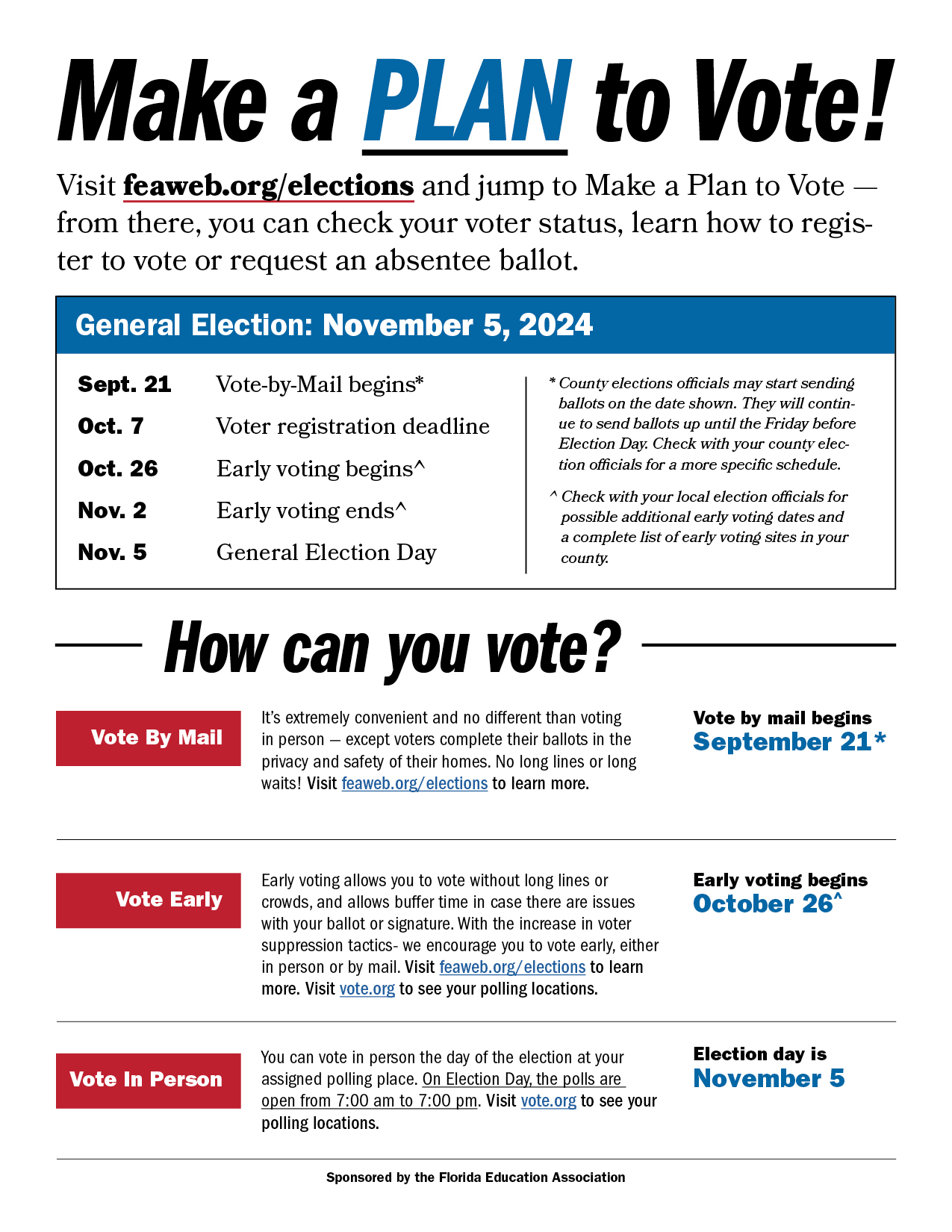
Engaging with the political process, even if only by casting your vote, is a way to ensure your voice contributes to the future of the state you choose to visit, live, or call home, thereby influencing the very experiences you seek in Florida.
Preparing for Election Day: A Traveler’s Checklist
Whether you’re a seasoned Florida resident or a newcomer navigating your first election in the state, preparation is key. For those with a dynamic lifestyle that involves frequent travel or extended stays, a little foresight can ensure your civic duty doesn’t clash with your travel plans or daily adventures.
Locating Your Polling Place and Understanding Your Options
Before election day, familiarize yourself with your voting options. Your polling place is typically assigned based on your residential address. You can easily find this information on your Voter Information Card, or by visiting your county’s Supervisor of Elections website. Many counties in Florida also offer mobile apps or online tools to help you pinpoint your location. For those residing in sprawling communities or popular destinations like Orlando or Miami-Dade County, knowing your specific precinct can save time and stress.
Early Voting and Vote-by-Mail Options for Flexible Lifestyles
Florida offers flexible voting options that are particularly beneficial for individuals with variable schedules, frequent travelers, or those who find themselves away from their home county on Election Day.
- Early Voting: Florida provides a period of early voting, typically starting several days or weeks before Election Day. During this period, you can vote in person at designated early voting sites within your county. These sites are often more numerous and centrally located than traditional Election Day polling places, offering greater convenience. This is an excellent option for business travelers, those with family trips planned, or anyone who simply prefers to avoid the Election Day rush.
- Vote-by-Mail: Also known as absentee voting, the vote-by-mail option allows any registered voter in Florida to request a ballot to be sent to their mailing address. This is arguably the most flexible option for travelers, snowbirds, or those with long-term accommodation bookings that might place them far from their registered polling place. You can request a vote-by-mail ballot for a specific election, or even for all elections through the next two general elections. The ballot can be mailed to any address you designate, whether it’s your permanent residence, a temporary stay at a Hyatt resort in Key Largo, or a family member’s home out of state. Simply complete and return the ballot by mail or hand-deliver it to your Supervisor of Elections office. This option ensures that no matter where your travels take you, your vote can still be cast and counted.
Special Considerations for Snowbirds and Seasonal Residents
Florida is renowned for its seasonal residents, often referred to as “snowbirds,” who split their year between Florida and another state. For this group, understanding residency and voting rules is paramount to avoid confusion and ensure their vote counts.
- Residency Declaration: It’s crucial to understand where you declare your primary residency. You can only vote in one place. If Florida is your legal residence, ensure your voter registration reflects that, and use the vote-by-mail option if you’re in another state during an election. Conversely, if your primary residence remains outside Florida, you should arrange to vote in that state, potentially using their absentee ballot system.
- Updating Your Address: Whether you’re staying in a rental villa in Palm Beach for the season or have a permanent home, always keep your mailing address updated with the Supervisor of Elections to ensure you receive important election information and your vote-by-mail ballot if requested. Many snowbirds find it convenient to have their ballots sent to their Florida address during their stay, or to their northern residence if an election falls outside their Florida season.
By taking advantage of early voting or vote-by-mail options, snowbirds and other seasonal residents can seamlessly integrate their civic duties into their flexible lifestyles, contributing to the governance of the state they cherish.
In conclusion, exercising your right to vote in Florida is a straightforward process requiring valid photo and signature identification. For the diverse population that either calls Florida home permanently, seasonally, or is exploring an extended stay, understanding these requirements is as essential as planning your next visit to South Beach or Busch Gardens Tampa Bay. From obtaining a Florida ID to leveraging vote-by-mail, the state provides ample opportunities for civic participation, ensuring that your voice contributes to the vibrant future of this beloved travel destination. Regardless of whether you are exploring the historical charm of St. Augustine Historic District, diving off the coast of Dry Tortugas National Park, or enjoying the arts at the Ringling Museum, remember that the decisions made at the ballot box shape the very essence of what makes Florida an incredible place to live, visit, and explore.
LifeOutOfTheBox is a participant in the Amazon Services LLC Associates Program, an affiliate advertising program designed to provide a means for sites to earn advertising fees by advertising and linking to Amazon.com. Amazon, the Amazon logo, AmazonSupply, and the AmazonSupply logo are trademarks of Amazon.com, Inc. or its affiliates. As an Amazon Associate we earn affiliate commissions from qualifying purchases.