
Embarking on a journey through the Golden State, whether for a fleeting vacation or a more permanent relocation, often brings with it a host of logistical considerations. Among these, securing a California ID stands out as a fundamental step for many, bridging the gap between simply visiting and truly experiencing life in California. While often associated with driving privileges, a California ID serves a much broader purpose, acting as a crucial piece of identification that unlocks a seamless experience across various facets of travel, accommodation, and lifestyle within this vibrant state. From booking a stay at a luxurious Beverly Hills resort to accessing local amenities in a quaint Napa Valley town, or even navigating the bustling nightlife of Los Angeles, having an official state identification can simplify countless interactions.
This comprehensive guide will demystify the process of obtaining a California ID, outlining the essential requirements, the step-by-step application procedure, and offering invaluable insights for both new residents and long-term visitors. We’ll explore why this seemingly bureaucratic document is an indispensable tool for anyone looking to fully immerse themselves in the rich culture, diverse attractions, and unparalleled lifestyle that California has to offer. Understanding these requirements from the outset will ensure your transition or extended stay in California is as smooth and enjoyable as possible, allowing you to focus on discovering its iconic landmarks, savoring its culinary delights, and making the most of every moment.
The Essential Role of a California ID in the Golden State
For many, the first thought that comes to mind when considering a state ID is its utility for driving. However, a California ID transcends this singular function, serving as a versatile and widely accepted form of identification across a multitude of scenarios. In a state as expansive and diverse as California, where experiences range from exploring the majestic redwood forests in Northern California to surfing the iconic beaches of San Diego, having a reliable form of identification is paramount.
Beyond the Driver’s Seat: Why Identification Matters
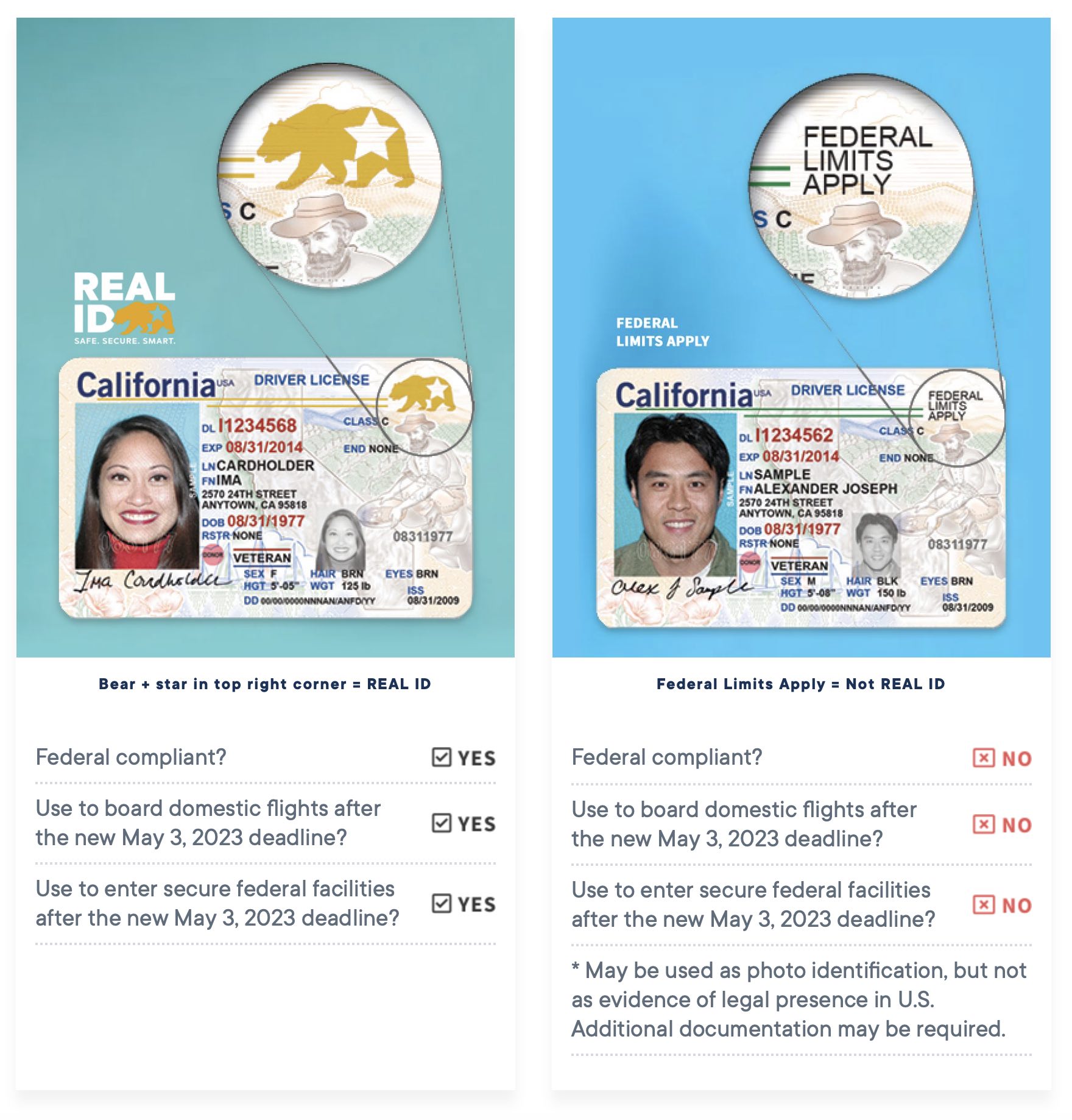
A California ID acts as your official proof of identity and age, a requirement for countless everyday transactions and experiences. For travelers, especially those planning an extended stay or considering a move, it becomes vital for domestic flights, particularly after the full implementation of REAL ID standards. This means that while your passport will always work for air travel, a REAL ID compliant California ID offers a convenient alternative for internal flights within the United States, saving you from always needing to carry your passport.
Beyond travel, this identification is crucial for a range of activities. From verifying your age to purchase alcoholic beverages at a trendy San Francisco bar or gain entry to a concert venue, to opening a bank account, establishing utilities, or even picking up a package, your California ID streamlines these processes. It significantly reduces potential friction, allowing you to seamlessly integrate into the local fabric, whether you’re a tourist enjoying the local culture or a new resident setting up a new life.
Navigating Life in California: From Local Culture to Long-Term Stays
For those planning long-term accommodation, whether renting an apartment in vibrant Santa Monica or securing a villa for an extended period in Palm Springs, landlords and property management companies will invariably request official identification. A California ID provides an immediate and trusted form of verification. Similarly, if you’re enrolling in local courses, joining community groups, or seeking employment, an ID issued by the state of California signals your official presence and often simplifies bureaucratic steps.
Consider the lifestyle aspects: accessing public services, voting (if eligible), or even renting equipment for outdoor adventures in destinations like Yosemite National Park or along the Pacific Coast Highway. Each instance underscores the utility of a state-issued identification card. It’s not merely a piece of plastic; it’s your key to unlocking the full spectrum of experiences and conveniences that define the California lifestyle, ensuring you can enjoy everything from its famous landmarks to its hidden gems without unnecessary hurdles.
Eligibility and the Foundation of Your Application
Before diving into the specific documents required, understanding who is eligible to apply for a California ID is the critical first step. The California Department of Motor Vehicles (DMV) is the issuing authority, and while the process is designed to be accessible, it requires fulfilling certain residency and identity criteria.
Who Can Apply for a California ID?
Generally, any California resident who is at least six years old can apply for an ID card. While there’s no upper age limit, the minimum age ensures that even young children can have an official state ID, which can be useful for school verification or as a backup identification when traveling. Importantly, you do not need to have driving privileges or even intend to drive to apply for a California ID. This makes it an ideal option for individuals who don’t drive, choose public transportation in cities like San Francisco or Los Angeles, or for visitors on extended stays who wish to establish a formal identity within the state.
For non-residents, the situation can be more nuanced. While a true “visitor’s ID” for short-term tourists doesn’t exist, individuals on specific long-term visas (e.g., student visas for universities like Stanford or professional work visas in Silicon Valley) who establish a temporary residency in California for an extended period may be eligible. The key is demonstrating an intent for extended stay and providing valid documentation for both identity and temporary residency. Always check the latest DMV guidelines or consult with them directly if your situation is unique.
Laying the Groundwork: Initial Steps and Considerations
The application process is fundamentally about proving your identity, your residency in California, and often, your Social Security number. Gathering these documents ahead of time is paramount to a smooth application. It’s highly recommended to visit the DMV website before your appointment to review the most current list of acceptable documents, as these can occasionally change. They provide a helpful interactive document checklist that can personalize the requirements based on your specific situation. This preliminary research can save you a significant amount of time and prevent multiple trips to the DMV, which, especially in bustling cities, can be a time-consuming affair.
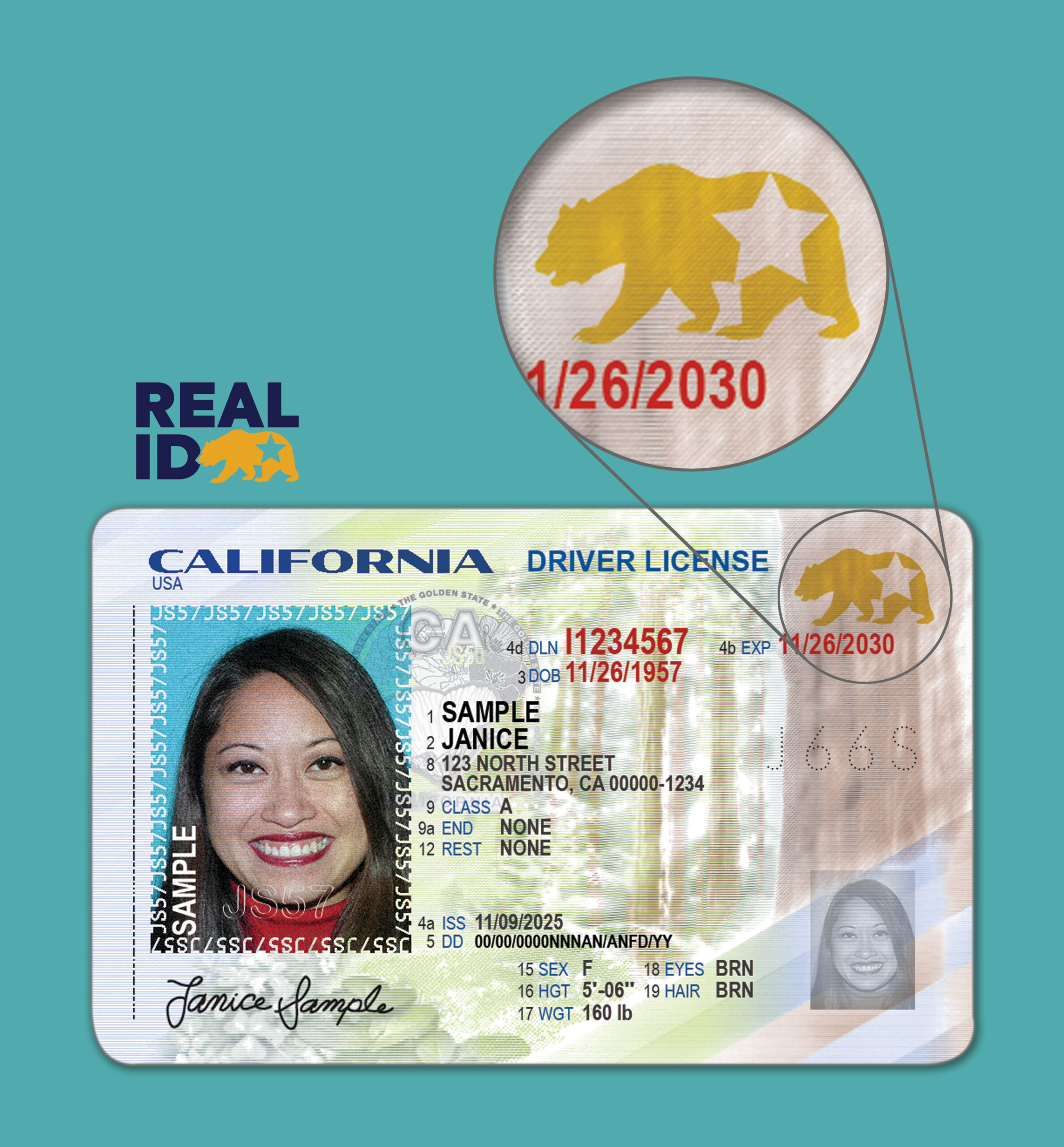
Consider the purpose of your California ID. If you intend for it to be REAL ID compliant (which is highly recommended for future domestic air travel), you will need to provide additional documentation that might not be required for a standard ID. The REAL ID Act was passed by Congress in 2005 based on a 9/11 Commission recommendation to “set standards for the issuance of sources of identification, such as driver’s licenses and state-issued ID cards.” Therefore, a REAL ID compliant California ID will feature a star in the upper right corner, signifying its acceptance for federal purposes.
Decoding the Document Requirements: What to Bring to the DMV
This is arguably the most critical section of your preparation. The DMV is stringent about documentation, and arriving unprepared is the most common reason for application delays. You will need to bring original documents; photocopies are generally not accepted unless specified.
Proving Your Identity: Primary and Secondary Documents
This is where you establish who you are. You’ll typically need to provide one primary document and potentially one secondary document, especially if seeking a REAL ID.
-
Primary Identity Documents (choose one, original required):
- U.S. Birth Certificate: Certified copy.
- U.S. Passport or Passport Card: Valid and unexpired.
- Foreign Passport: With a valid U.S. visa and I-94 form (if applicable).
- Permanent Resident Card (Green Card): Form I-551.
- Employment Authorization Document (EAD): Form I-766.
- Certificate of Naturalization or Citizenship: Forms N-550, N-570, N-560, N-561.
- Other DMV-approved documents: Check the official list.
-
Secondary Identity Documents (may be required in some cases, especially for REAL ID if your primary doesn’t cover all identity aspects):
- Marriage certificate (if your name changed).
- Official school transcripts.
- Previous state ID or driver’s license.
Ensure the name on your identity document matches your current legal name. If your name has changed due to marriage, divorce, or another legal process, you’ll need to bring official documentation (e.g., marriage certificate, divorce decree, court order) to link your prior name to your current one.
Establishing California Residency: The Address Proof Imperative
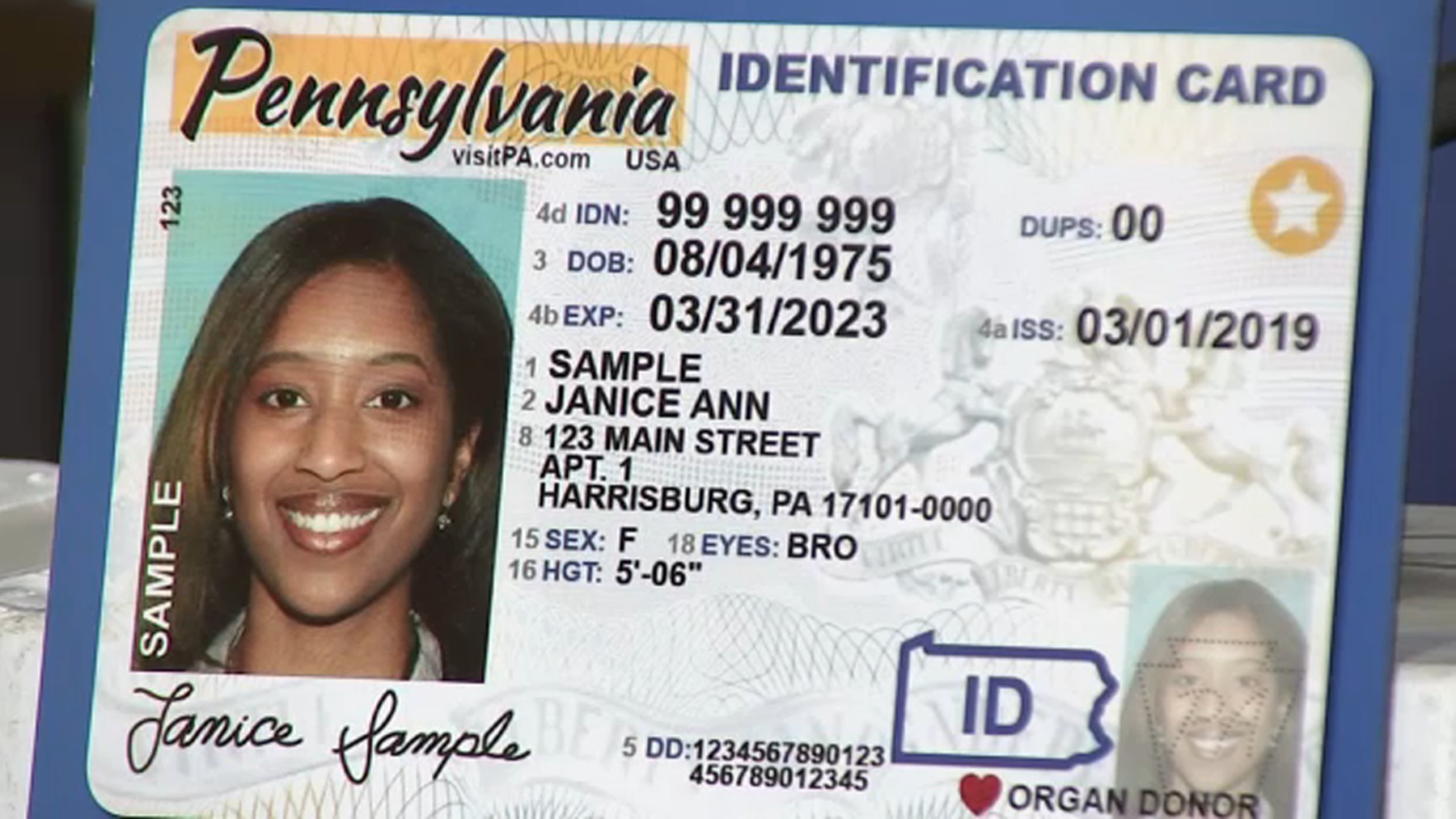
To obtain a California ID, you must demonstrate that you reside in California. For a REAL ID, two different documents proving your California residency are typically required. These documents must show your first and last name and your current California street address. Post Office Boxes are not usually accepted for residency proof.
- Acceptable Residency Documents (two different documents required for REAL ID):
- Utility Bills: Electricity, gas, water, cable, internet, or landline phone bill (mobile phone bills are sometimes not accepted, check DMV specifics).
- Rental or Lease Agreement: Signed by both landlord and tenant, showing the address.
- Mortgage Statements: For homeowners.
- Bank or Financial Institution Statements: Monthly statements with your address.
- Insurance Documents: Car, home, or health insurance policies or bills.
- Medical Documents: From a California medical provider.
- Employment Documents: Pay stubs showing your address.
- School Documents: Enrollment records or transcripts from a California school.
- Government Documents: Property tax bill, voter registration card, or jury summons.
- Approved temporary lodging documents: For those in extended stays at a hotel or resort, specific official documents might be accepted, but this is less common for a permanent ID and should be verified with the DMV.
Ensure the documents are recent, typically within the last two to three months, and clearly display your name and the California address you are claiming.
Social Security Verification: The Final Piece of the Puzzle
Most applicants for a California ID will need to provide proof of their Social Security Number (SSN).
- Acceptable SSN Documents:
- Social Security Card: Original card.
- W-2 Form: Showing your SSN.
- SSA-1099 Form: Showing your SSN.
- Non-SSA-1099 Form: Showing your SSN.
- Pay stub: With your name and SSN.
If you are not eligible for an SSN, you may need to provide a letter from the Social Security Administration (SSA) stating this fact, along with other identity documents. This typically applies to certain non-immigrants or those who do not have work authorization in the U.S.
Name Changes and Other Specific Circumstances
If your name on your identity documents differs from the name you wish to have on your California ID, you must provide legal documentation of the name change. This could include a certified copy of a marriage certificate, divorce decree, or court order for a name change. Always bring the original documents for all name changes that link your birth name to your current legal name.
The Application Process: A Step-by-Step Guide
Once you’ve meticulously gathered all your required documents, the actual application process is relatively straightforward. Following these steps will ensure a smooth experience.
Starting Online: The Initial Application Form
The DMV strongly encourages applicants to start the process online. You can complete the Driver License/Identification Card Application (DL 44) form on their website. This pre-fills much of your information, saving time at the office. Upon completion, you’ll receive a confirmation code that you’ll need to present at your DMV appointment. This initial step is a great example of how technology simplifies bureaucratic tasks, allowing you more time to explore destinations like Lake Tahoe or the vibrant art scene in Oakland.
Scheduling Your DMV Appointment: Maximizing Efficiency
Given the high volume of visitors to DMV offices across California, especially in major cities like San Francisco, Los Angeles, and San Jose, scheduling an appointment is highly advisable. Walk-ins are often subject to long wait times. You can schedule an appointment online through the DMV website. Choose a date and time that works best for you and make sure to note down the confirmation. Being punctual for your appointment will contribute to a faster process.
What to Expect at the DMV Office: Fees, Photos, and Fingerprints
On the day of your appointment, arrive with all your original documents, your online application confirmation code, and payment for the application fee. The fee for a California ID is generally low, but it’s always best to check the current fee schedule on the DMV website, as fees can change. Payment methods typically include cash, check, money order, or debit card. Credit cards are usually not accepted for DMV transactions.
At the DMV office, you will:
- Present your documents: A DMV representative will review all your original identity, residency, and Social Security documents.
- Provide a thumbprint: This is a security measure.
- Have your photo taken: This will be the photo on your ID card. It’s advisable to dress neatly and ensure a neutral expression.
- Pay the application fee: Once your documents are verified and processed.
The entire in-office process, especially with an appointment, usually takes less than an hour, but this can vary depending on the specific DMV location and time of day.
Receiving Your California ID: The Waiting Game
After completing the in-office application, you will typically receive a temporary paper ID card. This temporary document serves as valid proof of identity within California until your permanent plastic card arrives. The permanent California ID card is usually mailed to your provided California address within 2-4 weeks. It is crucial to ensure your mailing address is accurate and secure, especially if you are staying in temporary accommodation such as a hotel or serviced apartment. If you haven’t received your card within the expected timeframe, contact the DMV directly to inquire about its status.
Maximizing Your California Experience with Your New ID
With your new California ID in hand, you’re not just holding a piece of plastic; you’re holding a key to deeper engagement with the Golden State. This official identification opens doors to a smoother, more integrated experience, whether you’re a seasoned traveler or a fresh transplant.
Seamless Travel and Accommodation Bookings
Your California ID, especially if it’s REAL ID compliant, significantly streamlines domestic travel. Flying from Los Angeles International Airport (LAX) to San Francisco International Airport (SFO) for a quick business trip or a weekend getaway becomes less cumbersome as you won’t always need your passport. When booking accommodation, from boutique hotels in San Diego to luxury resorts in Santa Barbara or private villas in Laguna Beach, your state ID is universally accepted for check-ins, simplifying the process and making your stay more relaxed. It’s an indispensable tool for securing rental cars for road trips along the Pacific Coast Highway or exploring the vast landscapes of the Mojave Desert.
Embracing Local Culture and Attractions
Beyond logistical ease, your California ID enhances your ability to immerse yourself in local California culture. It serves as your age verification at countless venues, from tasting exquisite wines in Napa Valley and Sonoma to enjoying live music in Hollywood or vibrant nightlife in downtown Sacramento. Visiting museums like The Getty Center in Los Angeles or the California Academy of Sciences in San Francisco often involves membership or discounted rates for residents, which your ID can help verify. Engaging in local activities, from joining a yoga class in Venice Beach to renting a paddleboard in La Jolla, often requires a valid ID for security or membership purposes.
The Lifestyle Advantages for Residents and Long-Term Visitors
For those establishing a long-term stay in California, whether for work, study, or retirement, your California ID is foundational to building your life here. It’s often required for official purposes such as registering children for school, accessing public libraries, or even enrolling in local healthcare services. It simplifies transactions that require proof of address, such as setting up new utility accounts for your apartment or home. Furthermore, for eligible residents, it allows for seamless voter registration, empowering you to participate in the democratic process of your new home state. From enjoying budget travel tips by accessing local discounts to embracing a luxury travel experience with exclusive resident benefits, your California ID is truly a cornerstone of the California lifestyle.
In conclusion, while the process of obtaining a California ID involves careful documentation and a visit to the DMV, the benefits far outweigh the effort. It’s an investment in convenience, security, and a fuller, richer experience of all that California has to offer, making your adventures in the Golden State truly boundless.
LifeOutOfTheBox is a participant in the Amazon Services LLC Associates Program, an affiliate advertising program designed to provide a means for sites to earn advertising fees by advertising and linking to Amazon.com. Amazon, the Amazon logo, AmazonSupply, and the AmazonSupply logo are trademarks of Amazon.com, Inc. or its affiliates. As an Amazon Associate we earn affiliate commissions from qualifying purchases.