
Navigating the bureaucratic landscape of official documentation can sometimes feel like a daunting expedition, particularly when you’re planning an extended stay or embarking on a new chapter in the Sunshine State. For many, obtaining a Florida identification card is a crucial step, whether for practical reasons like opening a bank account, accessing certain services, or simply as a definitive proof of residency. This guide is designed to demystify the process, providing you with a clear roadmap of what you need to secure your official Florida ID card, ensuring a smooth and efficient experience.
Understanding the Florida Identification Card
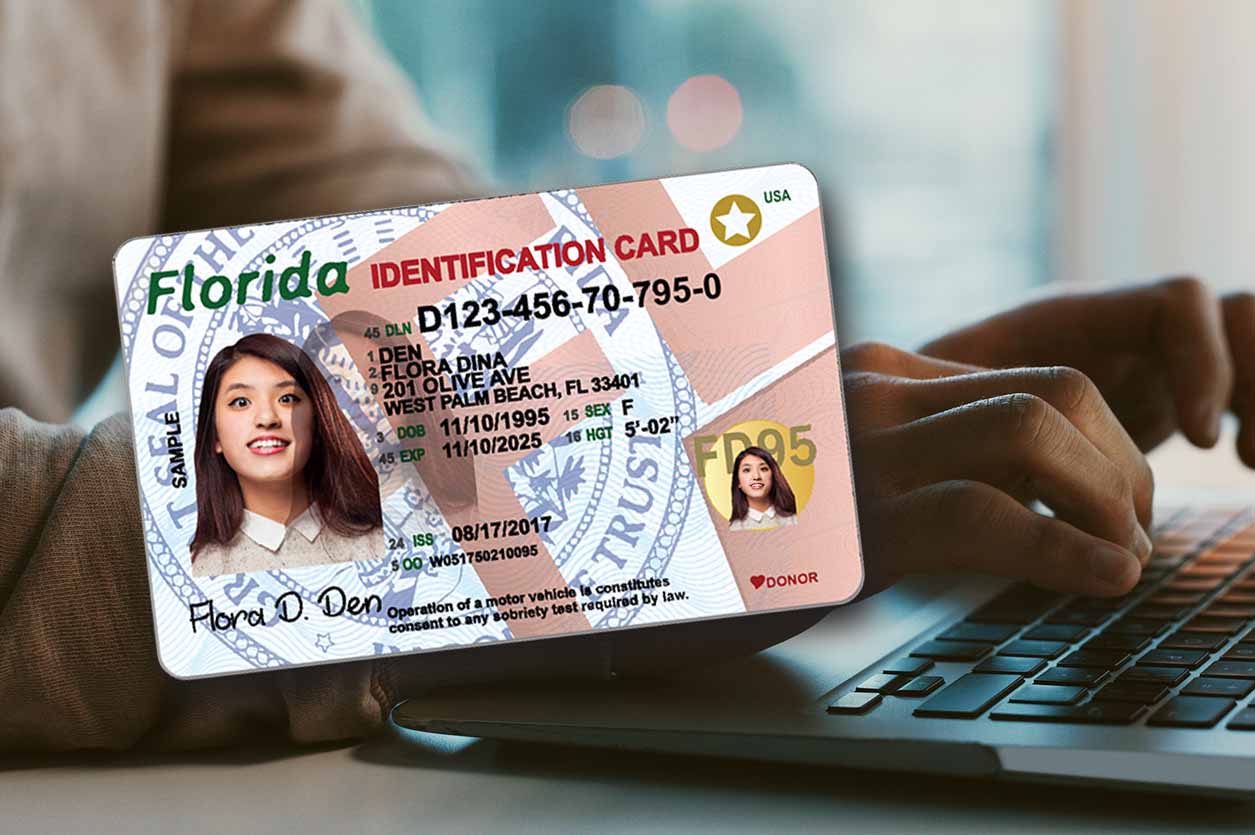
The Florida identification card, often referred to as a state ID or ID card, is a government-issued document that serves as proof of identity and, in many cases, residency for individuals who do not possess a driver’s license. It is issued by the Florida Department of Highway Safety and Motor Vehicles (FLHSMV) and is widely accepted across the state and often recognized nationally. This card is distinct from a driver’s license in that it does not grant driving privileges but serves essential identification purposes for a myriad of activities.
Who Needs a Florida ID Card?
The need for a Florida ID card can stem from various circumstances. For instance, individuals who are not licensed drivers but reside in Florida may require one for identification purposes. This includes students attending universities like the University of Florida or University of Miami, retirees who have moved to the state, or any adult who needs a verifiable form of identification for daily life. Beyond personal convenience, it’s often a prerequisite for accessing certain state-specific benefits, employment opportunities, or engaging in activities that require age verification, such as entering casinos or purchasing alcohol. For those considering a longer sojourn in the state, perhaps enjoying the beaches of Clearwater Beach or exploring the vibrant arts scene in Miami, a Florida ID solidifies your connection to the state.
Types of Identification Cards Available
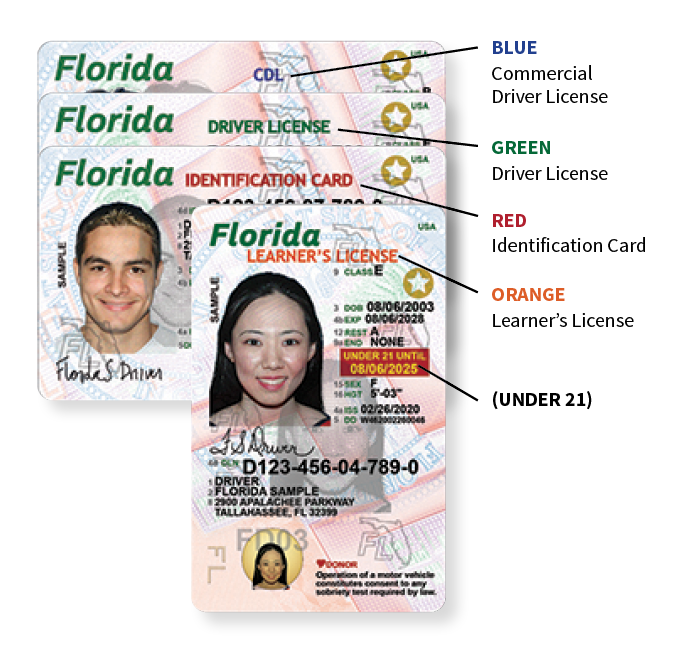
The FLHSMV offers several types of identification cards, each catering to specific needs. The most common is the standard Florida Identification Card, suitable for most adult residents. For seniors, there’s the Senior Identification Card, which may offer certain benefits or discounts. Minors can also obtain identification cards, though the requirements may differ slightly. Understanding which card best suits your situation will streamline the application process. It’s important to note that these cards are not interchangeable with a Florida driver’s license, which is required for operating a motor vehicle.
Essential Documentation for Your Application
The cornerstone of obtaining any official identification is providing the correct documentation. The FLHSMV has a stringent set of requirements to ensure the integrity of the identification process. Failing to present the correct documents is the most common reason for application delays, so meticulous preparation is key.
Proof of Identity
You will need to present at least one primary document that proves your identity. Acceptable primary identification documents typically include:
- U.S. Birth Certificate: A certified copy issued by the state of birth.
- Valid U.S. Passport: A passport book or card issued by the U.S. Department of State.
- Consular Report of Birth Abroad: For those born abroad to U.S. citizens.
- Certificate of Citizenship or Naturalization: Issued by the U.S. Citizenship and Immigration Services (USCIS).
- Valid Permanent Resident Card: Also known as a “Green Card.”
Ensure that the document is current and clearly displays your full legal name and date of birth. Minor discrepancies in names, such as middle initials or spelling, can sometimes cause issues, so it’s wise to have supporting documentation if variations exist.
Proof of Social Security Number
You must also provide proof of your Social Security number (SSN). Acceptable documents include:
- Social Security Card: The official card issued by the Social Security Administration.
- W-2 Form: A wage and tax statement that includes your SSN.
- SSA-1099 Form: A Social Security benefit statement.
- Pay Stub: A recent pay stub showing your SSN.
If you do not have a Social Security number, you will need to provide documentation from the Social Security Administration stating that you are not eligible for an SSN.
Proof of Residential Address in Florida
This is where many applicants can encounter challenges, as establishing a Florida address requires specific types of documentation. You will need to present at least two different documents showing your Florida residential address. These documents must be current and cannot be more than 60 days old unless otherwise specified. Acceptable proof of residential address includes:
- Utility Bills: Electric, water, gas, or landline telephone bills in your name. Note that cell phone bills are generally not accepted.
- Lease Agreement or Mortgage Statement: For your Florida residence.
- Deed or Title to Residential Property: If you own your home.
- Bank or Credit Union Statement: Showing your Florida address.
- Insurance Policy Documents: Such as homeowner’s or renter’s insurance.
- Mail from a Federal or State Government Agency: For example, a letter from the U.S. Department of Veterans Affairs or the Florida Department of Children and Families.
- School Transcripts or Report Cards: If you are a student enrolled in a Florida educational institution.
Important Note: The name on your proof of address documents must match the name on your primary identification document. If there’s a discrepancy, you may need to provide additional supporting documentation, such as a marriage certificate or a court order. For those staying in short-term accommodations, such as hotels like the Hyatt Regency Orlando or vacation rentals near Walt Disney World, these documents may not suffice for establishing permanent residency. The focus here is on a consistent, long-term residential address.
The Application Process: Step-by-Step
Once you have gathered all the necessary documentation, the next step is to visit an authorized FLHSMV service center. It is highly recommended to schedule an appointment in advance to minimize wait times. Many centers offer online appointment booking, which can save you considerable time.
Visiting the Service Center
Upon arrival at the service center, you will be guided through the application process. This typically involves the following steps:
- Application Form: You will be provided with an application form to complete. This form will ask for personal details, including your name, address, date of birth, and other relevant information.
- Document Verification: A customer service representative will meticulously review all the documents you have brought to verify your identity, SSN, and residential address. They will check for authenticity and ensure that all requirements are met.
- Vision Test (Optional): While not mandatory for an ID card, a vision test might be offered. This is primarily for driver’s license applicants.
- Photograph: Your photograph will be taken at the service center. It’s a good idea to dress appropriately for your ID photo.
- Signature: You will be asked to provide your signature, which will be printed on your ID card.
- Fees: There is a fee associated with obtaining a Florida ID card. The exact amount can vary, so it’s advisable to check the current fee schedule on the FLHSMV website. Accepted payment methods typically include cash, check, money order, and sometimes credit or debit cards.
Receiving Your ID Card
After successfully completing the application and verification process, you will typically receive a temporary identification document on-site. Your permanent Florida ID card will be mailed to your specified residential address within a few weeks. It is crucial to ensure that the address you provide on the application is accurate and deliverable, as this is where your official identification will be sent.
Special Considerations and Common Pitfalls
While the process is generally straightforward, there are certain nuances and common pitfalls that applicants should be aware of to ensure a seamless experience.
Name Changes and Discrepancies
If your legal name has changed due to marriage, divorce, or any other reason, you must present the legal documentation supporting the name change. This could be a marriage certificate, divorce decree, or court order. All documents presented should align consistently with your current legal name. For example, if your birth certificate shows your maiden name and you are now married, you’ll need to present your marriage certificate along with other required documents.
Non-Citizens and Documentation
For non-U.S. citizens residing in Florida, additional documentation will be required to prove your legal presence in the United States. This typically includes documents such as:
- Valid Alien Registration Receipt Card (I-551)
- Valid Employment Authorization Document (I-766)
- Valid Foreign Passport with U.S. Visa and I-94 Arrival/Departure Record
The specific documents accepted may vary depending on your immigration status. It is highly recommended to consult the FLHSMV website or contact them directly to confirm the exact requirements for your situation.
Application for Minors
If you are applying for an ID card for a minor (under 18), a parent or legal guardian must be present and provide their own identification and proof of guardianship. The minor will also need to meet the identity and residency requirements, although some requirements may be adjusted for minors.

Renewals and Replacement Cards
Florida ID cards are typically valid for a set period, usually eight years. It is important to keep track of your expiration date and renew your ID card before it lapses. The renewal process is often similar to the initial application, requiring updated documentation, especially for proof of residency. If your ID card is lost, stolen, or damaged, you can apply for a replacement card by following a similar procedure and paying the applicable fees.
By thoroughly understanding the requirements and meticulously preparing your documentation, obtaining a Florida ID card will be a manageable task, allowing you to fully integrate into the vibrant life and opportunities that the Sunshine State has to offer, from the theme parks of Orlando to the historical charm of St. Augustine.
LifeOutOfTheBox is a participant in the Amazon Services LLC Associates Program, an affiliate advertising program designed to provide a means for sites to earn advertising fees by advertising and linking to Amazon.com. Amazon, the Amazon logo, AmazonSupply, and the AmazonSupply logo are trademarks of Amazon.com, Inc. or its affiliates. As an Amazon Associate we earn affiliate commissions from qualifying purchases.