
Navigating the process of obtaining official identification can often feel like a labyrinth. For residents and aspiring residents of the Lone Star State, understanding the requirements for a Texas Identification Card is a crucial step, whether you’re planning to explore its diverse landscapes, immerse yourself in its vibrant culture, or simply need a valid form of ID for daily life. This comprehensive guide will walk you through everything you need to know, ensuring a smooth and successful application process. While the primary purpose of this document is identification, its relevance extends to various aspects of experiencing Texas, from securing accommodations to engaging with local tourism.
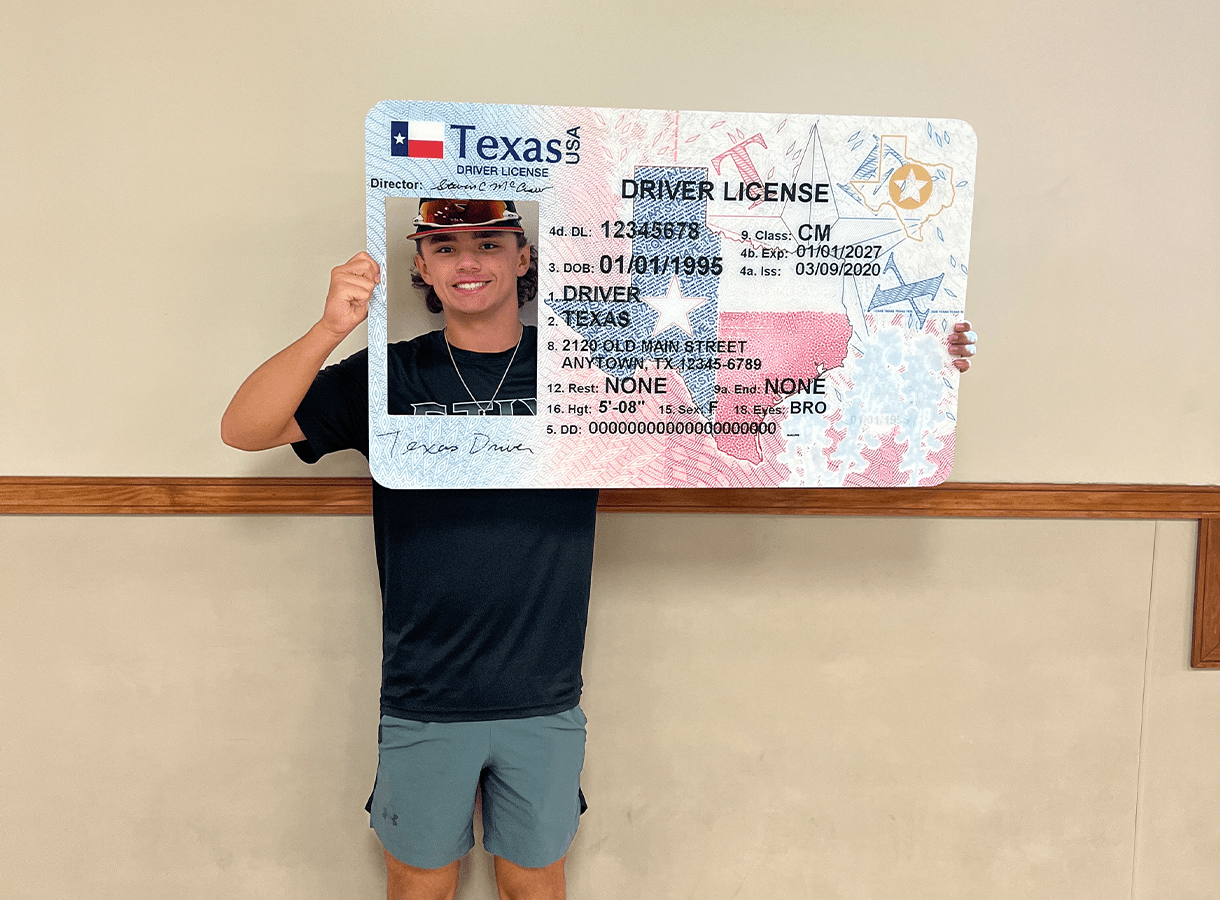
Understanding the Texas Identification Card
A Texas Identification Card, often referred to as a “Texas ID,” is a crucial document issued by the Texas Department of Public Safety (DPS). Unlike a driver’s license, it does not grant driving privileges. Its primary function is to serve as official proof of identity for individuals who do not drive or do not possess a driver’s license. This card is indispensable for a multitude of everyday activities, including opening bank accounts, accessing government services, proving your age for purchases, and even for certain travel-related needs, such as checking into a hotel or accessing attractions.
The Texas ID card is a standardized, plastic card that features your photograph, signature, name, date of birth, and a unique identification number. It is a secure and widely recognized form of identification across the state and beyond. For those new to Texas, or those who have recently arrived and need to establish residency or simply conduct affairs, obtaining this card is often a priority. It unlocks a smoother experience when engaging with various aspects of life in Texas, from booking a stay at a luxury resort to exploring historical landmarks.
Eligibility Requirements
To be eligible for a Texas Identification Card, you must meet certain residency and identity verification requirements. The DPS has specific criteria to ensure the integrity of the identification process.
Residency in Texas
The most fundamental requirement is establishing residency in Texas. This means you intend to make Texas your home. The DPS will require proof of your residency. This can be demonstrated through various official documents.
- Utility Bills: Recent bills (typically within the last 60 days) from utility providers such as electricity, gas, water, or internet, with your name and Texas address, are strong evidence.
- Lease Agreements or Mortgage Statements: A current lease agreement for your residence or a mortgage statement for a property you own in Texas will suffice.
- Bank Statements: Official bank statements showing your name and Texas address can also be used.
- Official Mail from Government Agencies: Correspondence from federal, state, or local government agencies addressed to you at your Texas residence is acceptable.
The DPS has a list of acceptable documents to prove residency, and it’s advisable to check their official website for the most up-to-date and comprehensive list before your appointment. Having at least one or two of these documents readily available will significantly streamline your application process. This is particularly important for those who have recently moved to Texas and are looking forward to exploring destinations like San Antonio or Dallas, or settling into a new neighborhood.
Proof of Identity and Social Security Number

Beyond residency, you must also prove your identity and provide your Social Security number. The DPS needs to verify who you are and that you have a valid Social Security number in the United States.
- Proof of Identity: This can be established with documents such as a birth certificate (original or certified copy), a U.S. passport, a U.S. Certificate of Citizenship, or a U.S. Certificate of Naturalization. If you were born outside the U.S., you might need additional documentation like an Immigrant Visa or a Permanent Resident Card.
- Proof of Social Security Number: This is typically demonstrated with a Social Security card. However, other documents like a W-2 form or a Social Security Administration statement may also be accepted. If you do not have a Social Security number, you may need to provide documentation from the Social Security Administration explaining why.
The DPS has a strict policy of requiring original documents or certified copies. Photocopies are generally not accepted. Ensuring you have the correct documentation is paramount, especially if you are planning trips to visit famous landmarks like the Alamo or to experience the diverse Texas lifestyle, which often requires proof of identity.
The Application Process
Once you have gathered all the necessary documentation, the next step is to complete the application process. This involves visiting a Texas Driver License office and following a specific procedure.
Scheduling an Appointment and Visiting a DPS Office
While walk-ins may be accommodated at some Texas Driver License offices, it is highly recommended to schedule an appointment in advance. This will save you significant waiting time and ensure that you are seen promptly. You can usually schedule an appointment online through the Texas DPS website.
On the day of your appointment, ensure you arrive a little early to allow time for check-in. Bring all your original documents: proof of identity, proof of Social Security number, and proof of Texas residency. You will also need to complete the Application for a Texas Identification Card (Form DL-14B). This form is often available for download on the DPS website, allowing you to fill it out in advance.
At the office, a DPS representative will review your documents, verify your identity, and take your photograph. You will also be asked to provide your signature, which will be printed on the Texas ID card. The fee for the identification card varies based on age, and payment is typically required at the time of application.
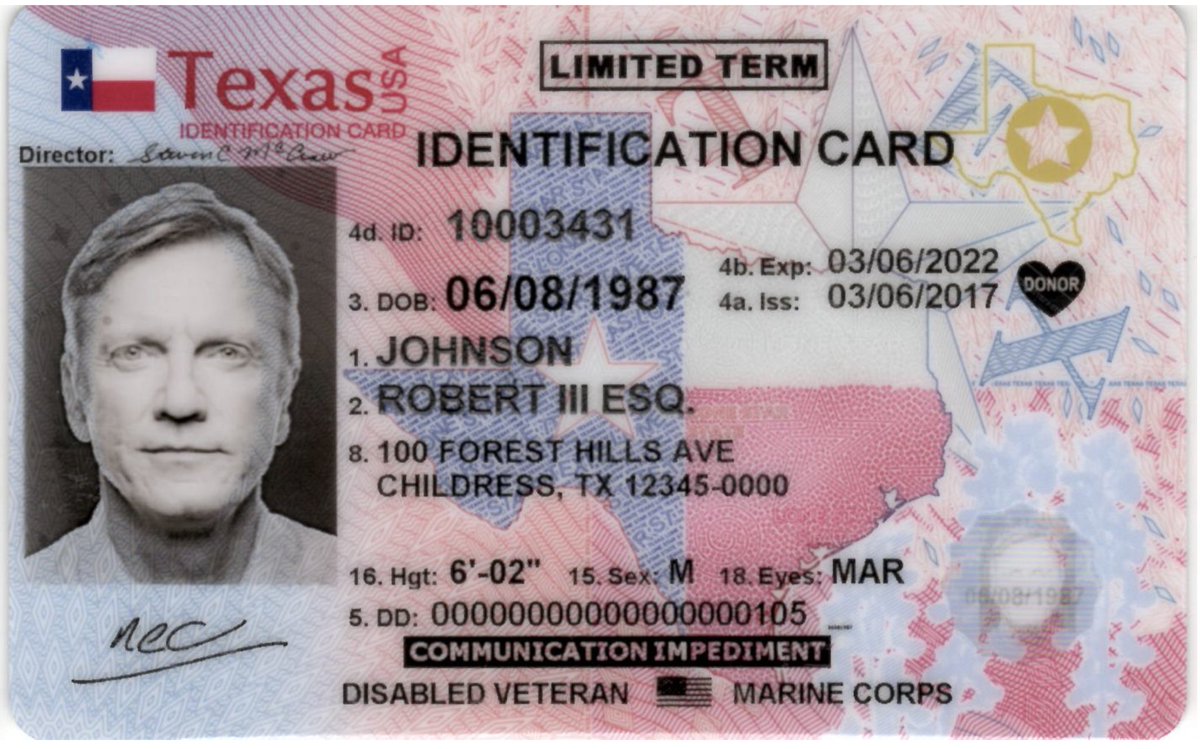
Obtaining Your Texas ID Card
After your application is processed and approved, you will be issued a temporary identification card. Your permanent Texas Identification Card will be mailed to your Texas address within a few weeks. It’s essential to keep your temporary card safe and accessible until your official card arrives.
Once you receive your permanent Texas ID, it is valid for a specified period, usually several years, depending on your age. It is your responsibility to renew your ID before it expires. The renewal process generally involves similar steps to the initial application, requiring updated documentation if your circumstances have changed.
The Texas ID card is a fundamental document that can enhance your experience in the state, from enjoying the local food scene in Austin to booking a family trip to Galveston. It provides a sense of security and ease in everyday interactions, allowing you to fully immerse yourself in the Texas tourism offerings and its unique lifestyle. Whether you are a long-term resident or a new arrival planning your next adventure, understanding the requirements for this essential document is a key step in making Texas your home.
LifeOutOfTheBox is a participant in the Amazon Services LLC Associates Program, an affiliate advertising program designed to provide a means for sites to earn advertising fees by advertising and linking to Amazon.com. Amazon, the Amazon logo, AmazonSupply, and the AmazonSupply logo are trademarks of Amazon.com, Inc. or its affiliates. As an Amazon Associate we earn affiliate commissions from qualifying purchases.