
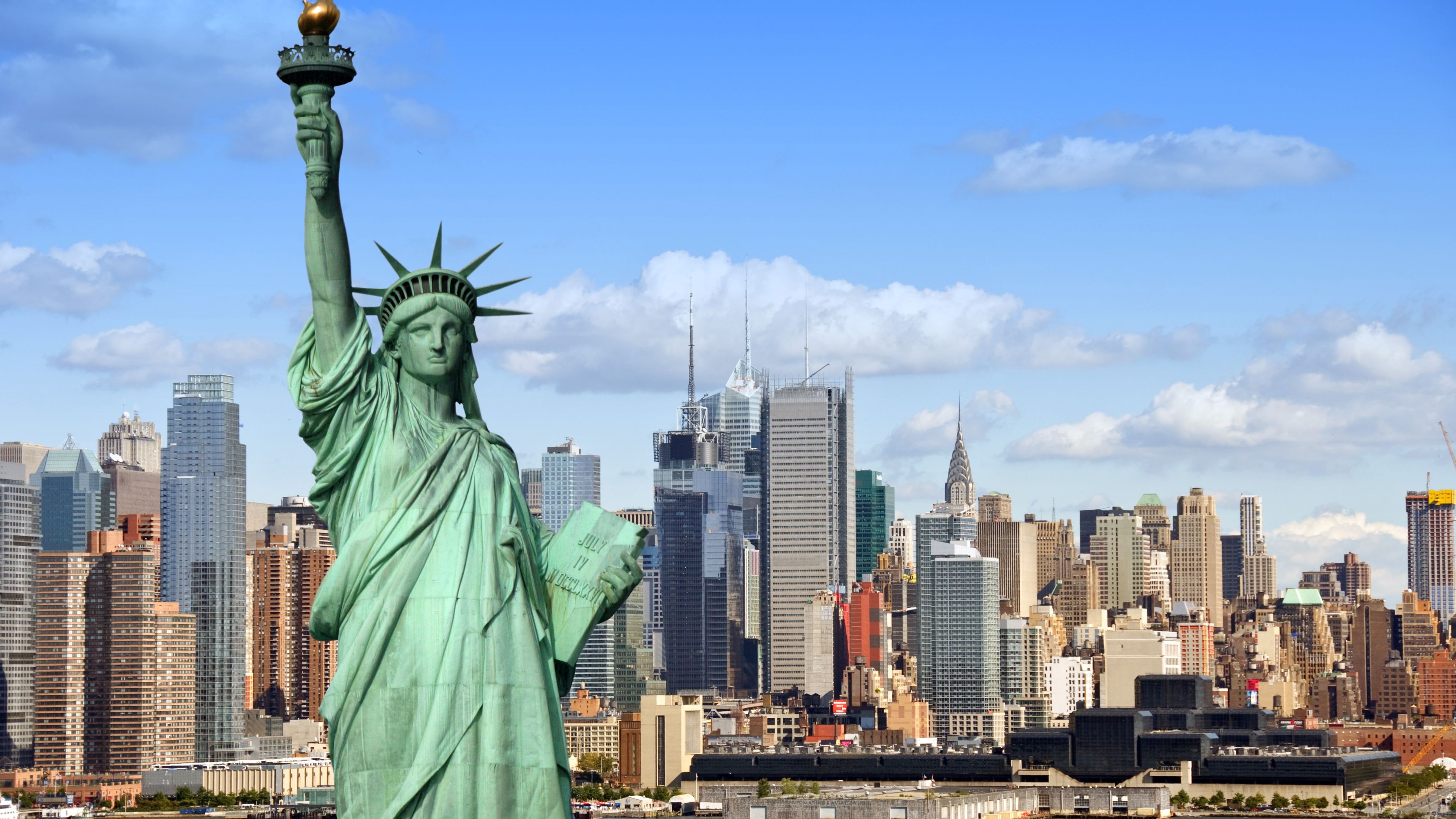
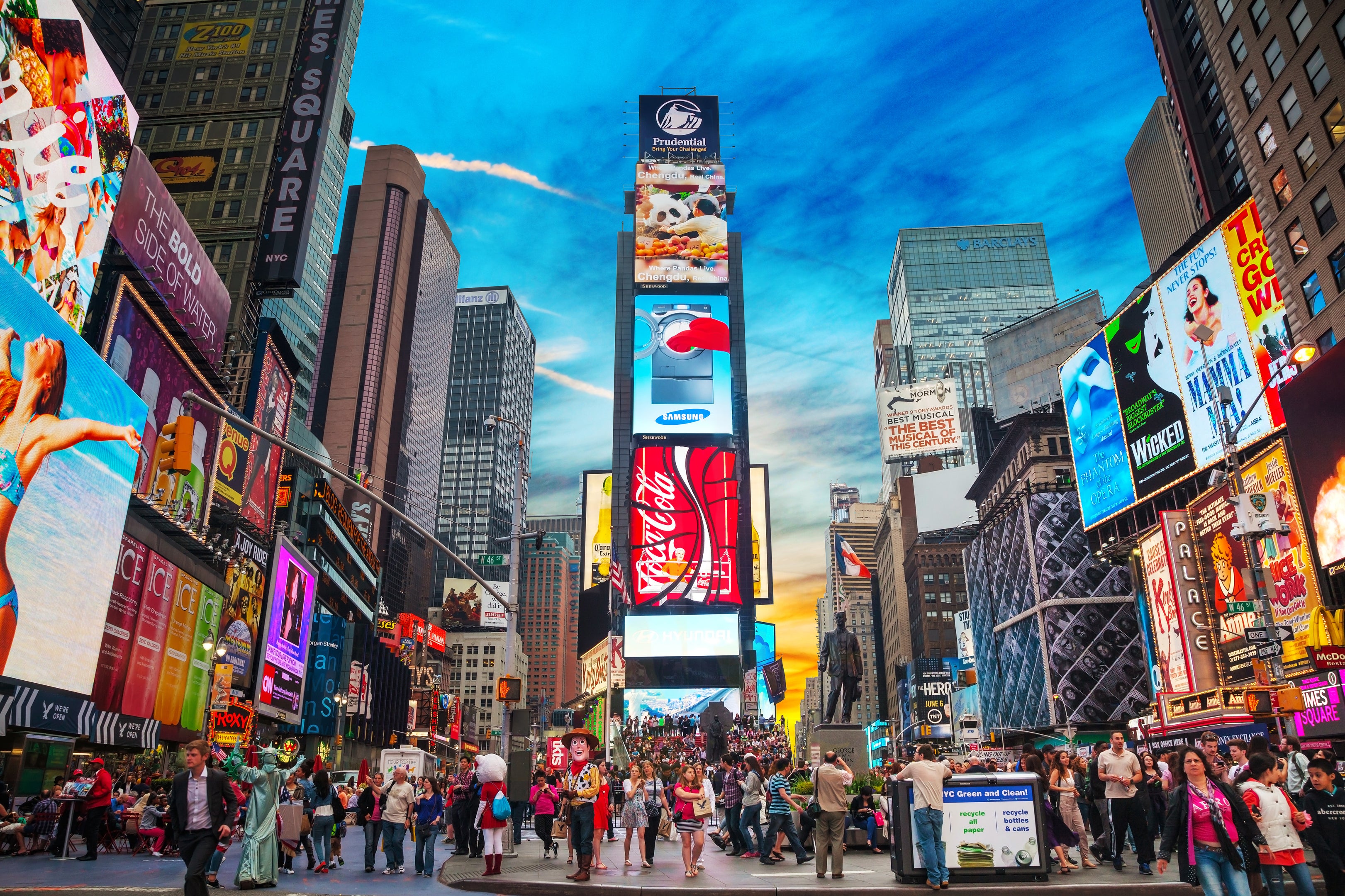
New York City is a magnetic metropolis, drawing millions of visitors each year eager to experience its iconic landmarks and vibrant energy. Tourists flock to Times Square, marvel at the Statue of Liberty, and ascend the Empire State Building. But beyond the postcard-perfect attractions lies a different New York, one lived by the 8 million-plus residents who call this dynamic urban landscape home. What do New Yorkers truly do in their city? It’s a question that delves into the very essence of urban lifestyle, exploring daily routines, hidden gems, and the unique rhythms that define life in one of the world’s greatest cities. This article will unravel the authentic New York experience, moving beyond the transient glance of a visitor to embrace the ingrained habits and cherished local culture that shape the lives of its inhabitants. From the daily commute to weekend escapes, from culinary adventures to cultural immersions, we’ll explore how New Yorkers truly interact with their city, revealing a tapestry of experiences far richer and more nuanced than the typical tourist itinerary.
Navigating the Urban Labyrinth: Commutes and Connectivity
For New Yorkers, the city isn’t just a collection of sights; it’s a meticulously managed ecosystem of commutes, errands, and daily rituals. Understanding how New Yorkers move through their city is fundamental to grasping their lifestyle and connection to their environment. It’s less about sightseeing and more about efficient, often artful, navigation.
The Lifeline of the Subway and Beyond
The MTA subway system is undeniably the circulatory system of New York City. While tourists might use it to hop between major attractions, for New Yorkers, it’s an indispensable tool for commuting to work, meeting friends, and accessing diverse neighborhoods across all five boroughs: Manhattan, Brooklyn, Queens, The Bronx, and Staten Island. The rumble of a subway car, the rush of air as a train approaches, and the momentary pause to consult a map are ingrained parts of the daily routine. It’s a place of quiet observation, reading, or simply tuning out the world with headphones on, a stark contrast to the often bewildered expressions of first-time visitors.
Beyond the subway, New Yorkers utilize an impressive array of transport options. The NYC Ferry offers scenic and practical routes along the Hudson River and East River, connecting waterfront communities and providing breathtaking views usually reserved for pricey tours. Buses fill in the gaps, navigating local streets, while walking remains a primary mode of transit, allowing for serendipitous discoveries and an intimate understanding of neighborhood dynamics. Many New Yorkers also rely on regional rail lines like the Metro-North Railroad and Long Island Rail Road for commutes from surrounding suburbs, highlighting the broader economic footprint of the metropolitan area. The efficient movement of people is a constant testament to the city’s ceaseless energy, allowing for dynamic travel experiences without ever leaving the five boroughs.
Beyond the Beaten Path: Local Hangouts and Green Spaces
While visitors often gravitate towards large, well-known landmarks, New Yorkers cultivate a deeper connection with specific neighborhoods and quieter retreats. A true New Yorker’s itinerary is less about crossing off a list of “must-sees” and more about immersing themselves in the rhythm of their chosen enclaves.
Instead of only visiting Central Park – though many New Yorkers cherish it – residents might frequent their local green spaces. Brooklyn boasts the expansive Prospect Park, a favorite for jogging, picnicking, and community events, or the charming Brooklyn Botanic Garden. In Queens, Flushing Meadows-Corona Park offers vast open spaces, sports facilities, and iconic historical remnants from World’s Fairs past. Smaller, more intimate parks like Washington Square Park in Greenwich Village or Domino Park in Williamsburg serve as essential neighborhood gathering spots, providing respite from the concrete jungle.

Hidden bars, independent bookstores, and local coffee shops are where the true pulse of New York City often lies. A New Yorker might spend a Saturday afternoon browsing records in the Lower East Side, catching an Off-Broadway show, or simply enjoying a quiet meal at their favorite neighborhood eatery. These local haunts offer authentic experiences that transcend the surface-level engagement of tourism, forming the bedrock of daily life. Even seemingly touristy spots like the High Line are enjoyed by locals for a stroll, particularly during off-peak hours, appreciating its unique urban design and views.
A City of Flavors: The New Yorker’s Culinary Journey
Food in New York City is more than sustenance; it’s a cultural cornerstone, a social ritual, and an endless adventure. New Yorkers don’t just eat; they embark on a daily culinary journey that reflects the city’s unparalleled diversity and dynamic food scene.
From Street Food Staples to Global Gastronomy
The classic New York bagel, a street-corner hot dog, or a quintessential pizza slice are not merely snacks; they are woven into the fabric of the city’s identity. For many, breakfast is a quick bagel with cream cheese from a corner deli, perhaps enjoyed on the go during the morning rush. Lunch might be a diverse affair, ranging from a grab-and-go falafel to a more leisurely meal in one of the city’s countless ethnic eateries. The beauty lies in the sheer accessibility and quality of choices, from the renowned street food vendors to the bustling markets.
But the culinary landscape extends far beyond quick bites. New Yorkers explore a world of flavors within their city. Flushing in Queens offers some of the most authentic Chinese cuisine outside of Asia, while Jackson Heights is a melting pot of South Asian and Latin American culinary delights. Arthur Avenue in The Bronx retains its historic charm as a vibrant Little Italy, offering artisanal cheeses, fresh pasta, and traditional Italian meals. Residents often frequent large-scale food markets like Chelsea Market for gourmet groceries or attend seasonal events like Smorgasburg for a taste of the city’s innovative food scene. Dining is an experience, whether it’s an intimate neighborhood bistro or a Michelin-starred restaurant, and New Yorkers are adept at finding both high-end and budget-friendly options. The constant exploration of new restaurants and cuisines is a quintessential part of the New York lifestyle.
The Local Grocery and Coffee Culture
Beyond dining out, the daily act of grocery shopping is a unique New York experience. Living in smaller apartments often means less storage space, leading to more frequent trips to local markets. Chains like Whole Foods Market and Trader Joe’s are popular, but so are independent grocers and specialty stores. Places like Eataly offer an immersive Italian food shopping and dining experience, appealing to both locals seeking gourmet ingredients and visitors looking for a taste of Italy.
Coffee culture, too, is deeply ingrained. Independent coffee shops abound, each with its own character, serving as impromptu offices, meeting spots, or simply a place for a moment of peace before facing the city. New Yorkers often have “their” coffee spot, a personal touchpoint in the bustling urban landscape, reinforcing the sense of community within their immediate neighborhood.
Arts, Culture, and Recreation: Beyond the Tourist Stages
While tourists dutifully visit major museums and attend Broadway shows, New Yorkers engage with the city’s cultural offerings in a more fluid, integrated way, often seeking out lesser-known venues and spontaneous experiences.
The Dynamic Arts Scene: From Galleries to Jazz Clubs
The Metropolitan Museum of Art (The Met), Museum of Modern Art (MoMA), and American Museum of Natural History are undoubtedly world-class institutions. New Yorkers, however, might visit during off-peak hours, utilize annual memberships, or focus on specific exhibitions rather than trying to see everything in one go. They also delve into the city’s smaller, more specialized museums such as the Whitney Museum of American Art, the Guggenheim Museum, the Tenement Museum on the Lower East Side, or even the medieval art and architecture of The Cloisters in Fort Tryon Park. The Museum of the City of New York offers a deep dive into local history and identity.
Broadway is indeed a global phenomenon, but New Yorkers often seek out the vibrancy of Off-Broadway and Off-Off-Broadway productions, which offer more experimental, intimate, and often more affordable theatrical experiences. Live music venues, from historic jazz clubs in Greenwich Village to indie rock stages in Brooklyn, are an integral part of the city’s nightlife. Lincoln Center and Carnegie Hall host world-class classical music and performing arts that residents enjoy throughout the year, often taking advantage of rush tickets or subscription series. Spontaneous pop-up art installations, free outdoor concerts in the summer, and poetry readings are all part of the daily cultural fabric. Even architectural marvels like the New York Public Library serve not just as landmarks but as vital community hubs for learning and reflection.
Active Lifestyle and Urban Escapes
Despite the urban density, New Yorkers embrace an active lifestyle. Running, cycling, and walking are popular ways to stay fit, utilizing the city’s numerous parks and waterfront pathways. Kayaking on the Hudson River, cycling along the Brooklyn Bridge pedestrian path, or taking fitness classes in one of the many specialized studios are common activities.
For a true escape, residents might head to Coney Island for a day at the beach and amusement park in summer, or venture to the Rockaways for surfing. Governors Island, accessible by a short ferry ride, transforms into a car-free oasis with bike paths, art installations, and stunning skyline views, a popular weekend retreat. Even iconic sports venues like Madison Square Garden and Barclays Center are places where locals gather to cheer on their teams, creating a shared sense of community. The diverse recreation options showcase how New York City caters to a myriad of interests beyond just its tourist draw.
The New Yorker’s Home: Accommodation and Daily Life
Understanding the New Yorker’s approach to accommodation and home life provides insight into the practicalities of urban living. Unlike transient visitors who book hotels for short stays, residents navigate the complex world of long-term rentals, co-ops, and condensed living spaces.
From Apartments to Long-Term Stays
For the vast majority of New Yorkers, “home” means an apartment. This often entails ingenious use of space, efficient storage solutions, and a deep appreciation for even small outdoor areas like fire escapes or shared rooftops. The concept of a “long-term stay” for a New Yorker isn’t a vacation; it’s just life. They often live in pre-war buildings with unique historical charm or modern high-rises offering amenities like gyms and doormen. The search for the perfect apartment is a rite of passage, often involving competitive bidding and rapid decision-making, a stark contrast to the leisurely process of choosing a hotel suite or villa for a holiday.
While visitors might splurge on luxury hotels like The Plaza Hotel or The St. Regis New York, New Yorkers often prioritize location, commute time, and neighborhood amenities. The city also features boutique hotels like The Ludlow Hotel or more budget-friendly options such as The Moxy NYC Downtown, which appeal to those seeking a short-term urban experience, but these are not where most New Yorkers reside. The discussion around accommodation for locals revolves around affordability, neighborhood character, and the practicalities of daily living in a vertical city.
The Ever-Evolving Skyline and Neighborhood Identity
New Yorkers are intimately aware of the city’s constant evolution. Construction cranes are a permanent fixture, and neighborhoods transform at a dizzying pace. They witness the rise of new landmarks like Summit One Vanderbilt, Edge NYC, and One World Observatory, which initially attract tourist attention but eventually become part of the city’s new skyline, integrated into the visual landscape of daily life. They remember what came before, and often have strong opinions on new developments.
Each neighborhood has a distinct identity, and New Yorkers often define themselves by their borough and specific block. DUMBO is known for its cobblestone streets and art galleries, Long Island City for its waterfront parks and burgeoning residential towers, Brighton Beach for its vibrant Russian culture, and Chinatown for its bustling markets. These local cultures contribute to the overall richness of the tourism experience when one looks beyond the surface. Understanding these micro-cultures is key to truly understanding the multifaceted New York lifestyle.
Embracing the New York State of Mind
Ultimately, what New Yorkers do in New York is live their lives with an unparalleled sense of purpose and resilience. It’s a city that demands adaptability, an open mind, and a strong sense of self. They embrace the constant change, the ceaseless energy, and the sheer diversity that defines their home.
From a pragmatic approach to travel within the five boroughs, utilizing every mode of transport from the subway to the NYC Ferry, to a discerning palate that navigates the vast culinary landscape from humble street food to global fine dining, New Yorkers are experts in their own city. Their engagement with culture extends beyond famous landmarks like Rockefeller Center or Grand Central Terminal, reaching into the intimate corners of independent galleries, local music venues, and neighborhood parks. They find their moments of peace in Central Park and Prospect Park, pursue fitness at places like Chelsea Piers, and engage in a myriad of activities that form their unique lifestyle.
Living in New York City is a continuous journey of discovery, even for its long-term residents. It’s about finding the hidden park bench, the new favorite coffee shop, the unexpected art exhibition, or the perfect slice of pizza on a Tuesday night. It’s about building a life within a vibrant, ever-changing urban tapestry. While visitors might marvel at the cityscape from observation decks like Top of the Rock, New Yorkers are living and breathing that cityscape every single day, making it their own. They are not merely observers; they are active participants in the grand, chaotic, and utterly captivating spectacle that is New York City. This profound engagement with their surroundings is the true answer to what New Yorkers do in New York – they live it, fully and unapologetically.