
Embarking on a journey through the heart of Texas is to step into a landscape rich with history, vibrant culture, and an enduring spirit of independence. For travelers, history buffs, and those seeking unique cultural experiences, understanding the role and legacy of the Texas Rangers is paramount to truly grasping the essence of the Lone Star State. Far more than just a historical footnote or a character in a Western film, the Texas Rangers are a living institution, deeply woven into the fabric of the state’s identity. From their origins as a frontier defense force to their modern-day role as elite investigators, their story is one of courage, controversy, and an unwavering commitment to justice that has shaped generations. This comprehensive guide, crafted for the discerning traveler, delves into the multifaceted responsibilities of the Texas Rangers, exploring their storied past, their vital present, and how their legacy offers unparalleled travel experiences across Texas.

The Enduring Saga: A Brief History of the Texas Rangers
The narrative of the Texas Rangers is as vast and varied as the Texas landscape itself, a compelling tale of resilience and adaptation. Born out of necessity, this legendary group of lawmen emerged in the early 19th century, predating even the formal establishment of the Texas Republic. Understanding their evolution is key to appreciating their multifaceted roles today.
From Frontier Defenders to State Police
The story of the Texas Rangers officially begins in 1823 when Stephen F. Austin, often called the “Father of Texas,” hired ten men to protect early settlers from Native American raids and banditry along the volatile frontier. This initial, informal force laid the groundwork for what would become one of the most iconic law enforcement agencies in the world. As Texas fought for and won its independence from Mexico, and later joined the United States, the Rangers’ role expanded dramatically. They served with distinction during the Mexican-American War, where their tracking skills and aggressive tactics earned them a formidable, if sometimes fearsome, reputation.
Following the Civil War and the turbulent Reconstruction era, Texas plunged into a period of widespread lawlessness. In response, the Texas Legislature established the Frontier Battalion and the Special Force in 1874, effectively reorganizing the Rangers into a more structured, statewide law enforcement agency. This era cemented their image as rugged, independent lawmen who tamed the Old West, battling outlaws, cattle rustlers, and securing the border. Their methods were often direct and decisive, leading to the popular, albeit exaggerated, motto: “One riot, one Ranger.” This period, though controversial at times due to their involvement in events like the Porvenir Massacre, forged the mythical status that continues to captivate visitors and historians alike.
The early 20th century brought further modernization. In 1935, the Texas Rangers were absorbed into the newly created Texas Department of Public Safety (DPS), a move designed to centralize state law enforcement and bring the Rangers under a more formalized command structure. This transition marked a shift from their purely frontier-policing role to a specialized investigative and tactical unit, a role they continue to fulfill today.
Famous Encounters and Legendary Feats
The annals of Texas Ranger history are filled with legendary figures and dramatic confrontations that have inspired countless books, films, and tales. From tracking down notorious outlaws like John Wesley Hardin to engaging in fierce gunfights, their exploits became the stuff of legend. These stories often highlight individual bravery, an intimate knowledge of the Texas wilderness, and an unyielding pursuit of justice, even against overwhelming odds.
Perhaps one of their most famous modern-era cases involved the tracking and killing of outlaws Bonnie and Clyde in 1934. Ranger Captain Frank Hamer led the six-man posse that ambushed and killed the notorious duo, effectively ending their crime spree that had terrorized the Midwest. Such events illustrate the Rangers’ deep involvement in major criminal investigations that transcended local jurisdictions, showcasing their unique abilities and determination.
Another significant, though often somber, chapter in their history involves their role during the 1993 siege of the Branch Davidian compound in Waco. As part of the DPS, Rangers were crucial in the forensic investigation that followed, meticulously documenting the scene and providing vital evidence. These events, though complex and emotionally charged, underscore the Rangers’ enduring involvement in critical state-level incidents, from historical gunfights to modern-day crises. For travelers interested in these historical accounts, visiting sites like the Ranger Hall of Fame and Museum in Waco provides an invaluable opportunity to connect with these powerful narratives.
The Modern Texas Ranger: Guardians of the Lone Star State Today
While the romantic image of the mounted Ranger riding across the plains persists in popular culture, the reality of the modern Texas Ranger is one of highly specialized, technologically adept law enforcement. Their duties are critical and diverse, ensuring the safety and security of Texas citizens in an ever-evolving world.
Key Responsibilities and Elite Operations
Today, the Texas Rangers operate as the elite investigative arm of the Texas Department of Public Safety. Their primary responsibilities are far-reaching and impactful:
- Major Crime Investigations: Rangers are often called upon to investigate serious crimes, including murder, kidnapping, corruption, and serial offenses, especially when such cases cross county lines or require an unbiased external agency. They bring extensive experience and resources to complex investigations that local law enforcement agencies may lack.
- Public Corruption: They play a crucial role in investigating allegations of public corruption, ensuring accountability and integrity within government bodies across the state.
- Border Security: Given Texas’s extensive border with Mexico, Rangers are deeply involved in border security operations, combating drug trafficking, human smuggling, and organized crime along the Rio Grande and other strategic points. This involves both overt patrols and covert intelligence gathering.
- Officer-Involved Shootings: To maintain transparency and impartiality, the Texas Rangers frequently lead investigations into officer-involved shootings for other law enforcement agencies throughout the state.
- Tracking Fugitives: The traditional Ranger skill of tracking remains relevant, as they are still tasked with locating and apprehending dangerous fugitives, often leveraging advanced technologies alongside time-honored methods.
- Special Operations: Rangers provide tactical support and specialized assistance to other law enforcement entities, particularly in hostage situations, barricaded subjects, and major civil disturbances, embodying the “one riot, one Ranger” spirit in a modern context.
- Protection Details: They are also responsible for protecting the Governor of Texas and other state officials, a role that demands exceptional professionalism and vigilance.
These roles underscore that the Texas Rangers are not merely historical figures, but active, vital components of Texas’s security infrastructure, tackling the most challenging and sensitive cases facing the state.
Recruitment and Training: Upholding a Legacy
Becoming a Texas Ranger is a highly competitive and rigorous process, reflecting the elite nature of the force. Candidates must first serve as commissioned officers within the Texas Department of Public Safety, typically with many years of experience in various roles, including highway patrol and criminal investigation. This ensures that every Ranger brings a wealth of practical knowledge and a proven track record to the unit.
The selection process for the Texas Ranger Division is exhaustive, evaluating not only physical prowess and investigative acumen but also character, judgment, and dedication. They undergo specialized training that emphasizes advanced investigative techniques, forensic science, tactical operations, and crisis management. This comprehensive preparation ensures that each Ranger is equipped with the diverse skill set necessary to handle the complex and often high-stakes situations they encounter.
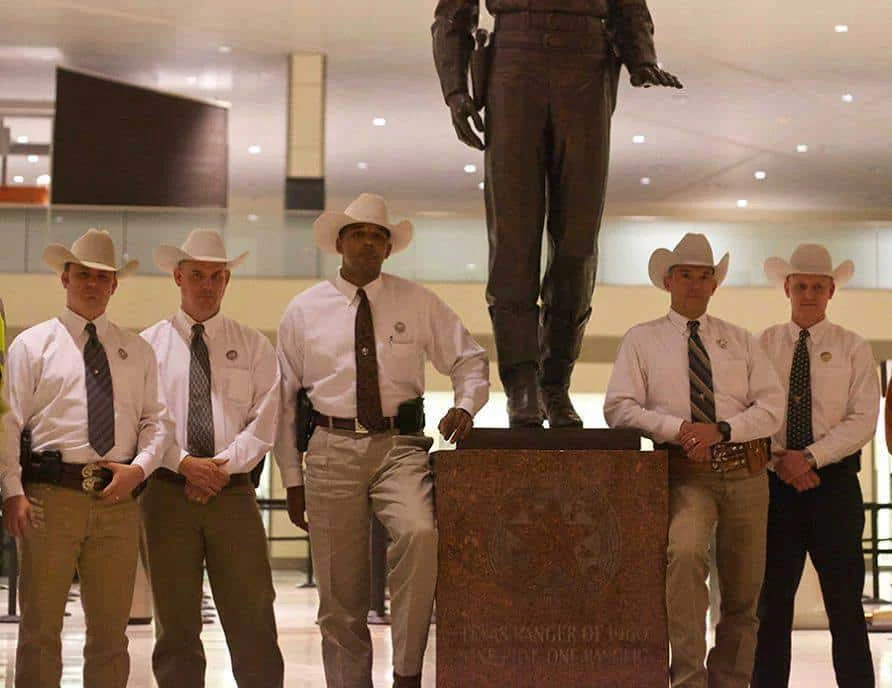
The small size of the Texas Ranger Division—typically fewer than 150 commissioned officers—further emphasizes its exclusivity and the profound trust placed in its members. This small, highly skilled force is distributed across six companies throughout the state, ensuring that their expertise can be rapidly deployed wherever and whenever it is needed, upholding a legacy of efficiency and impact that dates back to their frontier origins.
Experiencing the Ranger Legacy: Travel and Tourism in Texas
For those planning a trip to Texas, delving into the world of the Texas Rangers offers a unique and enriching travel experience. It’s an opportunity to connect with the state’s rugged past, understand its present, and explore fascinating landmarks and cultural touchstones.
Must-Visit Museums and Historical Sites
No Ranger-themed itinerary would be complete without visiting the premier destination for their history: the Texas Ranger Hall of Fame and Museum in Waco. This extensive facility is a treasure trove of artifacts, exhibits, and stories, detailing the Rangers’ journey from early frontier days to their modern role. Visitors can see historic firearms, badges, uniforms, and learn about famous Rangers and their exploits. The museum also provides a balanced perspective, acknowledging both the heroic and controversial aspects of their past, making it an essential stop for a deep dive into Texas history and culture.
Beyond Waco, several other sites across the Lone Star State offer glimpses into the Ranger story:
- The Alamo and San Antonio: While primarily known for the pivotal battle, San Antonio was a crucial staging ground for early Ranger operations. The city’s rich history, beautiful San Antonio River Walk, and numerous missions provide context for the era in which the Rangers first rose to prominence.
- Fort Davis National Historic Site: Located in the remote, majestic Davis Mountains of West Texas, this well-preserved frontier military post often housed Rangers working to protect settlers and secure the region. Exploring the barracks, officer’s quarters, and parade ground offers a tangible sense of frontier life and the challenges faced by those tasked with maintaining order. The scenic drives and proximity to Big Bend National Park make this an ideal stop for nature and history enthusiasts.
- Austin: As the state capital, Austin has always been central to Texas governance and law enforcement. The Bullock Texas State History Museum in Austin offers excellent exhibits on Texas history, including sections dedicated to the Rangers and their impact on the state. Visitors can also see the magnificent State Capitol building, where many laws affecting the Rangers were debated and passed.
- Fort Worth Stockyards National Historic District: This vibrant district in Fort Worth transports visitors back to the Old West era, a time when Rangers were indispensable for maintaining order in bustling cattle towns. Experience cattle drives, rodeos, and the general atmosphere that required the presence of lawmen like the Rangers.
- Palo Duro Canyon State Park: While not a direct Ranger site, this stunning natural landmark in the Texas Panhandle was a significant area of conflict during the frontier period, where Rangers often operated. Exploring its breathtaking vistas helps to visualize the vast, untamed territories the early Rangers patrolled.
Beyond the Badge: The Rangers in Popular Culture and Texas Identity
The enduring appeal of the Texas Rangers extends far beyond historical sites. They are deeply embedded in the state’s cultural identity and popular imagination. From novels like Larry McMurtry’s “Lonesome Dove” to countless Western films and television shows, the image of the stoic, resolute Texas Ranger has captivated audiences worldwide. This cultural omnipresence has helped to shape perceptions of Texas as a place of rugged individualism, courage, and a strong sense of justice.
For travelers, engaging with this aspect of Ranger culture can involve:
- Attending a Rodeo or Livestock Show: Events like the Houston Livestock Show and Rodeo celebrate cowboy culture and the heritage of the Old West that the Rangers helped define.
- Visiting a Honky Tonk: Places like Gruene Hall in the Texas Hill Country offer an authentic Texas experience, where music and dance tell stories of the land and its people, including often heroic narratives of law and order.
- Exploring Local Cuisine: Food experiences in Texas, from hearty BBQ to spicy Tex-Mex, are deeply connected to the frontier lifestyle and reflect the diverse influences that shaped the state, much like the Rangers themselves.
Understanding the Texas Rangers is to understand a significant part of the Texas identity—a blend of frontier grit, independent spirit, and a commitment to upholding the law. Their story provides a powerful lens through which to explore the history, culture, and natural beauty of the Lone Star State.
Planning Your Ranger-Inspired Texas Adventure
Crafting a travel itinerary that pays homage to the Texas Rangers can lead to an unforgettable adventure, blending history, culture, and unique Texas experiences. Whether you’re interested in luxury travel, a budget-friendly family trip, or a solo exploration, Texas offers myriad ways to immerse yourself in this iconic legacy.
Where to Stay: Accommodations for Every Traveler
Texas boasts a vast array of accommodations, from historic hotels that harken back to the Rangers’ heyday to modern resorts offering every amenity. When planning your Ranger-themed journey, consider staying in locations that offer both comfort and proximity to key historical sites.
- Austin & San Antonio – Historic Luxury: For those seeking a blend of history and luxury, Austin and San Antonio offer exceptional choices. In Austin, the Driskill Hotel, an iconic landmark, has hosted everyone from cowboys to presidents since 1886, echoing the grandeur of an earlier Texas. Modern luxury is available at the Four Seasons Hotel Austin or the trendy Kimpton Hotel Van Zandt. In San Antonio, the Hotel Emma, housed in a former 19th-century brewhouse, offers a unique blend of industrial chic and sophisticated comfort, perfectly situated near the Pearl Brewery district and not far from The Alamo. For a family-friendly resort experience, the JW Marriott San Antonio Hill Country Resort & Spa provides expansive amenities and a taste of the Texas Hill Country.
- Dallas & Houston – Urban Exploration: In the bustling metropolises of Dallas and Houston, you’ll find a wide range of hotels, from business-oriented suites to opulent resorts. The Omni Dallas Hotel and Hyatt Regency Dallas offer convenient access to downtown attractions, including museums and historical sites that touch upon Texas’s growth and the Rangers’ evolving role. In Houston, the Houstonian Hotel, Club & Spa provides a tranquil escape within the city, while the Hotel Granduca Houston offers European-inspired elegance.
- Waco – Direct Access: For a focused trip to the Ranger Hall of Fame and Museum, Waco offers comfortable hotels and local guesthouses. While not as grand as city options, they provide convenient access to this essential Ranger landmark.
- Budget Travel & Unique Stays: For budget-conscious travelers or those seeking a more rustic experience, consider opting for local motels, vacation rentals, or even camping in one of Texas’s many state parks, especially near Fort Davis National Historic Site or Palo Duro Canyon State Park. This allows you to experience the vastness of the land the Rangers once patrolled.

Embracing the Spirit of the Old West
Beyond the formal attractions, embracing the spirit of the Texas Rangers is about experiencing the broader culture of Texas. This includes:
- Culinary Adventures: Sample authentic Texas BBQ, savor sizzling Tex-Mex cuisine, and enjoy a cold Shiner Bock. These culinary traditions are deeply rooted in the state’s history and represent the diverse influences that shaped its identity.
- Outdoor Activities: Explore the sprawling national and state parks, from the rugged mountains of Big Bend National Park and Guadalupe Mountains National Park to the stunning canyons of Palo Duro Canyon State Park. Hiking, horseback riding, and stargazing allow you to connect with the natural environment that challenged and defined the early Rangers.
- Local Culture and Events: Attend a small-town rodeo, visit a local dance hall like Gruene Hall, or explore the art and music scenes in cities like Austin and Dallas. These experiences offer insights into the contemporary Texas lifestyle, which still carries echoes of its frontier past.
- Road Trips: Texas is a state built for road trips. Driving through the Texas Hill Country, visiting charming towns like Fredericksburg, or exploring the vast West Texas plains, gives you a sense of the scale and diversity of the land that the Rangers protected. Stop at historical markers and learn about local stories of courage and conflict.
In conclusion, understanding “What Do Texas Rangers Do?” is to embark on a journey through the very heart of Texas. From their legendary origins to their vital modern-day roles, the Texas Rangers symbolize the state’s fierce independence, its complex history, and its enduring spirit of justice. For travelers, exploring their legacy offers not just a historical lesson, but a rich tapestry of destinations, attractions, and experiences that reveal the soul of the Lone Star State. So pack your bags, prepare for an adventure, and discover the legend that is the Texas Rangers.