
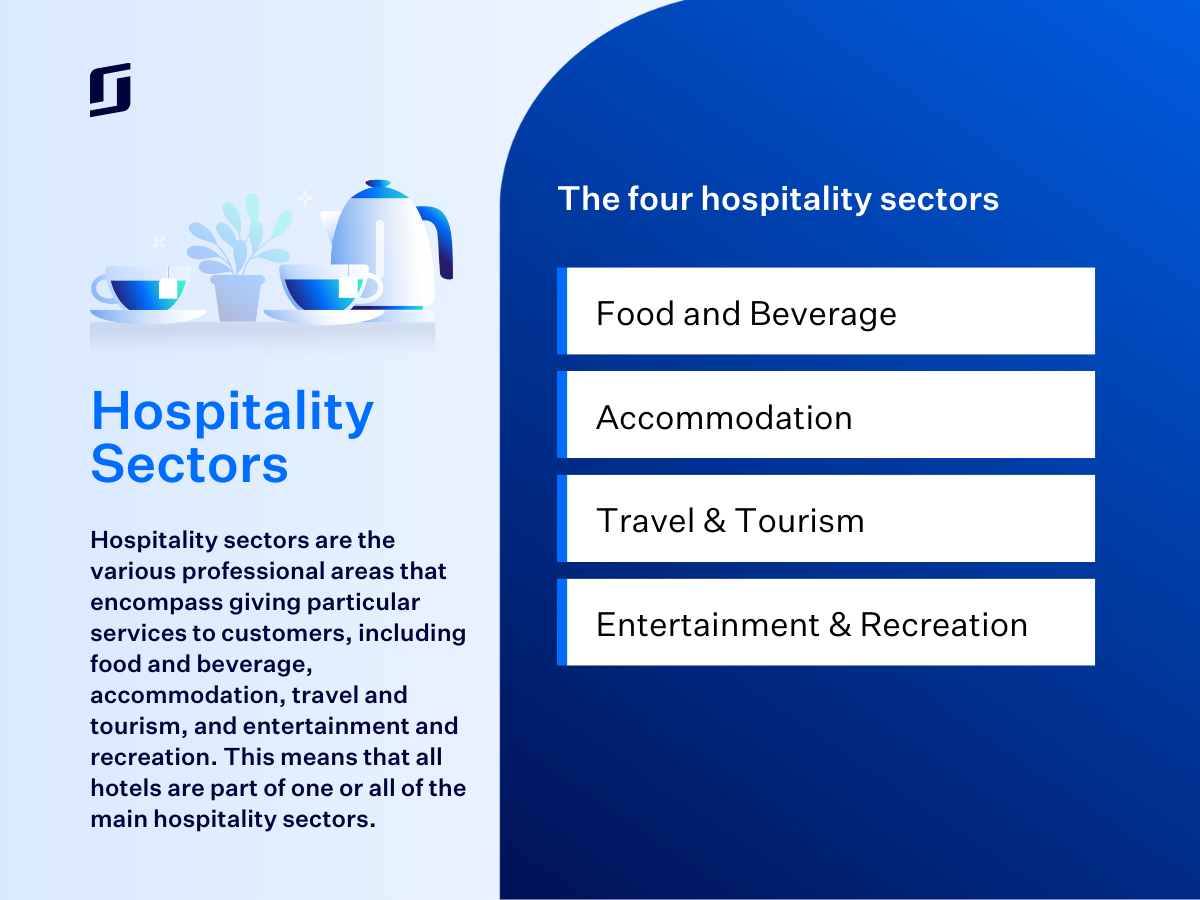
The hotel industry is far more than just a place to sleep; it’s a dynamic, multifaceted global powerhouse that underpins the entire travel and tourism ecosystem. From luxurious suites to budget-friendly hostels, and sprawling resorts to intimate boutique stays, it encompasses a vast array of accommodations designed to cater to every conceivable traveler and purpose. This industry isn’t merely about providing shelter; it’s about crafting experiences, fostering connections, and serving as the foundational pillar for exploration, relaxation, and business across the globe. Understanding the hotel industry means appreciating its crucial role in economic development, cultural exchange, and personal well-being, influencing everything from local economies to global travel trends.
At its core, the hotel industry is driven by hospitality – the art of making guests feel welcome and cared for. This ethos permeates every aspect, from the grandeur of a five-star property in Paris to the rustic charm of an eco-lodge nestled in Yosemite National Park. It’s an industry constantly evolving, adapting to technological advancements, shifting consumer preferences, and global events. For anyone interested in travel, tourism, or simply the intricate workings of a service-oriented sector, delving into the nuances of the hotel industry offers a fascinating journey.

The Diverse Landscape of Hotel Accommodations
The sheer variety of accommodation options available today is a testament to the hotel industry’s adaptability and commitment to meeting diverse traveler needs. Gone are the days when a “hotel” simply meant a standardized room with a bed and a bathroom. Today, the choices are boundless, each offering a unique proposition and catering to different aspects of travel and lifestyle.
Beyond the Traditional Hotel Room: A Spectrum of Choices
The spectrum of accommodations stretches from the traditional hotel to innovative, experience-driven stays, each designed with specific guest profiles in mind.
Hotels: These remain the backbone of the industry, further segmented by service level and target market.
- Full-service hotels offer a comprehensive range of amenities, including multiple dining options, concierge services, fitness centers, and often meeting and event spaces. This category includes luxury hotels, such as the iconic Ritz-Carlton, known for their impeccable service and opulent settings, and business hotels, which prioritize convenience, connectivity, and executive facilities. Boutique hotels, while often full-service, distinguish themselves through unique design, personalized service, and a strong local identity, offering a more intimate and curated experience.
- Limited-service hotels provide essential amenities at a more affordable price point. Brands like Holiday Inn Express focus on providing comfortable rooms, complimentary breakfast, and basic business services without the extensive F&B or event facilities of their full-service counterparts. This segment also includes extended-stay hotels, designed for travelers needing accommodation for several nights, weeks, or even months, often featuring kitchenettes and separate living areas.
Resorts: When the destination itself is the experience, resorts come into play. These properties are typically larger, self-contained complexes offering a wide array of recreational activities, entertainment, and dining options on-site.
- Beach resorts in places like Phuket, Thailand or the Maldives are famed for their stunning natural settings, water sports, and relaxation.
- Ski resorts offer access to mountain slopes, equipment rentals, and après-ski entertainment in locations like the Alps in Switzerland, particularly around destinations like Zermatt, home to the magnificent Matterhorn.
- All-inclusive resorts, exemplified by brands like Club Med and Sandals Resorts in the Caribbean, bundle accommodation, meals, drinks, and many activities into a single upfront price, providing a hassle-free vacation experience. Resorts in vibrant cities like Las Vegas, such as the Venetian Resort, combine luxury stays with world-class entertainment, casinos, and expansive convention centers.
Apartments & Villas: For those seeking more space, privacy, or a home-away-from-home feel, these options are increasingly popular.
- Serviced apartments, like those offered by Marriott Executive Apartments, combine apartment-style living with hotel services, ideal for business travelers or long-term stays.
- Vacation rentals, facilitated by platforms like Airbnb, allow individuals to rent out their homes or spare rooms, offering a more localized and often cost-effective alternative to traditional hotels, particularly for families or groups. Villas provide an exclusive, often luxurious, retreat, perfect for private getaways.
Specialty Accommodations: Beyond these major categories, the industry continually innovates with niche offerings:
- Boutique hotels, often independently owned, focus on unique themes, design, and hyper-personalized service, like the trendy Ace Hotel chain.
- Eco-lodges prioritize sustainability and immersive nature experiences.
- Glamping (glamorous camping) offers outdoor adventures with the comforts of a hotel.
- Hostels cater to budget travelers and backpackers, fostering social interaction through shared dormitories and common areas, often booked via platforms like Hostelworld.
- Even culturally specific accommodations like the traditional Ryokan in Kyoto, Japan, represent a unique facet of the global hospitality landscape.
The Art of Booking and Informed Choices
Navigating this vast landscape requires travelers to be savvy in their booking decisions, leveraging various tools and resources to find the perfect stay. The digital age has revolutionized how accommodations are researched, compared, and reserved.
- Booking Channels: Travelers have multiple avenues for booking. Online Travel Agencies (OTAs) such as Kayak and Expedia aggregate listings from numerous properties, allowing for easy comparison of prices and features. However, booking direct with the hotel or resort can often offer benefits like loyalty points, exclusive packages, or better flexibility. Loyalty programs from major chains like Marriott International and Hilton Worldwide reward frequent guests with perks, upgrades, and free nights, fostering brand loyalty.
- Reviews and Reputation: In an era of abundant choice, online reviews have become indispensable. Platforms like TripAdvisor and Google Reviews provide real-world insights from past guests, covering everything from cleanliness and service quality to location advantages and specific amenities. These user-generated testimonials significantly influence booking decisions, making reputation management a critical component for hotels.
- Comparison and Value: Smart travelers utilize comparison websites and tools to ensure they are getting the best value. This goes beyond just price, often considering what’s included in the rate, cancellation policies, and the overall guest experience.
- Long-term Stay Considerations: For those needing extended accommodation, such as corporate relocations, project-based work, or temporary housing, the hotel industry provides specialized solutions. Extended-stay hotels and serviced apartments offer cost-effective rates for longer durations, along with amenities like in-room kitchens and laundry facilities that cater specifically to the needs of long-term residents, providing a comfortable and convenient alternative to traditional renting.
The Hotel Industry’s Role in Travel and Tourism
The hotel industry is inextricably linked with travel and tourism, acting as both a catalyst and a beneficiary. It doesn’t just respond to travel demands; it actively shapes destinations, enriches experiences, and supports a multitude of travel lifestyles. Without a robust accommodation infrastructure, much of global tourism would simply not be possible.
Driving Destinations and Experiences
Hotels are more than just places to stay; they are integral components of a destination’s appeal and functionality, enhancing the overall travel experience.
- Facilitating Travel: At its most fundamental, the hotel industry provides the essential base for all forms of travel. Whether it’s a quick business trip to New York City, a leisure vacation to a historical city in Europe, or an adventurous expedition to the wildlands of Africa, hotels offer the comfort and security necessary for travelers to rest, regroup, and prepare for their activities.
- Destination Magnets: Hotels frequently become attractions in themselves. Iconic properties like the Burj Khalifa in Dubai, which houses a luxury hotel, draw visitors not just for accommodation but for their architectural marvel and prestige. Similarly, grand hotels often define the skyline and character of major cities. The industry also plays a significant role in developing emerging destinations, with new hotel developments often preceding or accompanying the rise in tourist interest.
- Proximity to Landmarks and Attractions: A key aspect of hotel choice is often its proximity to famous places. Tourists visiting Paris will often seek hotels with views of the Eiffel Tower, while those exploring New York City might prioritize being near the Statue of Liberty or Central Park. Hotels strategically locate themselves to offer convenient access to these cultural, historical, and natural landmarks, making it easier for guests to immerse themselves in the local offerings.
- Guides and Curated Experiences: Hotel concierges and staff often serve as invaluable local guides, offering personalized recommendations for dining, activities, and hidden gems. Many hotels now go a step further, curating unique experiences for their guests, from cooking classes focused on local cuisine to guided tours of historical sites or adventure excursions. This focus on experiential travel significantly enhances the value proposition of a hotel stay, transforming it from mere lodging into an integral part of the travel adventure.
Catering to Diverse Lifestyles and Travel Purposes
The hotel industry’s success lies in its ability to adapt and specialize, catering to the myriad reasons people travel and the diverse lifestyles they embody. This segmentation ensures that every traveler, regardless of their budget, purpose, or preferences, can find an appropriate and satisfying accommodation option.
- Luxury Travel: For the discerning traveler, the industry offers unparalleled opulence and bespoke services. Brands like Four Seasons Hotels and Resorts and St. Regis exemplify luxury, providing exquisite accommodations, gourmet dining, private butler service, and exclusive amenities designed to create unforgettable, indulgent experiences. This segment often focuses on high-end retreats, wellness programs, and unique cultural immersions.
- Budget Travel: At the opposite end of the spectrum, the industry provides numerous options for budget-conscious travelers. Beyond hostels, chains like Motel 6 offer clean, basic accommodations at competitive prices, proving that comfortable and secure lodging doesn’t have to break the bank. This segment prioritizes functionality and cost-effectiveness, appealing to backpackers, road trippers, and those who prefer to allocate their travel funds to experiences rather than extravagant stays.
- Family Trips: Traveling with family, especially with children, requires specific amenities and services. Many hotels and resorts, including themed properties like Disney Resorts, specialize in family-friendly accommodations, offering larger suites, kids’ clubs, swimming pools, recreational activities, and dining options that cater to all ages. These properties aim to provide a stress-free and entertaining environment for families to create lasting memories.
- Business Stays: The corporate traveler forms a significant segment of the hotel market. Hotels catering to business stays prioritize efficiency, connectivity, and convenience. This includes features like high-speed internet, dedicated workspaces, meeting and conference facilities, executive lounges, and streamlined check-in/check-out processes. Major chains such as Hilton Worldwide and Marriott International have extensive portfolios designed specifically for business travelers, offering consistency and reliability across their global networks, from North America to Asia.
- Tourism and Local Immersion: Beyond just accommodation, hotels contribute significantly to the broader tourism experience. Many properties actively promote local culture by showcasing indigenous art, incorporating traditional architectural elements, and offering insights into the history and heritage of the region. Dining establishments within hotels often highlight local food and culinary traditions, allowing guests to savor authentic flavors. Furthermore, hotel staff often provide invaluable tips on local activities, transportation, and etiquette, helping guests navigate their surroundings and engage more deeply with the destination, whether it’s the bustling markets of Asia or the serene landscapes of South America.
Evolution and Future of the Hotel Industry
The hotel industry is not static; it’s a constantly evolving entity, shaped by technological breakthroughs, societal shifts, and global events. Its ability to adapt and innovate has been key to its resilience and continued growth.
Adapting to Modern Demands
The modern traveler has higher expectations than ever before, driving hotels to integrate cutting-edge solutions and rethink their operational models.
- Technology Integration: The digital revolution has profoundly impacted how hotels operate and interact with guests. Mobile check-in and keyless entry systems are becoming standard, offering convenience and efficiency. Smart rooms allow guests to control lighting, temperature, and entertainment through voice commands or personal devices. AI concierges and chatbots provide instant answers to queries, while sophisticated data analytics help hotels personalize guest experiences, anticipate needs, and optimize pricing strategies. The adoption of virtual reality (VR) and augmented reality (AR) for virtual tours and in-room experiences is also on the horizon.
- Sustainability and Responsible Tourism: Growing environmental awareness among travelers and operators alike has made sustainability a cornerstone of modern hotel operations. Many hotels are implementing green initiatives, such as energy-efficient lighting, water conservation programs, waste reduction strategies, and sourcing local, organic produce. The rise of eco-tourism has also led to the development of hotels designed to minimize their ecological footprint while offering immersive nature experiences, from the rainforests of South America to the pristine beaches of the Mediterranean.
- Health and Safety: The recent global health crises underscored the critical importance of robust health and safety protocols. Hotels worldwide implemented stringent cleaning regimes, social distancing measures, and contactless services to ensure guest and staff well-being. These elevated standards are likely to remain, shaping guest expectations and operational procedures for the foreseeable future, emphasizing hygiene and guest confidence.
- Personalization: Today’s traveler seeks unique and tailored experiences. Hotels are leveraging technology and data to offer highly personalized guest experiences, from pre-arrival communications based on past preferences to customized room settings and activity recommendations. The goal is to move beyond generic service to anticipate and fulfill individual desires, creating a deeper connection with the guest.
The Human Touch in a Digital Age
Despite the rapid advancements in technology, the essence of hospitality remains the human element. The hotel industry is a service industry, and ultimately, the quality of interaction and care provided by staff defines a guest’s experience.
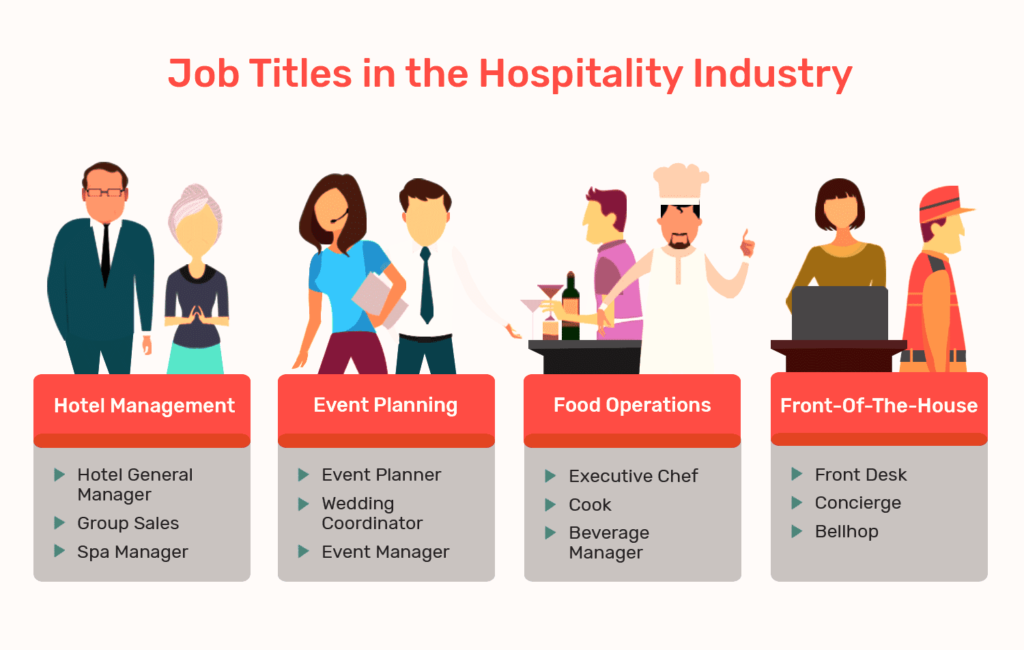
- Importance of Service Excellence: Technology can streamline processes, but it cannot replace genuine warmth, empathy, and personalized attention. Service excellence remains paramount. From the front desk greeting to the housekeeping staff, every interaction contributes to the guest’s perception of their stay. Hotels invest heavily in staff training to ensure high standards of professionalism, attentiveness, and problem-solving skills.
- Role of Staff in Creating Memorable Experiences: The human touch is what transforms a good stay into a memorable one. A concierge who remembers a guest’s favorite restaurant, a housekeeper who leaves a thoughtful note, or a server who anticipates a need – these moments of genuine hospitality create lasting impressions. Staff are often the ambassadors of the local culture and the brand itself, bringing personality and authenticity to the guest journey. For instance, the renowned service quality of a Mandarin Oriental hotel is built as much on its attentive staff as it is on its luxurious decor.
- Balancing Technology with Genuine Hospitality: The challenge and opportunity for the future lie in finding the right balance between technological efficiency and human connection. Technology should enhance, not replace, hospitality. It should free up staff from repetitive tasks, allowing them more time to engage with guests, anticipate their needs, and deliver personalized service. The most successful hotels will be those that seamlessly integrate smart solutions while preserving and elevating the irreplaceable value of human interaction and heartfelt care.
The hotel industry, in its entirety, is a fascinating blend of global reach and local charm, high-tech innovation and timeless human connection. It continues to be a crucial sector, providing comfort, opportunity, and endless possibilities for discovery and experience to millions across the globe.
LifeOutOfTheBox is a participant in the Amazon Services LLC Associates Program, an affiliate advertising program designed to provide a means for sites to earn advertising fees by advertising and linking to Amazon.com. Amazon, the Amazon logo, AmazonSupply, and the AmazonSupply logo are trademarks of Amazon.com, Inc. or its affiliates. As an Amazon Associate we earn affiliate commissions from qualifying purchases.