
For anyone planning a trip to the Sunshine State, whether for a relaxing beach getaway in Miami, an adventurous exploration of Everglades National Park, or a magical family vacation at Walt Disney World, understanding the intricacies of travel documentation is paramount. While passports are essential for international journeys, domestic travel within the United States has seen significant changes, primarily due to the introduction of the REAL ID Act. This federal mandate has redefined what constitutes an acceptable form of identification for boarding federally regulated flights and accessing federal facilities. For residents and frequent visitors to Florida, knowing “what does a Florida REAL ID look like?” isn’t just a matter of curiosity; it’s a vital piece of information for seamless travel and access.
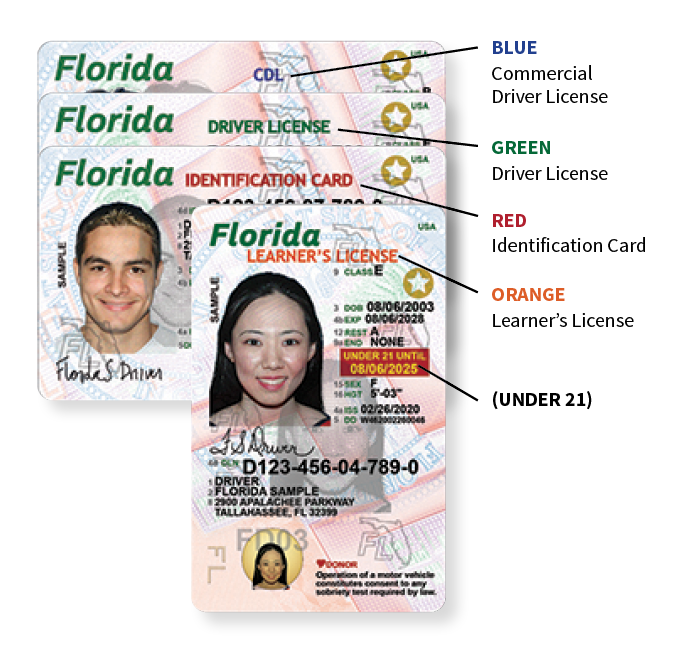
Beyond simply serving as a driver’s license, the Florida REAL ID is designed to enhance security and streamline the identification process at airports. Its unique visual characteristics distinguish it from standard licenses, signaling to authorities that the holder has met more stringent verification requirements. For travelers, this translates directly into a smoother experience at Transportation Security Administration (TSA) checkpoints, eliminating potential delays or the need for alternative forms of identification. This article will delve into the visual attributes of a Florida REAL ID, explain its significance for your travel plans, guide you through the application process, and offer essential tips to ensure your next adventure, whether it’s to the bustling streets of Orlando or the serene Gulf Coast, is as hassle-free as possible. Understanding your identification is the first step to unlocking the myriad attractions and experiences that Florida has to offer.
Understanding the REAL ID Act and Its Impact on Travel
The landscape of domestic travel in the United States underwent a significant transformation following the passage of the REAL ID Act in 2005. This federal law, enacted by Congress on the recommendation of the 9/11 Commission, established minimum security standards for state-issued driver’s licenses and identification cards. Its primary objective was to prevent terrorists and criminals from obtaining identification documents that could be used for illicit purposes, thereby enhancing national security. For the everyday traveler, this means that not all state-issued IDs are created equal when it comes to boarding domestic flights or entering certain federal facilities.
What is REAL ID?
At its core, a REAL ID is a driver’s license or identification card that meets specific security standards set by the Department of Homeland Security. These standards involve more rigorous identity verification processes, requiring applicants to provide several documents proving their identity, lawful status, date of birth, Social Security number, and two proofs of residency. Once issued, these cards incorporate enhanced security features designed to deter counterfeiting and tampering. The most distinguishing visual characteristic of a compliant REAL ID is a gold star or circle with a star in the upper right-hand corner of the card. This star serves as a quick visual indicator for TSA officers and other federal personnel, confirming that the card meets federal requirements. States that are compliant with the REAL ID Act issue these star-marked cards, while non-compliant states may have their residents face stricter identification requirements for federal purposes.
Why is it Important for Florida Travelers?
For those traveling to, from, or within Florida, understanding the REAL ID Act is crucial. While Florida has been a compliant state since 2010, ensuring your ID meets the REAL ID standards prevents unnecessary complications at airports. The federal enforcement deadline means that without a REAL ID compliant driver’s license or state ID, or another acceptable form of identification like a U.S. passport, permanent resident card, or military ID, you will not be able to board a domestic flight. This directly impacts your travel plans, potentially causing missed flights and disruptions to your eagerly anticipated Florida vacation.
Imagine you’ve booked a stay at a luxurious Miami Beach resort, or perhaps a charming villa near St. Augustine’s historic district. The last thing you want is to be turned away at the airport because your ID doesn’t meet federal guidelines. A Florida REAL ID ensures a smooth transition through airport security, allowing you to focus on enjoying the vibrant culture, stunning natural beauty, and world-class attractions that make Florida a premier travel destination. It’s an essential piece of your travel toolkit, as vital as your hotel booking confirmation or your itinerary for exploring Kennedy Space Center Visitor Complex.
The Visual Elements of a Florida REAL ID
Beyond its functional importance, the visual appearance of a Florida REAL ID is designed with both user identification and security in mind. Knowing what to look for can help you quickly confirm if your card is compliant and understand the sophisticated measures taken to protect your identity.
Key Features and Design
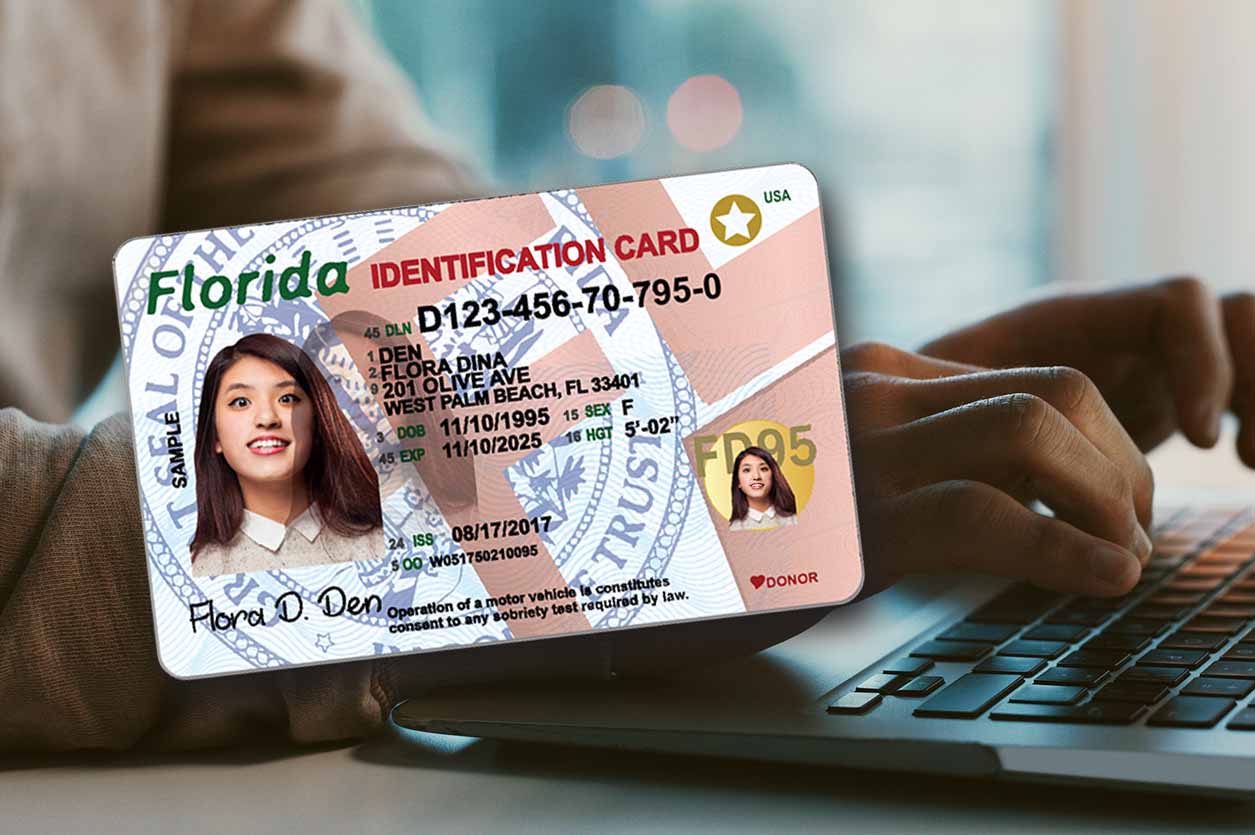
A Florida REAL ID shares many design elements with a standard Florida driver’s license or state identification card, but with crucial distinctions. The most prominent feature, as mandated by the REAL ID Act, is the gold star in the upper right-hand corner. This star is the definitive visual indicator that the card meets federal security standards for air travel and accessing federal facilities. Without this star, an ID card is not considered REAL ID compliant.
Other key features you’ll notice on a Florida REAL ID include:
- High-Quality Digital Photo: A clear, modern photograph of the cardholder is prominently displayed, making quick visual identification easy.
- Personal Information: Your full legal name, date of birth, address, and signature are clearly printed.
- Document Number: A unique identifying number for the card.
- Expiration Date: Clearly visible, ensuring the card is current.
- Security Overlays and Micro-printing: These are subtle, yet crucial, anti-counterfeiting measures. You might need to look closely to see the intricate patterns, fine lines, or text that are extremely difficult to replicate authentically.
- Holographic Images: Florida IDs often incorporate holographic images, such as the state seal or other state-specific symbols, which appear to move or change color when tilted. These are embedded within the card material itself, adding another layer of security.
- Barcodes or Magnetic Strips: Found on the back, these store additional data that can be quickly scanned for verification.
The overall design is clean and professional, prioritizing readability and the quick identification of key information by law enforcement and security personnel. The color scheme often incorporates various shades of blue and green, reflecting Florida’s iconic natural beauty, from its sparkling coastlines to its lush landscapes.
Distinguishing Between a REAL ID and a Standard License
It’s important to understand that Florida continues to issue both REAL ID compliant and non-compliant driver’s licenses and identification cards. The primary differentiator, as mentioned, is the gold star.
- REAL ID Compliant Card: Features the gold star in the upper right-hand corner. This card is valid for federal purposes, including boarding domestic flights.
- Standard (Non-REAL ID) Card: Will not have the gold star. Instead, it might say “NOT FOR FEDERAL IDENTIFICATION” or similar wording. While perfectly valid for driving, voting, or proving age, this type of card will not be accepted by the TSA for domestic air travel once the enforcement deadline is fully in effect.
For instance, a resident who obtained their license before the REAL ID standards were widely implemented in Florida might still possess a standard license. Or, an individual who doesn’t anticipate flying domestically or accessing federal facilities might opt for a standard ID as the application process for a REAL ID is more extensive. However, for any traveler planning to fly out of Orlando International Airport to visit family, or arriving at Tampa International Airport for a cruise, confirming they have the gold star on their Florida ID is a critical pre-travel check.
Applying for Your Florida REAL ID
Acquiring a Florida REAL ID is a straightforward process, provided you come prepared with the necessary documentation. Unlike simply renewing a standard license, obtaining a REAL ID requires an in-person visit to a Florida Department of Highway Safety and Motor Vehicles (DHSMV) service center and presenting original documents. This enhanced verification process is precisely what gives the REAL ID its federal validity.
Required Documents
The stringent requirements for a REAL ID mean you’ll need to gather specific original documents to prove your identity, lawful presence, Social Security number, and residency. It’s highly advisable to check the official Florida DHSMV website before your visit, as document requirements can sometimes be updated. Generally, you will need:
-
Proof of Identity: (One document)
- Certified U.S. birth certificate (not a hospital certificate)
- Valid U.S. passport or passport card
- Consular Report of Birth Abroad
- Certificate of Naturalization
- Certificate of Citizenship
- For non-U.S. citizens, valid immigration documents from the Department of Homeland Security (e.g., green card, employment authorization card).
-
Proof of Social Security Number (SSN): (One document)
- Original Social Security card
- W-2 form
- Pay stub with full SSN
- SSA-1099 form
- Non-SSA-1099 form
- Proof of Residency: (Two different documents from different sources)
- Deed, mortgage, monthly mortgage statement, or residential rental agreement
- Utility bills (water, electric, gas, internet, cable) from the past 60 days
- Bank statements from the past 60 days
- Vehicle registration or title
- Mail from federal, state, county, or city government agencies (e.g., tax documents)
- For individuals under 18, a statement from a parent or guardian.
It’s crucial that all documents are original and current. Photocopies are generally not accepted. If your name has changed due to marriage, divorce, or court order, you will also need to provide documentation showing the legal name change (e.g., marriage certificate, divorce decree). Planning ahead and having all these documents in order will save you significant time and potential frustration during your application.
The Application Process
Once you have meticulously gathered all your required documents, the application process for a Florida REAL ID involves these steps:
- Locate a Service Center: Find the nearest Florida DHSMV or tax collector’s office that provides driver’s license services. Many counties allow you to make an appointment online, which is highly recommended to minimize wait times, especially during peak tourist seasons or around major holidays.
- In-Person Visit: You must apply in person for your initial REAL ID. This allows the staff to verify your identity, collect your photograph, and capture your signature.
- Document Verification: Present all your original documents to the clerk. They will review them carefully to ensure they meet the REAL ID requirements. This step is where most issues arise if documents are missing or incorrect.
- Complete Application Form: You will fill out an application form with your personal details.
- Vision Test and Photo: You will undergo a vision test and have your photograph taken for the new card.
- Payment: Pay the applicable fee for the REAL ID card.
- Temporary ID and Mailing: Upon successful completion, you will typically receive a temporary paper ID. Your permanent, hard plastic REAL ID card will then be mailed to your residential address within a few weeks. Ensure your mailing address is accurate.
The entire process, from arriving with your documents to leaving with a temporary ID, can vary in duration depending on the service center’s volume and whether you had an appointment. However, being fully prepared beforehand is the best way to ensure a quick and efficient experience, allowing you more time to plan your itinerary for exploring Florida’s Gulf Coast or diving into the vibrant arts scene in Sarasota.
Travel Implications and Practical Tips for Visitors to Florida
Having a Florida REAL ID isn’t just a compliance issue; it’s a facilitator for smooth and stress-free travel, enhancing your overall experience in the Sunshine State. From navigating busy airports to accessing various services, a REAL ID streamlines many aspects of your journey.
Airport Security and Domestic Flights
The most significant implication of the REAL ID Act for travelers is its direct impact on domestic air travel. As of the enforcement deadline, a REAL ID compliant driver’s license or state identification card is required by the TSA to board all federally regulated domestic flights. If you arrive at Fort Lauderdale-Hollywood International Airport or any other U.S. airport without a REAL ID compliant card (i.e., one without the gold star) or an acceptable alternative document, you will likely be denied entry to the security checkpoint and consequently, unable to board your flight.
This means for your annual trip to Florida to enjoy the warmth and sunshine, having that gold star on your Florida ID (or your home state’s REAL ID compliant card) removes a major potential hurdle. It accelerates your passage through security, allowing you more time to relax before your flight, grab a coffee, or browse duty-free shops, rather than dealing with last-minute ID complications. For families traveling to Orlando for theme park adventures at Universal Studios Florida, a smooth start at the airport sets a positive tone for the entire vacation.
Accessing Attractions and Services
While the primary focus of the REAL ID Act is federal facilities and air travel, a REAL ID compliant card can indirectly facilitate access to various attractions and services within Florida. Many tourist attractions, particularly those with heightened security measures or operated by federal entities (like certain national parks or military bases), may prefer or eventually require REAL ID compliant identification. Even for privately owned attractions, a REAL ID presents a more robust and universally recognized form of identification, which can simplify processes like:
- Hotel Check-ins: While hotels generally accept various forms of government ID, a REAL ID can streamline the check-in process, especially at larger resorts or chains like Marriott or Hilton, where robust identity verification is standard.
- Car Rentals: Renting a car to explore the scenic routes along the Florida Keys becomes effortless with a REAL ID compliant license, as rental agencies require valid government-issued photo identification.
- Purchasing Alcohol or Age-Restricted Goods: A REAL ID is unequivocally accepted as proof of age, preventing any confusion at bars, restaurants, or liquor stores.
- Accessing Federal Facilities: Although not typical for most tourists, those visiting federal courthouses, military bases, or certain other federal buildings (like the FBI building in Miami for official business) will find a REAL ID essential.
Essentially, possessing a Florida REAL ID elevates your state-issued identification to a federally recognized standard, making it a universally accepted and trusted document across a wide spectrum of scenarios.
Planning Your Florida Trip with REAL ID in Mind
Integrating REAL ID considerations into your trip planning is a simple step that yields significant peace of mind. Here are some practical tips:
- Check Your ID Now: Don’t wait until the last minute. Locate your Florida driver’s license or ID card and look for the gold star in the upper right-hand corner. If it’s not there, you do not have a REAL ID compliant card.
- Allow Ample Time for Application: If you need to obtain a new REAL ID, remember the in-person visit and the time it takes for the permanent card to be mailed. Plan this well in advance of any flights.
- Consider Alternatives: If, for any reason, you cannot obtain a REAL ID before your flight, ensure you have an alternative acceptable form of ID, such as a valid U.S. passport or a permanent resident card. A passport is always a reliable backup for domestic travel.
- Keep it Accessible: Just like your boarding pass, keep your REAL ID readily available when approaching airport security checkpoints.
- Stay Informed: While Florida has been compliant for years, federal regulations and enforcement dates can sometimes shift. Regularly check the TSA website or the DHSMV for the latest updates.
By taking these proactive steps, you ensure that your documentation is not a source of stress but rather a tool that facilitates your travel. Your focus can then remain squarely on the excitement of exploring Florida’s vibrant cities, indulging in its diverse culinary scene, or simply unwinding on its world-renowned beaches. From the historic charm of St. Augustine to the subtropical wilderness of Big Cypress National Preserve, Florida offers an unforgettable array of experiences, and a compliant REAL ID is your ticket to seamless access.

Beyond the REAL ID: Other Important Travel Documents
While the Florida REAL ID is crucial for domestic air travel and accessing federal facilities, it’s just one piece of the larger puzzle of travel documentation. Depending on your travel plans and nationality, other documents remain equally, if not more, important.
For international travelers visiting Florida, a valid passport is always the primary document for entry into the United States. Depending on your country of origin, you may also require a visa or be eligible for visa-free entry under programs like the Visa Waiver Program (ESTA). These documents supersede any state-issued REAL ID for international border crossings. Even for U.S. citizens, a passport remains the gold standard of identification for all travel, both domestic and international, offering the highest level of security and universal acceptance. Many seasoned travelers prefer to use their U.S. passport for domestic flights regardless of having a REAL ID compliant driver’s license, simply for its convenience and unquestioned authority.
For those planning to travel to neighboring countries from Florida, perhaps a cruise to the Caribbean or a short flight to Mexico, a passport is non-negotiable. Even for cruise lines that sometimes accept birth certificates and government-issued ID for “closed-loop” cruises, a passport is always recommended for unforeseen circumstances, such as emergency medical evacuation.
Military personnel and their dependents will find that their Common Access Card (CAC) or other military identification cards are also acceptable forms of ID for federal purposes, including domestic air travel. Similarly, a permanent resident card (Green Card) is a valid form of ID for lawful permanent residents.
In summary, while understanding what a Florida REAL ID looks like and its purpose is vital for domestic air travel, especially when planning to explore Florida’s diverse attractions, it’s essential to consider all your travel document needs. Always verify the specific requirements for your entire journey, from your departure city to your arrival at a Florida resort and any excursions in between. A well-prepared traveler is a happy traveler, ready to soak in every moment that the beautiful state of Florida has to offer, from the historic charm of Key West to the serene beaches of the Panhandle.
LifeOutOfTheBox is a participant in the Amazon Services LLC Associates Program, an affiliate advertising program designed to provide a means for sites to earn advertising fees by advertising and linking to Amazon.com. Amazon, the Amazon logo, AmazonSupply, and the AmazonSupply logo are trademarks of Amazon.com, Inc. or its affiliates. As an Amazon Associate we earn affiliate commissions from qualifying purchases.