
Navigating the requirements for identification in the United States can sometimes feel like a complex puzzle. As the nation moves towards enhanced security measures, the concept of a “REAL ID” has become increasingly prominent, particularly for residents of states like Texas. Understanding what a REAL ID looks like, its purpose, and how to obtain one is crucial for Texans who wish to travel by air domestically or access certain federal facilities without hassle. This guide delves into the specifics of the Texas REAL ID, demystifying the process and highlighting its key features.

The Genesis and Purpose of the REAL ID Act
The REAL ID Act, passed by Congress in 2005, was a legislative response to the September 11th terrorist attacks. Its primary aim is to establish minimum security standards for state-issued driver’s licenses and identification cards, making them more secure and tamper-resistant. Essentially, a REAL ID-compliant card serves as a trusted form of identification that the Department of Homeland Security (DHS) deems acceptable for boarding federally regulated commercial aircraft and entering certain federal facilities.
Security Enhancements and Standardization
Prior to the REAL ID Act, the security features and issuance processes for identification documents varied significantly from state to state. This lack of uniformity created potential vulnerabilities. The REAL ID Act mandated a consistent set of security standards that all participating states must adhere to. These standards include:
- Secure Issuance Process: States must implement robust procedures to verify an applicant’s identity, date of birth, Social Security number, and residential address before issuing a REAL ID-compliant card. This involves checking official documents and maintaining secure databases.
- Tamper-Evident Features: REAL ID-compliant cards must incorporate advanced security features that make them difficult to counterfeit or alter. These can include holographic images, microprinting, UV elements, and tactile features.
- Standardized Design Elements: While specific designs vary by state, certain elements are standardized to ensure easy identification of a REAL ID.
Federal Compliance and the Timeline
The implementation of the REAL ID Act has been a phased process. Federal agencies, including the Transportation Security Administration (TSA), have gradually begun enforcing its requirements for boarding commercial aircraft. It is imperative for Texans to be aware of the phased deadlines to ensure their identification remains valid for air travel. Failing to possess a REAL ID-compliant license or ID card will eventually mean needing an alternative form of acceptable identification, such as a U.S. passport, to board domestic flights or enter certain restricted federal buildings.
Features of a Texas REAL ID
So, what distinguishes a Texas REAL ID from a standard Texas driver’s license or identification card? The Texas Department of Public Safety (DPS) is responsible for issuing these compliant documents. The visual cues and underlying security measures are key differentiators.
Visual Indicators on the Card
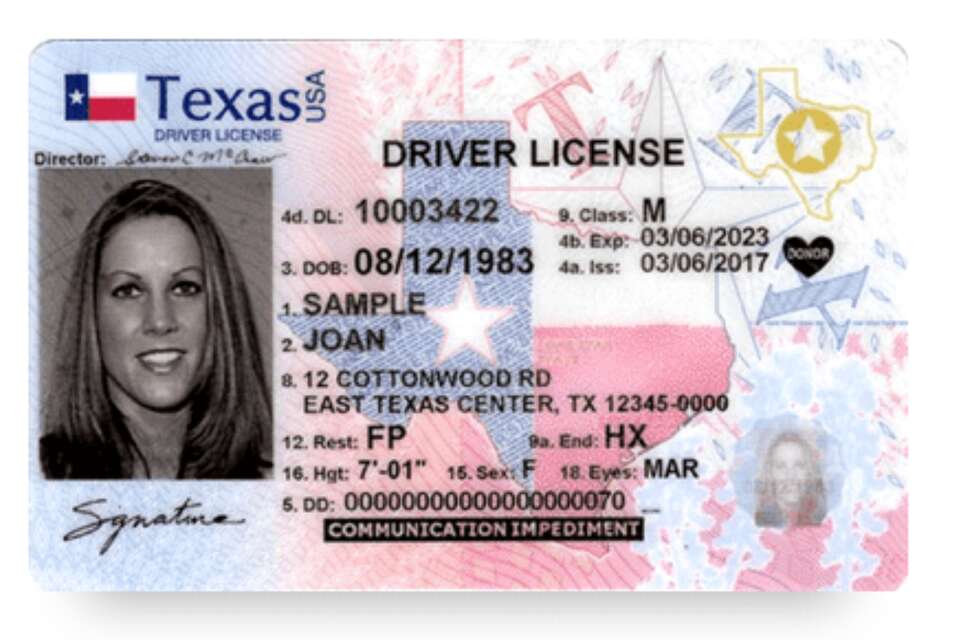
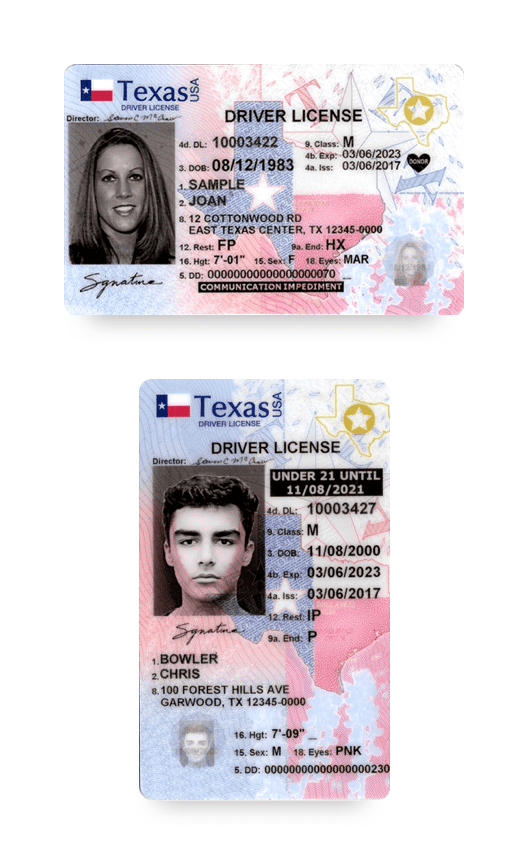
The most apparent indicator that a Texas driver’s license or ID card is REAL ID-compliant is the presence of a gold star in the upper right-hand corner of the card. This small but significant symbol signifies that the card meets the federal security and identity verification standards. If your Texas ID card does not have this gold star, it is not REAL ID-compliant.
Beyond the gold star, Texas REAL IDs incorporate several sophisticated security features designed to prevent fraud and counterfeiting. These may include:
- Ghost Image: A smaller, translucent duplicate of the cardholder’s photograph.
- Laser Engraving: Certain elements of the card may be laser-engraved, providing a tactile and durable mark.
- Intaglio Printing: Raised ink that can be felt when running a finger over specific areas of the card.
- UV Ink: Features that are only visible under ultraviolet light, adding another layer of security.
- Microprinting: Tiny text that is difficult to replicate without specialized equipment.
Underlying Security and Verification
The true strength of a REAL ID lies not just in its visible features but in the rigorous verification process that underpins its issuance. To obtain a Texas REAL ID, applicants must present a specific set of documents to the Texas DPS. This documentation typically includes:
- Proof of Identity: Such as an original or certified copy of a birth certificate or a U.S. passport.
- Proof of Social Security Number: A Social Security card or W-2 form.
- Proof of Texas Residency: Two documents are required, such as utility bills, bank statements, or lease agreements, all showing your current Texas address.
- Proof of Citizenship or Lawful Presence: This can include a U.S. birth certificate, U.S. passport, or Permanent Resident Card.
The Texas DPS meticulously reviews these documents to confirm the applicant’s identity and legal status. This thorough verification process is what elevates a REAL ID above standard identification.
Obtaining a Texas REAL ID
The process of acquiring a Texas REAL ID involves a visit to a Texas DPS driver license office. It is essential to be prepared with the correct documentation to ensure a smooth and efficient experience.
The Application Process
- Gather Necessary Documents: As outlined above, meticulously collect all required documents. It is advisable to check the official Texas DPS website for the most up-to-date list of acceptable documents, as requirements can occasionally be updated.
- Schedule an Appointment (Recommended): While not always mandatory, scheduling an appointment at a Texas DPS office can significantly reduce your wait time. Many Texas residents find this a crucial step for a more convenient visit.
- Visit a Driver License Office: Arrive at your scheduled appointment (or walk-in if you prefer) with all your original or certified documents. A DPS employee will review your paperwork, verify your identity, and take your photograph and fingerprints.
- Pay the Fee: There is a fee associated with obtaining a Texas driver’s license or ID card, including the REAL ID endorsement. The exact amount can vary, so it’s best to confirm the current fee structure on the Texas DPS website.
- Receive Your Temporary ID: You will typically receive a temporary paper identification document valid for a certain period. Your permanent REAL ID-compliant card will be mailed to your address within a few weeks.
Renewal and Upgrade Options
If you currently hold a Texas driver’s license or ID card and it does not have the gold star, you can upgrade it to a REAL ID-compliant card. The process is similar to applying for a new license, requiring you to present the necessary documentation. You may be able to renew your existing license or ID and obtain a REAL ID at the same time.
For those whose licenses are nearing expiration, it is an opportune moment to transition to a REAL ID. Remember that upon renewal, you will be issued a new card with the REAL ID features if you have provided the required documentation.
The Importance of a REAL ID for Travelers
For residents of Texas, and indeed all U.S. states, the REAL ID has become increasingly important for seamless domestic travel. The implications of not having one are becoming more pronounced as federal enforcement timelines approach.
Air Travel Requirements
The most widely publicized requirement for REAL ID is its use as a compliant identification for boarding federally regulated commercial aircraft. Starting May 7, 2025, the TSA will require all individuals 18 years of age and older to present a REAL ID-compliant driver’s license or identification card, or another acceptable form of identification, to fly within the United States. This means that without a REAL ID or an alternative acceptable ID, you will not be permitted to board your flight.
Access to Federal Facilities
Beyond air travel, a REAL ID-compliant card will also be required for entry into certain federal facilities. This includes:
- Federal courthouses
- Military bases
- Nuclear power plants
- U.S. federal government buildings
While not all federal buildings will strictly enforce this, the requirement is in place for many sensitive locations. If your travel plans or work require access to such facilities, a REAL ID is essential.
Alternative Forms of Identification
It is important to note that a REAL ID is not the only acceptable form of identification for federal purposes. Other documents that will continue to be accepted include:
- A U.S. Passport or Passport Card
- A Department of Homeland Security-approved photo identification, such as Permanent Resident Card
- A U.S. Citizenship and Immigration Services Employment Authorization Card (I-766)
- A Federally Recognized Tribal-Issued Photo ID
- A foreign government-issued passport
However, for many individuals, their Texas driver’s license or ID card is the most convenient form of identification. Transitioning to a REAL ID-compliant card ensures that this everyday document remains a versatile tool for travel and access.
Conclusion: Preparing for the REAL ID Era in Texas
The REAL ID initiative represents a significant step towards enhancing national security through standardized and secure identification. For residents of Texas, understanding what a REAL ID looks like – primarily identified by the gold star – and the requirements for obtaining one is paramount. The process involves presenting a comprehensive set of documents to the Texas DPS to verify identity, Social Security number, and residency.
As the federal enforcement dates draw nearer, ensuring you have a REAL ID-compliant license or ID card will prevent disruptions to your domestic travel plans and access to federal facilities. By proactively gathering the necessary documentation and visiting a Texas DPS office, Texas residents can confidently navigate the requirements and continue to travel freely and securely in the years to come. The transition to REAL ID is an investment in convenience and compliance, ensuring that your identification meets the evolving standards of the nation.
LifeOutOfTheBox is a participant in the Amazon Services LLC Associates Program, an affiliate advertising program designed to provide a means for sites to earn advertising fees by advertising and linking to Amazon.com. Amazon, the Amazon logo, AmazonSupply, and the AmazonSupply logo are trademarks of Amazon.com, Inc. or its affiliates. As an Amazon Associate we earn affiliate commissions from qualifying purchases.