
Alaska, often dubbed “The Last Frontier,” is a land of unparalleled natural grandeur, a place where the wild reigns supreme and human presence feels both awe-inspired and humbled. It’s a vast mosaic of towering, snow-capped mountains, colossal glaciers carving their way to the sea, dense boreal forests, and expansive, treeless tundras stretching to the horizon. To ask what Alaska looks like is to embark on a journey through extreme landscapes, vibrant ecosystems, and a rich tapestry of cultural heritage. From its icy northern reaches bordering the Arctic Ocean to the temperate rainforests of its southeastern panhandle, Alaska presents an ever-changing panorama that beckons adventurers, nature enthusiasts, and those seeking profound tranquility. This article delves into the visual and experiential essence of Alaska, exploring its diverse geography, iconic wildlife, vibrant urban centers, and the unique lifestyle it offers to both residents and travelers.
A Tapestry of Extreme Landscapes: Mountains, Glaciers, and Coasts
Alaska’s sheer size, roughly one-fifth the size of the contiguous United States, means it encompasses an incredible range of geographical features. Each region boasts its own distinctive appearance, promising a different adventure and a unique perspective on this monumental state.
Majestic Mountain Ranges and Vast Tundras
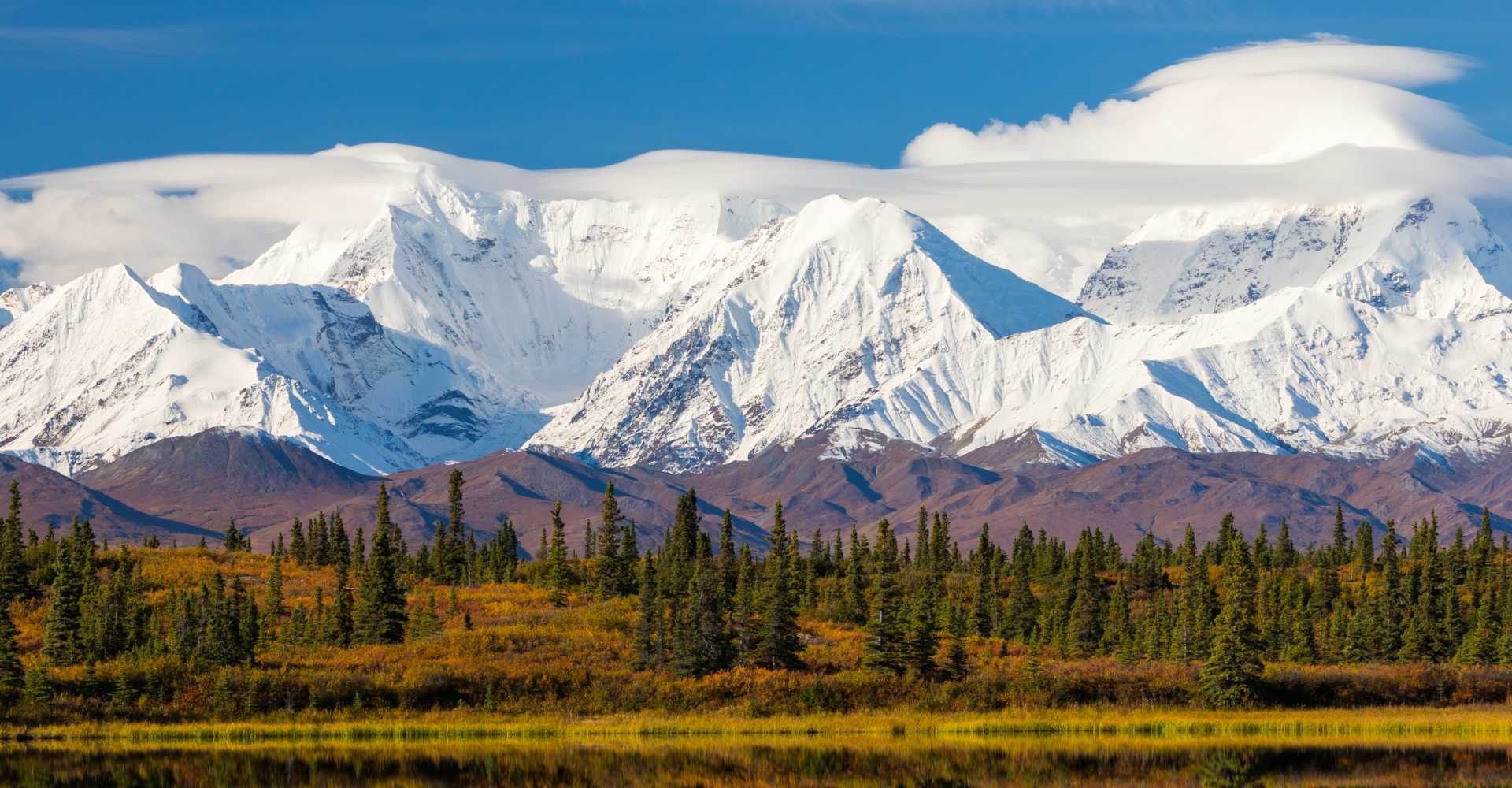
The backbone of Alaska is its spectacular mountain ranges, which dominate the skyline in many areas. The most famous is undoubtedly the Alaska Range, home to Denali (formerly Mount McKinley), North America’s highest peak, soaring an astonishing 20,310 feet (6,190 meters) above sea level. Its sheer scale and often cloud-shrouded summit create an imposing and unforgettable sight, especially when viewed from Denali National Park and Preserve. The surrounding landscape in this region transitions from taiga forests at lower elevations to alpine tundra, characterized by hardy shrubs, mosses, and wildflowers that burst into color during the brief summer. Farther south, the rugged Chugach Mountains provide a dramatic backdrop to Anchorage and the scenic Turnagain Arm, their peaks often clad in snow well into the summer, feeding numerous glaciers.
Beyond the mountain ranges, vast stretches of tundra define much of Interior Alaska and the Arctic Slope. This treeless expanse, with its permafrost layer, is a landscape of subtle beauty, changing hues with the seasons. In summer, it’s a carpet of greens, browns, and the unexpected vibrancy of wildflowers, dotted with countless lakes and braided rivers. In winter, it transforms into an endless white canvas, shimmering under the low-hanging sun or the ethereal glow of the Northern Lights. The Arctic Coastal Plain, for instance, is flat and marshy in summer, a critical breeding ground for millions of migratory birds and home to caribou herds numbering in the hundreds of thousands, while in winter, it becomes a frozen, starkly beautiful wilderness.
Glacial Wonders and Dynamic Coastlines
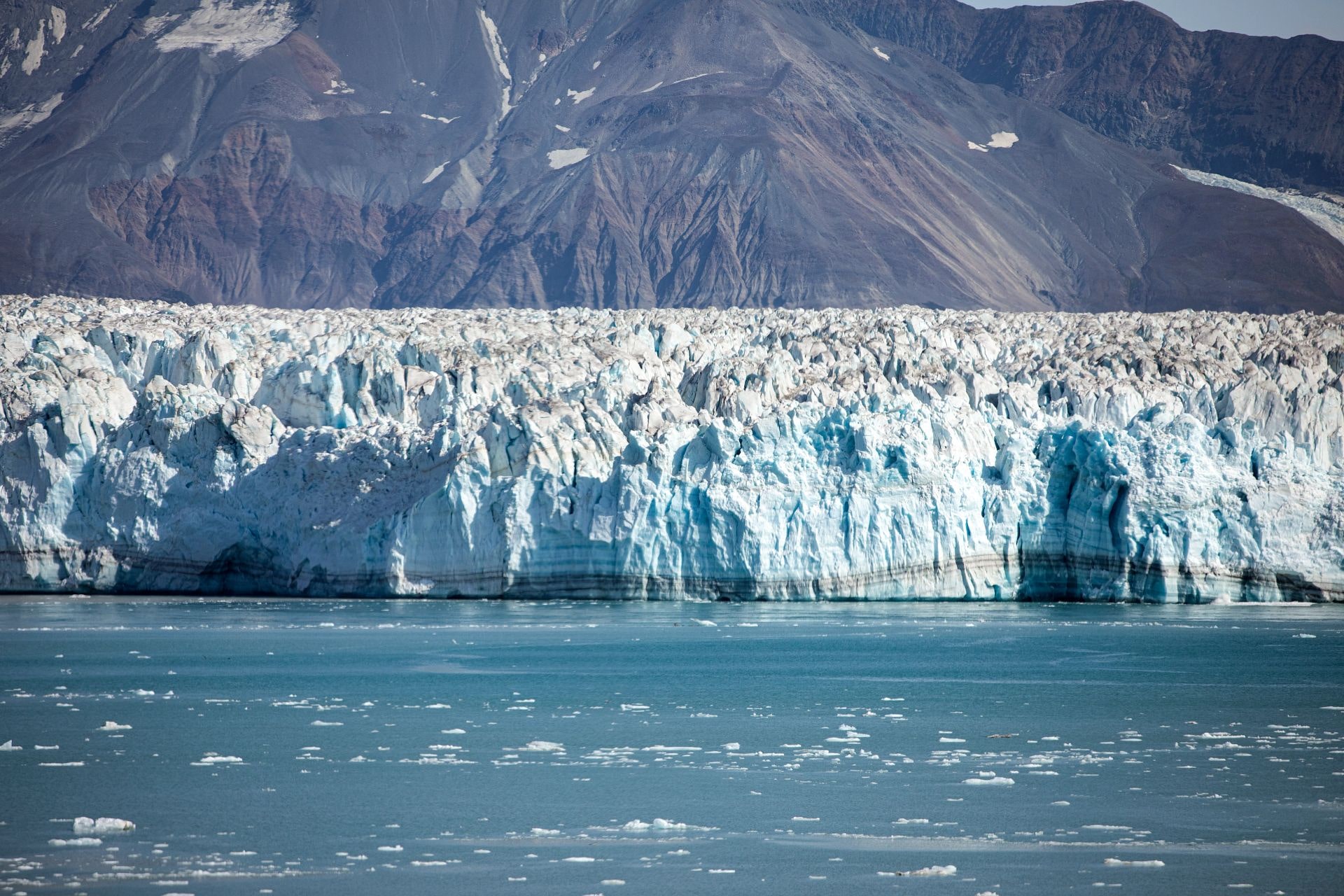
No description of Alaska’s appearance would be complete without highlighting its magnificent glaciers. This state is home to more active glaciers than anywhere else in the United States, many of which are easily accessible. The iconic Mendenhall Glacier, just outside Juneau, offers a striking visual with its brilliant blue ice contrasting against dark rock and green forest. Visitors can witness its calving face from various viewpoints or even kayak up to its edge, feeling the palpable chill radiating from its ancient ice.
Further south, the Inside Passage is famed for its numerous tidewater glaciers, such as the impressive Hubbard Glacier, one of the largest and most active calving glaciers in North America. Here, massive chunks of ice spectacularly break off and plunge into the sea, creating thunderous roars and powerful waves—an unforgettable spectacle for those on Inside Passage cruises. Kenai Fjords National Park, near Seward, offers a dramatic landscape of jagged, ice-scoured fjords where glaciers like Exit Glacier flow down from the vast Harding Icefield, meeting the ocean in a spectacular display of icy power. These coastal regions are characterized by deep, narrow inlets flanked by steep, often forested slopes, a testament to immense glacial erosion over millennia. The waters here are a mesmerizing blend of deep blues and greens, reflecting the surrounding wilderness.
Alaska’s coastline is immense, stretching for more than 33,000 miles, including its islands – more than all other U.S. states combined. This vast edge where land meets sea presents a diverse range of visuals, from the rugged, rocky shores of the Gulf of Alaska, hammered by relentless storms, to the calmer, forested islands of the Alexander Archipelago in the Southeast. The Aleutian Islands, an arc of volcanic islands stretching into the Bering Sea, present a stark, windswept appearance, often shrouded in fog, with active volcanoes frequently puffing steam into the sky.
Wildlife and Vibrant Ecosystems: An Unforgettable Sight
Alaska’s wild appearance is intrinsically linked to its abundant and diverse wildlife. This is one of the few places left on Earth where large populations of iconic North American animals thrive in their natural habitats, offering unparalleled viewing opportunities for visitors.
Iconic Wildlife Encounters
When imagining Alaska, images of its magnificent animals are often at the forefront. The state is synonymous with bears – the formidable grizzly (brown bears), the elusive black bears, and in the far north, the majestic polar bears. Bear viewing excursions are popular, allowing travelers to safely observe these powerful creatures in their natural environment, often fishing for salmon in rushing rivers, particularly in places like Katmai National Park and Preserve’s Brooks Falls or Kodiak Island.
Moose, with their impressive antlers, are a common sight, even on the outskirts of cities like Anchorage, browsing in willow thickets. Caribou herds migrate across the tundra in spectacular numbers, their movements a testament to the wild rhythms of the land. Dall sheep cling to steep mountain slopes, their white coats blending almost seamlessly with the snow, while wolves roam the vast wilderness, their presence felt more than seen.
The marine environment is equally teeming with life. Alaska’s waters are a prime destination for whale watching, particularly for humpback whales known for their acrobatic breaches and fluke displays, and orcas, easily identified by their striking black and white markings. Sea lions, seals, and playful sea otters are also frequently observed along the coastlines and within the fjords, adding to the visual spectacle. Above, bald eagles are an omnipresent symbol of the wild, often seen perched atop towering trees or soaring gracefully overhead, particularly dense in areas like Haines during the salmon run.
Diverse Habitats Supporting Life
The varied landscapes of Alaska provide a rich tapestry of habitats. The sprawling Tongass National Forest in Southeast Alaska, the largest national forest in the United States, is a temperate rainforest of ancient Sitka spruce and western hemlock, draped in moss and fern, creating an enchanting, emerald-green world. This ecosystem supports an incredible diversity of life, from bears and wolves to salmon and countless bird species. In contrast, the boreal forests of Interior Alaska, dominated by spruce and birch, thin out as one moves north, eventually giving way to the vast, open tundra. Each distinct habitat contributes to Alaska’s overall appearance, creating a layered visual experience that shifts dramatically across its immense territory.
Cities, Culture, and the Alaskan Lifestyle
While Alaska’s wild spaces are its most prominent feature, its cities and towns offer glimpses into the unique human experience in this remote land, blending modern amenities with deep cultural roots.
Urban Gateways and Cultural Hubs
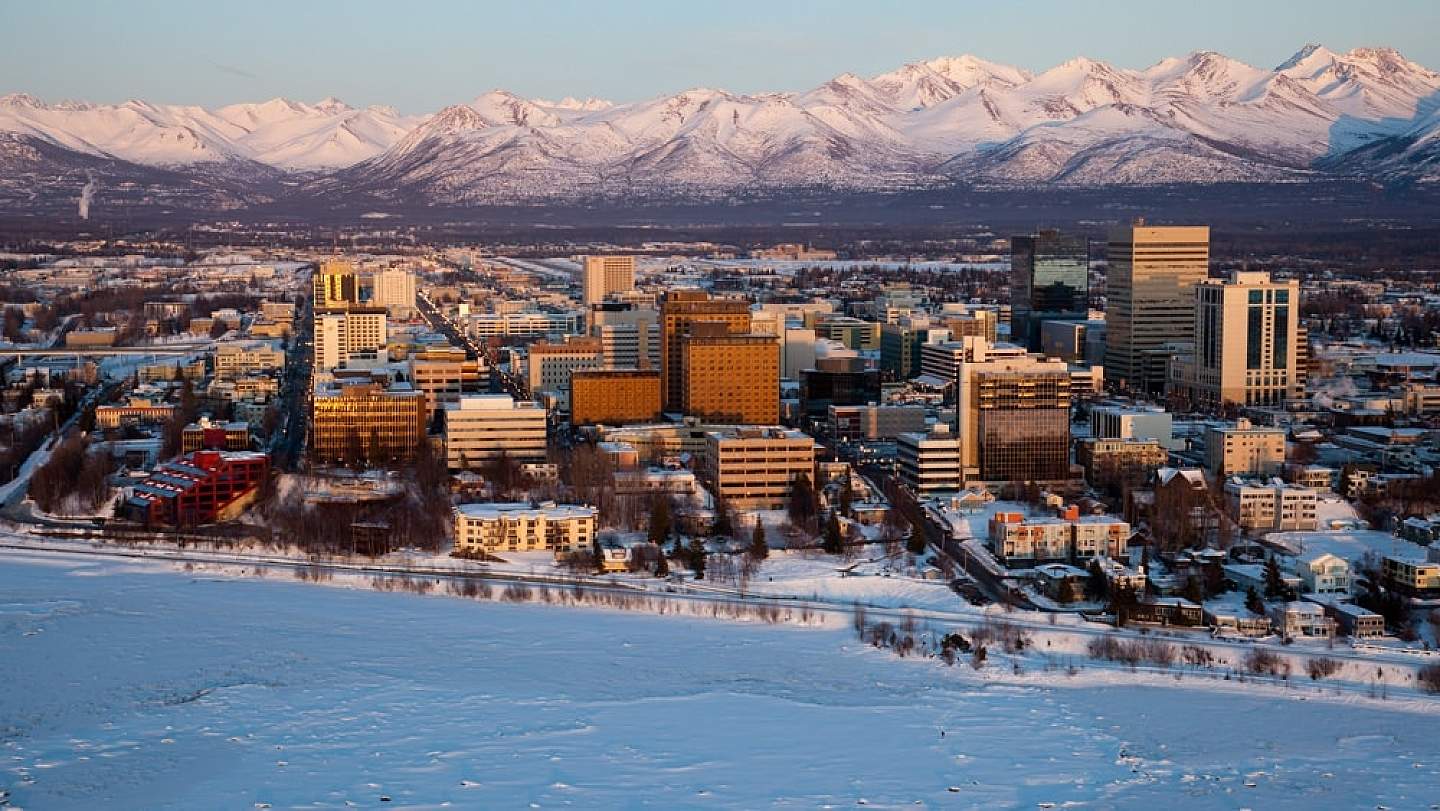
Alaska’s cities, though smaller than those in the Lower 48, are vibrant centers of activity and culture. Anchorage, the largest city, serves as the primary gateway for most visitors. It looks like a modern city nestled against the imposing backdrop of the Chugach Mountains and the waters of Cook Inlet. Its urban landscape is clean and well-maintained, featuring a mix of contemporary architecture and historic buildings, but with an unmistakable Alaskan touch—moose often wander through residential areas, and floatplanes frequently take off from Lake Hood Seaplane Base, the world’s busiest. Anchorage provides a wide range of accommodation options, from luxury hotels to cozy apartments, catering to every type of traveler.
Juneau, the state capital, is unique in its inaccessibility by road, looking like a charming port city carved into a mountainside, surrounded by water and dense forest. Its downtown core is a blend of historic buildings, modern shops, and bustling docks filled with cruise ships and fishing vessels. Fairbanks, located in Interior Alaska, presents a different aesthetic, characterized by its drier, more continental climate. Here, you’ll find a landscape more open, with wide-open skies perfect for viewing the aurora borealis, and a history deeply tied to the Gold Rush and the Trans-Alaska Pipeline.
Smaller towns like Seward, Skagway, and Ketchikan each have their own distinctive look and feel. Seward is a picturesque port town at the head of Resurrection Bay, serving as a gateway to Kenai Fjords National Park. Skagway maintains its Gold Rush era charm, with wooden boardwalks and historic storefronts that transport visitors back to the late 19th century. Ketchikan, often called the “Salmon Capital of the World,” is built on steep hillsides with houses on stilts over the water, enveloped by the lush Tongass National Forest and renowned for its vibrant collection of Native Alaskan totem poles.
Indigenous Heritage and Local Flavors
The cultural landscape of Alaska is as rich and varied as its natural one, profoundly shaped by its Indigenous peoples—the Inupiaq, Yup’ik, Athabascan, Tlingit, Haida, Tsimshian, and Aleut. Their presence is visible in traditional art, language, and customs that are interwoven into the fabric of Alaskan life. totem poles in the Southeast, vibrant regalia at cultural festivals, and the intricate craftsmanship of local artisans showcase a heritage that adds depth and unique character to the state’s appearance. Visitors interested in tourism often seek out cultural centers and museums to learn about these traditions, which offer insight into how ancient peoples adapted to and thrived in this challenging environment.
The Alaskan lifestyle, especially outside the main cities, is distinctly rugged and self-reliant. Homes, often built to withstand harsh winters, might be rustic cabins or modern structures designed for energy efficiency. The pace of life is slower, driven by the seasons, with a strong emphasis on outdoor activities and community spirit. Local cuisine reflects this connection to the land and sea, featuring fresh salmon, halibut, king crab, reindeer sausage, and berries. These culinary experiences are an integral part of understanding Alaska’s character.
Planning Your Alaskan Journey: Adventures and Accommodation
For those drawn to Alaska’s captivating appearance, planning a trip involves considering the best ways to experience its vastness and diversity. Whether seeking luxury or budget travel, there are countless ways to immerse oneself in this extraordinary destination.
Best Time to Visit and Accommodation Options
The appearance of Alaska transforms dramatically with the seasons. Most travelers prefer the summer months (May to September) when the landscape is green and vibrant, wildlife is abundant, and the “land of the midnight sun” offers extended daylight hours for exploration. This is the peak season for travel, with all attractions, tours, and accommodation options fully operational. During this time, cities are bustling, cruise ships ply the Inside Passage, and national parks are welcoming hikers and adventurers.
Winter, while dramatically different with its blanket of snow and ice, offers a stark, serene beauty and unique experiences like dog sledding, skiing, and the mesmerizing Northern Lights, especially visible from Fairbanks and areas further north. The winter landscape is one of crisp air, glistening snow, and a profound sense of quietude.
Regarding accommodation, Alaska provides a diverse range to suit various lifestyles and budgets. In urban centers like Anchorage and Juneau, visitors can choose from internationally recognized hotels and resorts offering comfort and amenities, or opt for charming local bed and breakfasts. For those seeking a deeper connection with nature, wilderness lodges provide rustic yet comfortable stays in remote locations, often offering guided tours and wildlife viewing directly from their doorstep. There are also numerous cabins, apartments, and camping facilities for budget travelers or those desiring a more independent experience. Booking well in advance, especially for peak season and popular destinations like Denali National Park and Preserve, is highly recommended.
Navigating the Last Frontier
Experiencing the full scope of Alaska’s appearance requires thoughtful planning of transportation. Many travelers opt for an Alaska cruise, particularly to explore the stunning Inside Passage and its coastal landmarks. These cruises offer a unique perspective of the fjords, glaciers, and marine wildlife, with opportunities for shore excursions in picturesque towns.
For inland exploration, the Alaska Railroad provides a scenic journey connecting Seward, Anchorage, and Fairbanks, passing through breathtaking landscapes. Self-drive tours are popular, allowing flexibility to explore regions like the Kenai Peninsula, with its dramatic coastal highways. For accessing truly remote areas, bush planes are an iconic mode of transport, offering thrilling flightseeing tours that reveal the vastness of the wilderness from above, including close-up views of mountain ranges and icefields. Whether by land, sea, or air, each mode of transport offers a distinct visual journey through Alaska’s diverse appearance.
In conclusion, “What does Alaska look like?” is a question that can only be answered through experiencing its myriad forms. It looks like the towering, ice-clad peak of Denali piercing the sky. It looks like the glistening blue face of a tidewater glacier calving into a pristine fjord. It looks like a grizzly bear fishing for salmon in a wild river, or a moose grazing peacefully by the roadside. It looks like the vibrant greens of a temperate rainforest, the muted hues of an endless tundra, and the ethereal dance of the aurora borealis across a starlit winter sky. It looks like a welcoming smile in a small, remote town and the bustling energy of a modern city. Alaska is a land of extremes and unparalleled beauty, a place that leaves an indelible mark on all who witness its magnificent, ever-changing appearance. It is truly the last great American wilderness, promising an adventure and a visual feast unlike any other.