
In an era where mindful living and personalized wellness journeys are gaining unprecedented traction, the concept of “California Sober” has emerged as a nuanced and increasingly popular approach to sobriety. Far from a rigid, one-size-fits-all definition, California Sober represents a lifestyle choice that resonates deeply with individuals seeking balance, clarity, and enhanced experiences, especially when translated into the realm of travel and exploration. For those who frequent the pages of Life Out of the Box, where the emphasis is on enriching journeys, luxurious stays, and authentic cultural immersion, understanding this evolving definition of sobriety offers a fresh perspective on how we engage with the world.
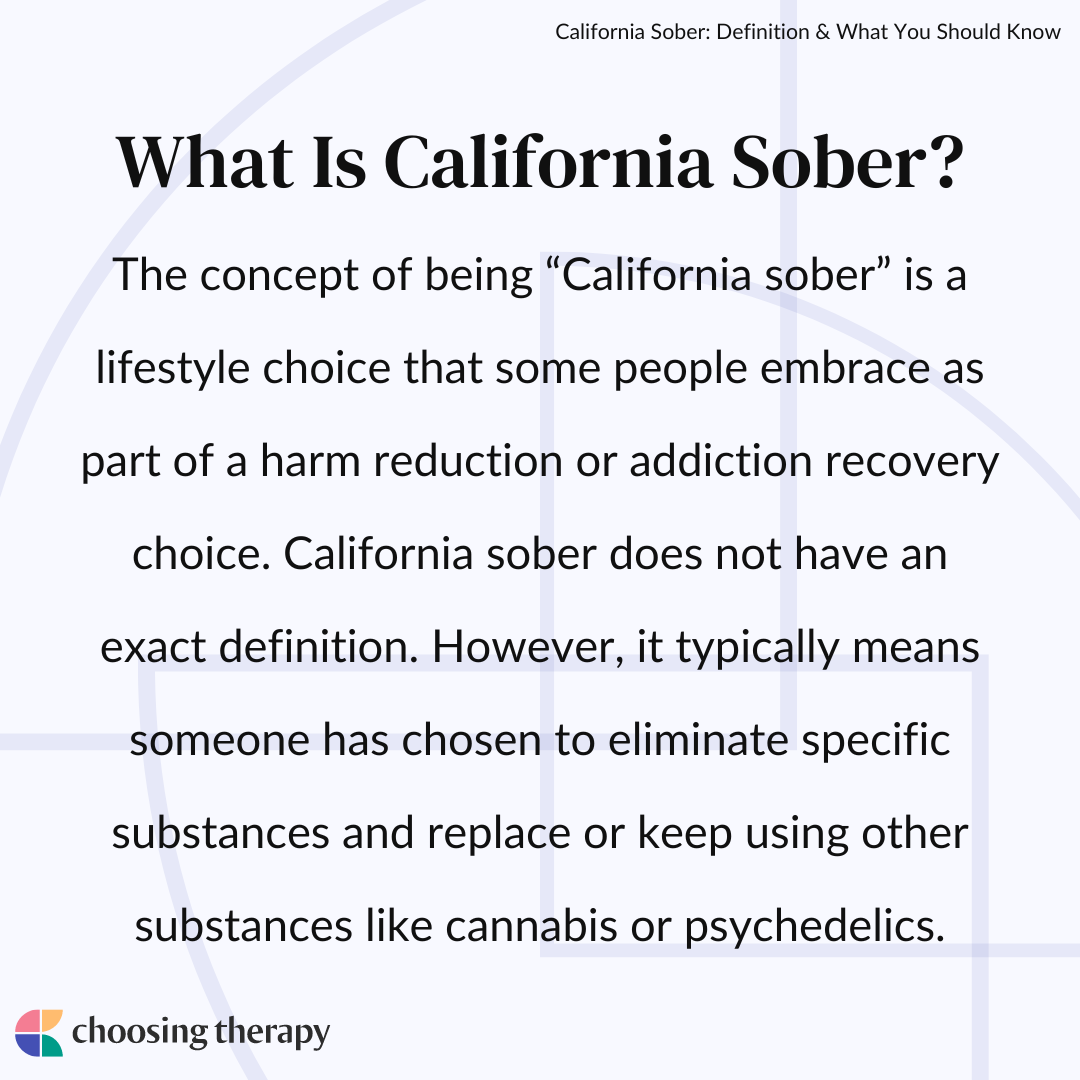
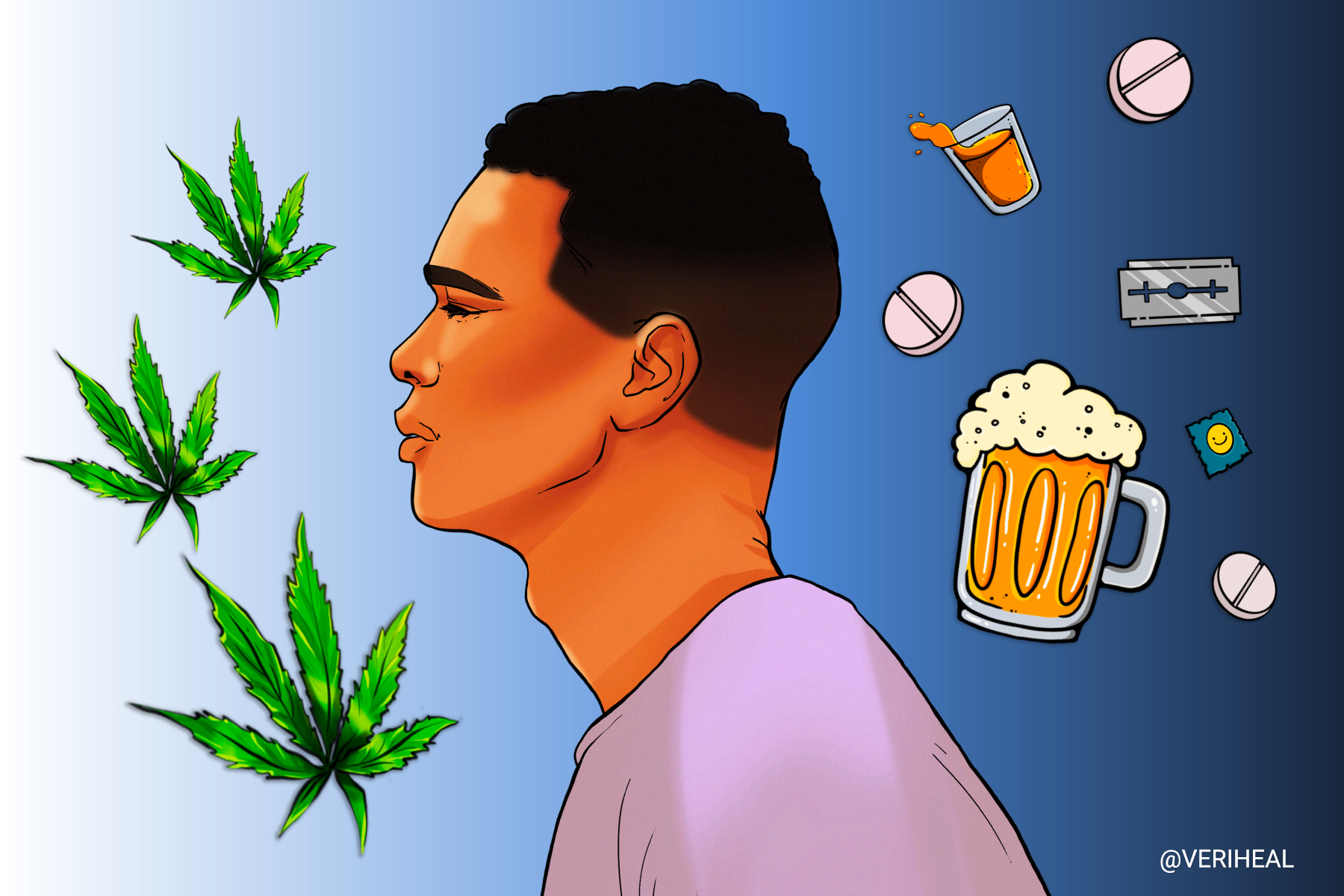
At its core, California Sober typically involves abstaining from alcohol but selectively allowing the use of cannabis and, in some interpretations, psychedelics. It’s a philosophy born from the sunny, progressive landscape of California itself, a state often at the forefront of lifestyle trends and wellness innovations. This approach challenges the traditional binary view of “sober or not sober,” instead advocating for a more individualized and harm-reduction-focused path. It’s about consciously choosing what substances to consume based on personal well-being, mental health, and the desire to live a life free from the detrimental effects of alcohol, while potentially embracing other plant-based alternatives that some find beneficial for relaxation, creativity, or spiritual exploration. For the modern traveler, this isn’t just a personal decision; it shapes destinations, influences accommodation choices, and refines the very essence of a travel experience.
Embracing a Mindful Lifestyle on the Road
The decision to adopt a California Sober lifestyle is often rooted in a desire for greater self-awareness and a more intentional way of living. This translates seamlessly into how one approaches travel, turning every journey into an opportunity for personal growth and deeper connection.
Defining California Sober: Beyond Traditional Abstinence
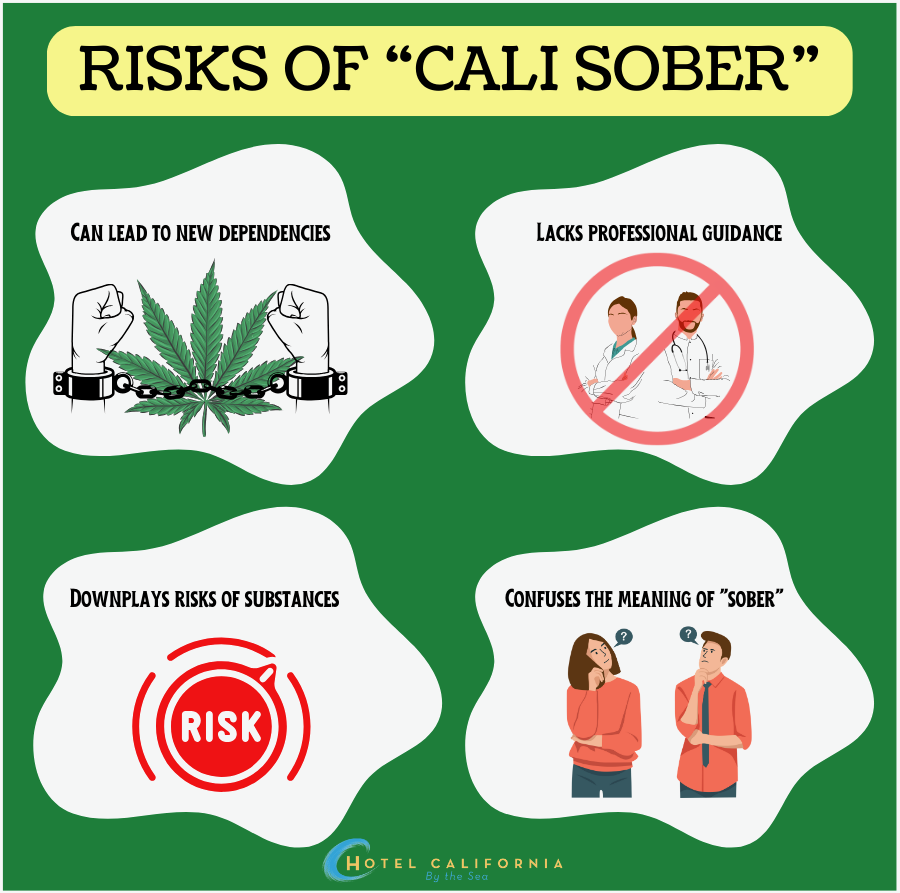
To truly grasp the essence of California Sober, it’s crucial to differentiate it from traditional abstinence-only sobriety. Traditional sobriety typically implies a complete cessation of all mind-altering substances, often with a strong emphasis on recovery from addiction. California Sober, while often adopted by individuals seeking to reduce or eliminate alcohol intake due to its negative impacts, does not necessarily subscribe to the same comprehensive abstinence model. Instead, it offers a middle ground, acknowledging that not all substances carry the same risks or have the same effects on an individual’s life.
For many, alcohol has become synonymous with socializing, celebrations, and even unwinding after a long day. However, its pervasive presence can also lead to various health issues, impaired judgment, and missed opportunities for genuine connection. By choosing to forego alcohol, individuals pursuing a California Sober path often report improved sleep, enhanced mental clarity, and a greater capacity to be present in their daily lives and, crucially, during their travels. The inclusion of cannabis, particularly in forms like edibles, tinctures, or low-dose inhalables, is seen by some as a way to achieve relaxation, manage anxiety, or foster creativity without the accompanying downsides of alcohol. Similarly, the carefully considered use of psychedelics, often in controlled, therapeutic settings, is explored by others for their potential benefits in personal insight and mental well-being. This flexible framework allows individuals to tailor their approach to sobriety to fit their unique needs and goals, fostering a more authentic and sustainable lifestyle.
Why Travelers are Choosing This Path
The allure of the California Sober lifestyle for travelers is multifaceted. First and foremost is the pursuit of enhanced well-being. Travelers committed to their health often find that alcohol consumption during trips can lead to lethargy, disrupted sleep, and hangovers, ultimately detracting from the overall experience. Imagine waking up refreshed in a boutique hotel in Paris, ready to explore the Louvre Museum or stroll along the Seine River without the fog of a previous night’s drinks. This clarity allows for more vibrant engagement with new cultures, landscapes, and activities.
Secondly, a California Sober approach promotes mindful exploration. Without the dulling effects of alcohol, travelers can fully immerse themselves in the sensory richness of their surroundings. A gourmet meal in Rome becomes an explosion of flavors appreciated with a clear palate. A hike through Yosemite National Park is experienced with heightened awareness of nature’s majesty. This increased presence fosters deeper connections with local traditions, people, and the very essence of a destination. It’s about truly seeing the famous landmarks and hidden gems, rather than viewing them through a hazy filter.
Finally, there’s a growing desire for authentic and meaningful experiences. Many travelers are seeking more than just relaxation; they want transformation and personal growth. Wellness retreats, spiritual journeys, and adventure tourism align perfectly with a California Sober ethos. From yoga and meditation sessions in Bali to exploring ancient ruins in Machu Picchu, these activities are often best enjoyed with a clear mind and a body free from the burdens of alcohol, allowing for a more profound impact and lasting memories. The freedom from alcohol can lead to spontaneous adventures and deeper conversations, enriching the travel narrative in unexpected ways.
Navigating Destinations and Experiences with California Sober Principles
The rise of the California Sober movement has spurred a shift in how destinations and experiences are perceived and sought out by travelers. No longer confined to traditional ideas of relaxation, travel now offers a myriad of options for those prioritizing mental clarity and mindful engagement.
Wellness Retreats and Nature Escapes
For the California Sober traveler, destinations emphasizing wellness and nature are often top priorities. These locations inherently offer activities and environments conducive to a clear mind and body, without the ubiquitous presence of alcohol. Imagine a serene escape to a holistic wellness center nestled in the mountains of Costa Rica, where daily yoga, meditation, and nourishing plant-based meals form the core of the itinerary. These retreats, such as those found at a Pura Vida Retreat & Spa (a hypothetical example to demonstrate linking), often discourage or prohibit alcohol, aligning perfectly with the California Sober philosophy.
Similarly, nature-focused destinations like the national parks of the United States or the pristine wilderness of Canada provide unparalleled opportunities for sober exploration. Hiking through the Grand Canyon, kayaking in the fjords of Norway, or simply soaking in the tranquility of a forest in Japan offers a profound sense of rejuvenation that doesn’t rely on alcoholic stimulants. These experiences encourage a natural high, fostering a deeper connection with the environment and oneself. Many eco-lodges and adventure travel companies are now specifically catering to this market, offering alcohol-free packages that focus on outdoor activities, wildlife viewing, and cultural immersion without the pressure of drinking. The emphasis shifts to genuine engagement with surroundings, allowing travelers to fully absorb the beauty and lessons of their chosen destinations.
Culinary Journeys and Mocktail Culture
Food and drink are integral parts of any travel experience, and the California Sober movement has significantly influenced the culinary landscape. Travelers are increasingly seeking out gastronomic adventures that don’t hinge on wine pairings or craft cocktails. This has led to a boom in sophisticated mocktail programs at high-end restaurants and bars globally. In cities like New York or London, mixologists are now treating non-alcoholic beverages with the same creativity and complexity as their alcoholic counterparts, using fresh herbs, artisanal syrups, exotic fruits, and even non-alcoholic spirits to craft truly innovative drinks. This allows California Sober individuals to participate fully in the social aspects of dining and nightlife without compromising their chosen lifestyle.
Beyond mocktails, the focus shifts to the inherent flavors of regional cuisines. Travelers can delve into the vibrant street food scene of Bangkok, savor the delicate sushi in Tokyo, or explore the farm-to-table movement in Oregon with a heightened sense of taste and appreciation. Culinary tours that emphasize local ingredients, cooking classes, and food markets become even more rewarding when experienced with a clear mind. The growing number of restaurants offering extensive non-alcoholic beverage menus, or even entirely alcohol-free tasting menus, demonstrates a clear trend towards inclusive dining experiences that cater to all preferences. This evolution ensures that California Sober travelers can enjoy world-class gastronomy without feeling limited or excluded.
Exploring Cannabis-Friendly Locales
A unique aspect of the California Sober lifestyle is the potential inclusion of cannabis. For travelers who choose this element, destinations where cannabis is legal and socially accepted become particularly attractive. Cities like Amsterdam in the Netherlands have long been known for their liberal cannabis policies, offering coffee shops where visitors can legally purchase and consume. Closer to home, many states in the United States, including California (particularly Los Angeles and San Francisco), Colorado (with its capital Denver), and Nevada (home to Las Vegas), have legalized recreational cannabis, creating a burgeoning cannabis tourism industry.
In these regions, travelers can explore dispensaries that offer a wide array of products, from edibles and tinctures to various strains of flower, often with knowledgeable staff to guide their choices. Some destinations are even developing cannabis-friendly hotels or experiences, such as consumption lounges or cannabis-infused dining events. Beyond the United States and the Netherlands, countries like Canada, Uruguay, and parts of Portugal have also adopted progressive cannabis laws, opening up new possibilities for California Sober travelers. It is crucial, however, for travelers to be thoroughly informed about local laws and regulations regarding cannabis use, as they vary significantly even within legal jurisdictions, especially concerning public consumption and transportation across borders. This allows for responsible and enjoyable exploration of this particular facet of the California Sober lifestyle.
Accommodation and Amenities for the Conscious Traveler
As the demand for mindful travel grows, so does the range of accommodations and amenities catering to the California Sober and sober-curious demographic. Hotels, resorts, and even alternative lodging options are adapting to provide environments that support a holistic and alcohol-free experience.
Hotels and Resorts: Catering to New Preferences
The hospitality industry is increasingly recognizing the potential of the California Sober market. Leading hotels and luxury resorts are beginning to offer specific amenities and services designed for guests who prefer to abstain from alcohol or use cannabis responsibly. This can manifest in several ways:
Firstly, enhanced mocktail menus are becoming standard, moving beyond simple juice blends to intricate, sophisticated non-alcoholic concoctions. Many upscale establishments, such as a hypothetical Serenity Suites Hotel, now pride themselves on their non-alcoholic beverage programs, featuring alcohol-free spirits, house-made sodas, and botanical infusions. This ensures that guests can enjoy a high-end bar experience without alcohol.
Secondly, wellness-focused amenities are being amplified. This includes state-of-the-art fitness centers, comprehensive spa services offering massages, facials, and body treatments, and dedicated spaces for yoga, meditation, or Pilates. Some resorts even offer wellness coaches, nutritionists, and guided mindfulness sessions. Properties like the Zenith Wellness Resort, for instance, might integrate daily wellness programs into their standard offerings, appealing directly to guests prioritizing health and mental clarity.
Thirdly, in legally permissible areas, there’s a slow but growing trend towards cannabis-friendly accommodations. While full-scale cannabis lounges within hotels are still rare, some boutique hotels or private villa rentals in places like Denver or Los Angeles may explicitly state their cannabis-friendly policies, often providing designated consumption areas or allowing edibles within rooms. This caters to the specific preferences of California Sober travelers who incorporate cannabis into their lifestyle while ensuring other guests are not impacted. The trend extends to unique accommodations, such as luxury glamping sites or eco-lodges in serene locations, which inherently promote a substance-free connection with nature and often feature organic menus and wellness activities.
Designing Your Sober-Curious Itinerary
Planning a California Sober trip involves a proactive approach to ensure the journey aligns with personal wellness goals. It’s about consciously designing an itinerary that maximizes enjoyment and minimizes potential triggers or inconveniences.
- Research Destinations Carefully: Identify cities or regions known for their wellness culture, outdoor activities, or progressive cannabis laws (if applicable). Look for reviews or guides specifically tailored to sober travel.
- Prioritize Wellness Activities: Build your itinerary around activities that promote well-being: morning yoga sessions, invigorating hikes, spa treatments, or cultural workshops. This helps to fill time with enriching experiences that don’t revolve around drinking.
- Seek Out Alcohol-Free Events and Venues: Many cities now host alcohol-free dance parties, social gatherings, or pop-up events. Explore mocktail bars or restaurants celebrated for their non-alcoholic drink menus.
- Communicate Your Preferences: When booking hotels or making dinner reservations, don’t hesitate to inquire about their non-alcoholic options or specific wellness amenities. Many establishments are happy to accommodate and appreciate direct communication.
- Consider Private Accommodation: Opting for an apartment rental through services like Airbnb (a placeholder for a proper noun that should exist on the site for linking purposes) or a private villa can offer more control over your environment, allowing you to create a personalized, alcohol-free sanctuary. This is particularly appealing for longer stays or for families.
- Pack Smart: Bring your favorite non-alcoholic beverages, supplements, or wellness tools that support your routine. If cannabis is part of your California Sober practice and legal at your destination, plan for responsible and legal procurement.
By intentionally crafting a sober-curious itinerary, travelers can unlock a deeper, more fulfilling travel experience. The journey becomes not just about seeing new places, but about connecting with oneself and the world in a more profound and authentic way, returning home refreshed, revitalized, and with a wealth of clear, vivid memories.
In conclusion, “California Sober” is more than just a buzzword; it’s a testament to the evolving understanding of well-being and a personalized approach to living. For the discerning traveler who values mental clarity, authentic experiences, and a holistic lifestyle, embracing California Sober principles can transform a simple trip into an extraordinary odyssey of self-discovery and immersive exploration. It’s about choosing a path that nourishes the body, sharpens the mind, and allows one to fully savor every moment of the world’s incredible offerings.
LifeOutOfTheBox is a participant in the Amazon Services LLC Associates Program, an affiliate advertising program designed to provide a means for sites to earn advertising fees by advertising and linking to Amazon.com. Amazon, the Amazon logo, AmazonSupply, and the AmazonSupply logo are trademarks of Amazon.com, Inc. or its affiliates. As an Amazon Associate we earn affiliate commissions from qualifying purchases.