
When exploring the Sunshine State, its very name whispers tales of exploration and discovery, rooted deeply in the Spanish language. The moniker “Florida” isn’t just a geographical label; it’s a descriptive term that evokes a vivid image, a testament to the initial impressions of the European explorers who first set foot on its shores. The question, “What Does Florida Mean In Spanish?” opens a gateway to understanding the historical context and the sensory experience that led to this iconic naming.
The Genesis of a Name: “Pascua Florida” and the First Encounters
The story of “Florida” begins not with a specific person or a geographical feature in the modern sense, but with a season and a celebration. In 1513, the renowned Spanish explorer Juan Ponce de León, a veteran of the New World and the former governor of Puerto Rico, set sail on his first expedition seeking new lands. His voyage led him to the eastern coast of a landmass previously uncharted by Europeans.
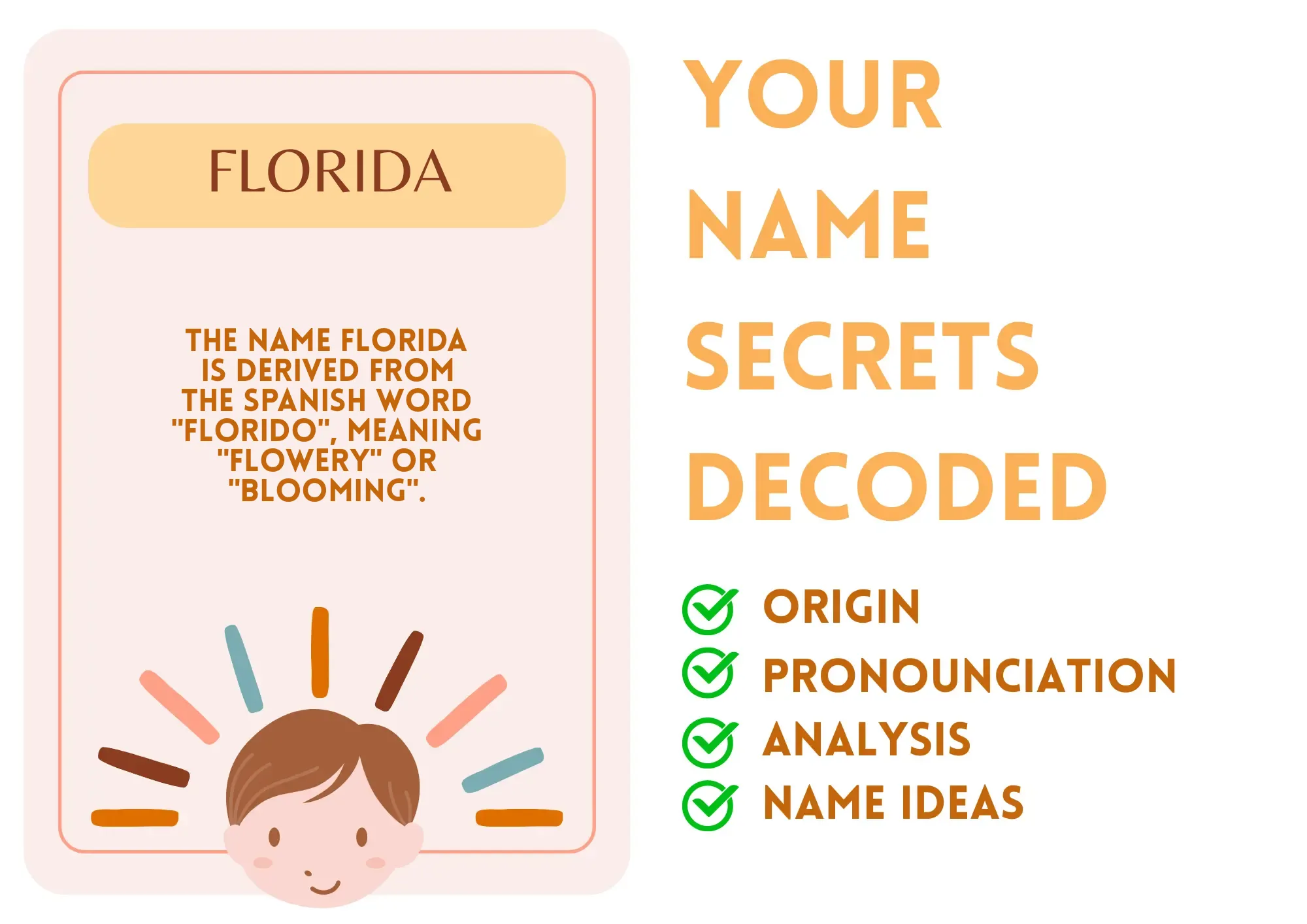
This discovery occurred during the Easter season. In Spanish, Easter is celebrated as “Pascua,” and the week or period of Easter is often referred to as “Pascua Florida.” “Florida” itself translates to “flowery” or “full of flowers.” Therefore, “Pascua Florida” signifies “Flowery Easter” or “Easter of Flowers.”
Upon landing, Ponce de León and his crew were struck by the lush vegetation and abundant flora that characterized the peninsula. The landscape was alive with vibrant colors and a profusion of flowers, a sight that deeply impressed them. It was this overwhelming sense of natural beauty and abundance, coinciding with the auspicious Easter period, that inspired them to name the new territory “La Florida.” The name served as a dual tribute: to the season of their arrival and to the land’s captivating, flower-adorned appearance.
This naming convention was common among Spanish explorers. They often bestowed names on newly discovered lands based on the day of discovery, religious festivals, or prominent natural features. In the case of Florida, it was a harmonious confluence of a religious observance and the land’s inherent beauty.
Historical Significance and Early Cartography
The name “Florida” quickly became established on maps and in official records. Early cartographers, relying on the accounts of explorers like Ponce de León, began to depict this new territory. The name stuck, evolving over centuries but retaining its original Spanish essence. This historical precedent is crucial for understanding not just the meaning of the word but also the early European perception of the region.
The initial Spanish exploration was driven by a desire for expansion, riches, and the spread of Christianity. While Ponce de León was searching for new lands, possibly rumored to contain gold, his discovery of “La Florida” yielded a different kind of treasure: a name that perfectly encapsulated the vibrant, verdant, and seemingly paradise-like environment he encountered.

Beyond the Flowers: Exploring the Rich Tapestry of “Florida”
While the literal translation of “Florida” as “flowery” is the primary etymological root, the name has come to symbolize much more for travelers and residents alike. The modern state of Florida is a vast and diverse region, and its name now conjures images far beyond just blooming landscapes. From the pristine beaches of the Gulf Coast to the bustling metropolises of Miami and Orlando, the essence of “flowery” has expanded to encompass a wealth of experiences.

The Allure of Florida: A Traveler’s Paradise
The website’s focus on travel, hotels, tourism, accommodation, landmarks, and lifestyle perfectly aligns with the broad appeal of the state named “Florida.” It’s a destination that offers something for everyone, from the thrill-seeker to the relaxation enthusiast, the history buff to the foodie.
Travel and Destinations: The very idea of travel to Florida immediately brings to mind iconic attractions. Think of the world-famous theme parks in Orlando, such as Walt Disney World Resort and Universal Orlando Resort, which draw millions of visitors annually. Beyond the magic kingdoms, there are the natural wonders like the Everglades National Park, a subtropical wilderness teeming with unique wildlife, and the stunning coral reefs off the coast of Key West, perfect for diving and snorkeling. For those seeking a more laid-back experience, the charming historic streets of St. Augustine, the nation’s oldest continuously inhabited European-established settlement, offer a deep dive into colonial history. The diverse landscapes, from the sandy shores of the Atlantic Coast to the serene waters of the Gulf Coast, ensure that every traveler finds their perfect niche.
Hotels and Accommodation: To fully appreciate the diverse offerings of Florida, a wide array of accommodation options are available. From luxurious beachfront resorts like the Fontainebleau Miami Beach to charming boutique hotels in historic districts and family-friendly villas in Orlando, there’s a place to stay for every budget and preference. Travelers can explore options for suites with breathtaking ocean views, apartments for longer stays, and private villas offering a secluded escape. Websites dedicated to accommodation comparison and reviews help visitors secure the best deals and find lodgings that perfectly complement their travel style, whether it’s a romantic getaway, a family adventure, or a business trip.
Tourism, Culture, and Food: The tourism sector in Florida is as vibrant as its name suggests. Local culture is a rich blend of influences, from its Spanish heritage to its significant Latin American and Caribbean populations. This diversity is most evident in its culinary scene. Visitors can savor fresh seafood, enjoy Cuban sandwiches in Miami, or indulge in key lime pie, a quintessential Florida dessert. Activities abound, from airboat tours through the Everglades to exploring the art deco architecture of Miami Beach. Local tips often highlight hidden gems, lesser-known attractions, and authentic dining experiences that go beyond the typical tourist trails, offering a deeper connection to the state’s unique character.
Landmarks and History: Florida is dotted with historical landmarks and natural wonders that draw visitors from around the globe. The Castillo de San Marcos National Monument in St. Augustine, a massive 17th-century Spanish stone fortress, stands as a powerful reminder of the state’s colonial past. The impressive architecture of the Vizcaya Museum & Gardens in Miami offers a glimpse into the opulent lifestyle of early 20th-century industrialists. Nature enthusiasts can marvel at the unique ecosystems, including the stunning coral formations of the Florida Keys and the unique cypress swamps. These landmarks are not just points of interest; they are gateways to understanding the deep history and diverse natural beauty of the region.
Lifestyle and Travel Styles: The “flowery” essence of Florida is reflected in its varied lifestyle offerings. It caters to luxury travel with its high-end resorts and exclusive experiences, but also provides accessible options for budget travelers. Family trips are a staple, with countless activities designed to entertain children of all ages, from educational marine parks to thrilling amusement rides. Business stays are also common, with Florida being a significant hub for conferences and corporate events, offering excellent facilities and convenient accommodation. Whether seeking a lavish escape or a practical, budget-friendly adventure, Florida lives up to its name by offering a vibrant and blossoming experience for every type of traveler.
In essence, the Spanish meaning of “Florida” as “flowery” or “full of flowers” is a beautiful starting point, but the reality of the state extends far beyond this initial impression. It encompasses a rich tapestry of history, culture, adventure, and relaxation, making it a perennial favorite for explorers and vacationers seeking sunshine, beauty, and unforgettable experiences. The name itself, born from a combination of religious observance and natural splendor, perfectly encapsulates the enduring allure of this extraordinary part of the United States.