
Navigating the complexities of identification in the modern travel landscape can be daunting, especially with evolving federal requirements. For residents and frequent visitors of the Sunshine State, understanding the Florida REAL ID is no longer just a recommendation but a necessity. As a hub for tourism, diverse accommodations, and iconic landmarks, Florida sees millions of people moving through its airports and facilities annually. From the bustling international terminals of Miami and Orlando to the serene landscapes of Everglades National Park or the historic charm of Key West, seamless travel hinges on proper identification. This comprehensive guide will not only illuminate the visual characteristics of a Florida REAL ID but also delve into its critical importance for domestic air travel, accessing federal facilities, and ensuring a hassle-free lifestyle in and around the United States. Whether you’re planning a family trip to Walt Disney World Resort, embarking on a cruise from Port Canaveral, or simply conducting everyday business, knowing the ins and outs of this crucial document is paramount.
The Distinctive Appearance of Florida REAL ID
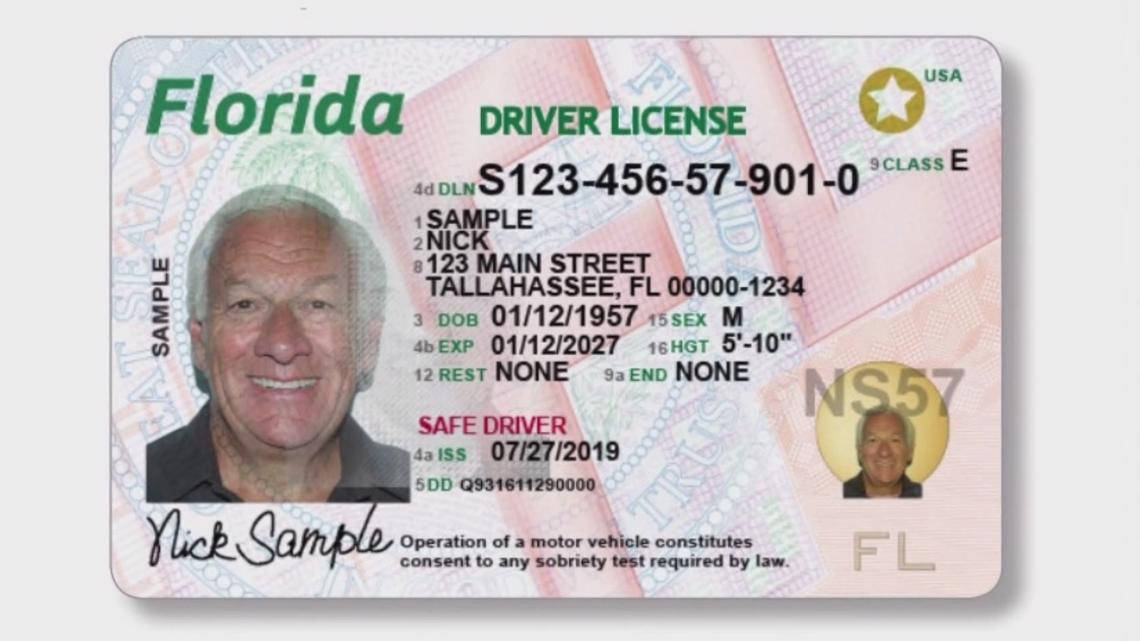
At first glance, a Florida REAL ID might seem similar to a standard driver’s license or identification card issued by the state. However, a closer look reveals a distinctive feature that sets it apart: a gold star. This small but significant emblem is the universal indicator that the document meets the stringent security standards established by the REAL ID Act of 2005, a federal law enacted in the wake of the September 11, 2001, terrorist attacks. This act mandates that federal agencies, including the Transportation Security Administration (TSA), accept only state-issued driver’s licenses and identification cards that meet these elevated security benchmarks.
Key Visual Identifiers
The gold star is prominently displayed in the upper right-hand corner of the card. Its presence signifies that the cardholder has provided enhanced proof of identity, Social Security number, and residency, ensuring a higher level of confidence in the identity verification process. Beyond the star, the Florida REAL ID maintains the familiar design elements characteristic of other Florida identification documents. These typically include:
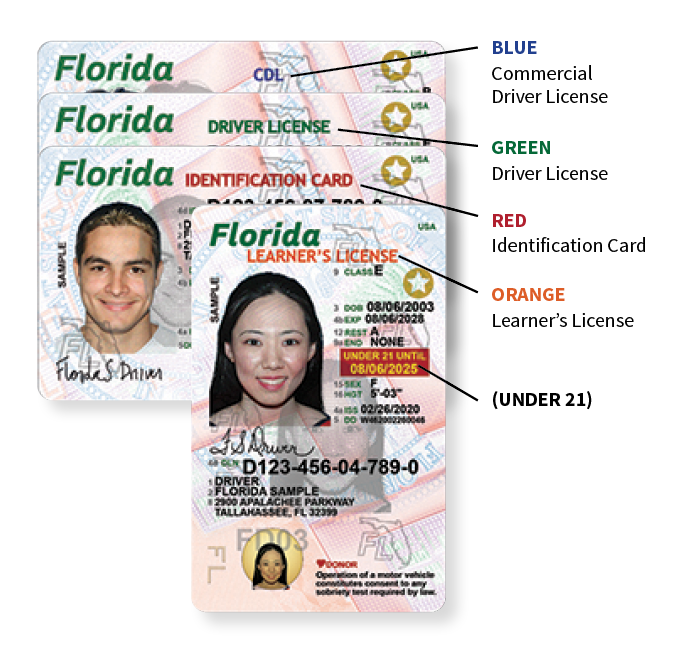
- Color Scheme and Imagery: Florida IDs feature a standard design with varying color schemes that differentiate between driver’s licenses (often blue or green hues) and identification cards (sometimes with a different background color). They typically incorporate the Florida state seal or other state-specific imagery, such as an orange blossom, reflecting the state’s vibrant culture and natural beauty.
- Cardholder Information: Essential personal details are clearly printed, including the cardholder’s full name, photograph, date of birth, address, signature, and physical characteristics like height and gender. The license or ID number is also prominently displayed.
- Security Features: To prevent counterfeiting and fraud, Florida REAL ID cards incorporate a range of advanced security features. These may include holograms, microprinting, tactile elements, and UV features that are only visible under ultraviolet light. These elements are consistent with the enhanced security protocols required by the Department of Homeland Security for REAL ID compliant documents.
- Back of the Card: The reverse side of the card often contains a barcode, magnetic stripe, and additional information or endorsements, such as organ donor status or specific vehicle classifications for driver’s licenses.
The overall design is clean and standardized, making it easy for officials to verify identity quickly and efficiently. The integration of high-tech security features ensures the integrity of the document, which is vital for both national security and the seamless operation of travel and financial systems.
Comparing REAL ID to Standard Florida Licenses
The primary distinction between a Florida REAL ID compliant document and a standard (non-REAL ID) Florida driver’s license or ID card lies in that small gold star. A standard Florida license or ID card, while still valid for driving and many other purposes within the state, lacks this star. This seemingly minor difference carries significant weight, particularly when it comes to federal interactions.
Before the full enforcement deadline, both types of IDs might have been accepted in certain situations. However, with the looming full enforcement date of May 7, 2025, a non-REAL ID compliant document will no longer be accepted by federal agencies for specific purposes. This means that if your Florida driver’s license or ID card does not have that gold star, you will need an alternative form of identification, such as a valid U.S. passport, to board domestic flights or access secure federal facilities.
It’s important to note that Florida does not issue “enhanced” driver’s licenses, which are another type of identification that can be used for border crossings into Canada or Mexico by land or sea. For international air travel from Florida’s major airports like those in Tampa or Fort Lauderdale, a passport is always required, regardless of whether you have a REAL ID compliant state ID. The REAL ID primarily addresses domestic air travel and access to federal buildings within the United States.
Why Your Florida REAL ID is Crucial for Travel and Beyond
The shift to REAL ID compliant documents marks a pivotal change in how identities are verified across the United States. For residents and visitors enjoying Florida’s myriad attractions, from the vibrant nightlife of South Florida to the pristine beaches of the Gulf Coast, understanding the implications of REAL ID is essential for seamless travel and daily life. This is particularly true for those who frequently use air travel or interact with government services.
Navigating Air Travel Post-May 7, 2025
The most significant impact of the REAL ID Act for the average person will be felt at airport security checkpoints. Starting May 7, 2025, every traveler 18 years of age and older will need a REAL ID compliant driver’s license or state identification card, or another acceptable form of identification such as a passport, to fly within the United States. This deadline affects anyone planning to board a domestic flight, whether it’s a short hop from Jacksonville to Miami or a cross-country journey.
Imagine planning a dream vacation to Universal Orlando Resort, a business trip to Tallahassee, or a family reunion across the country. Without a REAL ID compliant document or an alternative like a U.S. passport, you could be denied entry to the security checkpoint, leading to missed flights, forfeited bookings, and significant travel disruptions. For those utilizing Florida’s numerous airports, from Pensacola to Key West, having the correct identification is a prerequisite for any journey. The TSA has been actively working to inform the public about these changes, emphasizing that preparedness is key to avoiding last-minute stress. Therefore, for all your travel needs, be it for leisure, business, or family visits, securing your Florida REAL ID should be a priority. This ensures that your accommodation bookings, attraction tickets, and meticulously planned itineraries for Epcot, Magic Kingdom, or Busch Gardens Tampa Bay don’t go to waste due to an identification oversight.
Accessing Federal Facilities and Nuclear Power Plants
Beyond air travel, the REAL ID Act also governs access to certain federal facilities. This includes, but is not limited to, federal courthouses, military bases, and some government agency buildings. While many public-facing federal buildings may not strictly enforce REAL ID requirements for general entry, it becomes mandatory for entering secure or restricted areas. For instance, if you have business at a federal building, such as the Federal Reserve Bank or offices of the Department of Justice, your Florida REAL ID will be the acceptable form of state-issued identification.
Furthermore, access to nuclear power plants, which are considered highly secure facilities, will also require REAL ID compliant identification. While this might not affect the average tourist visiting Florida’s Atlantic Coast beaches or theme parks, it’s a critical consideration for individuals whose work or personal circumstances require entry to such sensitive locations. The consistency provided by REAL ID ensures a uniform standard of security across various federal functions, enhancing the overall safety framework of the United States.
The Process of Obtaining Your Florida REAL ID
Getting your Florida REAL ID is a straightforward process, but it requires careful preparation and an understanding of the necessary documentation. Unlike simply renewing a standard license online, obtaining a REAL ID compliant card typically requires an in-person visit to a Florida Department of Highway Safety and Motor Vehicles (DMV) office or an authorized tax collector’s office. This ensures that all required documents can be verified manually. For those living a busy lifestyle, especially professionals or families planning extensive travel, setting aside time for this appointment is a crucial step towards seamless future journeys.
Required Documentation: What to Bring
The bedrock of the REAL ID application process is the submission of specific, original documents (or certified copies) that prove your identity, Social Security number, and residential address. It’s imperative to arrive with all required paperwork to avoid delays or multiple visits. Here’s a breakdown of what you’ll generally need:
- Proof of Identity: This is perhaps the most critical component. You will need one original document that establishes your legal presence and date of birth. Accepted documents include:
- A certified U.S. birth certificate (not a hospital birth record).
- A valid unexpired U.S. passport or passport card.
- A Certificate of Naturalization.
- A Consular Report of Birth Abroad.
- For non-U.S. citizens, valid unexpired documents issued by U.S. Citizenship and Immigration Services (USCIS).

-
Proof of Social Security Number (SSN): You must present one document displaying your full SSN. Acceptable documents include:
- Your Social Security card.
- A W-2 form.
- A pay stub with your full SSN.
- Any 1099 form.
- A Social Security Administration (SSA) statement.
-
Proof of Residential Address: Two different documents showing your current residential address are required. These documents must display your name and the same address. Examples include:
- Utility bills (electricity, water, gas, cable, internet) from the last two months.
- Bank statements, credit card statements, or mortgage statements from the last two months.
- Rental or lease agreements.
- A motor vehicle registration or title.
- A homeowner’s insurance policy.
- Mail from a government agency.
-
Proof of Name Changes (if applicable): If your current name differs from the name on your birth certificate or other identity documents (due to marriage, divorce, adoption, etc.), you will need to provide original or certified legal documents that link all name changes. These might include:
- Marriage certificates.
- Divorce decrees.
- Court orders for name changes.
- Adoption records.
It is highly recommended to visit the official website of the Florida Department of Highway Safety and Motor Vehicles before your visit to review the most current and complete list of acceptable documents, as requirements can sometimes be updated.
Where to Apply and What to Expect
Once you have gathered all your documentation, the next step is to visit a local DMV or tax collector’s office that provides driver’s license services. Many locations offer online appointment scheduling, which is highly advisable to minimize wait times, especially in popular tourist regions like Orlando, Miami, Tampa, Jacksonville, St. Petersburg, or Clearwater.
During your visit, you can expect the following:
- Document Review: A representative will meticulously review all your submitted documents to ensure they meet the REAL ID requirements. This is where having all your originals and correct name change documents is crucial.
- Application Form: You will complete a standard application form for a driver’s license or ID card.
- Photo and Biometrics: A new photograph will be taken for your card. You may also be required to provide a thumbprint.
- Vision Test: If you are applying for a driver’s license, you will typically undergo a vision screening.
- Payment: There will be a fee for the issuance of your new REAL ID compliant driver’s license or identification card. Check the current fee schedule on the DHSMV website.
- Temporary Document: After successful verification and processing, you will usually receive a temporary paper document valid until your permanent REAL ID card arrives in the mail. The permanent card is typically mailed within a few weeks.
The entire process, though requiring an in-person visit and careful preparation, is designed to enhance the security and integrity of state-issued identification, aligning with federal standards and ultimately facilitating safer travel and interactions across the United States.
REAL ID and the Florida Lifestyle: Seamless Travel and Tourism
For many, Florida represents the epitome of a vibrant lifestyle, blending leisure, business, and boundless travel opportunities. From the sun-drenched beaches of Daytona Beach, Sarasota, and Naples to the thrilling theme parks like Universal Studios Florida, Islands of Adventure, SeaWorld Orlando, LEGOLAND Florida Resort, Discovery Cove, Hollywood Studios, and Animal Kingdom, the state is a magnet for tourism. The integration of REAL ID into this dynamic environment ensures that both residents and visitors can continue to enjoy these experiences with minimal friction, upholding the state’s reputation as a premier travel destination.
For Florida residents, a REAL ID compliant card becomes a cornerstone of convenient living. Whether it’s a quick flight from Gainesville to West Palm Beach for a weekend getaway, flying out of Port Everglades for a cruise, or simply traveling to another state for a family holiday, the gold star on your ID guarantees smooth passage through airport security. This peace of mind allows individuals and families to focus on the joy of travel – exploring new destinations, experiencing diverse cultures, and creating lasting memories – rather than worrying about bureaucratic hurdles.
For the tourism industry, REAL ID indirectly supports a seamless visitor experience. While international tourists typically rely on their passports, domestic travelers form a significant portion of Florida’s visitor base. Ensuring these visitors have appropriate identification reduces delays at airports, which, in turn, contributes to a positive first impression of their Florida trip. Hotels and accommodation providers, from luxury resorts to budget-friendly apartments, also benefit from the clarity and security that REAL ID offers during check-in processes. A recognized and secure ID makes identity verification quicker and more reliable, enhancing safety for guests and staff alike. This allows for a focus on delivering exceptional guest experiences, whether it’s a lavish stay at a five-star hotel or a cozy long-term rental near the Florida Keys.
In conclusion, the Florida REAL ID, identifiable by its distinctive gold star, is much more than just a new version of your driver’s license or state ID. It is a critical document that aligns with federal security standards, ensuring that residents and visitors can continue to enjoy unrestricted domestic air travel and access to federal facilities. By understanding its appearance, importance, and the straightforward process of obtaining it, you are not just complying with federal law; you are investing in a future of effortless travel and a secure, enjoyable Florida lifestyle. Be prepared, get your REAL ID, and keep exploring all that Florida and beyond have to offer.