
Navigating the myriad of accommodation options and their associated meal plans can often feel like deciphering a complex travel lexicon. From “room only” to “all-inclusive,” each term carries specific implications for your stay, budget, and overall experience. Among these, “half board” stands out as a particularly popular and versatile choice, offering a balanced approach to dining that appeals to a wide range of travelers. Understanding what half board entails is crucial for making an informed decision that aligns with your travel style, financial plan, and desire for exploration.
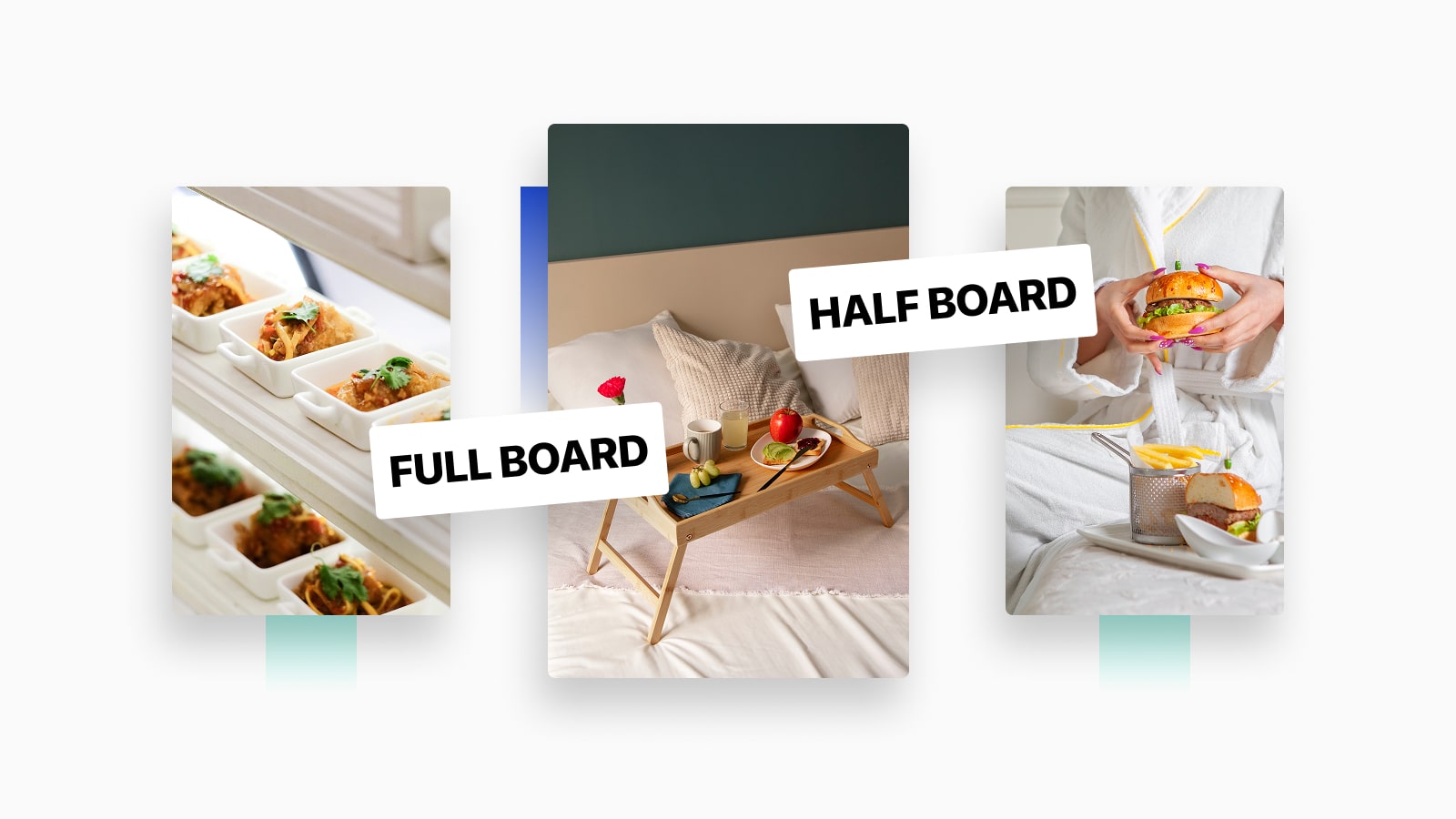
In essence, half board is a meal plan offered by hotels, resorts, and various other accommodation providers that typically includes two meals a day: breakfast and dinner. This arrangement strikes a harmonious balance between the full freedom of a room-only stay and the comprehensive coverage of an all-inclusive package. It’s an option that provides convenience without entirely sacrificing the opportunity to immerse yourself in local culinary experiences beyond the hotel’s confines.
Understanding Half Board: Definition and Core Inclusions
The concept of half board is straightforward, yet its nuances can vary slightly from one establishment to another. At its core, it promises to cover your first and last meals of the day, ensuring you start mornings energized and conclude evenings satisfied, leaving your midday free for adventure.
The Basics: Breakfast and Dinner
When you book a half board package, you can generally expect your stay to include two distinct meals daily:
- Breakfast: This is almost universally a given with half board. Hotels typically offer a comprehensive breakfast spread, which can range from a continental buffet to a lavish American-style or full English breakfast. Depending on the hotel’s star rating and location, you might find an array of pastries, fruits, cereals, yogurts, hot dishes like eggs and bacon, along with coffee, tea, and juices. This ensures you kickstart your day with a substantial meal before heading out to explore.
- Dinner: The second meal included is dinner. This is where variety and specifics can come into play. Many hotels provide a buffet dinner, offering a wide selection of dishes to cater to different tastes and dietary needs. Others might offer a set menu or allow you to dine à la carte within a specific credit or from a limited menu. The quality and style of dinner can vary significantly, from casual dining to more formal experiences, depending on the hotel’s overall offering.
The inclusion of these two meals aims to provide a sense of security and pre-paid convenience, reducing the need to constantly budget for and seek out dining options for the majority of your daily meals. This can be particularly appealing in destinations where dining out frequently might be expensive or where you prefer the comfort of knowing your main meals are already taken care of.
What’s Usually Excluded: Drinks and Lunch
While half board takes care of breakfast and dinner, it’s equally important to understand what it typically does not cover:
- Drinks: A common misconception is that drinks are included with half board meals. In most cases, drinks served with dinner (and sometimes even breakfast, beyond basic coffee/tea/juice) are charged separately. This includes alcoholic beverages, soft drinks, bottled water, and often even specialty coffees. It’s always wise to clarify the hotel’s specific policy regarding drinks to avoid unexpected charges on your bill at check-out. Some hotels might offer drink packages or allow you to upgrade to a full board or all-inclusive option if you anticipate consuming many beverages.
- Lunch: This is the primary meal left open by the half board option. The absence of an included lunch is precisely what grants travelers the flexibility to venture outside the hotel during the day. It allows for spontaneous picnics, trying local eateries in a new city, or simply grabbing a quick bite while sightseeing without feeling tied to the hotel’s dining schedule or menu. For those planning extensive daytime excursions, this freedom is often a significant advantage.
By clearly understanding these inclusions and exclusions, travelers can better plan their daily activities and budget, ensuring a seamless and enjoyable holiday experience. This allows for an optimal balance between the comfort of hotel dining and the excitement of discovering local culture through its cuisine.
Half Board vs. Other Meal Plans: Making the Right Choice
Choosing the right meal plan is a pivotal decision that can significantly impact your travel budget, daily itinerary, and overall satisfaction. Half board sits comfortably in the middle of a spectrum of options, each designed to cater to different traveler preferences and trip types. Understanding how it compares to other common plans like Room Only, Bed & Breakfast, Full Board, and All-Inclusive will help you determine if it’s the perfect fit for your next adventure.
Room Only (RO) and Bed & Breakfast (B&B)
These two options offer the least comprehensive meal coverage, providing maximum flexibility for those who wish to explore local dining scenes extensively.
- Room Only (RO): As the name suggests, this plan provides just the accommodation. No meals are included. This is ideal for independent travelers, budget-conscious backpackers, or those staying in self-catering apartments with kitchen facilities. If your goal is to sample every local restaurant, street food vendor, and cafe, or if you plan to be out from dawn till dusk without returning to the hotel, Room Only is your most liberating choice. It offers unparalleled freedom but also requires the most planning and budgeting for meals throughout your stay.
- Bed & Breakfast (B&B): A step up from Room Only, B&B includes accommodation and breakfast. This is a popular choice for many travelers who appreciate starting their day with a convenient and satisfying meal at their lodging but prefer the freedom to choose their lunch and dinner options. B&B is perfect for those who enjoy exploring local attractions and dining out in the evenings. It strikes a good balance for sightseers and culture enthusiasts who don’t want to be tied down to hotel dining schedules for lunch and dinner. London or Rome visitors often opt for B&B to experience the vibrant culinary scenes.
Half board distinguishes itself from B&B by adding dinner, offering more structure for evening meals while still allowing daytime independence, making it suitable for those who want to avoid the hassle of finding dinner every night but still enjoy a flexible midday.
Full Board (FB) and All-Inclusive (AI)
At the other end of the spectrum are plans that offer more extensive meal coverage, providing a hassle-free experience with fewer out-of-pocket expenses during your stay.
- Full Board (FB): This plan includes accommodation, breakfast, lunch, and dinner. It’s a comprehensive option that takes care of all your main meals at the hotel. Full board is often favored by families with young children, travelers on cruise ships, or those who prefer to spend most of their time enjoying the hotel’s amenities without venturing far. While it covers all meals, similar to half board, drinks are usually not included and will be charged extra. This means you’ll still need to budget for beverages throughout the day.
- All-Inclusive (AI): The most extensive meal plan, all-inclusive, typically covers accommodation, breakfast, lunch, dinner, snacks, and a wide range of beverages (alcoholic and non-alcoholic) throughout the day. Some premium all-inclusive packages might even include activities, entertainment, and non-motorized water sports. This option is incredibly popular for resort holidays, especially in destinations like the Caribbean, Mexico, or parts of the Mediterranean. It offers a completely worry-free experience, allowing guests to relax without constantly reaching for their wallets. However, it can limit the incentive to explore local restaurants and culture, as much of the value lies within the hotel’s offerings. Resorts such as the Secrets Resorts & Spas in Cancun exemplify this model.
Compared to Full Board and All-Inclusive, half board offers a middle ground. It provides the convenience of two pre-paid meals, reducing daily decision-making, but maintains enough flexibility to engage with the local environment for lunch. This makes it an excellent choice for travelers who want a balance between convenience and cultural immersion.
The Advantages of Choosing Half Board
Opting for a half board meal plan brings a host of benefits that cater to various travel preferences, budgets, and lifestyles. It’s a strategic choice for those seeking a blend of convenience, cost control, and the freedom to explore.
Cost-Effectiveness and Budget Control
One of the most compelling reasons to choose half board is its potential for significant cost savings and better budget management. By pre-paying for your breakfast and dinner, you lock in the cost of a substantial portion of your daily meals before you even arrive at your destination.
- Reduced Daily Expenses: Without half board, you’d be paying for three meals a day, plus any snacks, which can quickly add up, especially in tourist-heavy areas where restaurant prices are inflated. Half board eliminates the need to pay for two of these meals out of pocket each day, often at a rate cheaper than if you were to purchase them separately at the hotel or even at comparable external restaurants.
- Predictable Spending: For travelers who like to plan their finances meticulously, half board offers a predictable expenditure for food. This helps in allocating funds more accurately for excursions, shopping, or other discretionary spending, preventing budget overruns. It takes the guesswork out of daily meal costs, especially for dinner, which can often be the most expensive meal of the day.
- Value in High-Cost Destinations: In destinations where dining out can be exceptionally pricey, such as Switzerland or luxury resorts in the Maldives, a half board option can provide excellent value. Hotels like the Conrad Maldives Rangali Island often feature high-end restaurants, and having dinner included can represent significant savings.
Flexibility for Daytime Exploration and Local Dining
While offering structure for breakfast and dinner, half board strategically leaves the midday meal open, providing invaluable flexibility for how you spend your days.
- Freedom to Roam: For travelers who love to sightsee, hike, or simply wander through new cities, half board means you’re not tied to the hotel for lunch. You can spend your entire day exploring museums, historical landmarks like the Colosseum in Rome, or relaxing on a beach without the pressure to return to your accommodation for a meal. This flexibility is particularly beneficial for those with packed itineraries or those on adventure holidays.
- Embrace Local Cuisine: One of the joys of travel is experiencing local culture through its food. With lunch not included, half board actively encourages travelers to venture out and try local eateries, street food, or charming cafes specific to their destination. Imagine savoring authentic tapas in Spain or a traditional pasta dish in Italy for lunch, without feeling like you’re missing out on a pre-paid meal at the hotel. This enhances the overall tourism experience and provides a deeper cultural immersion.
- Spontaneity: Whether it’s a spontaneous picnic in a beautiful park, a quick sandwich from a local deli, or a leisurely lunch at a beachfront restaurant, half board allows for spontaneous decisions regarding your midday meal. This adaptability caters to various moods and situations that might arise during your travels.
Convenience and Reduced Planning Stress
Beyond financial and exploratory benefits, half board offers a significant level of convenience that can reduce the stress of daily planning.
- Morning and Evening Comfort: Knowing that your breakfast is ready when you wake up and a satisfying dinner awaits your return provides immense comfort. You don’t have to scramble to find a breakfast spot early in the morning or spend precious evening time searching for a suitable restaurant after a long day of activities. This is especially valuable for families or those who prefer a more relaxed approach to their evenings.
- Time-Saving: The time saved not having to plan or commute to breakfast and dinner venues each day can be redirected towards more enjoyable activities, relaxation, or further exploration. This convenience makes half board a popular choice for those on short breaks or business travelers who want to maximize their time.
- Ideal for Specific Trip Types: Half board is often an ideal solution for ski holidays in the Alps, where skiers are typically out on the slopes all day and prefer to eat lunch at mountain restaurants but want a hearty breakfast and dinner at their hotel or chalet. Similarly, it’s great for city breaks where travelers spend their days sightseeing but appreciate the ease of hotel dining in the evenings.
In summary, half board is a versatile and advantageous choice for many, offering a sweet spot between comprehensive coverage and the freedom to explore, all while helping manage travel budgets effectively.
Potential Drawbacks and Important Considerations

While half board presents numerous advantages, it’s important for travelers to be aware of its potential drawbacks and specific considerations before booking. Understanding these aspects will help manage expectations and ensure a smoother, more enjoyable travel experience.
Lunchtime Logistics and Extra Costs
The very flexibility that half board offers for lunch can sometimes become a logistical challenge or an unexpected cost if not planned for.
- Unplanned Lunch Expenses: While half board saves on dinner, you are still responsible for lunch. If you don’t plan adequately, you might find yourself grabbing quick, potentially expensive, or unhealthy options on the go. In some remote resort areas, external lunch options might be limited, forcing you back to the hotel’s (often pricey) à la carte lunch menu, negating some of the cost savings.
- Time Constraints: For travelers with very packed schedules or those on guided tours, finding a convenient and quick lunch spot outside the hotel might sometimes feel like an added chore rather than a freedom. If your tours take you far from urban centers, lunch options might be scarce.
- The “Half Board Trap”: Some travelers, despite having the freedom, might find themselves opting for convenience and eating at the hotel for lunch anyway, especially if they are tired or if the hotel’s casual dining options are appealing. This effectively turns a half board stay into a full board stay with separate charges for lunch, potentially making it more expensive than if they had booked full board upfront.
Limited Dining Variety within the Hotel
Another point of consideration is the potential for repetitive dining experiences within the hotel, particularly if your stay is extended.
- Repetitive Menus: While hotels strive for variety, the dinner menu under a half board plan (especially buffet style) might become repetitive over a week or more. If the hotel has only one main restaurant included in the half board, you might find yourself eating similar dishes night after night. This can lead to “menu fatigue” and a craving for external dining options.
- Lack of Choice for Specific Diets: While most reputable hotels cater to common dietary restrictions (vegetarian, gluten-free, etc.), the options within a fixed half board menu might be more limited compared to what you’d find by exploring a diverse range of restaurants outside. If you have very specific or strict dietary needs, it’s crucial to communicate these with the hotel in advance and check reviews for their flexibility.
- Quality Variations: The quality of half board meals can vary significantly between hotels. Some offer gourmet dining experiences, while others might provide more basic, mass-catered fare. Researching hotel reviews and dining experiences is essential to set realistic expectations.
Drink Policies and Hidden Expenses
The most common area for unexpected costs with half board is the drinks policy, which is almost universally not included.
- Beverage Bills: As mentioned earlier, even a glass of water, a soft drink, or a coffee with dinner can add up quickly over several days. Alcoholic beverages, in particular, can significantly inflate your final bill. Many travelers overlook this, assuming some basic drinks would be part of the package, leading to an unwelcome surprise at check-out.
- Upcharge for Specialty Items: Some hotels might have specific sections of the menu or specialty items (e.g., premium cuts of meat, seafood platters) that incur an additional charge even during included meals. Clarifying what is fully covered and what might require an extra fee is advisable upon arrival.
- Minibar and Room Service: Remember that any items consumed from the minibar or ordered via room service are always extra charges and fall outside the half board plan. It’s easy to forget this in the comfort of your room.
To mitigate these potential drawbacks, proactive research and communication are key. Always read the fine print of your booking, check recent guest reviews regarding food quality and variety, and don’t hesitate to contact the hotel directly with specific questions about their half board inclusions, drink policies, and any dietary requirements. This diligence will ensure that your half board experience truly enhances your trip rather than creating unexpected inconveniences.
Who Should Choose Half Board? Ideal Traveler Profiles
Half board isn’t a one-size-fits-all solution, but it truly shines for specific types of travelers and holiday styles. Its unique blend of convenience and flexibility makes it an optimal choice for those who appreciate both structured comfort and the freedom to explore.
Explorers and Sightseers
For the adventurous souls whose primary goal is to immerse themselves in the destination’s attractions, culture, and natural beauty, half board is often an excellent fit.
- City Break Enthusiasts: Imagine spending your days wandering through the historic streets of Prague, exploring the Louvre Museum in Paris, or hiking the rugged trails of Cinque Terre in Italy. These activities typically extend through midday, making it impractical to return to your hotel for lunch. With half board, you can grab a quick, authentic bite at a local bistro or a sandwich from a market stand, fully embracing the local ambiance, without feeling you’ve paid for a lunch you won’t eat at the hotel.
- Culture Seekers: Travelers keen on experiencing local life beyond the tourist traps often prioritize sampling diverse culinary delights. Half board allows them to enjoy the convenience of their hotel’s breakfast and dinner, while using lunchtime as an opportunity to seek out traditional dishes, street food, and hidden gastronomic gems in the local community.
- Active Holidaymakers: Whether it’s a ski holiday in the French Alps or a beach holiday where you’ll be swimming and sunbathing all day, half board caters to an active schedule. You can have a hearty breakfast, pack a snack or buy lunch on the go, and then look forward to a relaxing dinner back at the hotel without the stress of finding a restaurant after a tiring day.
Families and Couples Seeking Balance
Half board often provides a sweet spot for families and couples who desire a degree of convenience and budget predictability without feeling overly restricted.
- Families with Varied Preferences: Parents often appreciate the ease of knowing that breakfast and dinner are sorted, reducing daily meal-time negotiations and expenses. Children can enjoy familiar options at the hotel, while parents still have the option to explore different lunch spots. The evening meal provides a comfortable, hassle-free way to end the day together.
- Couples Desiring Both Romance and Exploration: For couples, half board offers a romantic dinner setting at the hotel on some nights, balanced with the flexibility to enjoy intimate lunches at local cafes or beachfront restaurants. It strikes a harmony between planned ease and spontaneous discovery, perfect for a romantic getaway to destinations like Santorini or the Amalfi Coast.
- Travelers on Moderate Budgets: Those who are budget-conscious but don’t want to compromise entirely on comfort and convenience will find half board an attractive option. It offers significant savings compared to booking full board or paying for all meals separately, while still allowing for enjoyable dining experiences outside the hotel.
Travelers on a Moderate Budget
Half board is an excellent choice for individuals or groups managing their travel expenses carefully, as it provides a predictable spend for the two most substantial meals of the day.
- Cost-Conscious but Comfort-Seeking: These travelers want good value without necessarily roughing it. Half board allows them to enjoy a comfortable hotel stay with planned meals, providing peace of mind about essential sustenance, while still having budget left for activities, shopping, and varied lunch experiences.
- Longer Stays in Specific Locations: For those planning an extended stay in a single location, such as a Mediterranean coastal town or a resort in the Canary Islands, half board can be an incredibly practical choice. It reduces the cumulative cost of dining out every single night while allowing for exploration of local markets and casual eateries during the day.
In essence, if your travel style involves a blend of hotel comfort, external exploration, and thoughtful budget management, then a half board plan is very likely to be your ideal accommodation solution, enabling a fulfilling and stress-free holiday.
Maximizing Your Half Board Experience
Choosing a half board package is the first step; making the most of it requires a bit of forethought and strategic planning. By being proactive and informed, you can elevate your stay, ensuring you reap all the benefits and avoid common pitfalls.
Researching Hotel Dining Options
Before you even book, and certainly before you arrive, delve into the specifics of your chosen hotel’s half board offering. Not all half board plans are created equal, and understanding the nuances can greatly impact your satisfaction.
- Read Reviews and Menus: Consult recent guest reviews on travel websites and the hotel’s official site. Pay close attention to comments about the quality, variety, and presentation of the breakfast and dinner meals. If available, review sample menus online. Does the dinner typically consist of a buffet, a set menu, or an à la carte allowance? This insight can help manage expectations about meal quality and prevent “menu fatigue” during longer stays.
- Understand Drink Policies: This is a crucial area for potential hidden costs. Confirm whether any drinks (even water, juice, or coffee beyond breakfast) are included with dinner. If not, inquire about drink packages or whether bringing your own non-alcoholic beverages to dinner is permitted (though this is rare in most hotels). Knowing this upfront helps you budget accordingly and avoid surprises on your bill.
- Check for Multiple Restaurants: Some larger resorts, such as those found in Dubai or Phuket, may have multiple dining venues. Find out if your half board plan allows you to dine in different restaurants, and if there are any supplements for specialty venues. For instance, the Atlantis The Palm in Dubai offers various dining experiences, and understanding which ones are part of your package is key.
- Dietary Accommodations: If you have allergies, dietary restrictions (e.g., vegetarian, vegan, gluten-free), or specific preferences, contact the hotel in advance. Confirm their ability to cater to your needs within the half board framework. This ensures a comfortable and safe dining experience throughout your stay.
Exploring Local Culinary Scenes
The open lunch slot is a fantastic opportunity to truly immerse yourself in the local food culture. Embrace this freedom to discover authentic flavors and unique dining experiences outside your hotel.
- Local Markets and Street Food: Many destinations boast vibrant local markets, like the La Boqueria in Barcelona, where you can sample fresh produce, local cheeses, pastries, and delicious street food at affordable prices. This is often the most authentic way to experience a region’s gastronomy.
- Traditional Eateries and Cafes: Research local, non-touristy restaurants and cafes that serve regional specialties. Websites like TripAdvisor or local food blogs can be invaluable resources. Trying a local specialty for lunch offers a different culinary perspective than what your hotel might offer.
- Picnics: For a budget-friendly and charming lunch experience, visit a local grocery store or bakery, pick up some fresh bread, cheese, cured meats, and fruit, and enjoy a picnic in a picturesque park or by a scenic viewpoint. This is particularly delightful in places with stunning natural beauty, like the Lake District or Tuscany.
- Plan Day Trips with Lunch in Mind: If you’re embarking on a day trip, research lunch options in the area you’ll be visiting. Knowing where you might stop for a bite can save time and prevent you from settling for an overpriced tourist trap.
Understanding Drink Packages and Upgrades
To avoid surprises with your final bill, especially regarding beverages, it’s wise to consider your drink consumption habits.
- Pre-purchased Drink Packages: Some hotels offer separate drink packages that can be added to your half board plan. These might include unlimited soft drinks, a certain number of alcoholic beverages per day, or a discount on drinks. If you anticipate consuming a fair amount of beverages, calculating if a package makes financial sense could save you money in the long run.
- Consider Upgrading: If, after assessing your needs, you realize that you’ll likely want lunch at the hotel frequently, or if you plan to enjoy many alcoholic beverages, it might be more cost-effective to upgrade to a full board or even an all-inclusive package if available. Sometimes the difference in price is less than what you would spend on à la carte lunches and drinks.
- Bring Your Own Water/Snacks: For daytime excursions, carrying your own reusable water bottle and some snacks can be a simple yet effective way to save money and stay hydrated without relying on convenience stores or tourist kiosks.
By applying these strategies, your half board holiday can be a seamless blend of relaxing convenience and exciting exploration, perfectly tailored to your personal preferences and ensuring excellent value for your travel investment. It’s a choice that empowers travelers to customize their culinary journey while keeping a firm grip on their budget.
In conclusion, “half board” is far more than just a meal plan; it’s a strategic travel choice that offers a superb balance for a wide array of travelers. It provides the comfort and predictability of having your breakfast and dinner pre-arranged, liberating you from daily dining decisions for these key meals. Simultaneously, it grants you the invaluable freedom to immerse yourself in local culture, explore diverse culinary landscapes during lunch, and tailor your daytime adventures without being tethered to a hotel schedule. Whether you are an avid sightseer keen to sample street food in Hanoi, a family seeking hassle-free evenings after a day on the beaches of Majorca, or a couple enjoying a romantic escape with flexible lunch dates in Lisbon, half board presents a compelling and often cost-effective solution. By understanding its inclusions, acknowledging its exclusions, and employing smart planning, you can unlock the full potential of your half board stay, ensuring a memorable and perfectly balanced holiday experience that combines the best of hotel convenience with the thrill of independent exploration.
LifeOutOfTheBox is a participant in the Amazon Services LLC Associates Program, an affiliate advertising program designed to provide a means for sites to earn advertising fees by advertising and linking to Amazon.com. Amazon, the Amazon logo, AmazonSupply, and the AmazonSupply logo are trademarks of Amazon.com, Inc. or its affiliates. As an Amazon Associate we earn affiliate commissions from qualifying purchases.