
Embarking on a journey, whether it’s a relaxing beach escape, an adventurous ski trip, or a bustling city break, often involves meticulous planning. Beyond choosing your destination and activities, one of the most significant decisions you’ll make revolves around your accommodation’s meal plan. Among the various options available, “half board” stands out as a popular choice, striking a balance between convenience and flexibility for many travelers. But what exactly does half board mean in hotels, and is it the right option for your next adventure?
In essence, a half board meal plan typically includes two meals a day: breakfast and dinner. This arrangement is common across a wide spectrum of lodging, from cozy boutique hotels to expansive luxury resorts. While breakfast is almost always an expected inclusion, the dinner component offers travelers the security of a guaranteed evening meal without being tethered to the hotel for lunch. This article will delve deep into the concept of half board, exploring its advantages, potential drawbacks, and helping you determine if it aligns with your travel style and preferences.
Understanding the Half Board Concept
The term “half board” is a common offering within the hospitality industry, signifying a specific meal arrangement provided by hotels and resorts. To fully appreciate its value, it’s crucial to understand its core definition, where it tends to be most prevalent, and what kind of culinary experience one can generally expect.
The Core Definition
At its heart, half board means that your hotel booking covers two meals per day: breakfast and dinner. The breakfast is typically served in the morning, ranging from a continental spread to a full English or American buffet, depending on the hotel’s location and standard. Dinner is usually offered in the evening, providing a substantial meal after a day of exploration or relaxation.
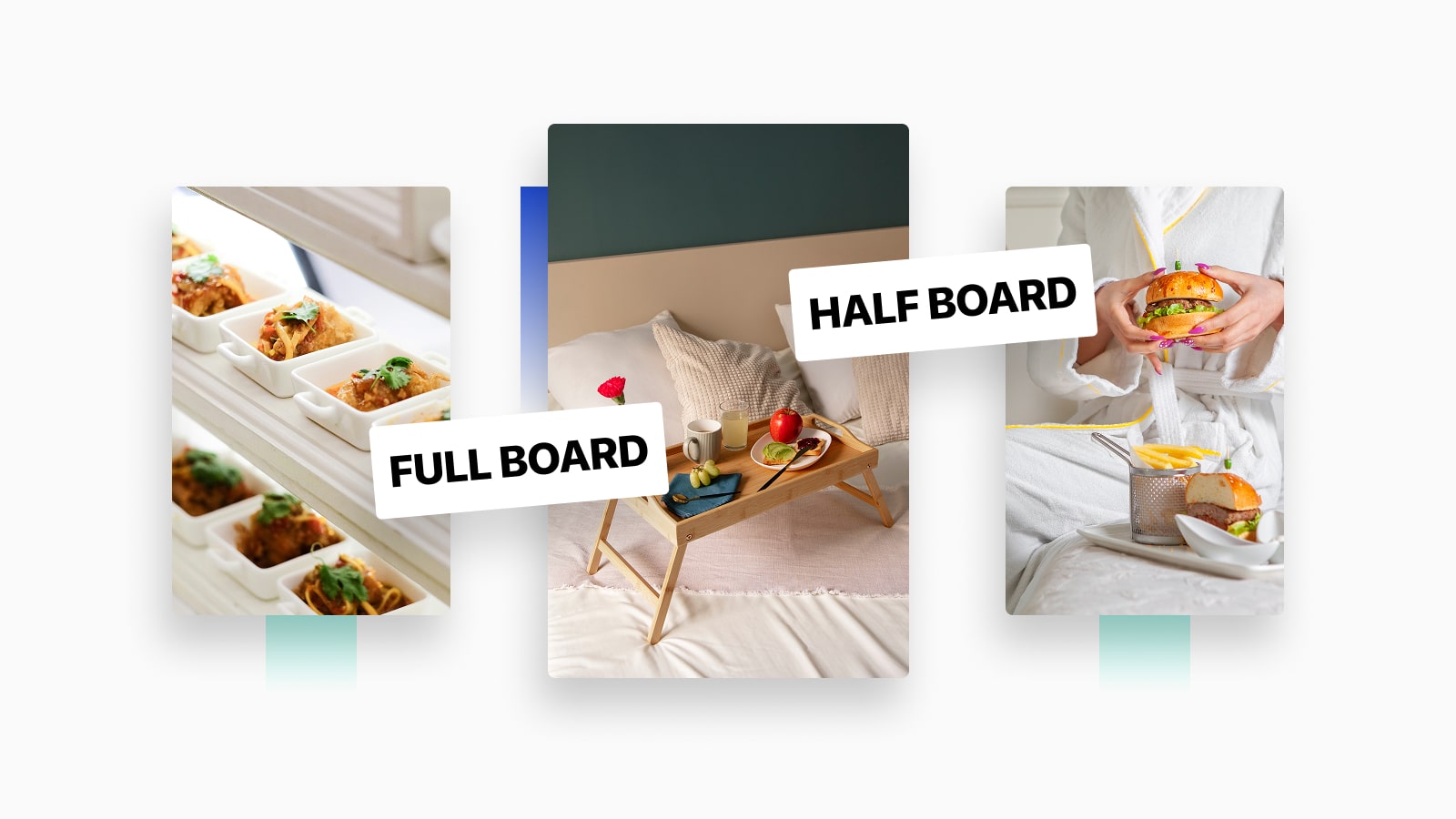
It’s vital to note a key exclusion: drinks. Unless explicitly stated otherwise, beverages during both breakfast and dinner are generally not included in the half board price. This means water, soft drinks, juices, coffee (beyond what might be part of a standard breakfast buffet), and alcoholic beverages will typically incur an additional cost. This distinction is crucial as it sets half board apart from other popular meal plans such as “bed and breakfast” (which only includes breakfast), “full board” (which includes breakfast, lunch, and dinner, usually without drinks), and the comprehensive “all-inclusive” option (which typically covers all meals, snacks, and a selection of local beverages, both alcoholic and non-alcoholic). Understanding these differences helps travelers budget and plan their daily activities more effectively.
Where Half Board Shines
Half board arrangements tend to be particularly popular and beneficial in specific types of destinations and holiday scenarios. It truly shines in environments where travelers plan to be out and about during the day but prefer the convenience of having their main evening meal taken care of.
For instance, beach holidays in popular destinations like the Maldives, Cancun, or the Greek Islands often feature half board as a prime choice. Guests spend their days swimming, sunbathing, or enjoying water sports, and then return to the comfort of their resort for a relaxed dinner. Similarly, ski resorts across the Swiss Alps or the French Pyrenees frequently offer half board. Skiers and snowboarders exert a lot of energy on the slopes and appreciate not having to search for a restaurant after a long day, instead enjoying a hearty meal back at their accommodation.
Certain city breaks, especially those where hotels are slightly outside the main dining areas, or for travelers who prefer to minimize decision-making in the evenings, can also benefit. For example, a stay at a resort-style hotel near Disneyland Paris might make half board an appealing option for families, simplifying meal times after a day of theme park fun. It provides a structured dining experience without sacrificing the opportunity to explore local eateries for lunch or grab a quick bite while sightseeing.

Typical Meal Offerings
The quality and style of meals included in a half board package can vary significantly depending on the hotel category, location, and the specific property’s culinary philosophy. Most commonly, half board dinners are served either as a buffet or a set menu.
Buffet dinners offer a wide array of choices, often featuring international cuisine alongside local specialties, fresh salads, and a dessert station. This option provides flexibility for diners with different tastes and dietary requirements. For example, a Marriott International property in Dubai might offer an elaborate buffet with live cooking stations, reflecting the diverse palates of its international clientele.
Alternatively, some hotels, especially smaller boutique properties or luxury establishments like a Four Seasons Hotels or Ritz-Carlton, may offer an à la carte menu or a multi-course set menu where guests choose from a limited selection of starters, main courses, and desserts. This often provides a more refined dining experience. In some cases, hotels might have multiple restaurants, and your half board package might specify which restaurant(s) you can dine at, or offer a credit towards dining in their specialty venues.
It’s always advisable to check the hotel’s specific terms regarding half board, as some might offer more flexibility (e.g., allowing you to swap dinner for lunch on certain days) or specify dining times and dress codes. The expectation of variety and quality should align with the hotel’s star rating and reputation. For instance, a budget-friendly Iberostar Hotels resort in Spain might offer a good, hearty buffet, while a high-end Club Med in France might feature gourmet options.
Advantages of Choosing Half Board
Opting for a half board meal plan comes with a host of benefits that can significantly enhance your travel experience, offering a blend of convenience, predictability, and flexibility.
Budget Predictability and Savings
One of the most compelling reasons to choose half board is the financial predictability it offers. By pre-paying for breakfast and dinner, a significant portion of your meal expenses is covered upfront, allowing for better budget management. This can be particularly advantageous in destinations where dining out can be expensive, such as major cities like New York City or popular tourist hubs like London. Knowing that two major meals are sorted reduces the stress of daily spending and helps avoid unexpected high restaurant bills. In many instances, the cost of a half board package is less than purchasing breakfast and dinner separately at the hotel or even at comparable restaurants nearby, leading to tangible savings over the course of your stay. For example, a week-long stay at a Hilton Resorts property might offer a half board rate that’s considerably more economical than paying for individual meals.
Convenience and Stress Reduction
After a long day of sightseeing, adventuring, or simply relaxing by the pool, the last thing many travelers want to do is search for a restaurant, navigate menus, and wait for a table. Half board eliminates this daily dilemma. You can simply return to your hotel, freshen up, and head to the dining area for your evening meal. This convenience is a huge stress reducer, especially for families with young children or groups traveling together, where differing preferences and decision-making can become tedious. Imagine a family trip to Tokyo where, after exploring vibrant districts like Shibuya, having dinner ready and waiting at the hotel provides a welcome respite. It allows more time for relaxation and less time spent on logistics.
Flexibility for Exploration
While providing convenience, half board also offers a strategic level of flexibility, particularly when it comes to lunch. Since lunch is not included, travelers are free to explore local eateries, sample street food, or enjoy a casual meal at a café in whatever area they happen to be exploring during the day. This is a perfect arrangement for those who wish to immerse themselves in the local culture and culinary scene without committing to dining outside the hotel for all meals. For example, if you’re exploring Rome, you might want to grab a quick slice of pizza or a panino from a local trattoria for lunch, then return to your hotel for a more structured dinner. This balance allows for both convenience and authentic experiences.
Ideal for Specific Travel Styles
Half board is an excellent choice for a variety of specific travel styles. For travelers who enjoy full-day excursions or plan to spend most of their daylight hours away from the hotel, it ensures a satisfying start and end to the day. It’s particularly well-suited for those on active holidays, such as hiking in Australia‘s national parks or cycling tours in Italy, where lunch might be packed or purchased on the go. Furthermore, it’s popular among honeymooners seeking a blend of luxury and convenience, or business travelers who appreciate a hassle-free breakfast and dinner, perhaps with clients or colleagues, while being free to schedule lunch meetings as needed. The structured yet flexible nature of half board caters to those who value their time and want to maximize their travel experience without constant meal planning.
Potential Drawbacks and Considerations
While half board offers numerous advantages, it’s not a one-size-fits-all solution. There are several potential drawbacks and important considerations to weigh before committing to this meal plan.
Limited Lunch Options
The most obvious limitation of half board is the exclusion of lunch. While this offers flexibility for exploration, it can also become a drawback if not planned for. Travelers will need to factor in the cost and effort of finding and purchasing lunch daily. This can sometimes add up, especially if you’re in an expensive city or a remote resort area with limited, pricey options outside the hotel. Furthermore, if you spend a full day at the hotel, perhaps by the pool or enjoying amenities, you’ll still need to arrange and pay for your midday meal separately, which might negate some of the convenience or cost-saving benefits you anticipated. For a stay at a Grand Hyatt Hotel that is somewhat isolated, the lack of included lunch might mean relying on expensive hotel poolside service.

Restaurant Fatigue
One common complaint among travelers on half board plans, especially for longer stays, is the potential for “restaurant fatigue.” Eating breakfast and dinner at the same hotel restaurant, or a limited selection of restaurants within the property, can become monotonous. The menu, even if it rotates, might start to feel repetitive after a few days, leading to a diminished dining experience. While hotels like a Club Med property might offer diverse buffets, the overall ambiance and culinary style might remain similar. This can be a significant consideration for foodies who prioritize diverse gastronomic experiences during their travels.
Lack of Spontaneity for Evenings
Committing to dinner at your hotel can sometimes restrict your evening spontaneity. If you discover a charming local restaurant or a vibrant night market during your daytime explorations, you might feel compelled to skip it because your dinner is already paid for at the hotel. This can lead to missing out on unique local dining experiences or cultural events that unfold in the evenings outside the hotel premises. While you always have the option to eat out and forgo your paid-for hotel dinner, this means losing money, which can be frustrating. For example, if you’re in Barcelona and want to experience tapas hopping, a half board plan might feel restrictive.
Drink Exclusions
As mentioned earlier, drinks are typically not included in a half board package. This means that every glass of wine, beer, soft drink, or even bottled water consumed with your meals will be an additional cost. These charges, though seemingly small individually, can accumulate rapidly over several days and significantly add to your overall holiday expenses. Travelers often overlook this detail when budgeting, leading to an unexpected final bill upon check-out. It’s important to factor in these potential costs, especially if you enjoy having beverages with your meals or indulging in an evening drink.
Is Half Board Right For You? Making the Choice
Deciding whether a half board plan is the best fit for your trip requires a careful evaluation of your destination, travel style, budget, and personal preferences. There’s no single answer, as the ideal choice varies greatly from one traveler to another.
Consider Your Destination and Travel Style
The nature of your destination plays a crucial role in determining the suitability of half board:
- City Breaks: For intensive city breaks in places like Paris, Rome, or London, where the culinary scene is vibrant and varied, half board might be less suitable if your primary goal is to sample diverse local restaurants every evening. However, it can still be a good option if your hotel is further from the city center, or if you prefer the convenience of not having to make dinner plans every night after a long day of sightseeing at landmarks like the Eiffel Tower or the Colosseum.
- Beach Resorts: In destinations focused on relaxation, such as those in the Caribbean or the Greek Islands, half board often proves to be an excellent choice. Guests spend their days on the beach or by the pool and appreciate having dinner sorted without fuss, allowing for maximum relaxation.
- Ski Holidays: For ski resorts, particularly those in remote mountain locations where dining options outside the hotel might be limited, half board is frequently the most practical and convenient option. After a day on the slopes, a warm, ready-to-eat meal is often highly valued.
- Family Trips: Families, especially those with young children, often find half board incredibly convenient. It simplifies meal times, ensures consistent food availability, and reduces the stress of finding child-friendly restaurants every evening. Destinations like Disneyland Paris or large family-oriented resorts make half board a very attractive proposition.
- Exploratory Travelers: If you enjoy exploring during the day, trying local snacks or cafes for lunch, but prefer a guaranteed, comfortable dinner experience, half board strikes an ideal balance. It allows for cultural immersion during the day and hassle-free dining in the evening.
Evaluate Your Budget and Preferences
Beyond the destination, your personal financial strategy and dining preferences are paramount.
- Compare Costs: It’s always wise to compare the total cost of a half board package versus a bed and breakfast plan combined with an estimated daily expenditure on dinner. Research typical restaurant prices in your chosen destination to make an informed decision. Sometimes, the premium for half board might not justify the cost if local dining is particularly affordable or if you plan to eat light in the evenings.
- Convenience vs. Culinary Adventure: Ask yourself what you prioritize. Is it the sheer convenience of having meals taken care of, or do you thrive on the adventure of discovering new restaurants and cuisines every night? If you’re a self-proclaimed foodie, the potential for restaurant fatigue or missing out on local gems might outweigh the convenience of half board. However, if you’re traveling for relaxation or simply don’t want to think about dinner, the convenience is invaluable.
- Dining Habits: Consider your usual dining habits. Are you an early bird who enjoys a leisurely breakfast and an early dinner, or do you prefer late-night meals? Check the hotel’s dining times to ensure they align with your routine. Also, think about how much you typically eat; if you’re a light eater, you might find the included dinners too substantial or feel you’re not getting full value.
Always Read the Fine Print
Regardless of your initial leanings, the most crucial advice is to always read the fine print of any half board offer. Hotels can have variations in what exactly is included.
- Specifics of Inclusion: Confirm precisely which meals are included (breakfast and dinner, or is there an option to swap dinner for lunch?). Inquire about the type of dining (buffet, à la carte, or a set menu) and if there are any restrictions on which restaurants within the hotel complex you can dine at. Some luxury hotels might offer half board only in their main buffet restaurant, with specialty restaurants requiring an additional supplement.
- Drink Policy: Double-check the policy on drinks. Are any beverages included, even at breakfast? Is there a complimentary water station? Understanding this will help you budget for drink costs.
- Timings and Restrictions: Are there fixed dining times, or can you dine at your leisure within certain hours? Are there any dress codes for dinner? What happens if you miss a meal – is there a refund or credit?
- Flexibility and Upgrades: Ask if there’s any flexibility, such as being able to upgrade to full board or all-inclusive for certain days, or if there are options for packed lunches if you’re going on an excursion.
In conclusion, half board provides a valuable middle ground in hotel meal plans, offering a significant degree of convenience and budget predictability without sacrificing all opportunities for local exploration. It’s a particularly strong contender for beach holidays, ski trips, and family vacations, and for travelers who appreciate having two main meals sorted. However, those who prioritize culinary exploration and spontaneous evening plans, or who are particularly sensitive to drink costs, should weigh these factors carefully. By considering your personal travel style, destination, and diligently reviewing the hotel’s specific offerings, you can confidently determine if half board is the perfect ingredient for your next memorable journey with Life Out of the Box.
LifeOutOfTheBox is a participant in the Amazon Services LLC Associates Program, an affiliate advertising program designed to provide a means for sites to earn advertising fees by advertising and linking to Amazon.com. Amazon, the Amazon logo, AmazonSupply, and the AmazonSupply logo are trademarks of Amazon.com, Inc. or its affiliates. As an Amazon Associate we earn affiliate commissions from qualifying purchases.