
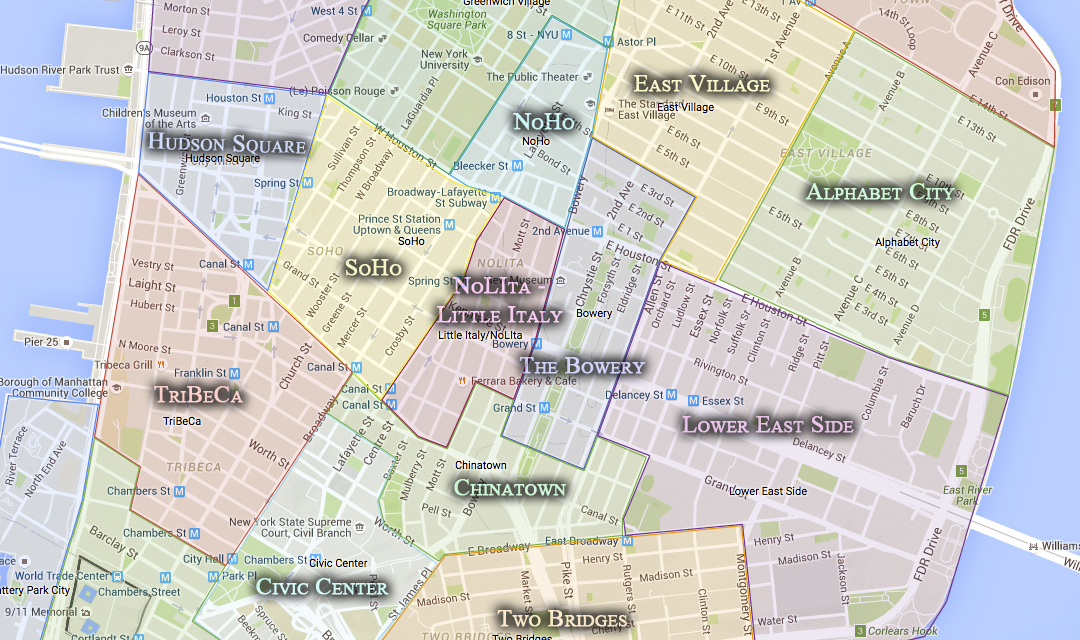
Nestled within the dynamic tapestry of New York City, a district renowned globally for its distinct charm, historic architecture, and trendsetting allure is SoHo. For many visitors and even some residents, the exact meaning behind this iconic neighborhood’s name remains a curious enigma. Far from being an abstract moniker, SoHo is, in fact, an acronym that perfectly encapsulates its geographical placement and hints at its rich historical evolution. SoHo stands for “South of Houston Street.”
This simple yet descriptive name serves as a crucial geographical marker, delineating the vibrant district that lies immediately south of Houston Street, extending down to Canal Street, and bordered by Crosby Street to the east and West Broadway to the west. While merely a location descriptor, the name SoHo has become synonymous with a unique urban experience, a blend of high fashion, artistic heritage, exceptional dining, and stunning architectural beauty that defines one of Manhattan’s most sought-after destinations. Understanding what SoHo stands for is just the first step in appreciating the layers of history and culture that have shaped this incredible corner of New York. For travelers seeking unforgettable experiences, from luxury shopping to immersing themselves in local culture, SoHo offers a journey unlike any other.
The Etymology and Evolution of an Iconic Name
The coining of the term “SoHo” wasn’t merely a casual naming convention but a strategic and organic development reflecting the neighborhood’s transformation. Its origins lie in the need to define a specific area undergoing significant changes, particularly as artists began to reclaim its industrial past.
From Industrial Hub to Artistic Enclave
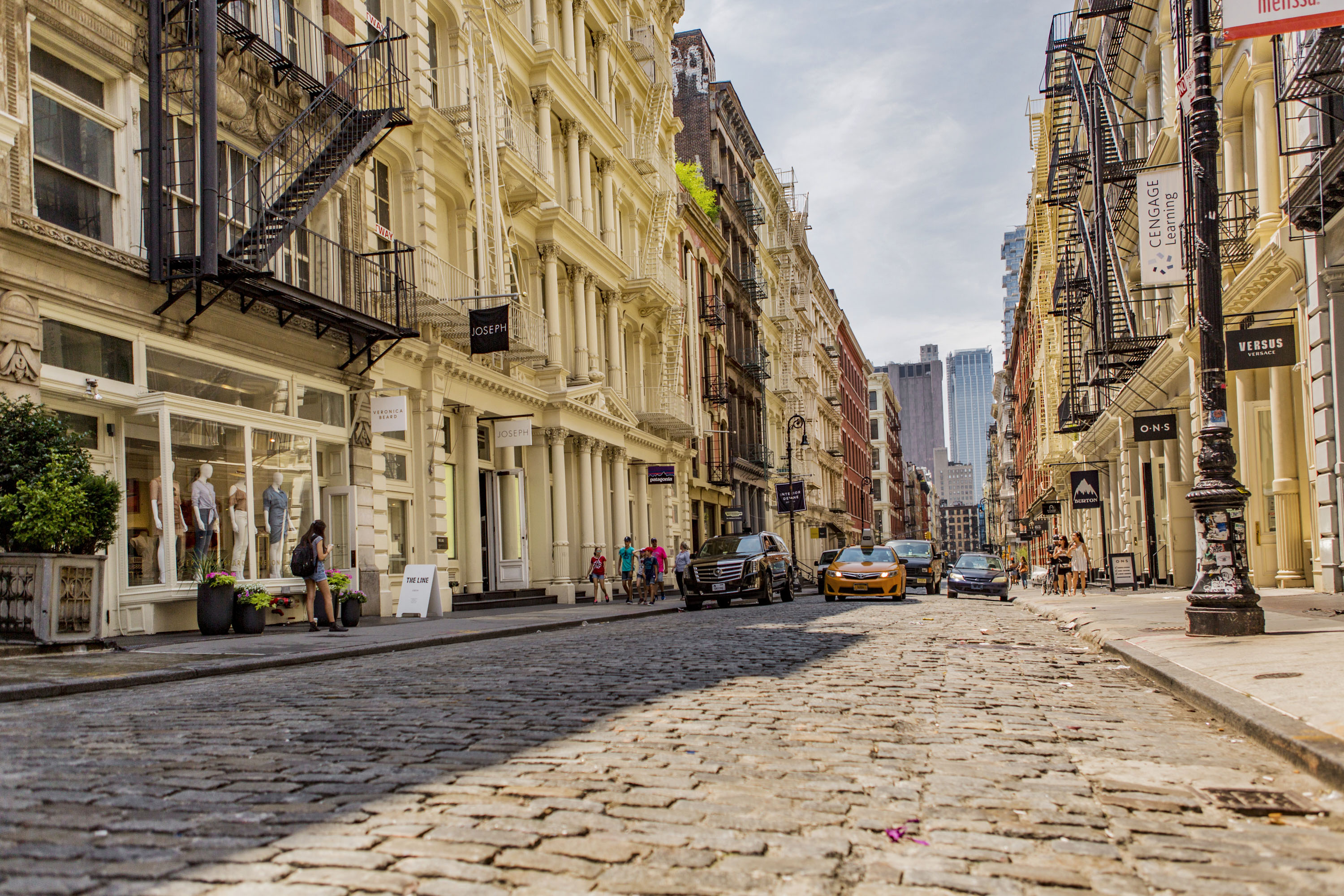
Before it became the fashionable district we know today, SoHo was primarily an industrial and manufacturing zone during the 19th and early 20th centuries. Known as “Hell’s Hundred Acres” due to its dangerous and dilapidated state, it was characterized by numerous textile factories, printing presses, and warehouses. The most enduring legacy of this era is its remarkable Cast-Iron Architecture. Buildings with ornate cast-iron facades, designed to imitate more expensive stone masonry, line its streets, creating a distinctive aesthetic that is unparalleled anywhere else in the world. These architectural marvels, with their large windows and spacious interiors, were ideal for industrial operations, but as manufacturing moved out of Manhattan in the mid-20th century, these grand structures became vacant and fell into disrepair.
The story of SoHo’s rebirth began in the 1960s and 70s. Artists, desperate for affordable living and working spaces, discovered these cavernous, abandoned lofts. The high ceilings, abundant natural light, and expansive floor plans were perfect for studios and galleries, allowing artists to live and create on a scale impossible in traditional New York City apartments. This migration of the avant-garde laid the groundwork for the cultural renaissance that would soon sweep through the area.
The Artists’ Influx and Preservation Efforts
The influx of artists, while revitalizing the neighborhood, also led to conflicts with zoning laws, which at the time prohibited residential use in manufacturing zones. This tension culminated in significant grassroots efforts to protect both the residents and the unique architecture. A pivotal moment was the establishment of the SoHo Cast Iron Historic District in 1973. This designation was crucial, recognizing the architectural significance of the area and implementing regulations to preserve its distinctive buildings.
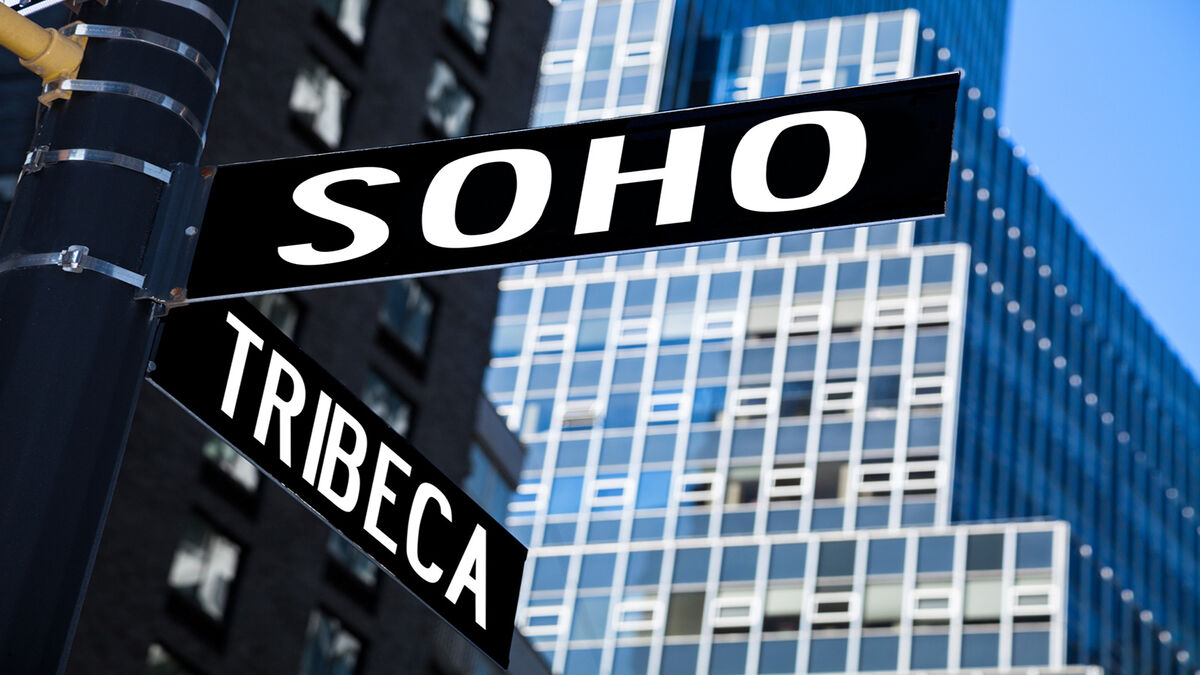
Simultaneously, the “Loft Law” was enacted, providing legal protection for artists living in former industrial buildings and essentially legalizing their residential status. This period solidified SoHo’s reputation as a bohemian haven, a vibrant epicenter of artistic expression and counter-culture. The moniker “SoHo” emerged during this transformative era, a catchy and convenient way to refer to this burgeoning artistic community south of Houston Street, much like TriBeCa (Triangle Below Canal Street) and NoHo (North of Houston Street) would follow suit. The name, therefore, stands not just for a geographical location but for a movement, a fight for cultural preservation, and the birth of a new urban identity.
SoHo Today: A Tapestry of Culture, Commerce, and Chic
While its artistic roots remain, SoHo has gracefully evolved into one of the world’s premier destinations for luxury shopping, fine dining, and an unparalleled lifestyle experience. It seamlessly blends its bohemian past with a sophisticated present, making it a mandatory stop on any comprehensive New York City itinerary.
A Shopper’s Paradise and Culinary Hotspot
Today, the streets of SoHo are a global mecca for fashionistas and discerning shoppers. Its cobblestone streets and iconic cast-iron buildings house an impressive array of high-end boutiques, flagship stores of international designers, and unique independent shops. From renowned brands along Broadway and Prince Street to hidden gems on Greene Street and Mercer Street, every corner offers a temptation. Whether you’re seeking the latest fashion trends, exquisite jewelry, cutting-edge electronics, or unique home decor, SoHo delivers an unparalleled retail experience. This makes it a prime destination for luxury travel and an essential component of any travel guide focused on New York City’s shopping scene.
Beyond its retail prowess, SoHo is also a vibrant culinary hotspot. The neighborhood boasts an incredible diversity of dining options, from Michelin-starred restaurants serving innovative cuisine to cozy cafes perfect for people-watching, and trendy bars ideal for an evening out. You can find everything from authentic Italian trattorias and artisanal bakeries to contemporary American bistros and international fusion spots. Exploring SoHo’s food scene is an experience in itself, reflecting the diverse local culture and making it a top recommendation for food tourism. Many establishments offer outdoor seating, allowing diners to soak in the lively atmosphere and admire the stunning streetscapes.
Architectural Marvels and Artistic Legacies
The architectural landscape of SoHo remains one of its most captivating features. The meticulously preserved Cast-Iron Architecture stands as a testament to 19th-century industrial ingenuity and 20th-century preservation efforts. Walking through the SoHo Cast Iron Historic District feels like stepping back in time, with each facade telling a story. These buildings are more than just backdrops; they are landmarks in their own right, offering a unique historical and visual experience. Visitors often take guided tours specifically to appreciate these architectural masterpieces, understanding their historical significance and the innovative construction methods they represent.
While many artists have been priced out of SoHo’s residential market, the neighborhood’s artistic legacy continues to thrive. Numerous art galleries, both established and emerging, still dot its streets, showcasing contemporary works from local and international artists. Public art installations and vibrant street art can also be discovered, reminding visitors of the neighborhood’s bohemian past. Art walks and gallery hopping remain popular activities, offering glimpses into the dynamic art scene that originally defined SoHo. This blend of historical preservation and contemporary artistic expression makes SoHo a living museum, continually evolving yet deeply rooted in its heritage.
The SoHo Vibe: Lifestyle and Living
The “SoHo vibe” is palpable – a sophisticated yet effortlessly cool atmosphere that attracts a diverse crowd. It’s a place where fashion editors rub shoulders with tourists, and creative professionals mingle with affluent residents. The lifestyle here is distinctly New York: fast-paced, stylish, and culturally rich. For those considering long-term stays or seeking luxury accommodation, SoHo offers a range of high-end apartments and lofts, though at a premium. The neighborhood is also a popular choice for business stays, given its central Manhattan location and access to amenities.
Living or staying in SoHo means immersing oneself in a vibrant community where convenience meets exclusivity. From early morning jogs along cobblestone streets to late-night culinary adventures, the energy is constant and captivating. It’s a neighborhood that epitomizes the aspirational side of New York City living, making it a compelling destination for those seeking a premium travel experience.
Navigating SoHo: Travel Tips and Accommodation
For travelers planning a visit to New York City, understanding how to navigate SoHo and where to find suitable accommodation is key to maximizing the experience.
Getting There and Around
SoHo’s central Lower Manhattan location makes it incredibly accessible. The most convenient way to reach the neighborhood is via the MTA subway. Several subway lines stop directly within or on the borders of SoHo, including the N, R, W, Q, A, C, E, B, D, F, and M trains, with stations at Prince Street, Spring Street, and Canal Street. Once in SoHo, the best way to explore is on foot. Its relatively flat, grid-like streets are perfect for leisurely strolls, allowing visitors to discover hidden boutiques, galleries, and cafes at their own pace. Taxis and ride-shares are also readily available, though traffic can be significant. For those venturing from nearby neighborhoods like Greenwich Village, Chinatown, or NoLita, walking is often the most enjoyable option.
Where to Stay: Hotels and Boutique Stays
Accommodation in SoHo reflects its upscale status, offering a range of luxury and boutique hotels designed to complement the neighborhood’s chic aesthetic. For an indulgent stay, consider properties like The Mercer Hotel, known for its celebrity clientele and understated elegance, or the Crosby Street Hotel, celebrated for its vibrant interiors and lush courtyard. The ModernHaus SoHo also provides a contemporary luxury experience with stunning skyline views.
These hotels often feature world-class amenities, including fine dining restaurants, stylish bars, and personalized services, catering to both leisure and business travelers. While prices can be higher than in other parts of New York City, the convenience, atmosphere, and quality of these establishments make them a worthwhile investment for those seeking a premium travel experience. For longer stays or those preferring more space, serviced apartments are also an option, offering a blend of hotel amenities and residential comfort, perfect for family trips or extended business stays. Booking in advance is highly recommended, especially during peak tourist seasons.
Must-See Attractions and Experiences
Beyond its shopping and dining, SoHo offers a wealth of experiences. Don’t miss the opportunity to simply wander and appreciate the unique streetscape. Key experiences include:
- Architectural Walking Tours: Explore the SoHo Cast Iron Historic District with a knowledgeable guide to fully appreciate the history and design of these iconic buildings.
- Art Gallery Hopping: Discover contemporary art in the numerous galleries, particularly along West Broadway and Greene Street.
- People-Watching at a Cafe: Grab a coffee or a meal at an outdoor cafe and soak in the vibrant atmosphere, observing the diverse mix of locals and visitors.
- Boutique Shopping: Indulge in retail therapy, exploring both international brands and unique independent shops.
- Culinary Exploration: From high-end dining to casual eateries, embark on a gastronomic journey through SoHo’s diverse culinary landscape.
These activities, combined with the general allure of the neighborhood, make SoHo a highlight for any traveler’s journey through the United States.
Beyond the Name: SoHo’s Enduring Appeal
What does SoHo stand for in New York? It stands for more than just “South of Houston Street.” It represents a remarkable journey of urban transformation, from an industrial wasteland to a world-renowned cultural and commercial hub. Its enduring appeal lies in this layered identity, offering something for every type of traveler.
An Investment in Experience
Visiting SoHo is an investment in a rich, multi-sensory experience. It’s about more than just buying an item or eating a meal; it’s about connecting with a vibrant local culture, appreciating historical landmarks, and experiencing a slice of New York City life that is both luxurious and authentically artistic. Whether one is on a budget travel adventure or indulging in luxury travel, SoHo presents opportunities to engage with its unique spirit. The sheer number of guides and experiences available speaks to its depth as a destination, inviting visitors to delve deeper into its stories.
A Microcosm of New York
In many ways, SoHo serves as a microcosm of New York City itself. It embodies the city’s relentless capacity for reinvention, its ability to blend historical reverence with cutting-edge trends, and its magnetic pull for creative minds and ambitious entrepreneurs. The juxtaposition of its grand, historic buildings with modern fashion and art, and the co-existence of local artists with global brands, perfectly illustrate the dynamic and diverse nature of New York.
In conclusion, “What does SoHo stand for in New York?” It stands for South of Houston Street, but more profoundly, it stands for resilience, transformation, and an unparalleled blend of art, fashion, and history. It is a neighborhood that continues to define and redefine what it means to be a truly iconic urban destination, making it a must-visit for anyone seeking the quintessential New York City experience.
LifeOutOfTheBox is a participant in the Amazon Services LLC Associates Program, an affiliate advertising program designed to provide a means for sites to earn advertising fees by advertising and linking to Amazon.com. Amazon, the Amazon logo, AmazonSupply, and the AmazonSupply logo are trademarks of Amazon.com, Inc. or its affiliates. As an Amazon Associate we earn affiliate commissions from qualifying purchases.