
The name “Chicago” evokes images of towering skyscrapers piercing the clouds, the rhythmic hum of the El train, the savory scent of deep-dish pizza wafting from a local eatery, and the vibrant energy of a city that never sleeps. But have you ever paused to consider the origin of this iconic American city’s name? The story behind “Chicago” is as rich and layered as the city itself, a fascinating journey into the indigenous languages and historical encounters that shaped its identity. Far from being a simple label, the word “Chicago” holds a deep historical and cultural significance, revealing much about the land and the people who first inhabited it.
Unraveling the Etymology: The Wild Leek and Indigenous Roots
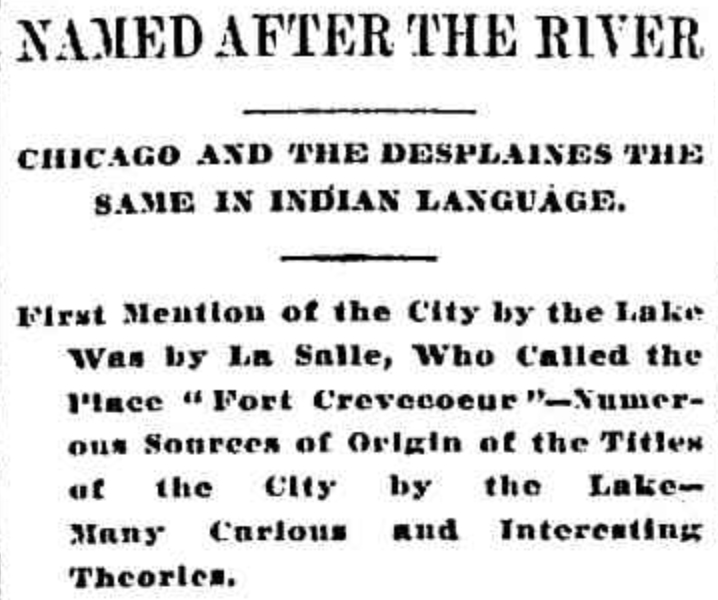
The most widely accepted etymology of “Chicago” traces its roots back to the Miami-Illinois language. The word believed to be the origin is “shikaakwa,” which translates to “wild leek” or “wild onion.” This botanical connection is not as whimsical as it might initially seem. The region around the mouth of the Chicago River was historically abundant with these pungent plants, which were a vital resource for the indigenous peoples who lived there for thousands of years. These plants were not just a food source; they also held medicinal properties and were used in various cultural practices.
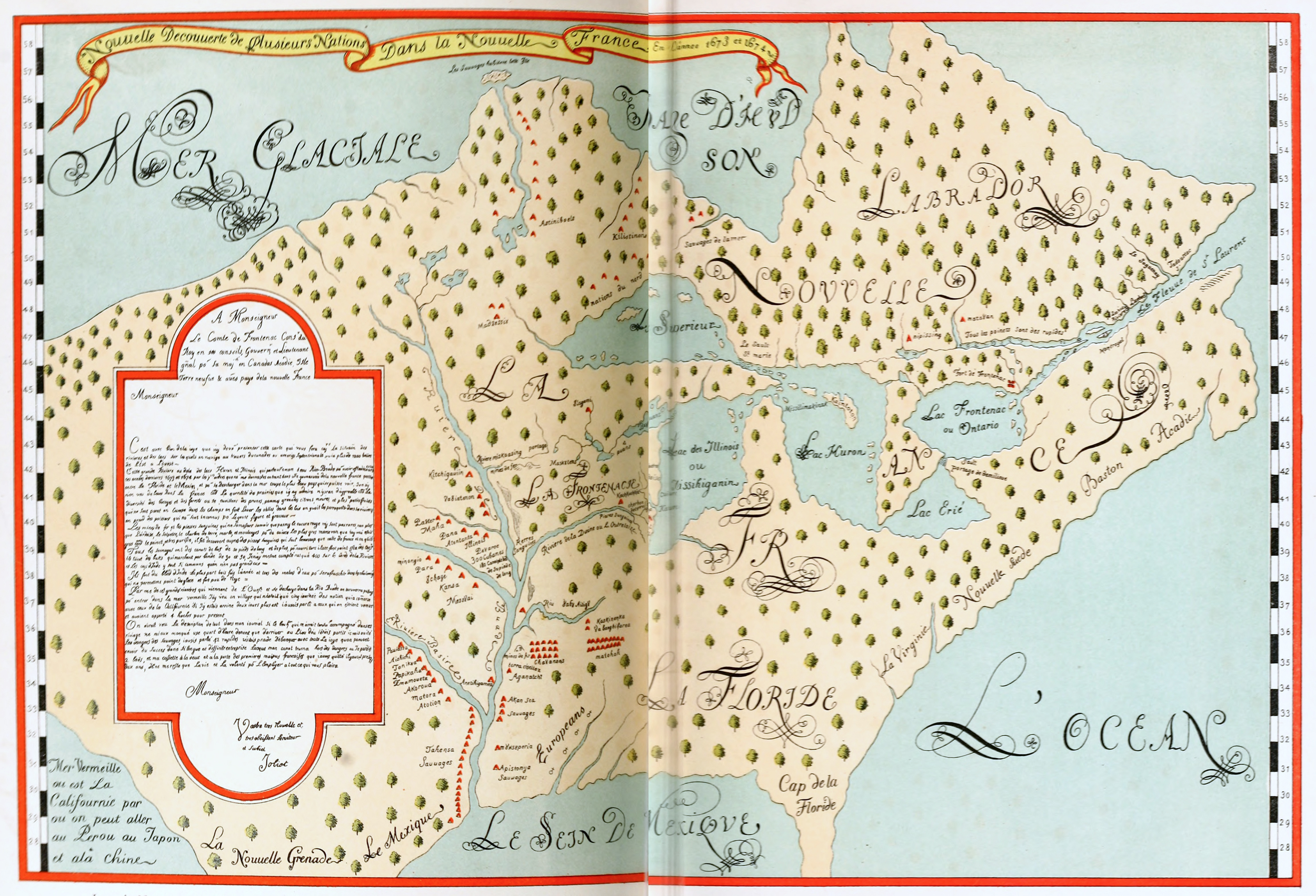
The Miami-Illinois people, who were among the earliest known inhabitants of the area, referred to the river that flowed through this fertile land as the “Checagou River.” This name, adopted and adapted by early European explorers and settlers, eventually became the name of the burgeoning settlement that grew along its banks. The French explorers, including Robert de La Salle, are often credited with documenting the name and its association with the wild leek. Early maps and journals from the late 17th century frequently mention the “Rivière de Chicagoua” or similar variations.
It’s important to understand that the Miami-Illinois language, like many indigenous languages, was an oral tradition. Therefore, the exact pronunciation and spelling could vary, leading to the different transcriptions recorded by European visitors. However, the consensus among linguists and historians is that “Chicago” is a direct descendant of “shikaakwa.” This linguistic heritage serves as a powerful reminder of the city’s deep indigenous history, predating any European settlement by millennia. The land that is now the bustling metropolis of Chicago was once a vibrant ecosystem, teeming with life, where wild leeks flourished alongside the vital waterways.
The Significance of the Wild Leek
The abundance of wild leeks was more than just a culinary delight for the indigenous tribes. It signified a land rich in resources and a healthy environment. The plant’s strong aroma, which is often described as pungent and musky, likely played a role in its naming. Imagine navigating the waterways and being greeted by the distinct scent of these wild onions – it would have been a significant marker, a recognizable feature of the landscape.
For the indigenous communities, knowledge of these plants and their uses was passed down through generations. They understood the best times to harvest, the various ways to prepare them, and their medicinal benefits. The wild leek was a symbol of sustenance and a testament to the ecological richness of the region. The adoption of this name by the later inhabitants of the area, while a form of linguistic assimilation, also implicitly acknowledged the original stewards of the land and their intimate connection with its natural bounty.
From Settlement to Metropolis: A Name That Grew
The transformation of “Checagou” from a descriptive geographical marker to the name of a major global city is a testament to the relentless spirit of development and expansion that defined the American frontier. As fur traders, explorers, and eventually settlers began to establish a more permanent presence in the area, the name “Chicago” became increasingly associated with a specific location.

The establishment of Fort Dearborn in 1803 marked a significant step in formalizing the presence of the United States in the region. The fort, situated near the mouth of the river, became a focal point for early commerce and settlement. As the population grew, so did the recognition of Chicago as a distinct and important place. The construction of the Illinois and Michigan Canal in the mid-19th century was a pivotal moment, connecting the Great Lakes to the Mississippi River system and transforming Chicago into a critical hub for transportation and trade. This strategic advantage fueled rapid growth, attracting people from across the United States and the world.
Throughout this period of explosive growth, the name “Chicago” remained, a constant thread connecting the modern city to its ancient origins. It became a symbol of ambition, innovation, and the promise of opportunity. The city’s nickname, “The Windy City,” though often attributed to its breezy location on Lake Michigan, is also sometimes humorously (or perhaps begrudgingly) linked to its politicians being full of “hot air.” However, the original meaning, rooted in the natural world, offers a more profound and enduring connection to the city’s past.
Early Explorers and the Naming of Chicago
The early European explorers played a crucial role in documenting and disseminating the name “Chicago.” French missionaries and traders, venturing into the interior of North America, encountered the indigenous peoples and learned about their lands and languages. Their journals and maps provide invaluable historical records of these encounters.
One of the earliest written references to the region comes from the French explorer Jean-Baptiste Le Moyne de Bienville in 1718, who mentioned a river called “Chicagou.” Later, other French explorers and mapmakers continued to use variations of the name. These early records are vital for understanding how the name transitioned from an indigenous descriptor to a European designation. The consistent use of the name, despite variations in spelling, underscores its established presence and recognition within the region.
Echoes of the Past in a Modern City
Today, the word “Chicago” resonates with a multitude of meanings. For travelers, it signifies a world-class destination offering an unparalleled array of experiences. From the breathtaking architecture of the Willis Tower to the vibrant cultural institutions like the Art Institute of Chicago, the city is a treasure trove of attractions. The iconic Navy Pier beckons with its amusement rides and stunning lake views, while the historic Magnificent Mile provides a shopper’s paradise.
For those seeking culinary adventures, Chicago is a paradise. The city is renowned for its diverse food scene, from the quintessential deep-dish pizza and Chicago-style hot dogs to Michelin-starred restaurants and ethnic eateries representing cuisines from around the globe. Exploring neighborhoods like Pilsen for its vibrant Mexican culture and cuisine, or Chinatown for authentic Asian flavors, offers a taste of the city’s global influences.
When it comes to accommodation, Chicago offers a spectrum of choices to suit every traveler’s needs and budget. Luxury seekers can find opulent suites and world-class resorts like the Four Seasons Hotel Chicago or the Ritz-Carlton Chicago. For those seeking more budget-friendly options or unique experiences, boutique hotels, charming apartments, and even long-term stay accommodations are readily available. The city’s robust tourism infrastructure ensures that visitors can find the perfect place to rest and recharge after a day of exploration, whether it’s a chic downtown hotel or a cozy bed and breakfast in a historic neighborhood.
Cultural Tapestry and Indigenous Legacy
The legacy of the indigenous peoples who first named this land continues to be felt in the cultural tapestry of modern Chicago. While the physical presence of wild leeks might be less obvious in the urban landscape, their etymological echo remains. Understanding this origin story adds a layer of depth to the experience of visiting or living in Chicago. It’s a reminder that the city’s identity is not solely built on steel and glass, but also on the ancient connection to the earth and the indigenous cultures that thrived here long before it became a global metropolis.
Museums like the Field Museum offer insights into the region’s natural history and indigenous heritage, allowing visitors to connect with the past. The ongoing efforts to acknowledge and celebrate indigenous history and culture within the city serve as a vital bridge between its historical roots and its present-day multicultural identity. The name “Chicago” itself, therefore, is more than just a word; it’s a narrative, a historical marker, and a testament to the enduring power of language to connect us to the land and to those who came before us. It’s a name that speaks of nature’s bounty, of human resilience, and of the vibrant, multifaceted spirit that defines this extraordinary city.
LifeOutOfTheBox is a participant in the Amazon Services LLC Associates Program, an affiliate advertising program designed to provide a means for sites to earn advertising fees by advertising and linking to Amazon.com. Amazon, the Amazon logo, AmazonSupply, and the AmazonSupply logo are trademarks of Amazon.com, Inc. or its affiliates. As an Amazon Associate we earn affiliate commissions from qualifying purchases.