
Detroit, a city pulsating with a rich history and a vibrant, ever-evolving cultural tapestry, is increasingly gaining recognition for its dynamic culinary scene. While often associated with its automotive heritage and soulful music, the Motor City is also a destination for food lovers, boasting a unique blend of classic comfort foods and innovative gastronomic experiences. From iconic dishes that have stood the test of time to emerging flavors reflecting its diverse population, Detroit’s food identity is as robust and resilient as its spirit. This exploration delves into the culinary cornerstones that make Detroit undeniably famous, offering a delicious glimpse into the heart of its local culture and the experiences awaiting travelers.

The city’s culinary narrative is deeply intertwined with its history, shaped by waves of immigration and the ingenuity of its residents. Early settlers and subsequent immigrant communities brought their culinary traditions, which Detroiters embraced and adapted, creating a distinct local flavor. This fusion of cultures is evident in the sheer variety and quality of food available, from traditional Eastern European fare to African American soul food and, more recently, influences from the Middle East and Asia. The economic ups and downs of the city have also played a role, fostering a spirit of resourcefulness and a penchant for hearty, affordable, yet incredibly flavorful dishes. Today, Detroit’s food scene is a testament to this heritage, a place where tradition meets innovation, and every meal tells a story.
The Iconic Flavors of Detroit
Detroit’s culinary reputation is built on a foundation of dishes that are both comforting and distinctive. These are the foods that locals grew up with, that visitors seek out, and that have become synonymous with the city’s identity. Exploring these iconic flavors is an essential part of experiencing the true essence of Detroit, offering a delicious and accessible entry point into its vibrant food culture.
Coney Island Hot Dogs: A True Detroit Original
No discussion of Detroit’s best-known food is complete without mentioning the Coney Island hot dog. This is not just a meal; it’s a cultural institution, a late-night savior, and a culinary cornerstone of the city. A true Detroit Coney is a specific assembly: a steamed natural casing hot dog nestled in a soft, steamed bun, generously smothered in a hearty, loose-ground-beef chili (distinct from a typical Texas-style chili), topped with finely chopped raw onions and a dollop of bright yellow mustard.
The origin story of the Detroit Coney is a tale of immigrant entrepreneurship. In the early 20th century, Greek immigrants, particularly brothers Gust and Peter Keros, are credited with popularizing this unique hot dog style in Detroit. They opened their first American Coney Island in 1917, and its success paved the way for countless other “Coney Islands” across the metropolitan area. While the exact chili recipe is a closely guarded secret for each establishment, the core components remain consistent, creating a flavor profile that is savory, slightly spicy, and undeniably satisfying.
There are two main contenders for the “original” title, each with its loyal following: American Coney Island and Lafayette Coney Island, located right next door to each other on Lafayette Boulevard in downtown Detroit. Visiting these two institutions is a rite of passage for many, allowing them to compare the subtle differences in their chili and overall experience. Beyond these iconic downtown spots, numerous other Coney Islands dot the city and its suburbs, each offering their own take on this beloved classic. Whether you prefer it “all the way” (with chili, onions, and mustard) or with variations, the Detroit Coney is a must-try, embodying the city’s unpretentious yet flavorful approach to food. It’s the perfect example of how simple ingredients, expertly combined, can create a lasting culinary legacy.
Detroit-Style Pizza: A Square Slice of Heaven
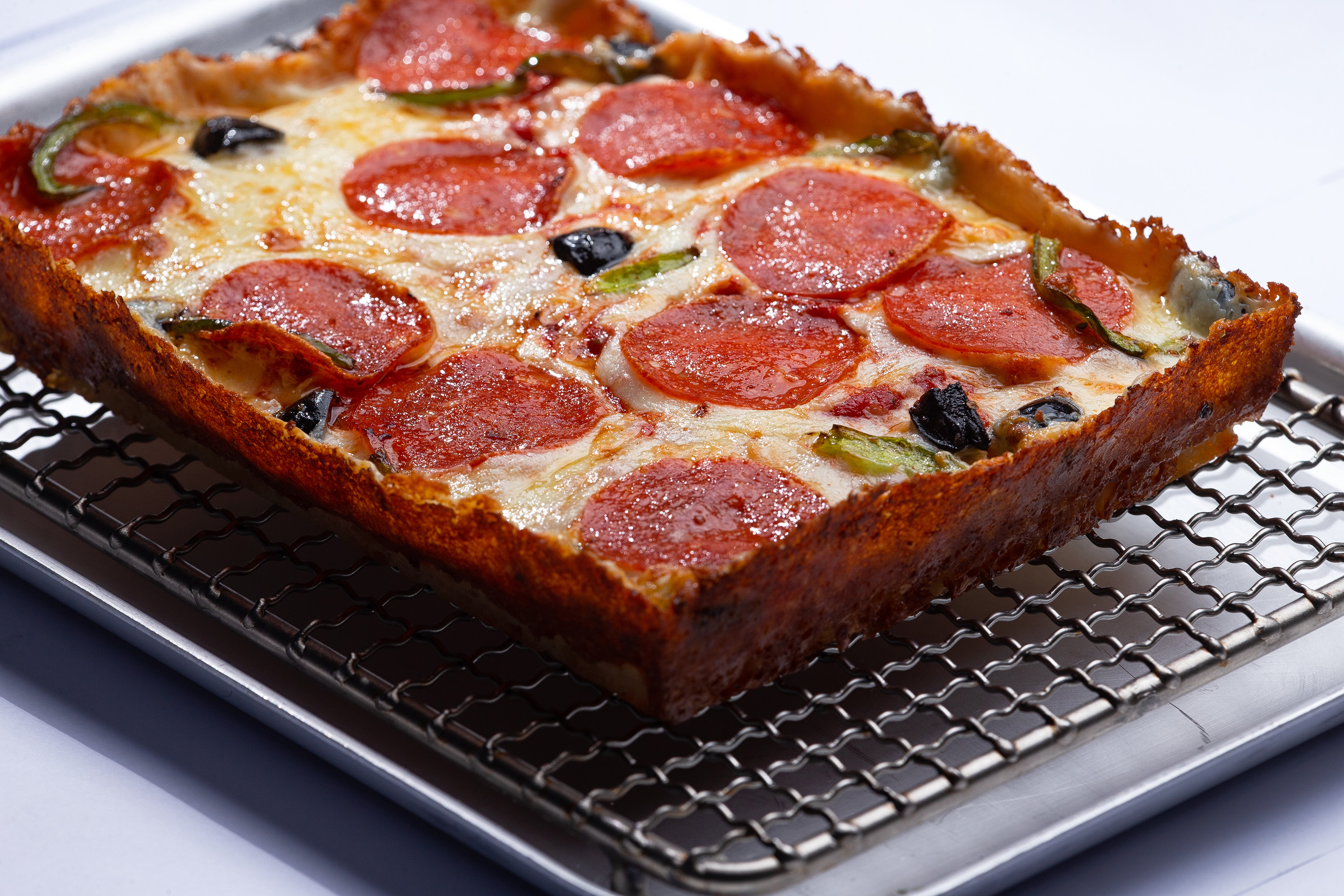
Detroit-style pizza is another culinary icon that has achieved national and international acclaim, evolving from a local specialty to a globally recognized pizza category. What sets this pizza apart is its distinctive square or rectangular shape, thick, airy, yet crispy crust, and the unique baking method. Traditionally, it’s baked in deep-dish, rectangular steel pans, often sourced from automotive parts factories, which gives the crust its characteristic crispy, almost fried edges.
The crust itself is a marvel, with a chewy interior and a delightfully caramelized, cheesy bottom and sides. The cheese blend typically includes both mozzarella and Wisconsin brick cheese, which melts beautifully and contributes to those coveted crispy edges. Crucially, the sauce – a bright, tangy, and slightly sweet tomato sauce – is typically ladled over the cheese in thick stripes after the pizza is baked, a method that allows the cheese to caramelize to perfection without burning.
The origins of Detroit-style pizza can be traced back to the 1940s, with Buddy’s Rendezvous (now Buddy’s Pizza) often cited as the pioneer. Started by Gus Guerra and his business partner Jim Bono, Buddy’s began serving this unique pizza in 1946. Over the decades, the style has been refined and popularized, with Buddy’s Pizza remaining a beloved institution and a benchmark for authentic Detroit-style pizza. Other notable pizzerias contributing to the style’s evolution include Shield’s Pizza and Cloverleaf Pizza, each with their own loyal fan base.
The appeal of Detroit-style pizza lies in its satisfying heft, its perfect balance of textures, and its intensely flavorful, cheesy crust. It’s a hearty, shareable meal that perfectly complements the city’s communal spirit. In recent years, chefs and restaurateurs across the country have embraced and adapted the Detroit-style, bringing this unique slice of Michigan to tables far beyond the city limits. Yet, experiencing it in Detroit, perhaps at Buddy’s Pizza in the heart of the city, offers an unparalleled authentic taste.
Vernors Ginger Ale: A Bubbly Piece of History
While not a food in the strictest sense, Vernors Ginger Ale holds such an integral place in Detroit’s culinary and cultural landscape that it deserves a prominent mention. This iconic ginger ale is one of the oldest surviving soft drinks in the United States, with a history stretching back to 1866. It was created by James Vernor, a pharmacist in Detroit, who was experimenting with medicinal tonics during the Civil War. He developed a potent ginger formula, which he carbonated and aged in wooden barrels for three years, resulting in a unique, slightly spicy, and deeply flavored ginger ale.
What makes Vernors truly special is its distinctive taste. It’s less sweet than many mainstream ginger ales, with a more pronounced ginger kick and a subtle spicy undertone. Its amber color and unique flavor profile have earned it a devoted following not only in Detroit but throughout Michigan and beyond. It’s often described as having a medicinal quality, a nod to its origins as a tonic, and it’s beloved for its ability to soothe an upset stomach or simply provide a refreshing beverage.
Vernors Ginger Ale is more than just a drink; it’s a symbol of Detroit’s resilience and innovative spirit. It has weathered economic downturns, changing tastes, and the passage of time, remaining a constant in the city’s beverage offerings. It’s a staple at family gatherings, a go-to refreshment after a long day, and a unique taste of Detroit for visitors. Many locals enjoy it on its own, while others use it as a mixer in cocktails. The story of Vernors is a testament to the enduring power of a well-crafted product and its deep connection to the community it serves, making it a definitive part of what Detroit is best known for.
Beyond the Icons: Exploring Detroit’s Diverse Culinary Landscape
While Coney dogs, Detroit-style pizza, and Vernors Ginger Ale are undeniably famous, the Motor City’s food scene extends far beyond these pillars. The city’s rich cultural heritage, shaped by waves of immigration and a thriving arts and music scene, has fostered an incredibly diverse and exciting culinary landscape. From the comforting embrace of soul food to the vibrant flavors of Middle Eastern cuisine, Detroit offers a global palate within its city limits.
Soul Food: A Hearty Tradition of Flavor
Soul food is deeply ingrained in Detroit’s culinary identity, reflecting the city’s significant African American heritage. This cuisine is characterized by its rich flavors, hearty ingredients, and a tradition of communal eating that emphasizes warmth and hospitality. Dishes often feature slow-cooked meats, flavorful greens, and comforting sides, all prepared with a passion that speaks to generations of culinary artistry.
Iconic soul food dishes you’ll find in Detroit include:
- Fried Chicken: Crispy on the outside, juicy on the inside, often seasoned with a secret blend of spices.
- Macaroni and Cheese: Creamy, cheesy, and baked to golden perfection, a quintessential comfort food.
- Collard Greens: Slow-cooked with smoked meats like ham hocks or turkey, offering a tender and savory experience.
- Catfish: Fried or baked, often served with a side of hushpuppies.
- Chitterlings (Chitlins): A polarizing but deeply traditional dish of braised pork intestines.
- Candied Yams: Sweet potatoes baked in a sugary syrup, often with hints of cinnamon and nutmeg.
Many restaurants in Detroit have been serving these dishes for decades, upholding traditional recipes and techniques. These establishments are more than just places to eat; they are community hubs where stories are shared and traditions are kept alive. Exploring soul food in Detroit is not just about tasting delicious food; it’s about experiencing a vital part of the city’s cultural fabric and understanding the history and resilience that underpins it.
Middle Eastern Cuisine: A Flavorful Immigration Story
Detroit, particularly its metropolitan area, boasts one of the largest and most vibrant Middle Eastern communities in the United States. This significant population has profoundly influenced the city’s culinary landscape, introducing an array of delicious and authentic flavors. From Lebanese and Yemeni to Chaldean and Assyrian influences, the range of Middle Eastern food available is extensive and exceptional.
Key dishes and ingredients that define this aspect of Detroit’s food scene include:
- Shawarma: Marinated meats (lamb, chicken, beef) roasted on a vertical spit and thinly sliced, often served in pita bread with garlic sauce and vegetables.
- Falafel: Deep-fried balls or patties made from ground chickpeas or fava beans, often served in sandwiches or as an appetizer.
- Hummus: A creamy dip made from blended chickpeas, tahini, lemon juice, and garlic.
- Baba Ghanoush: A smoky dip made from roasted eggplant, tahini, garlic, and lemon juice.
- Kibbeh: A dish made of bulgur wheat, minced onions, and finely ground lean beef, lamb or goat meat, often seasoned with spices and formed into balls or patties, then baked or fried.
- Manaeesh: A flatbread baked with various toppings, most commonly za’atar (a blend of herbs, sesame seeds, and sumac) or cheese.
Many restaurants and bakeries, particularly in areas like Dearborn, are renowned for their authentic preparations. These establishments offer a true taste of the Middle East, prepared with fresh ingredients and time-honored recipes. The influence of this community is a testament to Detroit’s welcoming spirit and its ability to integrate diverse cultures, enriching the city’s overall dining experience. Experiencing Middle Eastern cuisine in Detroit is a journey through complex spices, fresh herbs, and comforting, shareable dishes that have become an integral part of the city’s gastronomic identity.
The Future of Detroit’s Food Scene
Detroit’s culinary evolution is far from over. The city is experiencing a renaissance, and its food scene is at the forefront of this transformation. A new generation of chefs, entrepreneurs, and food enthusiasts is building upon the city’s rich heritage, introducing innovative concepts, and revitalizing neighborhoods. This dynamic environment offers exciting prospects for both long-term residents and visitors looking for unique dining experiences.
Innovation and Urban Farming: A Growing Trend
The spirit of innovation that defined Detroit’s industrial past is now fueling its culinary future. Urban farming initiatives are flourishing, with vacant lots and repurposed spaces being transformed into productive agricultural hubs. These urban farms provide fresh, locally sourced produce to restaurants and communities, fostering a sustainable food system and contributing to neighborhood revitalization. This focus on local ingredients not only enhances the flavor and quality of dishes but also strengthens the connection between consumers and their food.
Restaurants are increasingly embracing farm-to-table philosophies, showcasing the bounty of Michigan with creative and seasonal menus. Chefs are drawing inspiration from global culinary trends while remaining deeply rooted in Detroit’s distinct flavors. This blend of tradition and modernity is creating a food scene that is both exciting and accessible, offering a sophisticated yet unpretentious dining experience.
A Destination for Food Tourism
As Detroit’s reputation as a culinary destination grows, more travelers are seeking out its unique food experiences. From guided food tours that explore its diverse neighborhoods and culinary hotspots to cooking classes that teach the secrets of iconic dishes, there are numerous ways to immerse oneself in Detroit’s food culture. The city’s increasing number of hotels, ranging from boutique stays to luxury resorts, offer convenient bases for culinary explorations, and the burgeoning restaurant scene provides ample opportunities for discovery.
The emphasis on local artisans, independent eateries, and community-driven food initiatives makes Detroit a compelling destination for anyone interested in authentic and evolving food cultures. The warmth of its people, combined with the richness of its flavors, ensures that a visit to Detroit offers a truly memorable and delicious journey. The Motor City’s food scene is a vibrant reflection of its resilient spirit and its bright future, inviting everyone to pull up a chair and savor what makes this city so special.