
Chicago, the bustling metropolis nestled on the shores of Lake Michigan in Illinois, is a city renowned for its striking architecture, vibrant cultural scene, and dynamic urban lifestyle. Yet, beneath its steel and glass façade lies a surprisingly green heart, cultivated and maintained by a dedicated community of urban planners, horticulturists, and everyday gardeners. For those keen on understanding the natural rhythms that govern plant life in this major United States city, the question “What gardening zone is Chicago?” is far more than a technical inquiry; it’s a gateway to appreciating the city’s unique relationship with nature, its impressive green spaces, and even how its climate influences travel and accommodation choices.
Understanding a city’s gardening zone is crucial for anyone interested in its flora, whether they are local residents planning a garden, visitors admiring the landscape, or developers considering sustainable urban design. It informs what plants can thrive outdoors, how they survive the winter, and what kind of botanical experiences a destination can offer. For a city like Chicago, which experiences distinct seasons and significant temperature swings, its plant hardiness zone dictates much of its outdoor beauty and contributes significantly to its appeal as a destination for various types of tourism, from eco-tourism to family trips exploring its many parks and conservatories.
Understanding Chicago’s Horticultural Identity
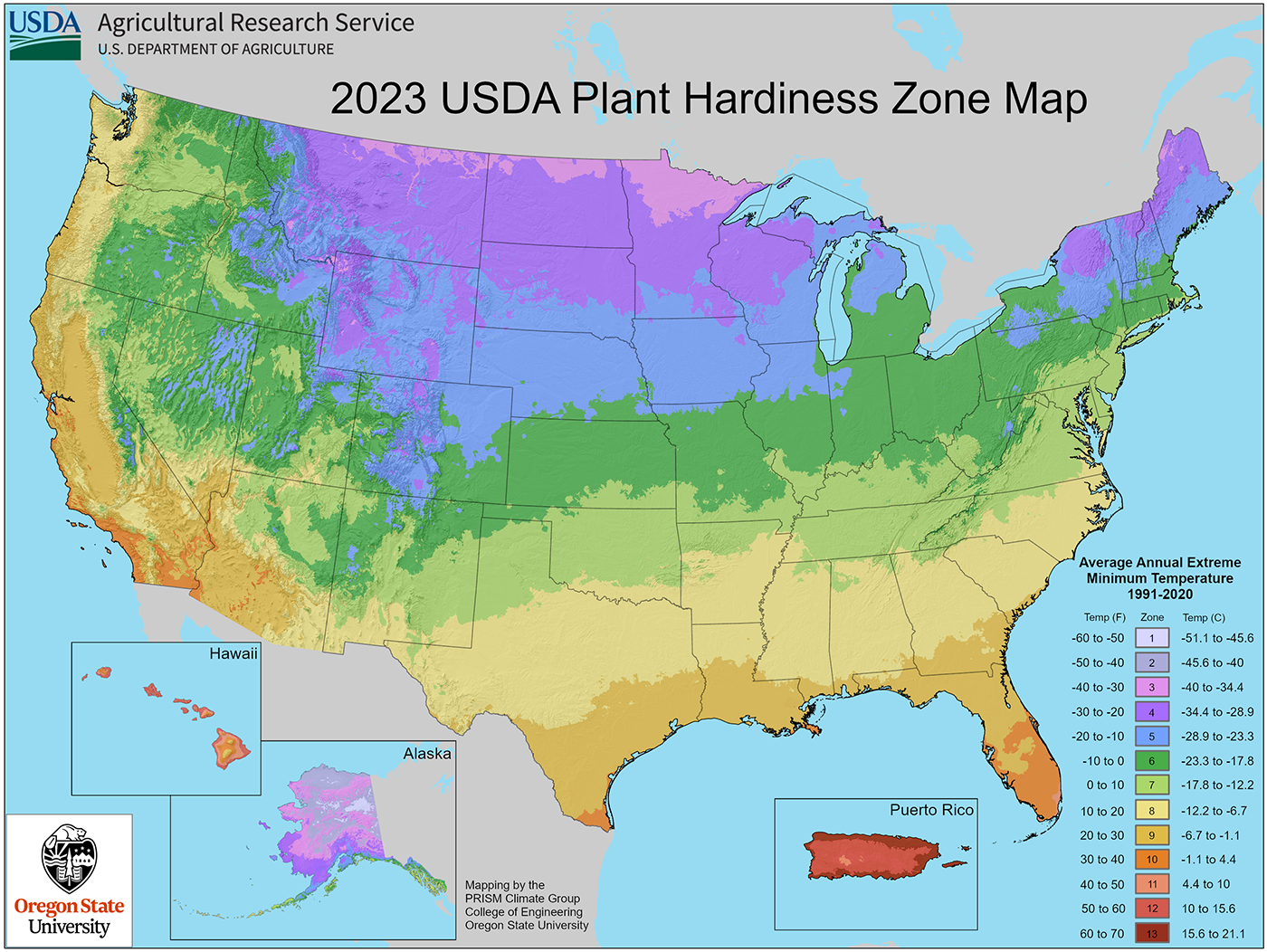
The concept of a “gardening zone” primarily refers to the USDA Plant Hardiness Zone Map, a widely used standard that helps gardeners and growers determine which perennial plants are most likely to survive the winter in a particular location. This map is based on the average annual extreme minimum winter temperature, divided into 13 zones across North America, each representing a 10-degree Fahrenheit range, further subdivided into ‘a’ and ‘b’ (5-degree Fahrenheit increments). For Chicago, its position in the Midwest means it experiences cold winters, which are a defining factor in its horticultural identity.
Delving into USDA Plant Hardiness Zones
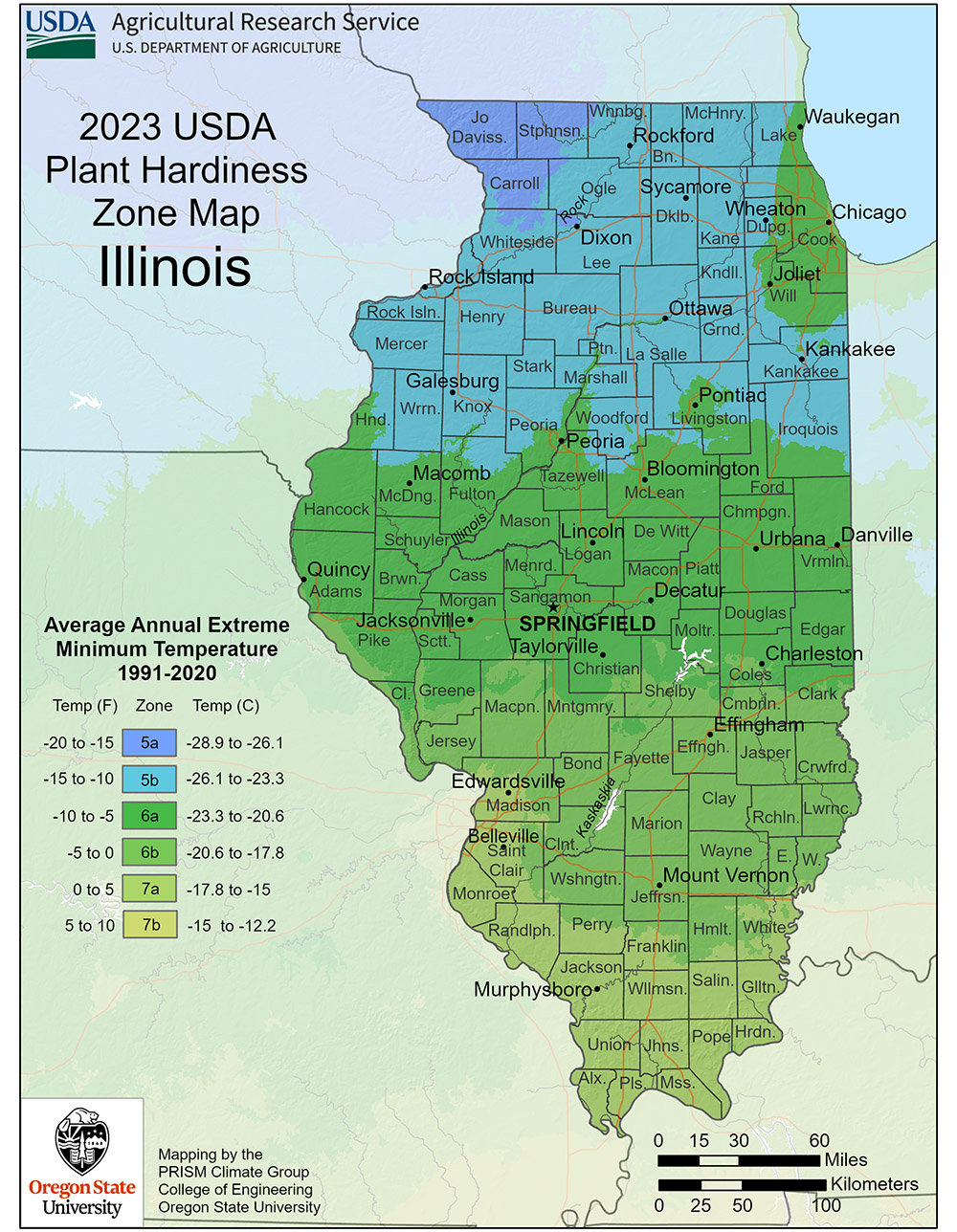
Historically, Chicago has been classified primarily within Zone 5b. This classification indicates that the average annual extreme minimum winter temperature ranges between -15°F and -10°F (-26.1°C to -23.3°C). However, due to observed climate shifts and updated data, some areas within and immediately surrounding Chicago are now occasionally being reclassified into Zone 6a, which has an average annual extreme minimum winter temperature range of -10°F to -5°F (-23.3°C to -20.6°C).
This nuanced shift from Zone 5b to the warmer Zone 6a for parts of the city is significant. It implies a changing landscape for gardeners, allowing for a wider array of plants to potentially survive the winter outdoors. For travelers and those interested in tourism, this means that the plant palette visible in public parks and private gardens may be slowly diversifying, adding new layers to the city’s aesthetic appeal throughout the seasons. The United States Department of Agriculture, through its extensive data collection, provides these critical updates, empowering both residents and visitors to better understand the city’s natural environment.
The Microclimates of the Windy City
It’s important to recognize that a city as large and dense as Chicago doesn’t have a perfectly uniform hardiness zone. Instead, it features various “microclimates.” These localized climatic conditions can differ significantly from the general zone classification due to factors like the urban heat island effect, proximity to Lake Michigan, and the presence of large buildings or extensive concrete surfaces.
The urban heat island effect is particularly prominent in metropolitan areas. Buildings, roads, and other infrastructure absorb and re-emit more of the sun’s heat than natural landscapes, leading to higher temperatures in urban centers compared to surrounding rural areas. This phenomenon can effectively push downtown Chicago and densely built neighborhoods into a warmer zone (like 6a) than the outskirts.
Lake Michigan also plays a crucial role. Its vast body of water moderates temperatures, making areas closer to the lakefront slightly warmer in winter and cooler in summer. This lake effect can create pockets where plants that are marginally hardy for Zone 5b can thrive, particularly if they are also protected from harsh winter winds. For visitors staying in waterfront hotels or exploring lakeside landmarks, this subtle difference in climate can impact the type of greenery they encounter.
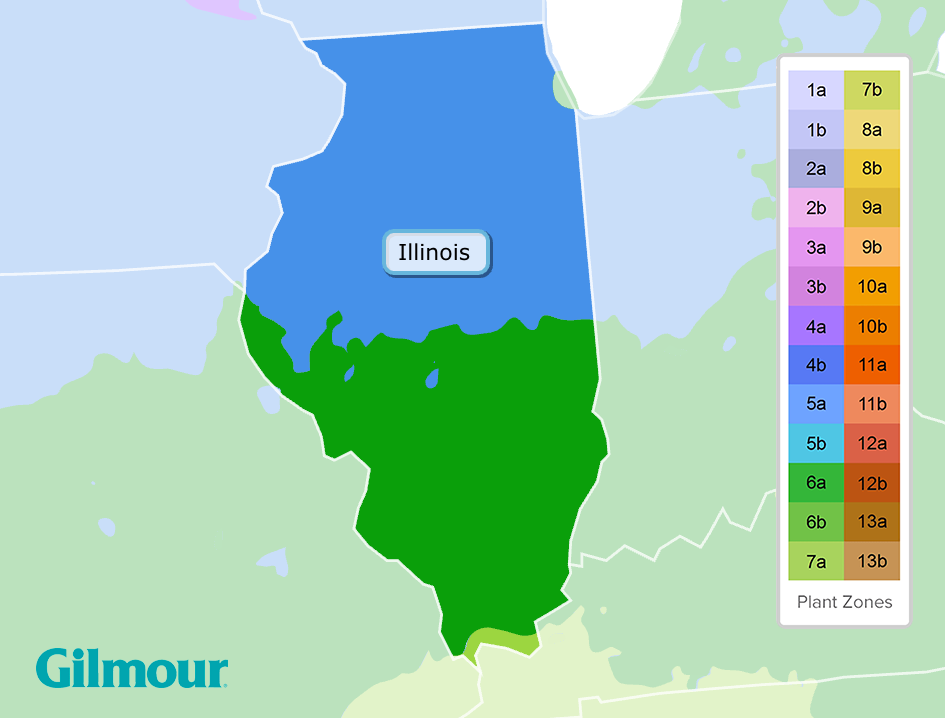
Considering these microclimates, when one asks about Chicago’s gardening zone, the most accurate answer is a blend of Zone 5b to 6a, with much of the urban core leaning towards the warmer end. This dynamic categorization enriches the city’s natural landscape and provides fascinating insights for anyone exploring its many dimensions.
Cultivating Beauty: Chicago’s Green Legacy and Tourist Appeal
Understanding Chicago’s gardening zone helps explain the remarkable diversity and resilience of its public green spaces. Despite its cold winters, the city boasts an impressive array of parks, conservatories, and botanical gardens that serve as vital lungs for the urban environment and draw countless visitors each year. These horticultural achievements are not just a testament to careful planning but also to selecting plants suitable for the local hardiness zones, ensuring year-round beauty and ecological stability.
Iconic Green Spaces and Botanical Havens
Chicago’s commitment to green infrastructure is evident in its world-class parks, which are major attractions for tourists and cherished amenities for residents.
-
Millennium Park: Perhaps one of the most famous urban parks in the world, Millennium Park seamlessly blends art, architecture, and horticulture. Home to iconic installations like Cloud Gate (The Bean) and the Crown Fountain, the park also features impressive landscaping that adapts to Chicago’s climate. The Lurie Garden, an award-winning perennial garden within Millennium Park, showcases thousands of plants chosen specifically for their ability to thrive in a Zone 5b/6a environment. It’s a living example of how hardy plant choices can create breathtaking beauty, even in a demanding climate. For travelers seeking unique experiences, a stroll through this urban oasis offers both artistic inspiration and natural serenity.
-
Lincoln Park: Stretching for miles along the lakefront, Lincoln Park is one of the largest public parks in the United States. Beyond its recreational facilities, it houses the free-admission Lincoln Park Zoo and the Lincoln Park Conservatory. The conservatory, a stunning Victorian glass house, provides a tropical escape from Chicago’s winters, allowing visitors to experience exotic flora regardless of the outdoor hardiness zone. This blend of outdoor, hardy plantings and indoor botanical collections offers a diverse experience for families and nature lovers.
-
Chicago Botanic Garden: Located just north of the city, the Chicago Botanic Garden is a world-renowned living museum and conservation science center. Spanning 385 acres with 27 gardens and four natural areas, it showcases an incredible diversity of plants, many of which are specifically chosen or hybridized to withstand Zone 5b/6a conditions. This destination offers an immersive experience for those interested in serious horticulture, providing insights into plant adaptation and sustainable gardening practices. It’s an essential visit for anyone keen on understanding what truly thrives in Chicago’s climate.
-
Garfield Park Conservatory: One of the largest and most impressive conservatories in the United States, the Garfield Park Conservatory offers a stunning journey through various biomes, from deserts to tropical rainforests. Its vast glass houses allow for the cultivation of plants that would never survive Chicago’s winters outdoors, making it a spectacular year-round attraction. For locals and tourists, it represents an accessible way to experience diverse plant life, irrespective of the local hardiness zone, providing a much-needed splash of green during the colder months.
Seasonal Splendor and Garden Tourism
The Zone 5b to 6a classification means that Chicago experiences the full drama of four distinct seasons, each bringing its own unique botanical beauty. Spring bursts forth with tulips, daffodils, and cherry blossoms, painting the parks in vibrant hues. Summer sees lush greenery, blooming perennials, and the flourishing of annuals planted after the last frost date. Autumn transforms the urban landscape into a symphony of reds, oranges, and yellows as deciduous trees prepare for winter. Even winter, though stark, offers its own beauty with evergreen conifers and the sculptural forms of dormant plants.
This seasonal progression makes Chicago an attractive destination for garden tourism throughout much of the year. Visitors can plan their trips around specific floral displays, such as the spring bulb shows or the autumnal foliage. Hotels throughout the city, from luxury resorts along the Magnificent Mile like The Peninsula Chicago and The Langham Chicago to boutique accommodations such as the Thompson Chicago or the Kimpton Gray Hotel, often feature their own curated plantings, window boxes, or rooftop gardens that reflect the seasonal changes and adhere to the local hardiness zone requirements. For travelers, appreciating Chicago’s green spaces means understanding this delicate balance with its climate.
Planning Your Visit: Embracing Chicago’s Natural Side
For travelers drawn to the intersection of urban excitement and natural beauty, Chicago’s hardiness zone offers valuable context. Whether you’re a nature enthusiast, a family on vacation, or a business traveler seeking moments of tranquility, the city’s green spaces are integral to its overall appeal and provide diverse experiences.
Accommodation Choices Amidst Urban Oases
When planning accommodation in Chicago, understanding the location relative to its green spaces can enhance your stay. Many hotels boast proximity to or views of the city’s famous parks. Imagine waking up to a view of Grant Park from the Waldorf Astoria Chicago or being just steps away from Millennium Park and the Art Institute of Chicago. Long-term stays for those keen on urban gardening or frequent visits to conservatories might benefit from apartments or villas in neighborhoods with strong community garden initiatives or easy access to larger parks.
For budget travel, opting for accommodations near smaller neighborhood parks or those with public transport access to the larger botanical gardens can offer significant savings while still allowing full enjoyment of Chicago’s natural side. Luxury travel often finds expression in hotels with meticulously landscaped grounds, rooftop gardens, or even private balconies overlooking lush urban parks. When booking, consider checking reviews for mentions of garden amenities or proximity to botanical attractions, ensuring your chosen stay aligns with your interest in the city’s green identity.
Lifestyle and Travel Tips for Nature Enthusiasts
- Seasonal Planning: To truly appreciate Chicago’s flora, plan your visit according to the seasons. Late spring and early summer offer the most vibrant outdoor displays, while autumn is spectacular for fall foliage. Winter is ideal for exploring the indoor conservatories like Garfield Park Conservatory and Lincoln Park Conservatory.
- Explore Beyond Downtown: While Millennium Park and Grant Park are central, venture out to the Chicago Botanic Garden for a comprehensive horticultural experience. Public transportation makes these accessible, offering a broader perspective on Chicago’s diverse plant life.
- Engage with Local Culture: Many neighborhoods in Chicago have thriving community gardens or farmers’ markets that showcase local produce and plants hardy to the Zone 5b/6a climate. These offer an authentic taste of local life and sustainable practices.
- Combine Nature with Other Attractions: A day spent admiring the plantings around Buckingham Fountain in Grant Park can be easily combined with a visit to a nearby museum or a stroll along Navy Pier. Chicago’s layout facilitates integrated travel experiences.
- Gardening as a Local Insight: For those considering a longer stay or even relocation, understanding Chicago’s gardening zone is a practical step towards integrating into the local lifestyle. It impacts everything from balcony container gardens to backyard landscaping, reflecting a subtle but significant aspect of urban living.
In conclusion, Chicago primarily falls within a USDA Plant Hardiness Zone 5b to 6a, with the urban core often experiencing conditions closer to Zone 6a due to microclimates. This classification is not just a technical detail for gardeners; it’s a foundational element in understanding the city’s breathtaking green spaces, its seasonal transformations, and the unique travel experiences it offers. From its iconic parks to its world-class conservatories, Chicago masterfully blends its demanding climate with a commitment to natural beauty, inviting visitors to explore its vibrant urban environment and discover the surprising resilience and diversity of its horticultural landscape. For anyone planning a trip, considering accommodation, or simply curious about this magnificent city, recognizing its gardening zone offers a deeper appreciation for the interplay between its natural and built environments.
LifeOutOfTheBox is a participant in the Amazon Services LLC Associates Program, an affiliate advertising program designed to provide a means for sites to earn advertising fees by advertising and linking to Amazon.com. Amazon, the Amazon logo, AmazonSupply, and the AmazonSupply logo are trademarks of Amazon.com, Inc. or its affiliates. As an Amazon Associate we earn affiliate commissions from qualifying purchases.